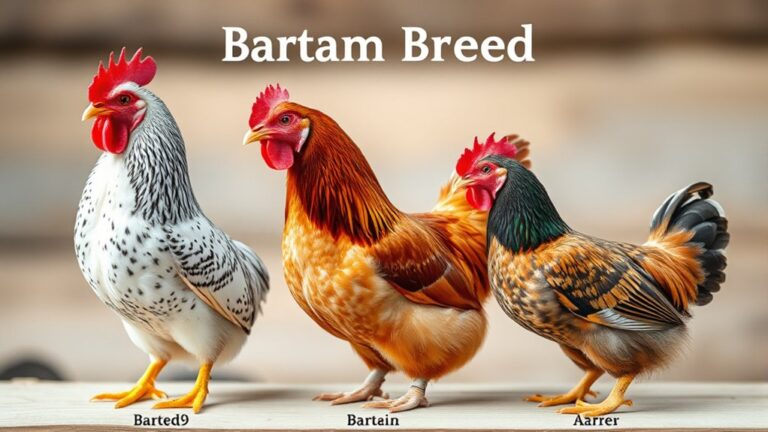
Can Chickens Eat Cherries?
If you’re a chicken owner, you’ve probably wondered what treats are safe to share with your feathered friends. You’re not alone—many people struggle with figuring out which fruits can be a healthy and tasty addition to their chickens’ diet without causing harm. Knowing the right treats can boost your chickens’ happiness and health. Can Chickens Eat Cherries.
Yes, chickens can eat cherries as an occasional treat if you wash them well and remove the pits, stems, and leaves first. You should cut them into small pieces and offer only 1 to 2 cherries per bird at a time, since too many can upset digestion or crowd out balanced feed.
Cherries add hydration and a little nutrition, but they should stay under 10% of the diet.
There’s more to know before you serve them often.
Key Takeaways
- Yes, chickens can eat cherries, but only as an occasional treat, not a regular food.
- Always wash cherries and remove pits, stems, and leaves before feeding them to chickens.
- Cut cherries into small pieces and offer only 1 to 2 per chicken at a time.
- Keep cherries under 10% of the total diet to avoid crowding out balanced feed.
- Watch for digestive upset, such as loose droppings or lethargy, and stop if symptoms appear.
Can Chickens Eat Cherries Safely?
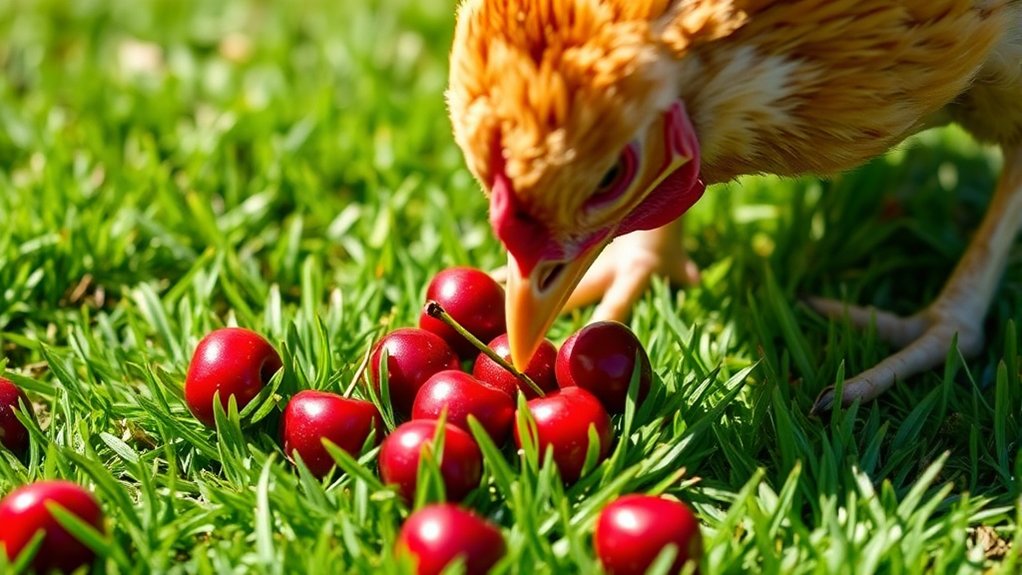
Yes, chickens can eat cherries safely, but only if you prepare them the right way. You should wash the fruit first, then remove all pits, stems, and leaves before offering it. The pits can create a choking hazard, and the leaves contain compounds you don’t want your flock to nibble.
When you serve cherries, cut them into small pieces so your birds can peck them easily. You’ll also want to keep portions modest since treats shouldn’t replace a balanced feed. Cherry nutrition varies by type, but you mainly need to focus on safe preparation rather than the fruit itself.
Watch your flock’s reaction too, because chicken preferences differ from bird to bird. Some hens will rush over for cherries, while others ignore them completely. If you introduce them slowly, you can see whether your chickens enjoy this treat without upsetting their routine or digestive balance.
What Benefits Do Cherries Offer Chickens?
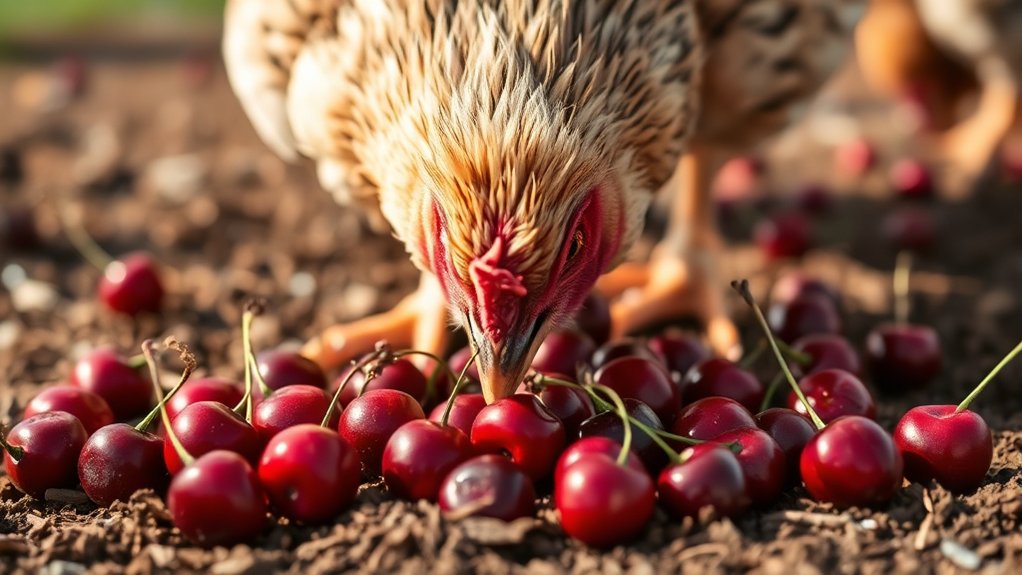
Cherries can offer chickens a small nutritional boost, especially when you use them as an occasional treat. You’ll give your flock a bit of natural sweetness, plus some nutritional value from vitamins and moisture. Their antioxidant properties may also help support overall health, especially when you want to vary snacks beyond grains.
Because chickens peck for enrichment, cherry pieces can add interest and encourage active foraging.
| Benefit | What It Means | Your Takeaway |
|---|---|---|
| Vitamin content | Adds small nutrients | Offer sparingly |
| Hydration | Juicy fruit helps | Good in warm weather |
| Antioxidants | Supports cell health | Nice bonus |
| Variety | Breaks up routine | Keeps hens engaged |
You can mix cherries with other safe fruits to keep treats balanced. Just keep in mind that treats should stay limited, so your birds still get most of their diet from complete feed.
Why Are Cherry Pits Dangerous?
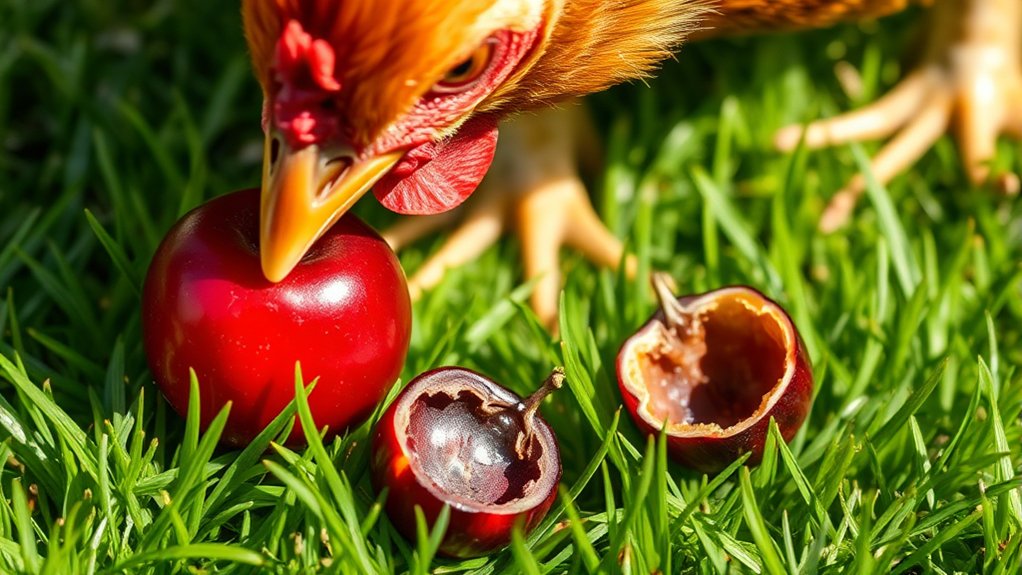
Cherry pits can be dangerous because they contain compounds that release cyanide if your chickens chew or crush them. Plus, they can be a choking hazard, especially for smaller birds. So, it’s always best to remove the pits before feeding cherries to your flock.
Cyanide Risk In Pits
Cherry pits can be dangerous because they contain compounds that release cyanide when crushed or chewed. This makes the hard seed inside the fruit unsafe to bite into.
If you let chickens reach pits, you increase the risk of cyanide toxicity, especially if they peck at cracked fruit or swallow pieces of the seed. You should remove all pits before offering cherries and treat the leftovers with careful pit disposal so birds can’t return to them later.
While one intact pit may pass without issue, you can’t count on that. Repeated exposure isn’t worth the risk. Keep your flock safe by serving only pitted cherries in small amounts, and monitor any bird that seems weak, sleepy, or off its feed after eating fruit.
Choking Hazard For Chickens
Even when a pit doesn’t contain enough cyanide to cause poisoning, it can still be a choking hazard for chickens. You should keep in mind that chickens peck quickly and often swallow food without much chewing, so a pit can lodge in the throat or block the crop.
Smaller birds face a greater risk because cherry size matters; a large pit can be harder for them to move through safely. You should also think about feeding frequency since repeated treats increase the chance that one bird grabs a pit before you notice.
If a chicken struggles, stretches its neck, or stops pecking, take it seriously. Cherries can be a tasty snack, but any hard pit creates an avoidable danger that can interrupt eating and breathing.
Pit Removal Before Feeding
Before you offer cherries to your flock, remove the pits every time because the pit is the part that creates the biggest risk. Cherry pits can choke your chickens, and if they crack, they may release compounds that you don’t want birds to ingest. Good pit preparation keeps treats safer and easier to eat.
Follow simple feeding guidelines so you don’t leave pits in the coop or scatter them where curious birds can find them.
- Pit-free fruit reduces choking risk
- Broken pits can cause toxic exposure
- Clean handling helps you stay organized
- Small portions support safer treats
Can Chickens Eat Cherry Stems and Leaves?
Yes, when it comes to cherry stems and leaves, you should be cautious around chickens. Cherry stems, leaves, and pits can contain compounds tied to cherry toxicity concerns, so you shouldn’t treat them as safe feed. If you’re offering fresh cherries, remove every stem and leaf first and follow basic plant safety guidelines.
A few accidental bits may not always cause obvious trouble, but you shouldn’t rely on chance. You should also avoid tossing pruned cherry branches into your flock’s run. Chickens peck at almost anything, and they can easily sample parts you didn’t mean for them to eat.
Keep fallen leaves cleaned up from the yard, especially after storms or trimming. If your birds do nibble a small amount, watch them for unusual droppings, lethargy, or reduced appetite. When in doubt, skip the stems and leaves entirely and stick to the fruit flesh instead.
How Many Cherries Should Chickens Eat?
How many cherries should chickens eat? You should treat cherries as a small treat, not a meal. A few cherries per bird is enough, and you should adjust cherry portioning to the size of your flock and their overall diet.
If you offer cherries too often, they can crowd out more nutritious feed, so keep feeding frequency low.
- Give 1 to 2 cherries per chicken at a time.
- Offer cherries only occasionally, not every day.
- Count cherries as part of the treat allowance.
- Watch how your flock responds and reduce portions if needed.
You’ll get the best balance when cherries stay under 10% of your chickens’ total treats. That keeps their diet steady while still letting them enjoy something sweet. Small, measured servings also make it easier to manage waste and prevent overindulgence.
How Do You Prepare Cherries for Chickens?
Before you give cherries to your chickens, make sure to wash them thoroughly. It’s important to remove the pits, too.
Then, cut the cherries into small pieces. This way, they’re easier for your chickens to eat and less likely to cause choking.
Doing this simple prep makes cherries a much safer treat for your flock.
Wash and Pit Cherries
A quick rinse is the first step: wash cherries well to remove dirt, residue, and debris, then take out the pits before offering them to chickens. Cherry washing helps you reduce surface contaminants, while cherry pitting protects your flock from choking hazards and digestive trouble.
Use cool water and inspect each cherry carefully so you don’t miss hidden grit or damaged fruit. Remove stems, leaves, and any soft spots before you feed them.
- Rinse under running water.
- Check for mold or bruises.
- Pit every cherry fully.
- Discard anything questionable.
With this simple prep, you can serve cherries safely and keep the treat clean, fresh, and poultry-friendly.
Serve in Small Pieces
After washing and pitting the cherries, cut them into small, bite-sized pieces before you feed them to your chickens. This cherry preparation helps prevent choking and makes the fruit easier to peck and digest. Follow feeding guidelines by offering cherries only as an occasional treat, not a meal replacement.
| Piece size | Benefit |
|---|---|
| Tiny cubes | Safer swallowing |
| Halves removed | Less choking risk |
| Mixed with feed | Easier sampling |
| One small bowl | Portion control |
| Fresh only | Better quality |
You can scatter the pieces in a clean coop run or place them in a shallow dish. Make sure to remove leftovers quickly so they don’t spoil. Keep portions modest, and watch how your flock responds.
If a chicken shows signs of distress, stop offering cherries and consult a vet.
Which Cherry Varieties Are Safest?
When you’re choosing cherries for chickens, sweet cherries are the safest option, especially in small amounts and without the pits, stems, or leaves. You can offer red, black, or yellow sweet cherries, since each fruit variety gives similar cherry nutrition and a mild flavor that most birds accept easily.
Tart cherries aren’t toxic, but they’re usually more acidic, so they’re less appealing for regular treats.
Pick ripe cherries with firm flesh and no mold. Wash them well to remove dirt and residue. Remove every pit before you serve them. Offer cherries as an occasional treat, not a staple.
You should skip any cherry product with added sugar, syrup, or artificial flavors. Fresh fruit gives you the cleanest choice, and smaller pieces help your flock eat comfortably. By sticking with sweet, plain cherries, you keep treat time simple and safer for your birds.
What Are the Signs of Too Many Cherries?
If you give your chickens too many cherries, you might start to see some digestive issues, like loose droppings or a gassy crop. It’s a good idea to keep an eye on their droppings too—any unusual color or texture could mean something’s not quite right. And if your chickens seem a bit sluggish or stop eating as much, that’s a clear sign to cut back on the cherries right away.
Digestive Upset Signs
Too many cherries can upset your chicken’s stomach, and the first signs usually show up in its droppings and behavior. You may notice a sudden drop in appetite, more standing around, or a bird that seems less enthusiastic to peck.
Protect digestive health by keeping treats limited and balanced within the chicken diet. Watch for these warning signs:
- Mild lethargy after eating
- Gurgling or sour-smelling crop sounds
- A hunched posture
- Less interest in feed or water
If you see these changes, stop offering cherries and return to regular feed. Fresh water helps your bird recover, and a plain diet gives the gut time to settle.
If symptoms linger or worsen, contact a poultry-savvy vet for advice.
Droppings Changes
Loose, watery, or unusually frequent droppings can be one of the first signs that your chicken has had too many cherries. You may notice a shift in droppings color, with the manure looking darker than usual or showing red-tinged streaks from the fruit.
Watch the droppings consistency too; it often becomes softer, runnier, or less formed after your bird eats too many cherries. These changes usually point to extra sugar and moisture moving through the digestive tract too quickly.
If you spot this, cut back on cherries and offer plain water plus a balanced feed. Keep an eye on the flock for a day or two, and if the droppings stay abnormal, reassess the treats you’re giving.
Lethargy And Loss Of Appetite
Beyond droppings changes, too many cherries can also show up in your bird’s behavior. You might notice your chicken standing still, fluffed up, or skipping feed after eating excess fruit. Lethargy and a poor appetite can signal digestive upset, and in rare cases, cherry toxicity from pits, stems, or leaves. Watch for:
- Less interest in scratch or treats
- Slow movement and drooping posture
- Refusing normal feed or water
- Quiet behavior instead of alert pecking
If these signs appear, remove cherries immediately and check your flock closely. Protecting chicken health means acting early, especially when fruit intake seems off. If your bird stays dull, won’t eat, or worsens, contact a veterinarian for guidance.
What Are Safer Fruit Treats for Chickens?
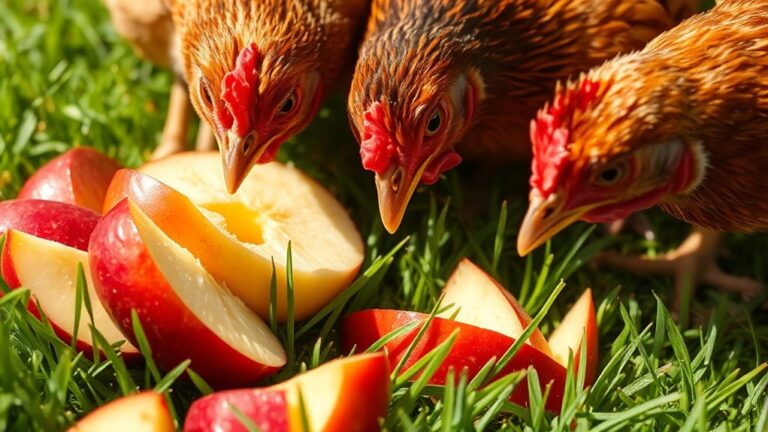
If you want to treat your chickens to fruit more safely, stick with options like blueberries, strawberries, apples, pears, and watermelon. These fruit alternatives give you simple, cheerful healthy snacks that many hens enjoy without the worry of pits or tough stems.
Offer small pieces so your flock can peck easily and stay interested.
| Fruit | Benefit | Mood |
|---|---|---|
| Blueberries | Easy to eat | Happy pecking |
| Strawberries | Soft and sweet | Curious hens |
| Watermelon | Hydrating treat | Cool relief |
You can also try sliced apples or pears, but remove seeds first. Keep portions modest and mix fruit with their regular feed so you don’t crowd out balanced nutrition.
When you choose safer treats, you help your chickens feel content, engaged, and cared for. A little variety goes a long way, and your flock will notice the difference quickly.
How Often Can Chickens Have Cherries?
Cherries can be an occasional treat for your chickens, not a daily snack. You should keep cherry frequency low so your flock stays balanced and interested in their regular feed. A small serving once or twice a week is usually enough, and you’ll want to pair that with treat moderation to avoid upsetting digestion or crowding out nutrients.
- Offer only a few pitted cherries at a time.
- Remove stems and leaves before feeding.
- Watch for loose droppings or reduced appetite.
- Adjust portions if your birds already get other treats.
If you overdo it, your chickens may fill up on fruit sugar instead of eating their complete ration. Use cherries as a reward, a training aid, or a warm-weather refreshment, not a staple. When you stay consistent and cautious, you can share cherries safely while supporting healthy eating habits in your backyard flock.
Frequently Asked Questions
Can Baby Chicks Eat Cherries?
Yes, you can offer baby chicks cherries in tiny amounts, but only after removing pits, stems, and leaves. You should focus on baby chick nutrition first, since chicks need a balanced starter feed for growth.
Cherries bring some cherry health benefits, like vitamins and hydration, but they can’t replace proper feed. You’ll want to treat cherries as an occasional snack, not a regular part of their diet.
Do Frozen Cherries Work for Chickens?
Yes, you can offer frozen cherries to chickens as a cool treat, and they’ll usually enjoy them. The frozen cherries benefits include extra hydration and a revitalizing snack in hot weather.
You should remove pits and stems first, then serve only small amounts. Follow basic feeding guidelines by treating cherries as an occasional supplement, not a main food.
Too much fruit can upset digestion, so keep portions modest and balanced.
Can Chickens Eat Dried Cherries?
Yes, you can feed chickens dried cherries in small amounts. Dried cherry benefits include a sweet treat and a bit of quick energy, but you should choose unsweetened, unsulfured pieces.
Watch for potential health risks like extra sugar, preservatives, or pits if they’re present. You’ll want to offer them only as an occasional snack, not a staple.
Too many can upset your flock’s digestion and balance.
Will Cherries Change Egg Taste?
No, cherries usually won’t noticeably change egg flavor. You can feed them as an occasional treat, and your hens’ eggs should still taste like eggs.
Diet can affect flavor a little, but cherries rarely cause a big difference unless you overfeed them or your birds eat lots of strongly flavored foods. Keep treats balanced, and you’ll support healthy dietary effects without altering the eggs much.
Can Chickens Eat Cherry Sauce?
Yes, you can give chickens cherry sauce, but treat it like a rare treat, not a staple. You’ll want to avoid sauces with added sugar, artificial sweeteners, or xylitol since they can harm birds.
Cherry sauce benefits are limited, while cherry sauce risks can include stomach upset and extra sugar. Think of it as a glossy drizzle of trouble if you overdo it.
Offer only a tiny amount occasionally.
Conclusion
So, yes, you can share cherries with your chickens, but you’ve gotta do it carefully. Pick ripe, pitted fruit, and keep stems and leaves out of reach to protect your flock.
Offer cherries sparingly as a sweet, seasonal snack, not a daily dish. When you choose clean, safe treats and watch for warning signs, you’ll keep your chickens happy, healthy, and pecking with pleasure.
Remember, feeding cherries the right way is key to keeping your chickens safe and satisfied.