7 Types of Hens You Should Know With Pictures
Choosing the right hens for your backyard flock can feel overwhelming. You want birds that fit your space, climate, and egg needs, but with so many options, it’s hard to know where to start. You’re not alone—many people struggle to find hens that are reliable, friendly, and suited to their lifestyle.
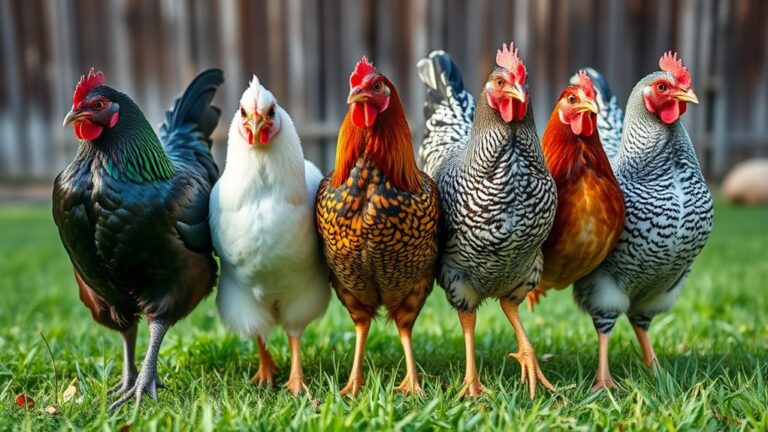
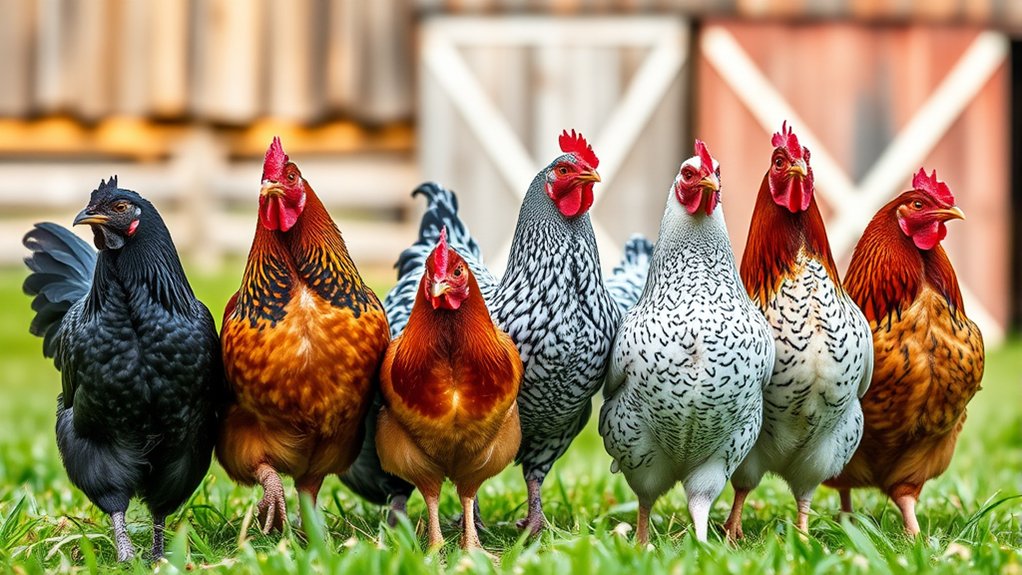
You’ll find seven key hen types perfect for your backyard flock. Reliable layers like Rhode Island Reds deliver consistent eggs, while dual-purpose breeds such as Plymouth Rocks provide meat and eggs. Friendly hens like Silkies thrive with families, and quiet breeds suit urban yards.
Hardy breeds handle cold climates, and colorful show hens add flair. Rare breeds offer unique looks to impress your visitors. Keep exploring to uncover which hens best fit your needs and style.
Key Takeaways
- Common egg-laying hens like Rhode Island Reds and Leghorns are reliable producers. They need balanced diets and good coop conditions to stay healthy.
- Dual-purpose breeds such as Plymouth Rock provide steady egg production and flavorful meat. They’re great for efficient backyard management.
- Friendly and calm breeds like Silkies and Buff Orpingtons suit family and urban yards. Their gentle temperaments and low noise make them easy to keep around.
- Hardy hens like Orpingtons thrive in cold climates. They maintain egg production with dense feathers and strong weather resilience.
- Show and exotic breeds, including Polish and Ayam Cemani, offer unique plumage and striking appearances. These are perfect for poultry enthusiasts.
Common Egg-Laying Hen Breeds for Backyard Eggs
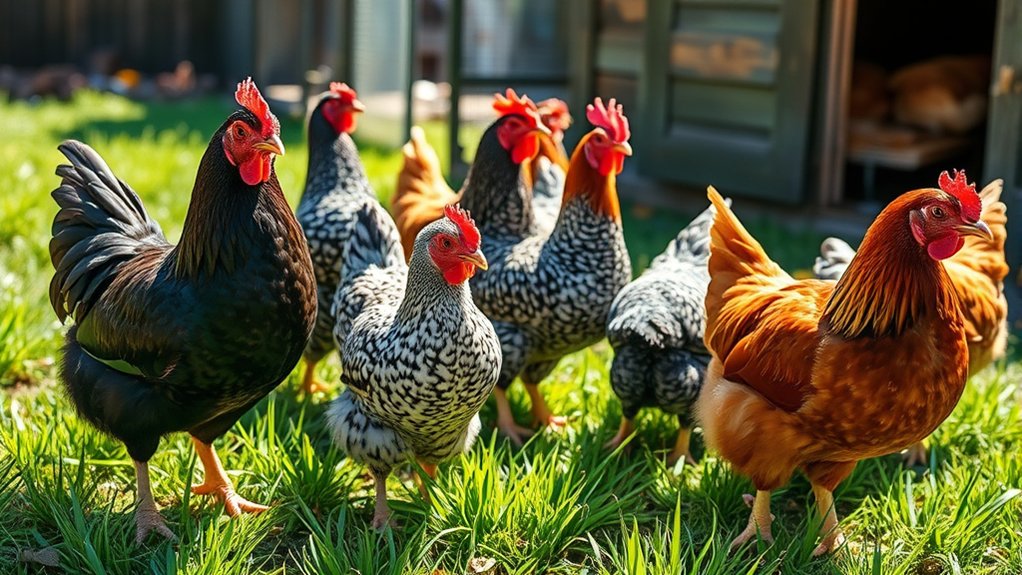
If you want fresh eggs at home, choosing the right hen breed is key. Common egg-laying breeds like Rhode Island Reds, Leghorns, and Australorps are favorites for backyard flocks because they’re reliable layers.
To maximize your hens’ productivity, follow egg production tips such as providing a balanced diet and consistent lighting. Proper hen housing essentials also matter; guarantee their coop is well-ventilated, predator-proof, and spacious enough to reduce stress, which can affect egg output.
Nesting boxes should be clean and comfortable to encourage regular laying. Remember, hens need around 14-16 hours of light daily, so supplement natural light if needed.
Dual-Purpose Hen Breeds for Meat and Eggs
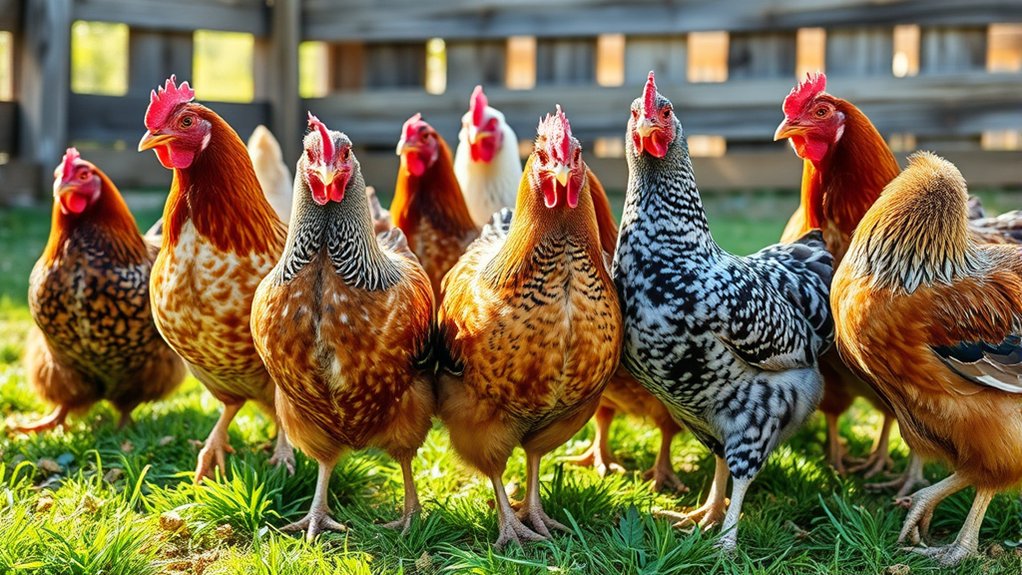
You’ll find that dual-purpose hen breeds offer the best of both worlds—they provide quality meat and steady egg production. These hens are pretty popular because they save space and resources while meeting your needs. So, let’s take a look at some top dual-purpose breeds and why they’re a smart choice for your flock.
Popular Dual-Purpose Breeds
Several popular dual-purpose hen breeds offer both quality meat and a steady supply of eggs, making them ideal for backyard flocks. The Rhode Island Red, known for its hardiness and rich brown egg production, is a favorite among many. You’ll appreciate its calm temperament and excellent feed conversion.
Another great option is the Plymouth Rock, which balances good egg production with a robust build suitable for meat. Its friendly nature makes it easy to handle. The Sussex breed stands out with its striking plumage and consistent egg-laying ability, providing you with large, light-brown eggs.
When selecting dual-purpose breeds, consider their breed characteristics like growth rate, egg size, and adaptability to your environment. This way, you can guarantee they meet your needs for both meat and eggs efficiently.
Benefits of Dual-Purpose Hens
Choosing dual-purpose hens brings you the advantage of getting both quality meat and a reliable supply of eggs from the same flock. These hens excel in egg production while providing nutritious meat, making them a practical choice for small farms and backyard flocks. You’ll also find managing their poultry nutrition simpler since their diet supports both growth and consistent laying.
Here’s why dual-purpose hens stand out:
- They reduce the need for separate broiler and layer flocks.
- Their balanced poultry nutrition optimizes health and productivity.
- You get a steady supply of fresh eggs alongside flavorful meat.
Friendly Hen Breeds Perfect for Families
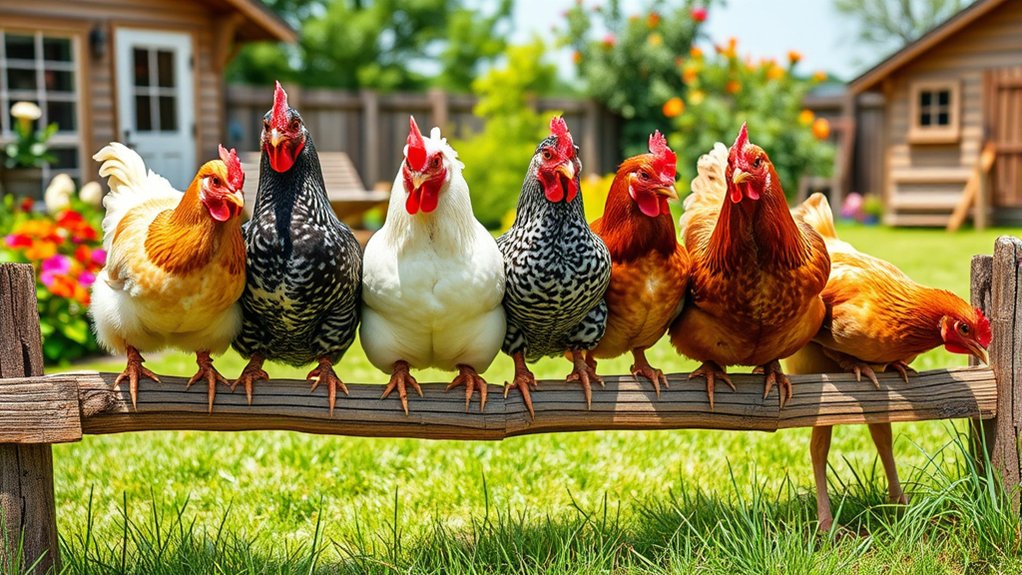
Finding the right friendly hen breeds can make all the difference if you want a family pet that’s gentle and easy to handle. Breeds like Silkies, Buff Orpingtons, and Plymouth Rocks are known for their calm nature and sociability, making them perfect for children and beginners.
Choosing gentle breeds like Silkies, Buff Orpingtons, and Plymouth Rocks ensures a friendly, easy-to-handle family pet.
When raising these hens, friendly flock management is key. Spend time interacting with them daily to build trust and reduce stress. This approach helps your hens stay approachable and happy.
Equally important are hen nutrition tips tailored for friendly breeds. Providing a balanced diet with quality layer feed, fresh greens, and occasional treats keeps your hens healthy and vibrant.
Proper nutrition supports their temperament and egg production, making your family’s experience even more rewarding. By combining the right breeds with attentive care and nutrition, you’ll create a warm, engaging environment where your friendly flock thrives and your family enjoys their company every day.
Quiet, Calm Hen Breeds for Small or Urban Yards
If you’re keeping hens in a small or urban yard, choosing quiet and calm breeds makes all the difference. You’ll want hens that are known for their gentle temperament and low noise levels to keep your neighbors happy. So, let’s take a look at some of the best breeds suited for peaceful, city-friendly flocks.
Best Quiet Hen Breeds
Quiet hen breeds can make a huge difference if you’re raising chickens in a small or urban yard. These calm hens reduce noise, making your chicken-keeping experience more enjoyable and neighbor-friendly.
Choosing the right breed also simplifies hen grooming and egg collection tips since quieter birds tend to be less stressed and easier to handle. Here are three of the best quiet hen breeds to think about:
- Silkies: Known for their gentle nature and fluffy feathers, they’re perfect for small spaces.
- Orpingtons: Calm and friendly, they lay well and adapt to urban environments.
- Cochins: Large with soft feathers, they are docile and peaceful.
Pick any of these breeds, and you’ll find hen grooming easier and egg collection less stressful in your cozy yard.
Ideal Urban-Friendly Hens
Three hen breeds stand out as perfect choices for small or urban yards where calm and quiet behavior matters most. When you pick these hens, you’ll notice minimal disruptive rooster behaviors, which helps maintain peace in close neighborhoods.
These hens tend to have gentle nesting habits, often preferring secure, low-key spots that won’t draw unwanted attention or noise. You’ll appreciate how they adapt well to limited outdoor space without becoming stressed or overly noisy.
Their steady temperament means you won’t deal with excessive crowing or aggressive pecking, making them ideal for urban settings. By choosing these breeds, you balance productivity with neighborhood harmony, ensuring your small yard stays serene while still enjoying fresh eggs and pleasant poultry company.
Calm Temperament Characteristics
When you choose hens with calm temperaments, you’ll enjoy a peaceful environment even in tight urban spaces. These breeds display gentle personality traits that make them perfect for small or city yards.
Their peaceful nature means less noise and less stress for you and your neighbors. You’ll find these hens easy to handle and great companions for beginner keepers.
Look for breeds known for their calm dispositions, such as:
- Silkies, with their soft feathers and quiet behavior
- Orpingtons, gentle giants who rarely fuss
- Cochins, known for their docile and friendly nature
Selecting hens with these traits helps maintain tranquility, making your backyard a relaxing retreat without the usual clamor of more vocal breeds.
Hardy Hen Breeds for Cold and Harsh Climates
Several hardy hen breeds thrive in cold and harsh climates, making them ideal if you live in a region with tough winters. These hens have dense feathering and feather color variations that help insulate them against the cold.
Breeds like the Plymouth Rock and Orpington are known for their resilience and can handle snow and freezing temperatures without issue. When choosing hardy hens, don’t overlook their egg production rates. Many of these tough breeds still lay consistently even during winter months, providing you with a reliable egg supply year-round.
You’ll find that hardy hens often balance durability with productivity, so you won’t have to sacrifice egg output for cold tolerance. Plus, their calm demeanor makes them easier to manage in challenging weather.
If you want a flock that can withstand harsh conditions while maintaining good egg production and showcasing subtle feather color variations, these hardy breeds will serve you well.
Colorful Show Hen Breeds That Stand Out
If you want hens that turn heads with their vibrant plumage, colorful show breeds are the way to go. These hens are bred specifically for their eye-catching feathers and show-winning traits. They’re perfect if you’re aiming to impress at poultry exhibitions or simply brighten your backyard. Their striking colors and patterns add a splash of beauty that’s hard to miss.
Here are three colorful show hen breeds to contemplate:
- Sebright: Known for its laced feathers and compact size, the Sebright boasts vibrant plumage that stands out in any show ring.
- Polish: Famous for its dramatic crest, the Polish hen’s unique look and colorful feathers make it a show favorite.
- Silver Laced Wyandotte: This breed’s silver-laced feathers shimmer brilliantly, highlighting its show-winning traits.
Choosing any of these will guarantee your flock turns heads with vivid colors and distinctive appearances.
Rare and Exotic Hen Breeds to Impress
While colorful show hens grab attention with their striking feathers, rare and exotic breeds take uniqueness to a whole new level. You’ll find these hens fascinating because of their unique feather patterns and rare color mutations that you won’t see in common breeds.
They often become the highlight of any flock, impressing visitors and fellow poultry enthusiasts alike. If you want to add a touch of rarity to your collection, consider these extraordinary breeds.
| Breed | Unique Feature | Origin |
|---|---|---|
| Ayam Cemani | All-black feathers & skin | Indonesia |
| Sultan | Frilly crest & beard | Turkey |
| Sebright | Laced feather pattern | United Kingdom |
| Sumatra | Iridescent black plumage | Indonesia |
These breeds give you a chance to showcase rare color mutations and patterns that are sure to wow anyone who sees them.
Frequently Asked Questions
How Do I Care for Hens During Molting Season?
During molting season, you should focus on feather maintenance by providing a calm environment and avoiding stress. Offer a molting diet rich in protein and vitamins to support new feather growth.
Make sure your hens have plenty of fresh water and access to warm shelter. Avoid handling them too much since their feathers are sensitive.
What Are the Common Health Issues in Hens?
You’ll often face common ailments like mites, lice, and respiratory infections when managing hen health. Watch for symptoms such as lethargy, sneezing, or unusual droppings.
Coccidiosis and egg binding are also frequent issues. You should keep their living area clean and provide balanced nutrition to prevent problems.
Regularly check your hens for signs of illness, and don’t hesitate to consult a vet if you notice anything unusual.
How Much Space Does Each Hen Need to Roam?
You should provide at least 8 to 10 square feet of roaming space per hen to guarantee healthy free range benefits. This amount of space lets your hens forage naturally, reducing stress and boosting egg quality.
Adequate roaming space requirements promote exercise and natural behaviors, which keeps your flock happier and healthier. Remember, cramped conditions can lead to health problems, so giving each hen enough room is key to their well-being.
What Do Hens Eat Besides Standard Feed?
Besides standard feed, your hens enjoy natural foraging, which lets them peck at grass, insects, and seeds. This not only provides variety but also essential nutrients.
You can boost their diet with supplementary treats like kitchen scraps, mealworms, or cracked corn. Just make sure treats don’t exceed 10% of their daily intake to keep their nutrition balanced and avoid digestive problems.
Giving them these options keeps your hens healthy and happy.
How Long Do Hens Typically Live?
Wondering how long hens typically live? Most hens live around 5 to 10 years, depending on their breed and care. You’ll notice their egg production starts to decline after a couple of years, but good breeding habits can extend their productive life.
If you provide proper nutrition and a safe environment, your hens can stay healthy longer. So, how long you keep them often depends on their egg-laying performance and overall health.
Conclusion
Now that you’ve navigated the notable nuances of these hens, you’re ready to welcome wonderful, warm, and playful wings into your world. Whether you crave calm companions, colorful characters, or cold-climate champions, these feathered friends fit your fancy.
Adopt the excitement of eggs, enjoy endless entertainment, and enrich your everyday with exceptional, enchanting hens. Your backyard bliss begins by bringing home birds that brighten both your space and spirit.
Start your journey today and discover how these types of hens can transform your home into a lively, joyful haven.