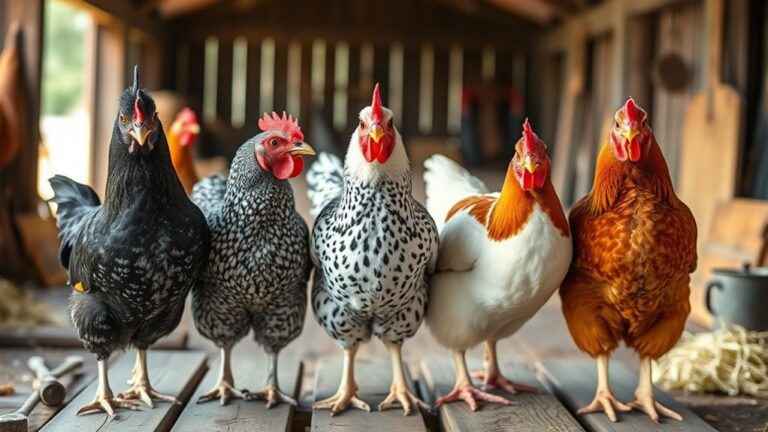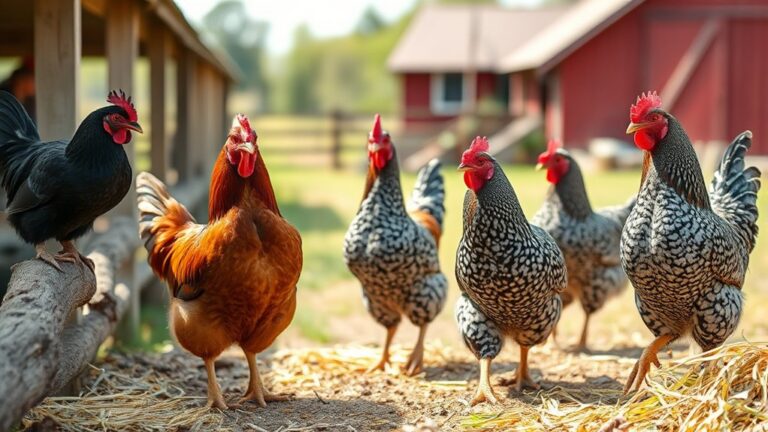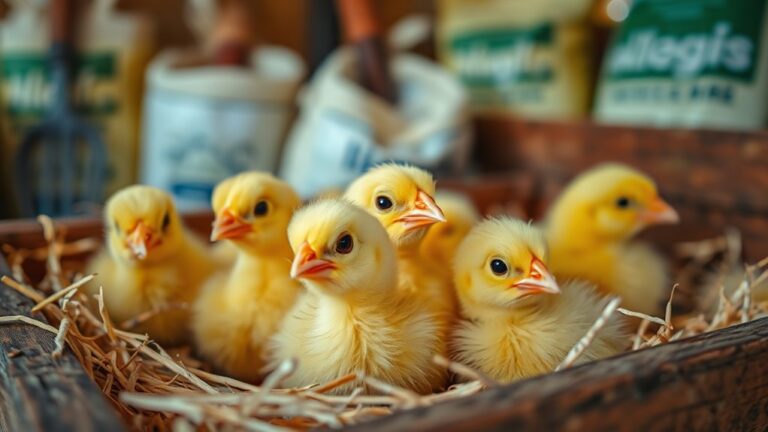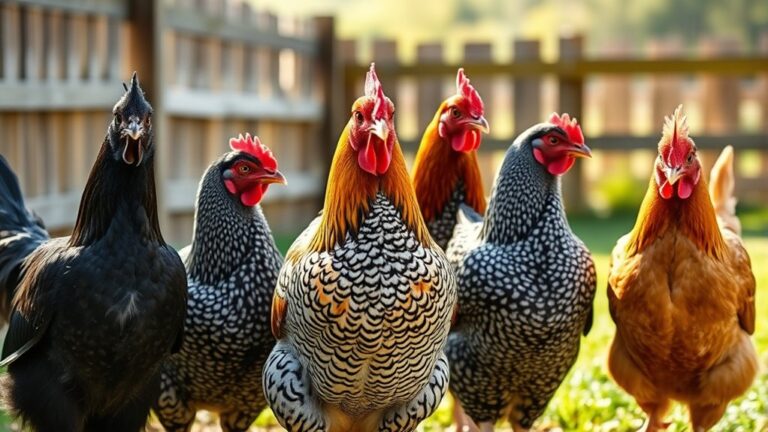
3 Popular Chicken Breeds With Pictures
Finding the perfect chicken breed for your backyard flock can feel overwhelming. You want chickens that meet your needs—whether that’s steady egg production, friendly pets, or delicious meat—but with so many options, it’s easy to get stuck. You’re not alone; many people struggle to choose the right breed that fits their lifestyle and goals.
If you want reliable egg layers, Rhode Island Reds are hard to beat. They’re hardy and great foragers.
For a calm, fluffy pet, Silkies have soft, unique feathers but need shelter in wet weather.
Cornish Cross chickens grow fast and are perfect for meat with tender, flavorful results.
Each breed suits different needs, from eggs to companionship to meat. Keep exploring to uncover more tips and care tricks for these popular breeds.
Key Takeaways
- Rhode Island Red chickens are hardy, reliable egg layers producing large brown eggs. They thrive in various environments.
- Silkie chickens have distinctive fluffy, soft feathers and a gentle temperament. This makes them ideal companion pets.
- Cornish Cross chickens grow rapidly, reaching market weight in 6-8 weeks. They are prized for tender, flavorful meat.
- Each breed serves a unique purpose: Rhode Island Reds for eggs, Silkies for pets, and Cornish Cross for meat production.
- Proper care includes balanced diets, free-ranging for activity, and sheltering Silkies during wet weather to maintain health.
Rhode Island Red Chicken: Reliable Egg Layer and Hardy Forager
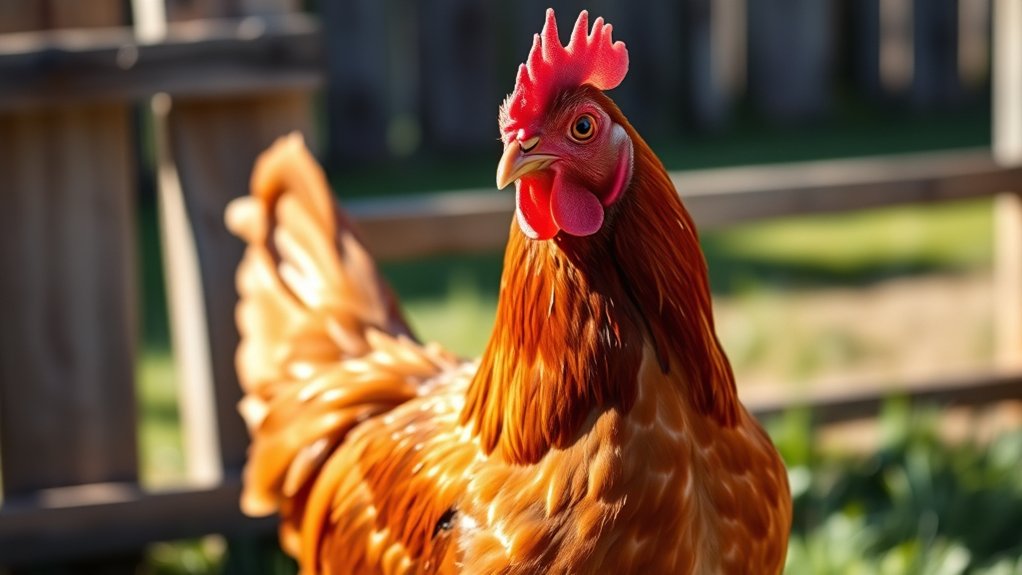
What makes the Rhode Island Red chicken a favorite among backyard poultry keepers? It’s their impressive egg-laying ability combined with hardy foraging behavior. You’ll find these chickens produce large brown eggs consistently, making them reliable layers.
To maximize their output, focus on providing a balanced diet rich in protein and calcium. Egg production tips like these can boost both quantity and quality.
Their foraging behavior means they naturally search for insects and greens, reducing feed costs while keeping them active and healthy. You’ll notice they adapt well to different environments, which makes them low-maintenance.
Encourage free-ranging when possible, as it satisfies their instinct to forage and improves their overall well-being.
Silkie Chickens: Friendly Pets With Fluffy, Unique Feathers
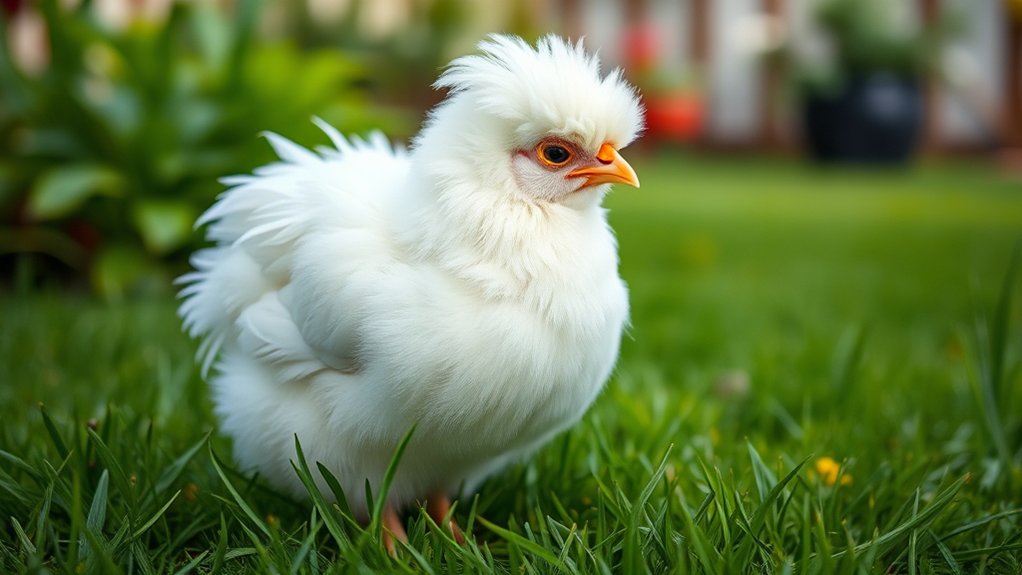
While Rhode Island Reds impress with their hardiness and egg production, Silkie chickens capture hearts with their gentle nature and distinctive fluffy feathers. Originating from China, this breed’s unique feather texture resembles soft silk or fur rather than typical feathers, giving them a striking, fluffy appearance.
Silkie chickens charm with their gentle nature and soft, fluffy feathers, unlike any other breed.
When you handle a Silkie, you’ll notice how their feathers feel almost like down, which makes them stand out among other chickens.
Silkies aren’t just about looks; they’re incredibly friendly and calm, making them perfect pets if you want a chicken that’s easy to socialize with. Their breed origin also ties into their calm temperament, as they were bred for companionship.
Keep in mind, their feather texture requires extra care since it doesn’t repel water well, so you’ll need to provide shelter during wet weather. If you’re after a charming, unique chicken with a soft touch and sweet personality, Silkies are an excellent choice.
Cornish Cross: Meat Chickens That Grow Fast and Taste Great
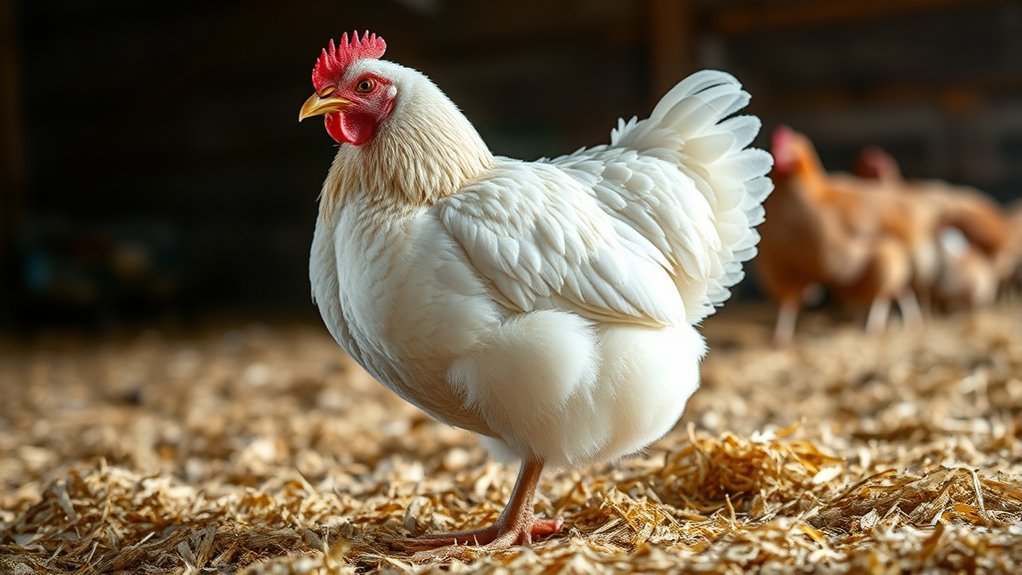
The Cornish Cross grows rapidly, making it the go-to choice if you want meat chickens that reach market weight quickly. Known for exceptional broiler growth, this breed is specifically bred for efficient meat production. You’ll appreciate how fast they convert feed into quality meat, saving you time and resources.
Here’s why Cornish Cross stands out:
- Reaches market weight in just 6-8 weeks
- High feed-to-meat conversion ratio
- Tender, flavorful meat with a good texture
- Adaptable to various farming setups
If you’re raising chickens primarily for meat, the Cornish Cross delivers consistent results with minimal effort. Their rapid growth means you can plan your meat production cycles precisely, and their hearty build ensures you get plenty of meat per bird. Just keep an eye on their diet and environment to support healthy broiler growth and maximize your yield.
Frequently Asked Questions
How Do I Build a Chicken Coop for Different Breeds?
To build a chicken coop for different breeds, you’ll want to take into account space needs, as larger breeds need more room. Design separate areas to manage rooster behavior and reduce conflicts.
Make sure there is good ventilation and secure nesting boxes to support egg production rates. Provide sturdy perches and easy access for cleaning.
Tailor the coop size and layout to accommodate breed-specific traits, keeping all your chickens comfortable and productive.
What Are the Best Feed Types for Each Chicken Breed?
Feed your chickens like a melody, matching their breed’s beat. Layers thrive on calcium-rich feed and consistent feeding schedules to keep eggs strong.
Broilers need protein-packed meals for quick growth, while heritage breeds benefit from balanced grains and nutritional supplements to stay hardy.
Don’t forget to adjust portions and add vitamins based on activity and age. By tuning their diet perfectly, you’ll see healthier, happier birds every day.
How Can I Prevent Common Chicken Diseases?
To prevent common chicken diseases, you should stick to a strict chicken vaccination schedule and keep their living area clean.
Regular parasite control is essential, so check your flock often for mites, lice, and worms, then treat them promptly.
Provide fresh water and balanced feed to boost their immunity. Quarantine new birds before introducing them to your flock to avoid spreading illnesses.
Staying proactive helps keep your chickens healthy and thriving.
What Is the Average Lifespan of These Chicken Breeds?
You can expect most popular chicken breeds to live around 5 to 10 years. For example, hens with vibrant feather coloration like the Rhode Island Red often lay about 250 eggs annually during their prime.
Keep in mind, egg production usually declines as they age. Taking care of their diet and environment helps extend their lifespan and maintains their beautiful feathers, so you get both pretty birds and steady egg output.
How Do I Introduce New Chickens to an Existing Flock?
You should introduce new chickens slowly to avoid stress and aggression. Start by keeping them separated but within sight so they get used to each other.
Maintain consistent feeding schedules for both groups to reduce competition. Make sure your coop cleanliness is excellent to prevent disease when mixing flocks.
After about a week, supervise their first face-to-face meeting. Watch closely for any bullying and separate if needed until they settle in peacefully.
Conclusion
If you’re thinking about raising chickens, these three breeds offer something special. Did you know Rhode Island Reds can lay up to 300 eggs a year? That’s a lot of fresh eggs!
Silkies make great, friendly pets with their unique fluffy feathers. Cornish Cross chickens grow fast, giving you tasty meat in no time.
Whichever you choose, you’ll enjoy the benefits of these popular, versatile chicken breeds in your backyard.