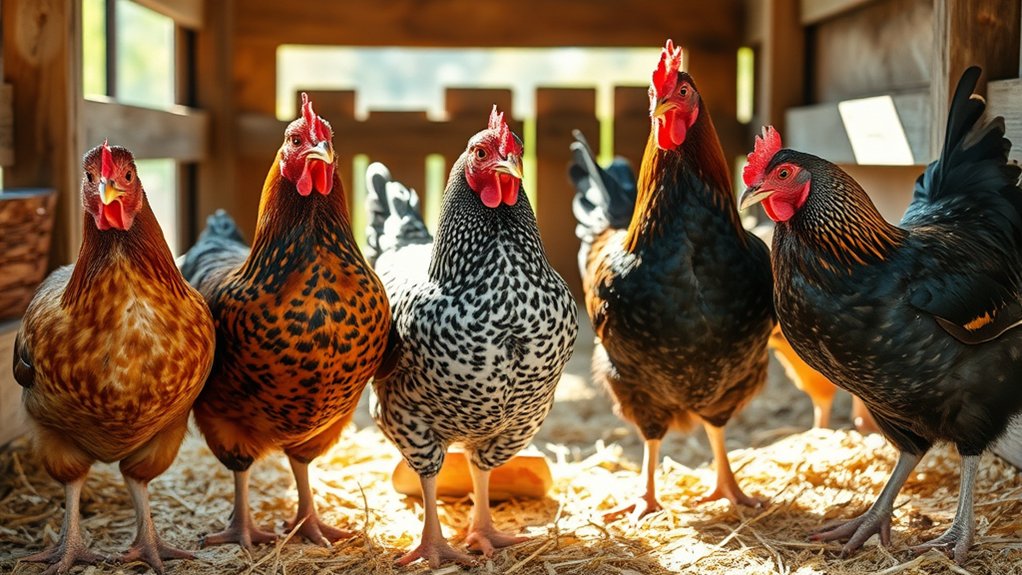
Top 5 Breeds of Egg Laying Hens for Your Coop
Finding the perfect breed of egg-laying hens for your coop can feel overwhelming. You want hens that lay consistently, fit your lifestyle, and thrive in your environment. You’re not alone—many people struggle to choose the right breeds that balance temperament, egg production, and hardiness.
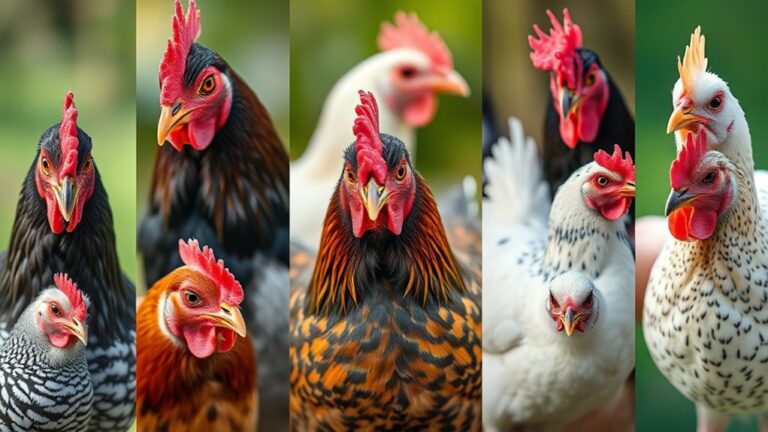
If you want hens that thrive in your coop and lay consistently, consider Rhode Island Reds for reliable brown eggs and calm temperament, or Leghorns if you’re after high white egg production and don’t mind their flighty nature. Plymouth Rocks offer hardiness and dual-purpose use, while Sussex hens are friendly and great for family flocks. Choosing the right breed means matching their needs with your setup. Keep going, and you’ll find the perfect flock fit for your lifestyle and coop.
Key Takeaways
- Rhode Island Reds are hardy, calm, and lay 250-300 brown eggs annually. They’re suitable for beginners and can handle varied environments.
- Leghorns are high-production layers, exceeding 280 white eggs yearly. They need secure housing and experienced care to thrive.
- Plymouth Rocks provide around 200 large brown eggs each year. They have a calm temperament and are great for both eggs and meat.
- Sussex hens are friendly and consistent layers of large light brown eggs. They do best in spacious, predator-protected housing.
- Choose breeds based on productivity, temperament, diet, housing needs, and climate adaptability. This helps you get the best egg yield for your coop.
Key Factors to Choose the Best Egg-Laying Hens
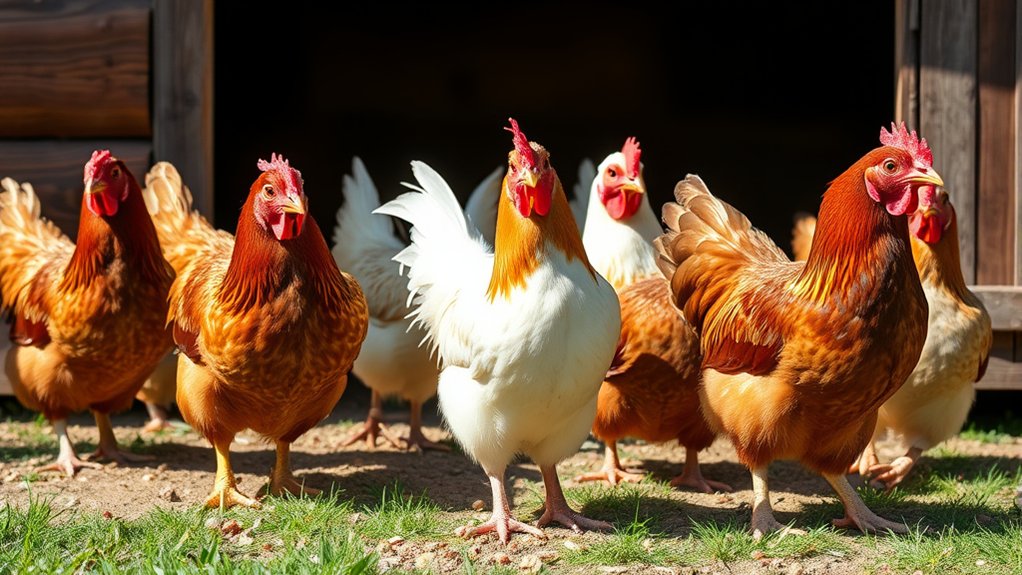
When choosing the best egg-laying hens, you’ll want to take into account factors like their breed’s productivity, temperament, and adaptability to your environment. You’ll also need to consider their diet requirements. Some breeds need more protein or specific nutrients to maintain steady egg production. Ensuring they get a balanced diet tailored to their needs will keep them healthy and laying consistently.
Housing needs are just as crucial. Different breeds thrive in various coop sizes and climates, so you’ll want hens that adapt well to your local conditions. Proper ventilation, space, and protection from predators are essential regardless of breed. But some hens prefer more room or specific shelter types. Matching your housing setup with the hens’ preferences reduces stress and improves egg yield.
Rhode Island Reds: Reliable Egg-Laying Hens With Great Temperament
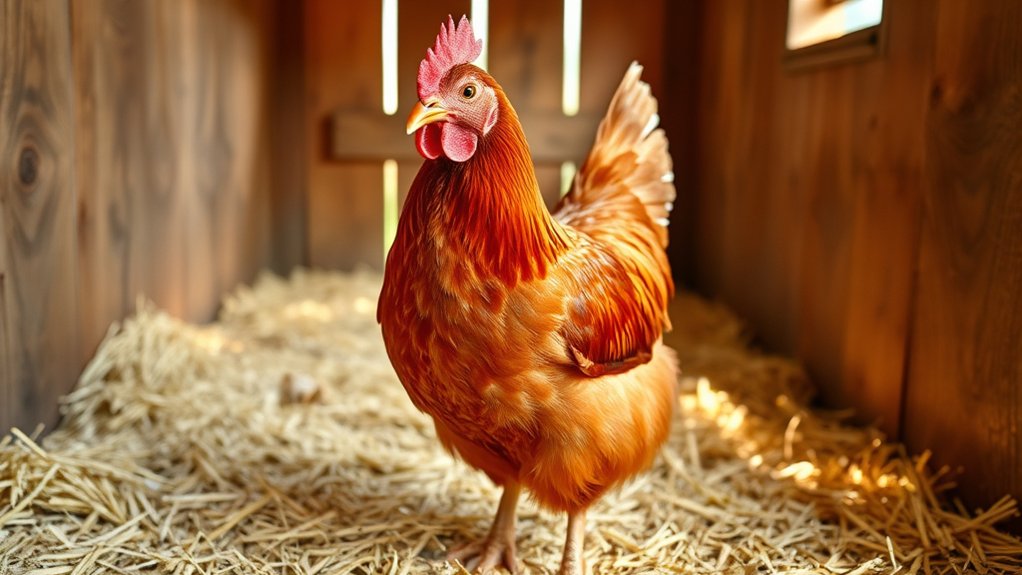
Although many breeds offer steady egg production, Rhode Island Reds stand out for their reliable laying and friendly nature. If you want hens that consistently deliver brown eggs, these birds are a solid choice. Their egg production consistency means you won’t be left scrambling for breakfast. They typically lay around 250-300 eggs per year, maintaining steady output even in less-than-ideal conditions.
When it comes to temperament and behavior, Rhode Island Reds are calm and easy to handle, making them perfect for both beginners and experienced keepers. They adapt well to various environments and usually get along with other chickens, reducing flock stress. Their hardy nature also means they require less fuss, letting you enjoy fresh eggs without constant worry. All in all, if you’re after dependable egg layers with a pleasant demeanor, Rhode Island Reds fit the bill perfectly.
Leghorns: Egg-Laying Machines for Seasoned Keepers
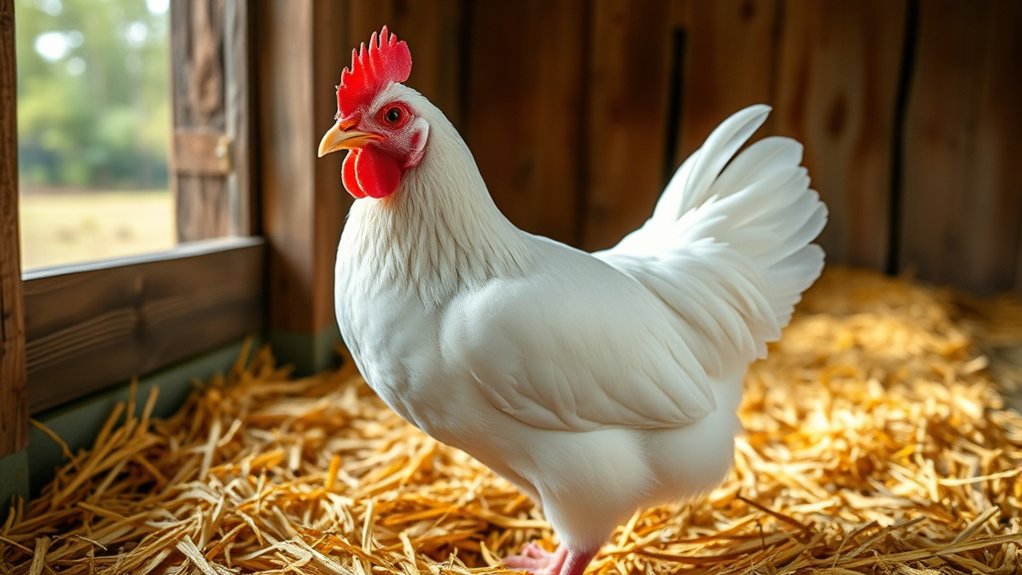
If you’re ready to handle a more demanding breed, Leghorns deliver exceptional egg production that seasoned keepers appreciate. Their genetics and breeding selection have been finely tuned over centuries to maximize egg output, making them true egg-laying machines. You’ll notice Leghorns consistently produce large white eggs, often exceeding 280 eggs per year under ideal conditions.
However, you should be aware of seasonal egg production variability. Leghorns tend to slow down during shorter daylight months, so managing lighting in your coop can help maintain steady laying. Their active and flighty nature means they require secure housing and a bit more attention than calmer breeds.
If you’re focused on high egg yield and don’t mind their spirited temperament, Leghorns are an excellent choice. Just be prepared to manage their environmental needs carefully to keep their productivity at its peak throughout the year.
Plymouth Rocks: Hardy Egg-Laying Hens With Balanced Personality
Leghorns offer impressive egg production but can be a bit high-strung for some keepers. If you want a more balanced option, Plymouth Rocks are a solid choice.
Thanks to selective breeding genetics, these hens combine hardiness with steady egg production cycles, making them reliable layers throughout the year. They typically produce around 200 large brown eggs annually, striking a good balance between quantity and consistency.
Selective breeding ensures these hens are hardy, consistent layers, producing about 200 large brown eggs yearly.
You’ll appreciate their calm temperament, which makes handling and coop management easier, especially if you’re new to raising chickens. Plymouth Rocks adapt well to various climates, further showcasing their robustness.
Their dual-purpose nature means you get both dependable egg layers and birds sturdy enough for meat if needed. When managing your flock, you can count on their predictable laying patterns without the need for intensive care.
Sussex: Friendly Egg-Laying Hens for Family Coops
When you’re looking for hens that bring both friendliness and reliable egg production to your family coop, Sussex chickens fit the bill perfectly. These birds are known for their calm temperament, making them great for families with kids. Sussex hens lay consistently, giving you a steady supply of large, light brown eggs.
When setting up your coop, consider these points for Sussex chickens:
- Provide spacious housing options to keep them comfortable and active.
- Ensure robust predator protection, as their friendly nature makes them curious and less wary.
- Sussex hens adapt well to free-range or confined environments.
- Regular nesting boxes encourage steady egg laying.
- Easy to handle, ideal for beginners and seasoned keepers alike.
Frequently Asked Questions
How Often Do Hens Need to Be Fed for Optimal Egg Production?
You should feed your hens twice a day to meet their nutritional needs and support ideal egg production. A consistent feeding schedule helps keep their energy levels steady and encourages regular laying.
Provide a balanced diet with plenty of protein, calcium, and vitamins. Don’t forget to offer fresh water alongside their feed.
Sticking to this routine ensures your hens stay healthy, happy, and productive throughout their laying cycle.
What Is the Average Lifespan of an Egg-Laying Hen?
The average lifespan of an egg-laying hen is like a candle burning steadily for 5 to 8 years. If you provide proper hen nutrition and maintain their egg production cycles, you can help them stay healthy and productive longer.
Feeding them a balanced diet rich in protein and calcium supports their shells and overall importance. Remember, consistent care guarantees your hens won’t just lay eggs, they’ll thrive throughout their years.
How Do I Prevent Hens From Pecking Each Other?
To prevent hens from pecking each other, focus on feather pecking prevention by providing enough space and distractions like toys or treats. Make certain your nest box comfort is excellent, clean, cozy, and roomy to reduce stress.
Stress often triggers pecking, so keep their environment calm and consistent. Also, ensure they have a balanced diet and fresh water. Watching for early signs helps you act before pecking becomes a problem.
Can Hens Lay Eggs Year-Round Without a Rooster?
Yes, hens can lay eggs year-round without a rooster’s presence because roosters aren’t needed for hens to produce eggs. However, seasonal effects like shorter daylight hours in winter can reduce their laying frequency.
To keep eggs coming consistently, you might want to provide supplemental light during darker months. Just remember, eggs won’t be fertilized without a rooster, but you’ll still get plenty of fresh eggs for eating.
What Are Signs of a Healthy Egg-Laying Hen?
You’ll notice hen health when your hen’s feathers shine and her eyes sparkle. Coincidentally, these signs often mean better egg quality too.
A healthy hen stays active, eats well, and lays consistently. If her comb is bright red and her posture is upright, she’s likely in great shape.
When you spot these signs, you know your hen is thriving and producing eggs you can count on for freshness and nutrition.
Conclusion
Choosing the right egg-laying hens is like planting seeds for a bountiful harvest. You want breeds that fit your coop’s rhythm and your lifestyle.
Whether you pick the dependable Rhode Island Reds, the tireless Leghorns, the hardy Plymouth Rocks, or the friendly Sussex, each will fill your mornings with golden treasures.
With the right hens, your coop won’t just be a place for eggs but a lively symphony of clucks and warmth. Choosing the best egg-laying hens ensures your coop is both productive and full of life.