7 Best Meat Chicken Breeds for Your Flock
Finding the perfect meat chicken breed for your flock can feel overwhelming. You want birds that grow quickly, taste great, and thrive in your environment.
If you’ve struggled to choose or worried about wasting time and resources, you’re not alone—many people face the same challenge when starting or expanding their flock.
The 7 best meat chicken breeds for your flock depend on your goals, but Cornish Cross is the fastest grower for quick table birds.
Jersey Giants bring big harvests, while Freedom Rangers do well on pasture.
Bresse offers standout flavor, and Wyandottes give you hardy, dual-purpose birds.
Orpingtons are calm, cold-tolerant, and reliable.
Pick the breed that fits your space, feed plan, and timeline, and you’ll see which one suits you best as you go.
Key Takeaways
- Cornish Cross grows fastest and is usually ready for processing in 6 to 8 weeks.
- Jersey Giants offer very large carcasses, but they grow slower and need more space.
- Freedom Rangers do well on pasture, with strong legs, active foraging, and lower feed costs.
- Bresse and Wyandottes provide flavorful meat, with Wyandottes also giving reliable eggs.
- Orpingtons are calm, cold-hardy, and useful for small flocks needing dependable meat production.
Fastest-Growing Meat Chicken Breeds
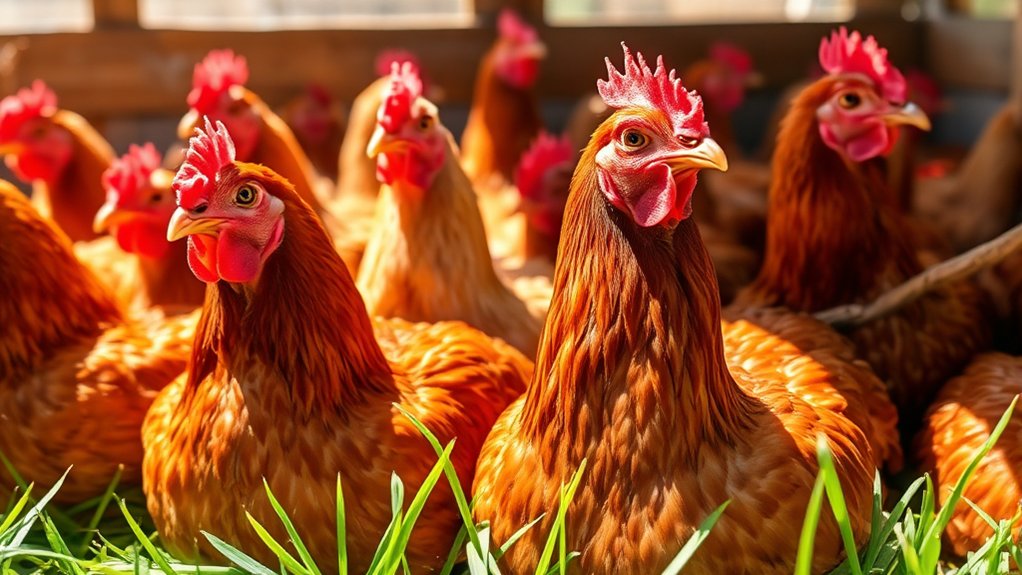
When you want the fastest-growing meat chicken breeds, Cornish Cross is usually the first name that comes up. You can raise this bird for quick turnaround since it reaches processing size far sooner than most others. If you need efficient feed conversion and a dependable meaty yield, it’s hard to beat.
You’ll also find that some growers compare it with heritage breeds, which usually grow more slowly but often offer better foraging instincts and sturdier overall traits.
If your goal is to put wholesome food on the table quickly, these birds can deliver strong nutritional benefits through high-quality protein and satisfying portions. You should still plan for proper housing, fresh water, and balanced feed because fast growth demands close care.
When you choose the right breed for your space, schedule, and appetite, you’ll make your flock work harder for you.
Cornish Cross: The Classic Meat Chicken

The Cornish Cross really stands out because it grows super fast from a young age. That’s why it’s a top pick for meat production. Plus, these birds are great at turning their feed into body weight quickly, which means excellent feed conversion efficiency.
Just keep in mind, timing is everything. You’ll want to process them at the right age to get the best results. So, plan ahead and you’ll be set!
Rapid Growth Rate
If you want the fastest route to a meaty harvest, Cornish Cross stands out as the classic choice. You’ll notice how quickly these birds fill out because their genetics push strong muscle development from the start.
With the right care, they can reach butcher size in just a few short weeks, far sooner than many other meat breeds. Environmental influences also matter: steady warmth, clean bedding, fresh water, and enough space help them grow smoothly.
You’ll want to watch their movement and health closely, since rapid gains can strain their legs if conditions slip. Even so, their pace makes planning easier and gives you a predictable timeline for processing. When speed matters most, this breed delivers impressive results with very little waiting.
Feed Conversion Efficiency
Feed conversion is where Cornish Cross really earns its reputation because these birds turn feed into body weight with remarkable efficiency. You’ll notice they eat more steadily than slower-growing breeds, and every mouthful can support fast muscle gain when you manage feed quality closely.
Choose a complete starter or grower ration with the right nutrition balance, and you’ll help your flock use feed well without wasting money. Fresh water also supports digestion, so keep it available at all times.
Because these birds convert feed so efficiently, small changes in ration quality can make a noticeable difference in growth. If you want dependable meat production, this breed can help you maximize returns from every bag of feed while keeping management simple and practical.
Processing Age Timing
Because Cornish Cross birds grow so fast, timing their processing age matters just as much as feed efficiency. You’ll usually hit the sweet spot at 6 to 8 weeks, when breasts fill out and leg meat stays tender. Wait too long, and you’ll see heavier frames, more feed costs, and tougher texture.
| Age | What to Expect |
|---|---|
| 6 weeks | Small but efficient |
| 7 weeks | Balanced size and tenderness |
| 8 weeks | Heavier carcass, still manageable |
| 9+ weeks | More weight, less finesse |
Choose your processing methods before harvest day so you can work cleanly and quickly. Check body weight, feathering, and mobility to confirm ideal timing. If you want the best table bird, don’t guess. Watch the flock closely and plan ahead.
Jersey Giant: Big Birds for Bigger Harvests

Jersey Giants live up to their name, giving you one of the largest meat chicken breeds you can raise. If you want heavy carcasses and a calm flock, you’ll appreciate their steady growth and impressive frame. Choose strong breeding techniques to keep size, bone structure, and vigor consistent across generations.
Give them ideal housing with plenty of floor space, sturdy roosts, and good ventilation. Cramped quarters can stress these birds and slow development.
You’ll need patience because Jersey Giants mature more slowly than faster-growing meat birds. Still, their extra weight can reward you with a substantial harvest.
Feed them a balanced ration, keep water clean, and monitor leg health as they grow. Because they’re so large, handle them carefully and plan processing equipment that fits their size.
If you want a breed that turns feed into big results, Jersey Giants can anchor a productive meat flock.
Freedom Ranger: A Better Pasture Bird
Freedom Rangers are a strong choice if you want a meat bird that handles pasture well and still grows to a solid market weight. You’ll notice they’re more active than many heavy broilers, so they fit a rotational setup nicely.
With good pasture management, you can move them often, protect forage, and keep ground conditions cleaner. That mobility also supports stronger legs and better overall health, which can reduce problems you might see in less mobile birds.
You’ll still get dependable growth, but you won’t need to push them as hard as fast-growing strains. They’ll spend more time foraging, pecking, and exploring, which can lower feed costs a bit while improving the health benefits of a more natural system.
If you want a bird that performs well outdoors and suits a small farm or homestead, Freedom Rangers give you a practical balance of hardiness, meat yield, and ease of care.
Bresse: Best for Flavor and Texture
If you’re looking less for pasture toughness and more for a premium eating experience, Bresse stands out as one of the best meat chicken breeds for flavor and texture. You’ll notice Bresse characteristics right away: delicate skin, fine-grained meat, and a rich, buttery taste that chefs prize.
When you raise them well, they develop a tender bite and a clean finish that feels noticeably different from ordinary broilers. Good Bresse breeding matters because strong genetics help preserve the breed’s famous balance of muscle and marbling.
You’ll want to give them steady nutrition, room to move, and careful handling so they mature with quality in mind. They’re not the fastest choice, but their payoff shows on the plate.
If you value a refined roast chicken with impressive depth, Bresse can reward your flock with exceptional eating.
Wyandotte: A Hardy Dual-Purpose Meat Bird
Wyandottes grow at a steady pace and reach a solid market size without much trouble. Plus, you’ll get flavorful, well-marbled meat, which makes them a practical choice for the table. And since they lay well too, you can raise them for both eggs and meat.
Growth Rate And Size
Although Wyandottes aren’t the fastest-growing meat birds, they develop into solid, well-built chickens with respectable size and good body mass for a dual-purpose breed. You’ll usually notice steady gains rather than rapid bulk, so patience pays off.
In most flocks, hens mature around 6 to 7 pounds, while roosters can reach 8 to 9 pounds, depending on breeding practices and feed quality. That makes them a practical choice if you want moderate meat yield without chasing extreme growth.
In a size comparison with faster broiler breeds, Wyandottes look smaller, but they stay compact and sturdy. You can raise them confidently for both eggs and meat, and their balanced frame helps you get dependable results from a versatile backyard flock.
Meat Quality Benefits
When you raise Wyandottes for the table, you’ll usually get meat with a firm texture and a balanced flavor that many backyard keepers appreciate. You’ll notice their meat often delivers consistent taste profiles, with a richness that works well for roasting, frying, or slow cooking.
Because the bird develops steadily, you can expect meat that feels satisfying without becoming overly soft. Wyandotte meat also offers solid nutritional value, giving you a dependable source of protein for home meals.
If you care about a chicken that rewards careful raising with dependable eating quality, this breed fits well. You won’t get gourmet novelty, but you will get wholesome meat that holds up on the plate and satisfies your family’s appetite.
Dual-Purpose Advantages
Beyond their meat quality, Wyandottes give you real dual-purpose value because you can raise them for both dependable eggs and a solid table bird. You’ll appreciate their calm nature, winter hardiness, and steady production. These traits simplify daily flock management and make them a smart fit for small farms.
Careful breeding strategies help you keep birds that stay productive and grow well for processing.
| Trait | Benefit |
|---|---|
| Eggs | Reliable year-round supply |
| Body size | Good meat yield |
| Temperament | Easy handling |
| Hardiness | Better cold-weather survival |
| Purpose | Dual-use efficiency |
With Wyandottes, you don’t need separate breeds for eggs and meat. That saves space, reduces feed waste, and keeps your flock more versatile.
Orpington: Gentle, Hardy Meat Chickens
Orpingtons are a great choice if you want a meat chicken that’s calm, easy to handle, and still productive. You’ll appreciate their broad bodies, steady growth, and thick feathering, which help them cope with chilly weather and simple farm life.
When you choose Orpingtons, you’re selecting birds that fit well into small flocks and don’t stress easily. To get the best results, focus on smart breeding techniques and match their nutritional needs with balanced feed, fresh water, and room to roam.
You’ll enjoy quieter mornings with birds that don’t panic. You can raise them with less hassle. You’ll feel confident handling sturdy, trusting chickens.
You’ll value their reliable meat yield. You can build a flock that feels peaceful and rewarding.
Frequently Asked Questions
How Much Space Do Meat Chickens Need per Bird?
You should give meat chickens at least 1.5 to 2 square feet each indoors and 4 to 8 square feet each outdoors, depending on breed and weather.
In your brooder setup, keep chicks warm, dry, and uncrowded, with enough room to move away from the heat. Good space requirements help birds grow faster, stay healthier, and reduce pecking.
If you can, always provide more room than the minimum.
What Bedding Is Best for a Meat Chicken Coop?
You’ll do best with pine shavings in your meat chicken coop; they’re absorbent, easy to replace, and keep odors down. If you’ve ever noticed a damp floor turning into a smelly mess fast, that’s no coincidence. Good bedding prevents it.
Straw can work, but it mats quicker. Pick loose, dry bedding, then stay on top of coop maintenance so your flock stays cleaner, healthier, and more comfortable every day.
How Often Should Meat Chickens Be Fed?
You should feed meat chickens at all times, since they grow fast and need constant access to food. Keep fresh feed in front of them daily, and check that your feeding schedules match their age and size.
Use a complete broiler ration that meets their nutritional requirements, and refill feeders before they’re empty. You’ll support steady growth, better health, and efficient weight gain when you keep feed available every day.
Can Meat Chickens Be Raised With Laying Hens?
Yes, you can raise meat chickens with laying hens, but you’ll need to manage the flock like a crowded market square. Your birds may mingle well, yet meat chicken compatibility depends on space, feed, and temperament.
Watch flock dynamics closely, because heavy broilers can bully or outcompete layers at the feeder. You’ll also want separate diets, since each group needs different nutrition to stay healthy and productive.
What Vaccines Do Meat Chickens Typically Need?
Meat chickens typically need Marek’s, Newcastle, bronchitis, and coccidiosis vaccines, depending on your area and hatchery practices. You’ll follow a vaccine schedule your veterinarian or hatchery recommends because local disease prevention risks vary.
If you buy vaccinated chicks, you may skip some shots, but you should still monitor flock health closely. Clean water, dry bedding, and good biosecurity help protect your birds and keep them growing well.
Conclusion
Choosing the right meat chicken breed can make all the difference in your flock. Whether you want the speed of Cornish Cross, the size of Jersey Giants, or the rich flavor of Bresse, there’s a bird that fits your goals.
You’ll want to match breed to space, climate, and feed, so your chickens thrive. In the end, the best meat chicken breed isn’t just a bird; it’s the foundation of your table, your work, and your reward.