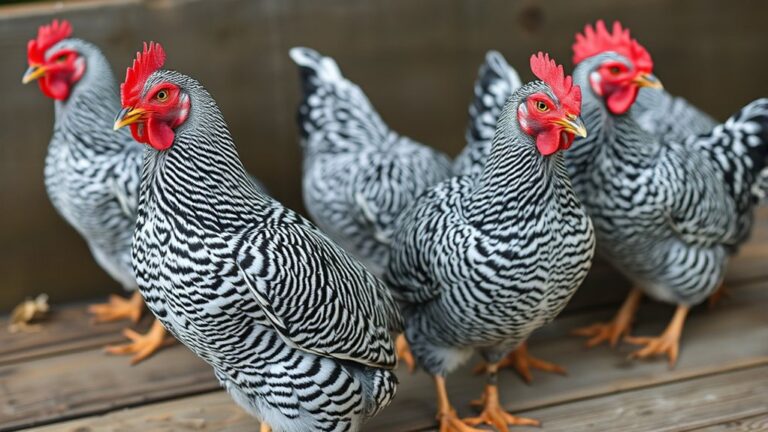
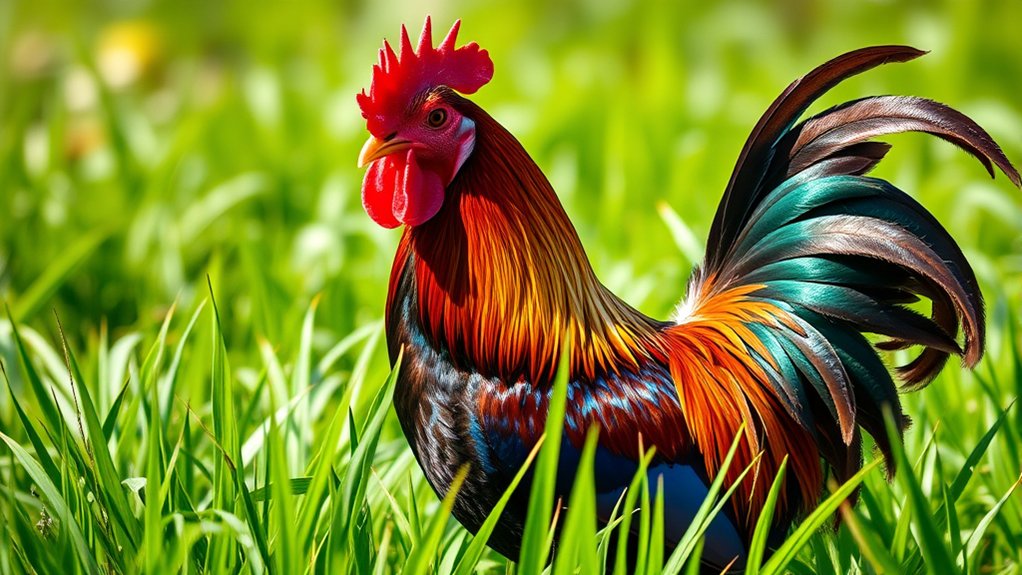
What Are Male Chickens Called
Trying to figure out what to call male chickens can be confusing, especially if you’re new to raising poultry or just curious. You’re not alone—many people struggle with the different names and what they mean. Understanding these terms is key if you want to connect with the animals, care for them properly, or just sound like you know your stuff.
You call male chickens cockerels when they’re young, usually under a year old, and roosters or cocks once they mature. These terms help you understand their age, behavior, and role in the flock.
Roosters have larger combs, loud crowing, and protective instincts. They play key roles in flock dynamics, breeding, and even cultural traditions. If you keep exploring, you’ll uncover how these names connect to history, care, and their unique place on farms.
Key Takeaways
- Male chickens under one year old are called cockerels, which shows they are young and not fully mature yet.
- Mature male chickens are called roosters or cocks. The word “cock” is more regional or formal, while “rooster” is common in American English.
- So, “cockerel” means a young male, and “rooster” or “cock” means an adult male chicken.
- Using the right term helps clarify a male chicken’s age, role, and behavior in the flock.
- Interestingly, “cock” comes from Old English, while “rooster” became the preferred term in the U.S.
Male Chickens: Names and Why They Matter
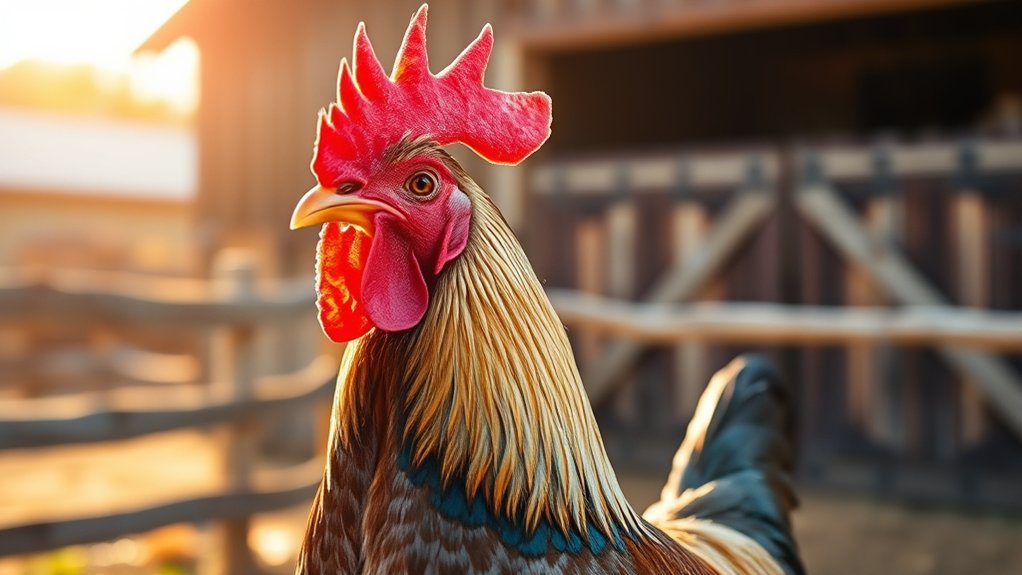
Why do the names of male chickens matter? When you know the right terms, you can better understand their behavior and characteristics. For example, male chicken vocalizations differ widely, from the classic crow to softer clucks, signaling different moods or intentions.
Recognizing these sounds helps you respond appropriately, whether you’re raising chickens or just observing them. Names also relate to physical traits like chicken feather patterns. Some male chickens display vibrant, iridescent feathers that signal maturity and dominance.
Calling them by their proper names acknowledges these differences and helps you communicate clearly about their roles in the flock. Using precise names prevents confusion, especially if you’re managing multiple birds.
In short, knowing male chicken names sharpens your awareness of their unique vocal expressions and feather patterns, making your interactions more informed and respectful. It’s not just about labels—it’s about understanding the animals themselves.
Roosters, Cocks, and Cockerels: Key Differences
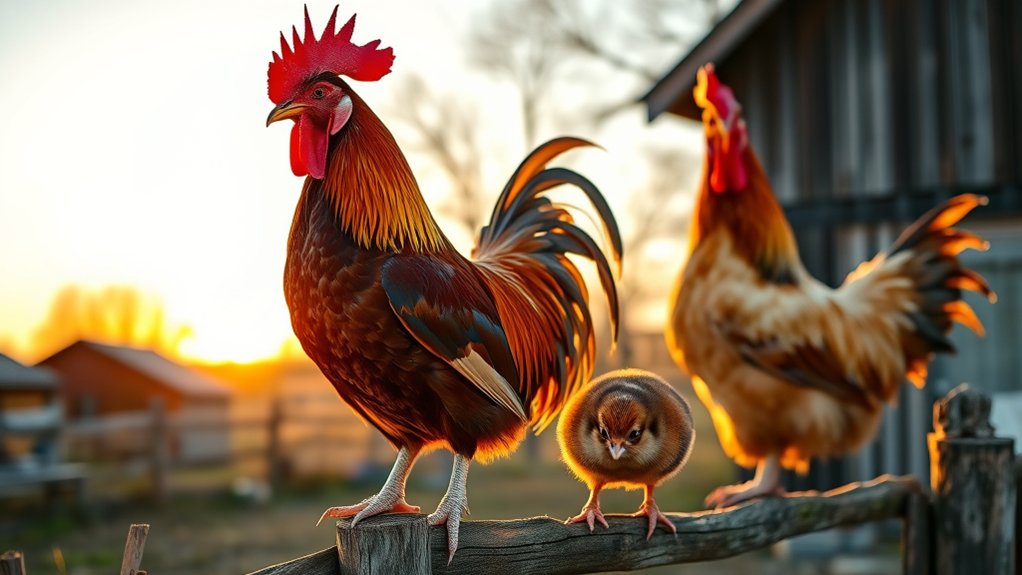
You’ll notice that roosters have distinct traits that really set them apart from other male chickens. The term “cock” is often used interchangeably with rooster, but it can vary depending on where you are. And then, cockerels are just younger males. Knowing these differences makes it easier to tell them apart.
Rooster Characteristics Explained
Although many people use the terms rooster, cock, and cockerel interchangeably, each word actually refers to a specific stage or role of a male chicken. A cockerel is a young male, usually under a year old, still growing into its adult features.
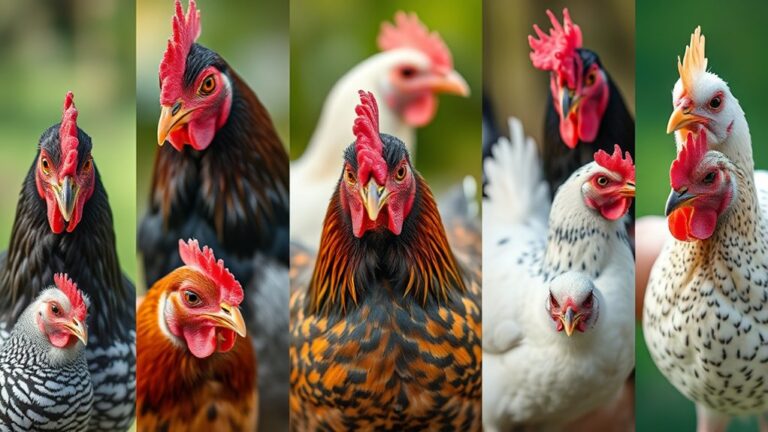
Once mature, it’s called a rooster or cock, with “cock” often used more formally or regionally. Roosters are distinguished by their vibrant feather coloration, which plays a key role in breeding practices. Their bright plumage helps attract hens and signals health and vigor.
You’ll also notice roosters have larger combs and wattles compared to cockerels. Understanding these characteristics helps you identify their age and role in a flock, especially if you’re managing breeding or evaluating behavior.
Cock Usage Variations
When you hear the terms rooster, cock, and cockerel, it’s important to know they don’t mean exactly the same thing. Each term highlights specific traits, especially in breeding behavior and vocalization patterns.
A rooster is an adult male chicken known for dominant breeding roles and loud crowing. Cock is often used interchangeably with rooster but can mean any male chicken in British English. Cockerel refers to a young male before full maturity, showing less developed breeding behavior and softer vocalizations.
| Term | Key Difference |
|---|---|
| Rooster | Mature, dominant breeder |
| Cock | Adult male (British usage) |
| Cockerel | Young male, less vocal |
Understanding these distinctions helps you better identify and describe male chickens.
Cockerel Age Differences
Since age plays a crucial role in defining male chickens, understanding the differences between cockerels, roosters, and cocks becomes easier when you focus on their developmental stages. A cockerel is a young male chicken, usually under one year old, that hasn’t fully matured.
You’ll notice that cockerels display less vivid feather coloration patterns compared to roosters, which helps you identify their youth. As they grow, their feathers become more vibrant, signaling the shift into a rooster.
Roosters are mature males responsible for protecting the flock and influencing egg laying habits by their presence and crowing. When a rooster ages beyond prime breeding years, you call it a cock. Recognizing these age-based differences helps you better understand male chicken behavior and their role in the flock.
How to Identify Male Chickens by Look and Behavior
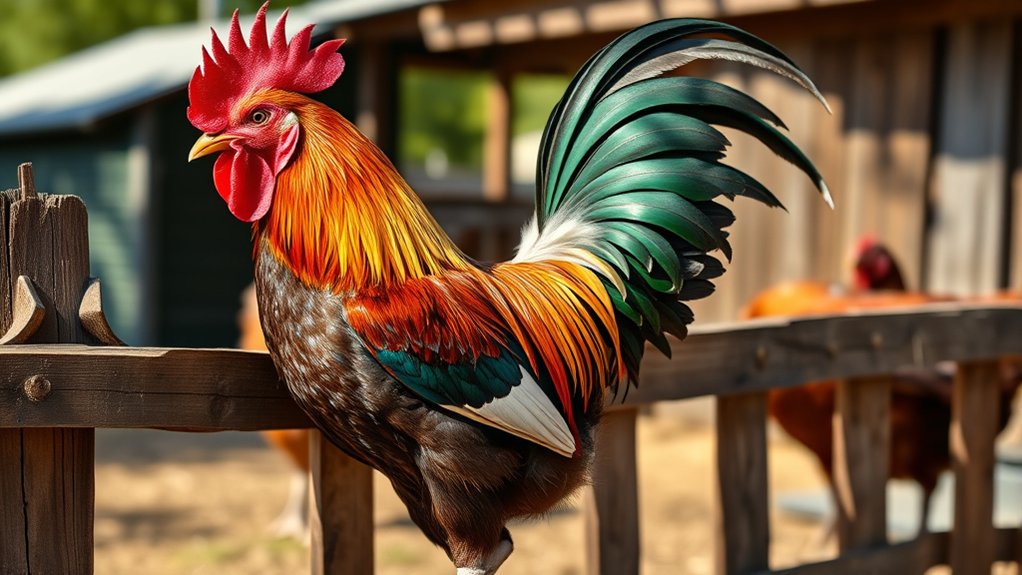
You can spot male chickens by their distinct physical traits, like larger combs and more vibrant feathers. They really stand out compared to the hens.
And if you watch their behavior, you’ll notice they often crow and show more dominant actions. It’s pretty interesting to see how they act differently.
Physical Characteristics
Although male chickens, or roosters, share many features with hens, you can spot them by their distinct physical traits and behaviors. Look for larger combs and wattles. These fleshy red parts are more pronounced in males.
Roosters also have longer, pointed saddle and hackle feathers, which often shine with vibrant colors due to genetic traits. Their legs tend to be thicker and sometimes sport spurs, which hens usually lack.
In decorative breeds, these characteristics can be even more exaggerated, making males stand out with flamboyant plumage and striking colors. By focusing on these physical signs, you can confidently identify male chickens without confusing them for hens.
Behavioral Traits
When observing chickens, you’ll notice that male behaviors often stand out more than physical traits alone. Males tend to be more assertive and vocal, which helps in gender selection during breeding practices. You’ll see them crowing loudly, displaying dominance, and protecting the flock.
| Behavior | Description |
|---|---|
| Crowing | Loud calls to mark territory |
| Aggression | Dominates other chickens |
| Strutting | Shows off feathers and posture |
| Mating Dance | Courtship display to attract hens |
| Protectiveness | Guards hens from threats |
Recognizing these behavioral traits helps you identify male chickens effectively, especially when combined with physical characteristics. These behaviors play a key role in selective breeding practices.
Roles of Male Chickens on the Farm
Because male chickens play crucial roles on the farm, understanding their contributions helps you manage your flock more effectively. Unlike hens, male chickens don’t participate in egg laying behavior, but they’re essential for fertilizing eggs if you want chicks. Their presence also influences the hens’ behavior, keeping the group cohesive and alert.
You’ll notice male chickens display distinct flight tendencies, often perching higher for safety and overseeing the flock. This natural instinct helps protect the hens from predators. Roosters also establish a social hierarchy, reducing fights within the group by maintaining order. Their crowing signals territory and alerts you to potential threats.
Caring for Male Chickens: Tips and Best Practices
To keep your male chickens healthy and thriving, you’ll need to provide proper nutrition, clean living conditions, and regular health checks. Start by mastering gender identification so you can manage your flock effectively.
Male chickens, or roosters, have distinct behaviors and needs, especially regarding breeding considerations. Monitor their interactions closely to prevent aggression and ensure a balanced ratio of males to females.
Here’s a quick guide to caring for your roosters:
| Aspect | Tip | Reason |
|---|---|---|
| Nutrition | Provide protein-rich feed | Supports muscle and feather health |
| Housing | Keep coop clean and spacious | Prevents disease and stress |
| Health Checks | Inspect regularly for parasites | Early detection of issues |
Male Chickens in Cooking and Recipes
When you cook with roosters, you’ll notice their meat has a richer, firmer texture compared to hens. It’s pretty noticeable once you start working with it. You can use them in slow-cooked dishes — that really brings out those deep, savory flavors. Knowing these differences makes it easier to pick the best recipes that highlight their unique taste.
Cooking With Roosters
Although roosters are less common in kitchens than hens, they offer unique flavors and textures that can elevate your cooking. Beyond being decorative poultry with historical symbolism in many cultures, roosters provide a distinct culinary experience.
When cooking with roosters, keep these tips in mind:
- Choose older roosters for richer meat but longer cooking times.
- Use slow-cooking methods like braising or stewing to tenderize tough fibers.
- Marinate the meat to amplify moisture and flavor before cooking.
- Incorporate rooster meat in traditional dishes where its robust texture shines.
Flavor Profiles and Uses
Since male chickens tend to have firmer meat and a stronger flavor than hens, you’ll want to select cooking methods that highlight these qualities. Roosters, influenced by their mating behaviors and vibrant feather coloration, often develop muscle that’s denser and more robust in taste.
Slow-cooking techniques like braising or stewing break down this toughness, making the meat tender while preserving its rich flavor. You can also use rooster meat in hearty soups or spicy dishes where bold flavors complement its intensity.
Keep in mind, the meat’s distinctive taste reflects the bird’s active lifestyle and natural role in the flock. By choosing recipes that *welcome* these characteristics, you’ll turn male chicken meat into a delicious and satisfying meal.
The History Behind Male Chicken Names
Understanding the history behind male chicken names can give you insight into how language and culture have shaped the way we identify these birds. Over centuries, terms like “rooster” and “cock” evolved alongside developments in chicken breeding and poultry genetics.
Here’s how these names came about:
- Ancient Origins: The word “cock” dates back to Old English. It reflects the bird’s prominent role in rural life.
- Regional Variations: Different English-speaking regions prefer “rooster,” especially in America. This shows cultural shifts.
- Poultry Genetics Influence: As chicken breeding advanced, distinct male traits were recognized. This reinforced specific naming.
- Functional Naming: Names often highlight the male chicken’s role in mating and protection. Chicken breeders emphasized this in selection.
Myths and Stories About Roosters
When you hear a rooster crow at dawn, you might not realize how deeply these birds are woven into myths and stories around the world. Roosters often symbolize vigilance and protection in ancient legends, believed to ward off evil spirits with their morning calls.
You’ll find breeding myths that suggest a rooster’s crow can influence the health and strength of a flock, highlighting their perceived power beyond just reproduction. In some cultures, roosters appear in creation stories, representing the start of a new day or the triumph of light over darkness.
These stories have shaped how people view male chickens, not just as farm animals but as important figures in folklore. So, when you see a rooster, you’re witnessing a creature steeped in symbolic meaning, embodying qualities that humans have admired and mythologized for centuries.
Understanding these myths helps you appreciate the rooster’s role beyond the barnyard.
How Male Chickens Affect Flock Dynamics
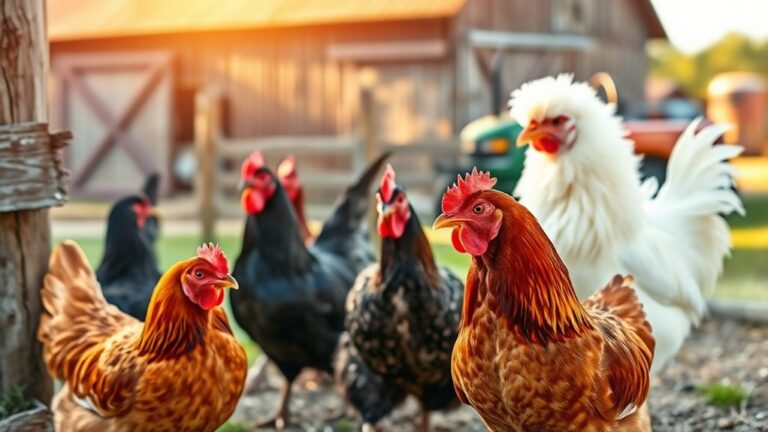
Although male chickens might seem like just another member of the flock, they play a crucial role in shaping its social structure and behavior. When you observe a flock, you’ll notice how roosters influence the chicken social hierarchy and mating behaviors, creating order and stability.
Here’s how male chickens affect flock dynamics:
- Establishing Dominance: Roosters assert their place at the top of the chicken social hierarchy, reducing conflicts.
- Protecting the Flock: They alert hens to danger, enhancing safety and group cohesion.
- Regulating Mating Behaviors: Roosters control access to hens, ensuring successful reproduction and social balance.
- Encouraging Social Interaction: Their presence promotes natural behaviors among hens, strengthening group bonds.
Uses of Male Chickens Beyond Farming
Male chickens have more uses beyond farming than you might expect. You’ll find that roosters play a significant role in various cultures worldwide, symbolizing courage, vigilance, and protection. Their crowing often marks the start of a new day, making them powerful icons of awakening and renewal.
When you investigate male chicken symbolism, you’ll see roosters featured in art, folklore, and religious practices, representing strength and honor. Beyond symbolism, male chickens have practical uses in entertainment and education.
You might encounter them in cultural festivals, cockfighting (though controversial), or as mascots. In some communities, roosters help teach responsibility and animal care to children. By understanding the cultural significance of roosters, you appreciate their value beyond agriculture.
Frequently Asked Questions
Can Male Chickens Fly or Just Jump Short Distances?
You’ll find that rooster flight is limited; male chickens can’t really fly long distances. Instead, they use short bursts to hop or jump over obstacles.
Male chicken jumping helps them escape predators or reach higher perches quickly. So, while you might see a rooster fluttering up briefly, don’t expect sustained flight.
Their wings are more for balance and short flights rather than soaring through the air like other birds.
Do Male Chickens Have Different Vocalizations Than Females?
Yes, rooster vocalizations are quite different from female chicken sounds. When you listen closely, you’ll notice roosters crow loudly, especially at dawn, to assert territory and communicate with the flock.
Hens make softer clucking noises used mainly for communication within the group. Male chicken sounds are generally louder and more varied, including alarm calls to warn of danger, while females tend to use gentler calls to stay connected.
How Long Do Male Chickens Typically Live?
You might think male chickens live forever, crowing like kings of the barnyard! In reality, roosters typically live around 5 to 8 years. Their lifespan depends on factors like care and environment.
While they don’t produce eggs, their rooster behavior, like protecting hens and establishing dominance, plays a big role in the flock’s dynamics. Proper nutrition and safety can help your rooster enjoy a long, healthy life free from constant squabbles.
Are Male Chickens More Aggressive Than Females?
Yes, male chickens tend to be more aggressive than females. You’ll notice rooster behavior often involves asserting dominance by establishing a clear male chicken hierarchy within the flock.
They can be territorial and protective, especially during mating season or if they sense a threat. Understanding this helps you manage their interactions better, keeping peace among your birds and ensuring the male chickens don’t become overly aggressive toward you or others.
Can Male Chickens Be Kept as Pets?
Of course, you can keep a rooster as a pet if you enjoy surprise wake-up calls at dawn and the occasional aggressive dance-off. Understanding rooster behavior helps because they’re territorial and love to strut.
You’ll want to offer a male chicken a diet rich in grains, seeds, and bugs to keep him happy. Just be ready to negotiate with your feathery alarm clock and appreciate his quirky, bossy charm around the yard.
Conclusion
You might think male chickens are all the same, but knowing the differences between roosters, cocks, and cockerels really matters. Understanding their roles and behaviors helps you care for them better and keeps your flock balanced.
Plus, male chickens do more than just crow. They protect and contribute to the farm’s dynamics in unique ways. So, don’t overlook their importance.
Embracing the care of male chickens benefits your whole flock and farming experience. Knowing what male chickens are called is key to managing them well.