How to Tell Chicken Gender With a Step-By-Step Guide
Figuring out your chick’s gender can feel tricky, especially when you’re just starting out. You’re not alone—many people struggle to tell males from females early on. But with a little guidance and some patience, you’ll soon be able to identify your chicks with confidence.
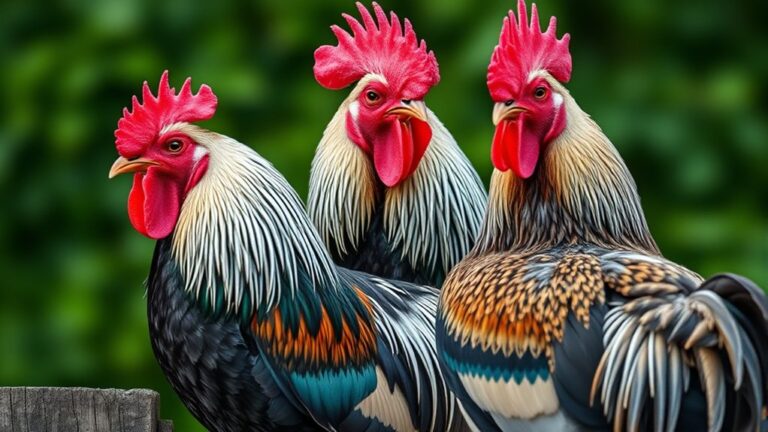
To tell your chick’s gender, start when they’re a few weeks old to spot physical and behavioral traits clearly. Look for larger, redder combs and wattles, thicker legs, and pointed, glossy feathers that indicate males. Females usually have softer, rounded feathers and quieter clucking.
Watch for early crowing in roosters and nesting signs in hens. Handle chicks gently during vent sexing for accuracy. Keep observing, and you’ll soon master all the key identification tips and breed-specific clues.
Key Takeaways
- Wait until chicks are a few weeks old to identify gender reliably, as early traits are not visible immediately after hatching.
- Examine comb and wattle size and color. Males develop larger, redder combs and wattles earlier than females.
- Observe feather patterns. Males have longer, pointed saddle and hackle feathers, while females have softer, rounded feathers.
- Listen for vocal differences. Roosters crow loudly from 4-6 weeks, while hens make softer clucking sounds.
- Handle chicks gently in a calm environment, supporting their body and lifting the tail carefully for vent sexing if needed.
When to Start Telling Your Chick’s Gender

Although it might be tempting to determine your chick’s gender right away, you should wait until they’re a few weeks old. The early days after hatching, shaped by historical breeding and egg incubation practices, don’t provide reliable gender clues.
During incubation, eggs develop without visible differences between males and females, making immediate identification impossible. Historical breeding focused more on traits like egg production or meat quality rather than early gender identification.
As your chicks grow, subtle behavioral and physical differences emerge, allowing you to tell their gender with more confidence. Trying too early can lead to mistakes and unnecessary stress.
By waiting a few weeks, you let natural development reveal gender-specific traits, ensuring you make informed decisions for your flock. So, be patient and observe your chicks as they mature, understanding that the timing is essential for accurate gender determination.
This approach respects both the biological process and the history behind chicken breeding and incubation.
Physical Traits That Reveal Chick Gender

Once your chicks are a few weeks old, you can start identifying their gender by observing specific physical traits. One key indicator is feather coloration. In many breeds, females develop softer, more uniform feather patterns, while males often show bolder, more vibrant colors or iridescence.
Feather coloration reveals gender: females have softer patterns, males display bolder, vibrant hues and iridescence.
Pay close attention to how the feathers grow; females usually have more even and symmetrical feather development.
Another important clue comes from egg laying behavior. Although this takes longer to observe, hens will eventually display nesting habits and begin laying eggs, which clearly distinguishes them from roosters.
Keep in mind, some physical traits overlap, so combining observations of feather coloration with behavioral signs like early nesting can improve accuracy. By carefully watching these traits, you’ll get better at telling your chicks’ gender without relying solely on comb and wattle growth, which you’ll learn about next.
Spotting Males by Comb and Wattle Growth

How can you quickly spot a male chick among the flock? One of the clearest indicators is by observing the comb and wattle growth. Male chicks generally develop larger, more pronounced combs and wattles earlier than females.
Here’s what to look for:
- Comb Size: Males often have combs that start growing rapidly within the first few weeks. They usually appear redder and more prominent than those of females.
- Wattle Development: Watch for wattles, the fleshy lobes under the beak, which are larger and redder in males even at a young age.
- Feather Colors and Egg Laying Patterns: While feather colors can vary, males tend to have duller early feathers compared to females. Females develop vibrant colors that align with their egg laying patterns.
How Feather Patterns Show Roosters vs. Hens
You can often tell a rooster from a hen just by looking at their feather patterns. Roosters usually have longer, shinier feathers with pointed tips, especially around the neck and tail. On the other hand, hens tend to have softer, rounded feathers that aren’t as flashy. It’s a pretty handy way to tell them apart!
Identifying Male Feather Traits
Although telling a rooster from a hen can be tricky at first, paying close attention to feather patterns makes it easier. Male chickens have distinct feather traits that set them apart from females, especially since hens often show broody behavior linked to egg incubation. Here’s what to look for:
- Saddle Feathers: Roosters have long, pointed saddle feathers near the base of their tail, which hens lack.
- Hackle Feathers: These neck feathers are sharper and more elongated in males.
- Tail Feathers: Roosters display curved, glossy sickle feathers in their tails, unlike the straight feathers of hens.
Recognizing Female Feather Patterns
While male chickens stand out with their bold feather features, female feather patterns offer subtler clues to their gender. You’ll notice hens have more rounded, softer feathers, especially on their necks and tails, compared to the pointed, shiny feathers roosters display. This difference helps you distinguish between them quickly.
When managing egg incubation, recognizing these female patterns makes certain you select true hens for consistent egg production. Proper poultry nutrition also plays a role; well-nourished hens develop healthier feathers, making gender identification easier.
Leg Thickness and Spurs: What They Tell You
Since leg thickness and the presence of spurs can vary noticeably between male and female chickens, paying attention to these traits can help you identify their gender more accurately. Males typically have thicker legs and more pronounced spurs. Females usually have slender legs and smaller or no spurs.
Leg thickness and spur size are key traits to distinguish male from female chickens accurately.
Here’s how you can assess leg thickness and spurs:
- Measure Leg Thickness: Roosters generally have legs that are visibly thicker compared to hens. This difference is often noticeable even in young birds.
- Check for Spurs: Spurs are small, pointed growths on the back of the legs. Males develop larger, sharper spurs, whereas females may have tiny or no spurs at all.
- Consider Feather Color and Egg Laying Patterns: While leg traits help, also note feather color and egg laying patterns to confirm gender. Hens usually have more consistent egg production and specific feather shades.
Behavioral Clues to Identify Roosters and Hens
You can often tell a rooster from a hen by paying attention to their vocalizations and social behavior. Roosters tend to crow loudly and take on more dominant roles within the flock. On the other hand, hens usually cluck softly and stick to more submissive, cooperative interactions. So, if you’re listening closely or watching how they act around others, these clues can really help you figure out who’s who.
Vocalization Differences
Although vocal cues may vary depending on the chicken breed, you can often distinguish roosters from hens by their distinct sounds. Roosters typically have a louder, more assertive crow, while hens produce softer clucks. These vocal differences complement physical traits like feather color, which often helps you identify gender. Plus, hens’ vocalizations relate to egg production, signaling when they’ve laid an egg.
Here’s how to recognize vocalization differences:
- Roosters crow loudly, especially at dawn, asserting territory and presence.
- Hens cluck softly, often after laying eggs or communicating with chicks.
- Roosters’ calls are more varied and carry longer than hens’ repetitive clucks.
Social Behavior Patterns
Vocal cues offer valuable hints, but observing how chickens interact socially can reveal even clearer signs of their gender. Roosters usually display dominant behavior, often asserting themselves by standing tall and spreading their feather color proudly to attract attention.
You’ll notice roosters frequently engage in protective actions, like crowing loudly and guarding the flock. Hens, on the other hand, tend to be more submissive and focused on egg production, spending time nesting and foraging rather than showing off.
They often cluster together calmly, whereas roosters maintain some distance to oversee the group. By paying close attention to these social behavior patterns—dominance, feather color display, and nesting habits—you can confidently distinguish roosters from hens in your flock without relying solely on physical traits.
Early Crowing and Vocal Differences to Listen For
When chicks start to make distinct sounds, you can often tell their gender by paying close attention to early crowing and vocal differences. Roosters usually begin to crow as early as 4 to 6 weeks old, while hens tend to make softer clucking or chirping noises. These vocal cues can help you identify their gender before physical traits like feather color fully develop.
Early chick sounds reveal gender—roosters crow by 4-6 weeks, while hens cluck softly before feathers show.
Here are three key vocal differences to listen for:
- Early Crowing: Males often attempt crowing early on, even if it’s weak or incomplete.
- Pitch and Volume: Roosters’ calls are louder and more piercing, while hens produce gentler, quieter sounds.
- Frequency: Males tend to vocalize more frequently, practicing their crowing to establish dominance.
How to Vent Sex Your Chicks Safely
Before you start vent sexing your chicks, make sure your workspace is clean and well-lit—this helps you avoid mistakes. You’ll want to handle each chick gently while looking closely for the subtle differences in their vent area.
Take your time and be gentle throughout the process. This way, you’ll keep the chicks safe and reduce stress for both you and them. It’s all about patience and care!
Preparing Your Workspace
How can you guarantee a safe and effective environment for vent sexing your chicks? Start by preparing your workspace carefully to reduce stress and ensure accuracy. Keep in mind the chicks’ feeding habits and nesting behaviors. They’re calmer when comfortable and familiar with their surroundings.
Follow these steps:
- Choose a quiet, well-lit area to avoid startling the chicks.
- Sanitize your hands and tools to prevent infections.
- Arrange a soft surface to gently restrain the chicks without causing harm.
Identifying Vent Characteristics
Where should you focus your attention to accurately determine a chick’s gender? The vent area holds the key. Vent sexing involves gently examining this region to spot subtle differences in genitalia.
You’ll want to look for a small bump or ridge inside the vent, which usually indicates a male. Females typically have a smoother, flatter vent. While vent sexing, also consider feather coloration; males often develop different feather patterns earlier than females.
Keep in mind that physical checks work best alongside observing egg laying behavior later on, as only hens lay eggs. Vent sexing takes practice and patience, so handle chicks carefully to avoid harm.
Handling Chicks Gently
Careful handling plays a big role when vent sexing your chicks to avoid causing them stress or injury. You need to be gentle and patient, as improper handling can harm delicate chicks or skew your observations of color variations and feather texture.
Follow these steps to handle chicks safely:
- Support the chick’s body securely, using one hand under its chest and the other to gently lift the tail.
- Avoid squeezing or applying pressure near the vent area, which is sensitive and easily injured.
- Work in a calm environment to keep chicks relaxed, making it easier to notice subtle differences in feather texture and color variations.
Breed-Specific Tips for Telling Chicken Gender
Because each chicken breed has unique traits, you’ll need to adjust your gender identification methods accordingly. For example, during egg incubation, some breeds show early differences: males often develop more prominent combs and wattles.
Broody behavior also varies by breed. Hens of certain breeds, like Silkies, tend to become broody more frequently, which helps you identify females early on. In contrast, less broody breeds may require you to rely more on physical traits like feather patterns or leg thickness.
Bantam breeds often display less obvious dimorphism, so you’ll want to pay close attention to subtle cues such as eye shape or vocalizations. Meanwhile, larger breeds like Orpingtons may exhibit more pronounced male characteristics sooner.
Avoiding Common Mistakes When Sexing Chicks
Understanding breed-specific traits lays a solid foundation, but even with that knowledge, mistakes can happen when sexing chicks. To avoid common errors, keep these points in mind:
- Don’t rush the process. Proper egg incubation timing influences chick development and gender traits. Waiting until chicks are a few days old improves accuracy.
- Avoid relying solely on physical traits. While plumage and comb size help, factors like poultry nutrition during growth can affect these characteristics, making them less reliable.
- Use multiple methods. Combining vent sexing with feather sexing or behavioral observations reduces mistakes and gives you a clearer picture.
Frequently Asked Questions
Can Diet Affect the Development of Gender Traits in Chicks?
Diet impact on the development of gender traits in chicks is minimal because genetic influence primarily determines sex. You can’t change a chick’s gender by altering its diet, but nutrition does affect overall growth and health, which might make gender traits more or less visible as they develop.
How Accurate Are DNA Tests Compared to Physical Sexing Methods?
Think of DNA tests as the eagle-eyed detective of chicken gender identification. They offer nearly 99% genetic accuracy, leaving little room for doubt. While physical sexing methods rely on your observation skills and experience, DNA testing gives you hard, scientific proof.
That said, physical validation still plays a vital role, especially when you want quick, on-the-spot answers. Combining both methods gives you the best confidence in accurately determining your chick’s gender.
What Tools Are Needed for Vent Sexing Chickens Safely?
You’ll need a well-lit area, gloves, and gentle hands for vent inspection. Use safe handling techniques to keep the chick calm and steady, preventing injury. A magnifying glass can help you see the vent clearly, especially if you’re new to this.
How Soon After Hatching Can Chicks Be Separated by Gender?
You might find yourself wondering about gender determination just as your chicks start to fluff up. You can separate them by gender as early as a day or two after hatching, once you’ve done vent sexing or feather sexing.
Keep in mind, chick development varies, so accuracy improves after a few days. Separating them early helps manage their needs better and prevents unexpected crowing or laying surprises down the line.
Do Environmental Factors Influence Gender Expression in Chicks?
Environmental factors don’t directly influence gender expression in chicks since genetic influences primarily determine their sex. However, you might notice some hormonal effects caused by conditions like temperature or stress, which can impact development but won’t change a chick’s genetic sex.
Conclusion
Just like a farmer watching the first light break over the fields, you’re learning to read the subtle signs your chicks give. With patience and care, you’ll soon tell roosters from hens, understanding their unique traits like a seasoned pro.
Remember, every feather, crow, and comb tells a story, your story of raising healthy, happy chickens. Keep observing, and soon, you’ll know your flock as well as the sun knows the dawn. This is how you master the art of how to tell chicken gender.