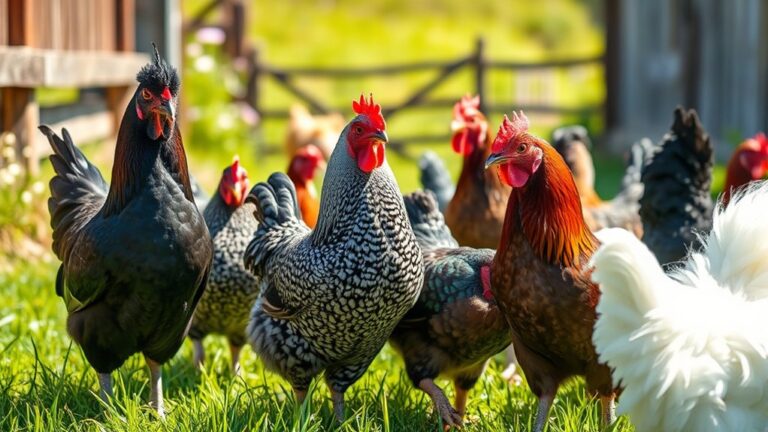
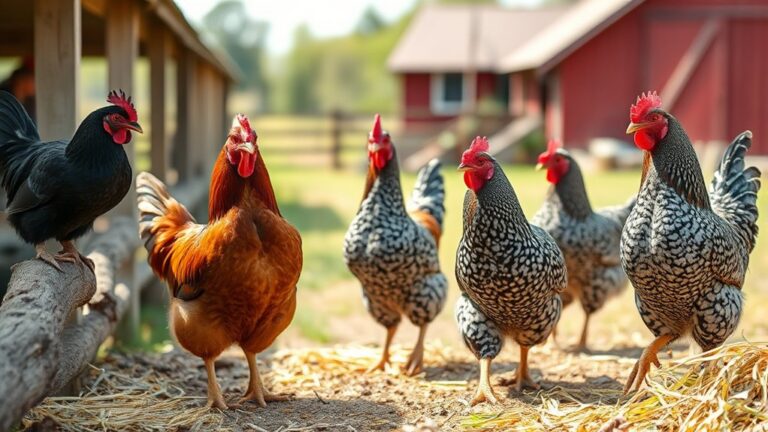
How Do You Raise Backyard Chickens in 7 Essential Steps?
If you’ve ever dreamed of fresh eggs right from your backyard but felt overwhelmed about where to start, you’re not alone. Many people struggle with raising chickens because it seems complicated or time-consuming. The good news? With a few simple steps, you can create a happy, healthy flock that thrives in your backyard.
To raise backyard chickens, start by choosing breeds suited to your goals and climate. Acquire healthy birds and quarantine them before introducing to your flock. Build a secure, well-ventilated coop with predator protection. Set up clean feeding and watering stations, and maintain regular hygiene.
Stay vigilant against disease through vaccinations and parasite control. Protect your chickens from weather extremes and predators. Collect eggs daily and monitor their health to keep them thriving. You’ll find more practical tips to keep your flock happy and productive.
Key Takeaways
- Choose chicken breeds suited to your goals, climate, and temperament, and acquire healthy birds from reputable sources.
- Build a secure, well-ventilated coop with predator-proof fencing, proper insulation, and comfortable nesting areas.
- Provide clean water and balanced feed using easy-to-clean feeders. Maintain regular feeding and watering schedules.
- Quarantine new birds, monitor flock health daily, and implement disease prevention through vaccinations and parasite control.
- Collect eggs twice daily, clean the coop weekly, and maintain a consistent routine for feeding, cleaning, and health checks.
Choose the Best Backyard Chicken Breeds
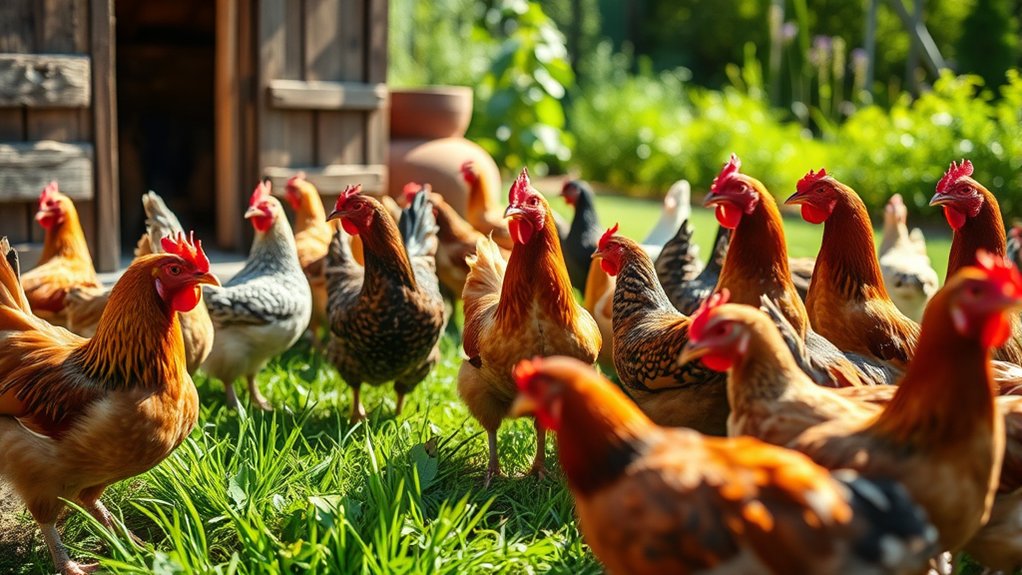
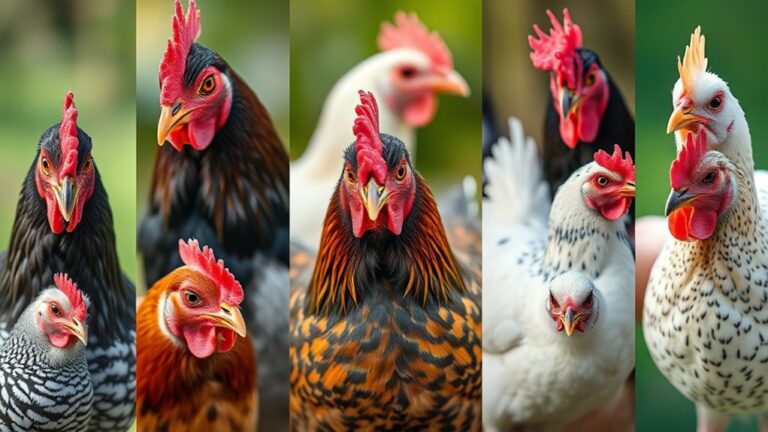
When choosing the best backyard chicken breeds, consider your goals and environment to make the right pick. You’ll want to look closely at egg laying habits since some breeds lay more frequently or produce larger eggs.
For instance, if you’re after a steady supply of eggs, breeds like Leghorns and Rhode Island Reds are reliable layers. On the other hand, if you want chickens that are good for both eggs and meat, dual-purpose breeds like Plymouth Rocks might suit you better.
Breeding considerations also matter. Think about climate adaptability and temperament. Some breeds handle cold weather better, while others thrive in warmer areas.
Furthermore, if you plan to breed your chickens, choose breeds with strong maternal instincts and good fertility rates. By aligning your breed choices with your specific needs and local conditions, you’ll set yourself up for a successful backyard flock that meets your expectations.
Acquire Your Backyard Chickens and Introduce Them
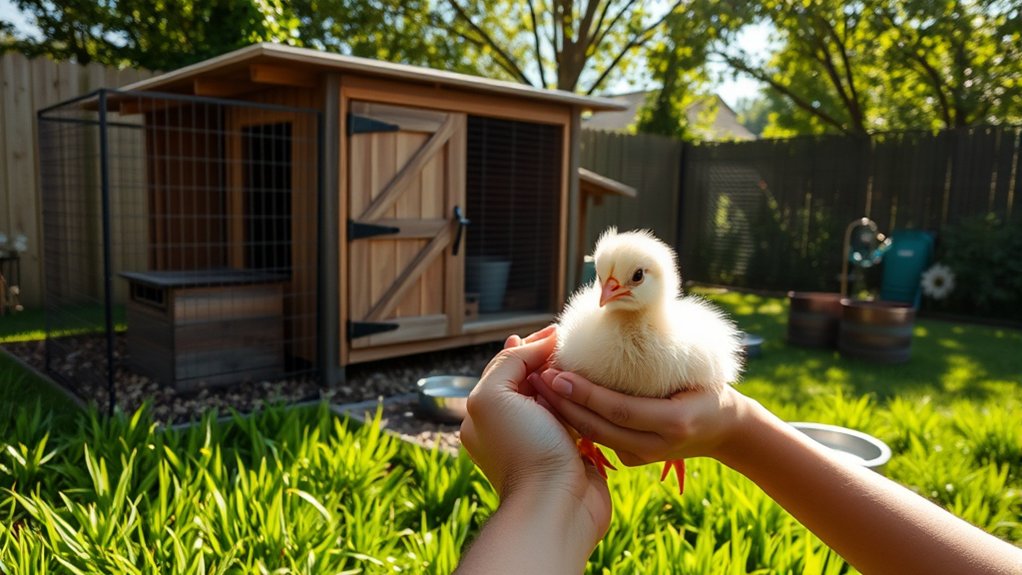
Before you bring your chickens home, research reputable hatcheries or local breeders to guarantee healthy birds. Once acquired, introduce your chickens gradually to their new environment to reduce stress. Keep feeding schedules consistent from day one to help them adjust smoothly. Use familiar feed initially, then slowly transition to your preferred diet.
When introducing new birds to an existing flock, quarantine them for two weeks to prevent disease spread. Monitor interactions closely to avoid pecking or bullying.
Egg collection techniques also matter; collect eggs twice daily to maintain cleanliness and encourage hens to lay in designated areas.
| Step | Purpose |
|---|---|
| Gradual Introduction | Minimizes stress and aggression |
| Consistent Feeding | Supports health and growth |
| Twice Daily Egg Collection | Ensures cleanliness and productivity |
Following these steps will help your backyard chickens thrive from day one.
Prepare a Safe and Comfortable Chicken Coop

Although raising chickens can be rewarding, providing them with a safe and comfortable coop is crucial for their health and happiness. Start by choosing a secure location that protects your flock from predators and harsh weather. Guarantee proper ventilation to maintain fresh air while avoiding drafts.
Creating a secure, well-ventilated coop is essential for your chickens’ health and happiness.
Inside the coop, install perches for roosting. Remember, rooster behavior includes claiming higher spots, so provide enough space to prevent conflicts. Include nesting boxes with soft bedding for hens to lay comfortably.
Cleanliness is essential as it supports good chicken grooming habits, helping prevent parasites and disease. Use easy-to-clean materials for floors and walls, and plan for regular maintenance.
Don’t forget adequate lighting to mimic natural daylight, which influences egg-laying cycles. By preparing a safe, well-ventilated, and comfortable coop, you’ll encourage healthy behavior and reduce stress, setting your backyard chickens up for a happy life.
Set Up Feeding and Watering Stations
You’ll want to pick feeders that help prevent waste and keep the feed nice and dry. It’s super important to make sure your chickens always have access to clean, fresh water so they stay healthy. When you set up these stations the right way, it’ll keep your flock happy and well hydrated.
Choosing Proper Feeders
When setting up feeding and watering stations, choosing the right feeders guarantees your chickens stay healthy and feed waste stays minimal. You’ll want feeders that are sturdy, easy to clean, and sized appropriately for your flock.
Automatic feeders save you time by dispensing food consistently, which helps prevent overeating and keeps the feed dry. If you prefer organic feed options, select feeders designed to minimize contamination and spoilage to maintain feed quality.
Avoid open trays that encourage spillage and pests. Instead, opt for trough-style or covered feeders to reduce waste and keep your chickens’ food clean. Proper feeder placement also matters. Keep them raised and sheltered from rain.
With the right feeders, you’ll create a more efficient feeding setup that supports your chickens’ health and your daily routine.
Ensuring Clean Water Access
Alongside proper feeders, providing clean water is just as important for keeping your chickens healthy and hydrated. You’ll want to set up watering stations that are easy to clean and refill.
Using a good water filtration system helps guarantee your chickens drink contaminant-free water, reducing illness risks. Pay close attention to hydration frequency. Check and refresh the water at least twice daily, especially in hot weather.
Dirty or stagnant water can quickly turn into a breeding ground for bacteria, so regular cleaning is a must. Position your watering stations in shaded areas to keep water cool and appealing.
Prevent Diseases and Keep Chickens Healthy
Although raising backyard chickens can be rewarding, preventing diseases and keeping your flock healthy requires consistent care and attention. Start by following recommended vaccination schedules to protect your birds from common illnesses like Marek’s disease and infectious bronchitis. Staying on top of these vaccinations not only safeguards your chickens but also prevents outbreaks in your coop.
Equally important is parasite control. Regularly check your chickens for external parasites like mites and lice, and treat infestations promptly with appropriate powders or sprays. For internal parasites, routine deworming based on your vet’s advice helps maintain good health. Keep their living area clean and dry to discourage parasite breeding.
Keep Chickens Safe From Predators and Weather
You’ll want to build a coop that keeps predators out and your chickens safe at all times. It’s important to make sure the shelter is sturdy and weather-resistant so it can protect them from rain, wind, and extreme temperatures.
Let’s take a look at how to design a safe, comfortable home for your flock that they’ll love.
Predator-Proof Coop Design
Designing a predator-proof coop starts with sturdy materials and secure locks to keep your chickens safe from common threats like raccoons, foxes, and hawks. Use strong fencing materials such as welded wire or hardware cloth, and bury them at least 12 inches underground to prevent digging predators.
Incorporate roosting barriers inside the coop to keep chickens off the ground and away from pests at night. Guarantee all doors and windows have secure latches that can’t be easily opened by clever animals. Avoid gaps larger than half an inch to block smaller predators.
Weather-Resistant Shelter Tips
Once your coop is secure from predators, it’s important to make sure it can withstand harsh weather conditions. A weather-resistant shelter keeps your flock safe and comfortable, especially during molting cycles when feather maintenance becomes critical. Here are some tips to help you prepare:
Insulate walls and roof to maintain warmth during cold months. Install proper ventilation to prevent moisture buildup without drafts.
Use waterproof materials and seal gaps to keep rain out. Raise the coop off the ground to avoid flooding and dampness.
Provide dry, clean bedding for chickens to stay warm and aid feather regrowth.
Collect Fresh Eggs and Manage Your Flock
How often should you collect eggs to keep them fresh and your chickens healthy? You should gather eggs at least twice a day, morning and late afternoon, to maintain freshness and prevent hens from becoming broody. Establish consistent egg collection routines to reduce the risk of eggs getting dirty or cracked.
Proper flock management techniques also involve regularly checking on your chickens’ health, cleaning the coop, and rotating pasture areas if possible.
Here’s a simple guide to help you balance egg collection and flock care:
| Task | Frequency | Tips |
|---|---|---|
| Egg Collection | Twice daily | Use clean baskets |
| Coop Cleaning | Weekly | Remove droppings and bedding |
| Health Check | Daily | Look for signs of illness |
Frequently Asked Questions
How Do Chickens Affect My Garden Soil Quality?
Chickens positively affect your garden soil quality by boosting soil enrichment through their droppings, which are rich in nitrogen and other nutrients. When you compost their manure properly, it adds organic matter that improves soil structure, water retention, and fertility.
Their scratching also helps aerate the soil, mixing in compost and breaking up compacted areas. You’ll notice healthier plants and better yields when you use chickens to naturally improve your garden’s soil.
Can Backyard Chickens Be Trained to Follow Commands?
Yes, you can train backyard chickens to follow commands using simple training techniques. Start by offering treats as positive reinforcement when they respond correctly.
Use consistent verbal cues and hand signals to help them associate commands with actions. Patience and repetition are key in command training since chickens learn gradually.
With regular practice, your chickens will begin to recognize and respond to basic commands, making them easier to manage and interact with.
What Are Signs of a Hen Going Broody?
You won’t miss it when your hen decides to turn into a permanent couch potato. That’s classic broody hen behavior. She’ll plop down in the nesting box, refusing to budge, puffing up like she’s the queen of the coop.
Signs of nesting include incessant clucking, flattened feathers, and a grumpy attitude when disturbed. Basically, she’s claiming her throne and won’t give up those eggs without a fuss.
How Do I Handle Aggressive Chickens in My Flock?
You handle aggressive chickens by separating the troublemakers and observing their behavior. Feather pecking often signals stress or overcrowding, so make sure your flock has enough space and enrichment.
If rooster dominance causes fights, consider removing or isolating the most aggressive rooster to restore peace. You can also provide distractions like treats or dust baths to reduce tension. Consistent routines help keep your chickens calm and less aggressive.
Are There Local Laws About Keeping Backyard Chickens?
Yes, you’ll want to check local regulations before keeping backyard chickens. Many areas have zoning restrictions that limit the number of birds, require permits, or prohibit roosters altogether.
You can usually find this info on your city or county’s website or by contacting your local animal control or zoning office. Adhering to these rules helps you avoid fines and ensures your flock stays welcome in your neighborhood.
Conclusion
Raising backyard chickens is like nurturing a small garden of life, full of rewards and daily joys. By choosing the right breeds, setting up a cozy coop, and keeping your flock healthy and safe, you’ll enjoy fresh eggs and happy hens.
Remember, your care creates a thriving little world right in your backyard. With patience and love, your chickens will flourish, bringing warmth and importance to your home every day. Raising backyard chickens truly enriches your life in many meaningful ways.