7 Tips for Buying a Chicken for Eggs
If you’re thinking about raising chickens for fresh eggs, you’re not alone. Many people struggle with choosing the right birds that will actually deliver a steady supply of eggs without too much hassle. It can feel overwhelming with so many breeds and factors to consider, but getting it right means enjoying farm-fresh eggs regularly.
When buying chickens for eggs, start by ensuring your coop suits your climate with good ventilation and predator protection.
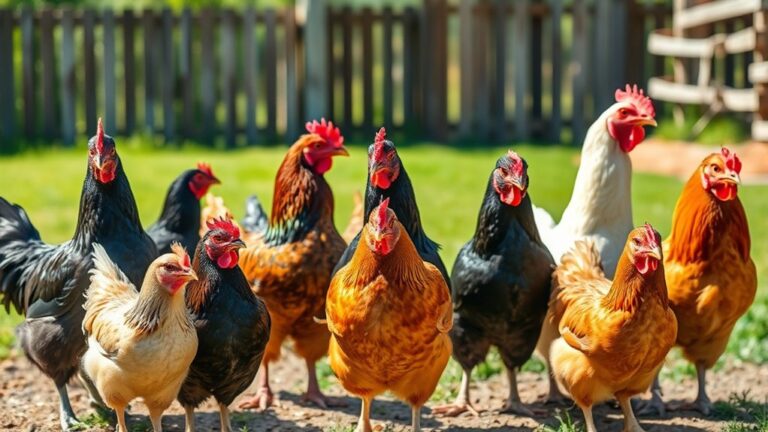
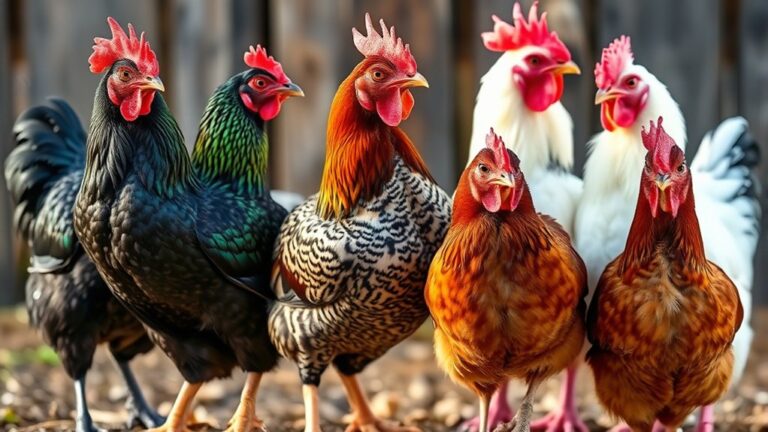
Choose breeds known for steady laying, like Leghorns or Rhode Island Reds.
Decide if you want pullets for soon-to-lay hens or adults for immediate production.
Pick healthy birds with bright eyes and smooth feathers, and consider calm temperaments for easier care.
Buy from reputable sources with health records.
Keep these tips in mind to build a reliable, productive flock and explore more ways to optimize your egg supply.
Key Takeaways
- Choose high-producing egg-laying breeds like Leghorn or Rhode Island Red for reliable egg yield.
- Select healthy chickens with bright eyes, smooth feathers, and no signs of illness.
- Prefer pullets aged 16-20 weeks for predictable and near-term egg production.
- Buy from reputable hatcheries or trusted local sellers with verified health records.
- Ensure the coop environment is secure, well-ventilated, and predator-proof to maintain consistent laying.
Assess Climate and Coop Setup for Your Chickens
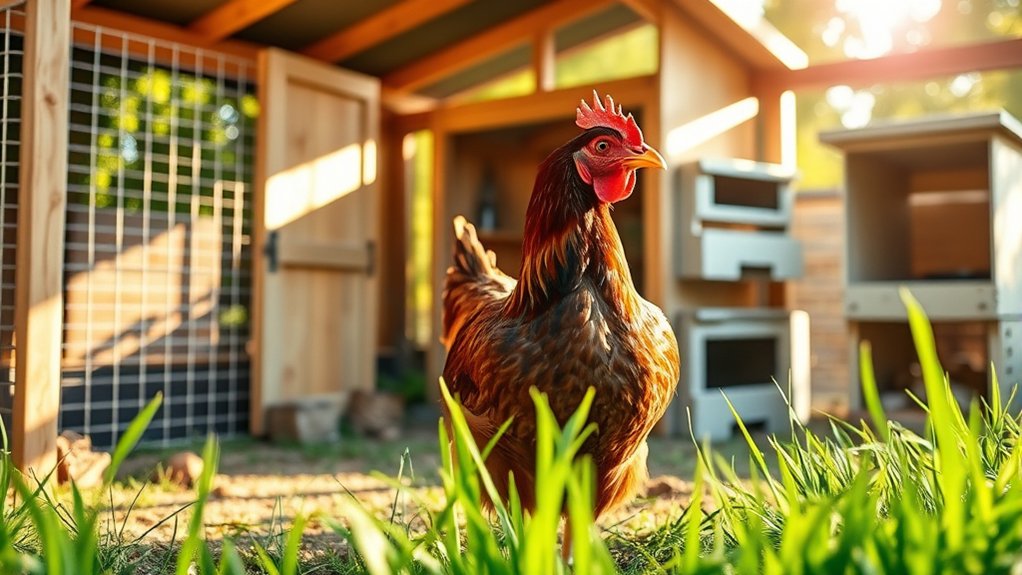
Before you bring home your hens, consider how your local climate and coop setup will affect their comfort and egg production. Climate considerations play a big role in keeping your chickens healthy and happy.
Planning for your climate and coop setup ensures your hens stay comfortable and productive.
If you live in a cold area, you’ll need a well-insulated coop design that protects hens from drafts and moisture. In hot climates, proper ventilation and shade are essential to prevent overheating. Your coop design should also include adequate space for each chicken to avoid stress, which can reduce egg laying.
Make sure the coop is secure from predators and easy to clean. Good drainage and raised floors help keep the area dry, reducing disease risk.
Think about where you’ll place the coop. Somewhere sheltered from strong winds and direct sun works best. By tailoring your coop design to your climate considerations, you’ll create a comfortable environment that encourages consistent egg production and keeps your flock thriving.
Choose Chicken Breeds That Lay Eggs Consistently
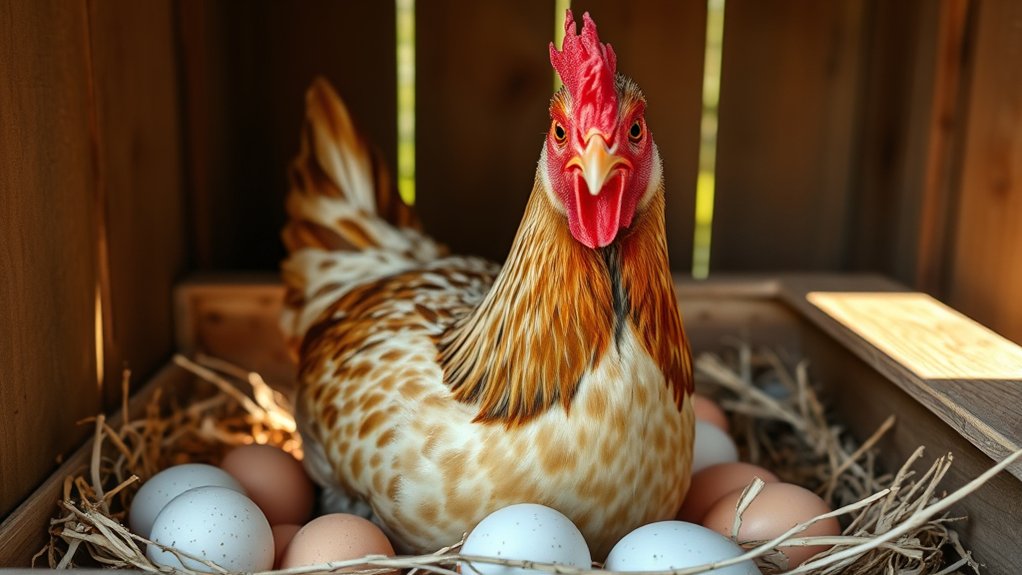
Selecting the right chicken breeds is key to ensuring a steady supply of eggs. When you focus on genetics selection, you’re choosing birds bred for high egg production and breeding stability. This means your chickens are more likely to lay consistently, giving you reliable egg yields.
Some breeds are known for laying well year-round, while others may slow down during colder months. Choosing breeds with proven breeding stability helps avoid unexpected drops in egg production.
Here’s a quick guide to some top egg-laying breeds:
| Breed | Average Eggs per Year |
|---|---|
| Leghorn | 280 |
| Rhode Island Red | 250 |
| Sussex | 250 |
| Plymouth Rock | 200 |
Decide Between Pullets, Adults, or Chicks
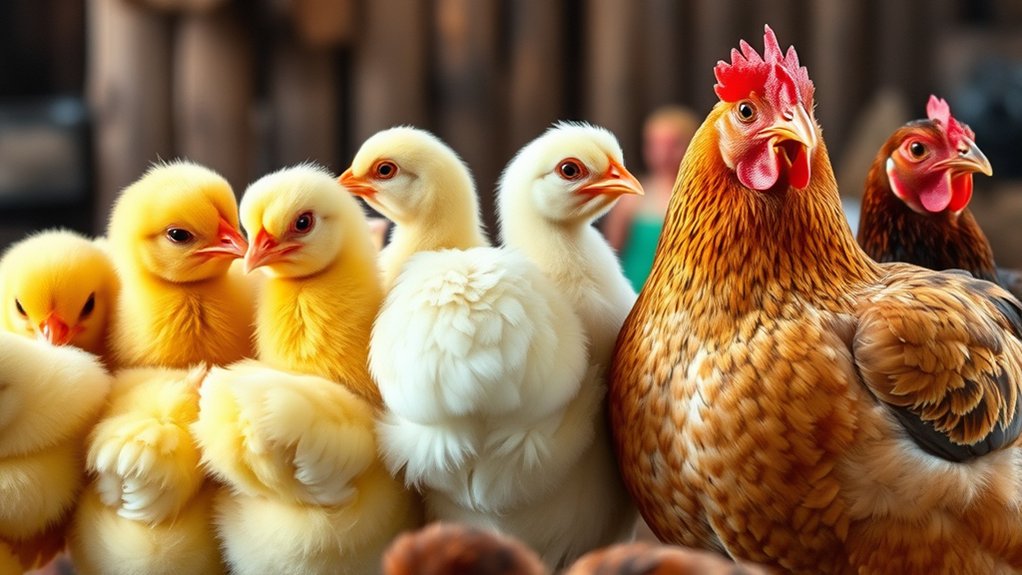
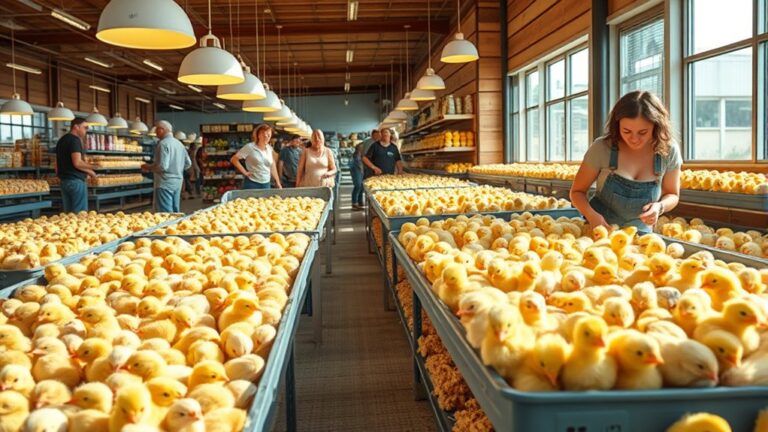
When you decide to add chickens to your flock, you’ll need to choose whether to buy pullets, adults, or chicks. Each option has distinct advantages depending on your goals and experience.
- Pullets: These young hens, usually 16-20 weeks old, are about to start laying eggs. Pullets from reputable breeding programs often have predictable laying patterns and established nutritional needs. They’re a great choice if you want eggs soon.
- Adults: Mature hens already laying eggs offer immediate production. However, their past diet and health, influenced by earlier nutritional needs, can affect their productivity and lifespan.
- Chicks: Buying chicks allows you to raise chickens from the start, controlling diet and environment. Yet, they require more care and time before egg-laying begins.
Consider your readiness to manage these stages and how breeding programs impact the quality and productivity of your choice.
Choose Healthy Chickens With Bright Eyes and Clean Feathers
One of the easiest ways to spot a healthy chicken is by checking for bright, clear eyes and clean, smooth feathers. When you examine a chicken’s eye clarity, look for eyes that are free from cloudiness, discharge, or swelling. Clear eyes indicate a chicken that’s alert and free from illness.
Next, assess the feather condition closely. Healthy chickens have feathers that lie flat and look glossy without bald patches or signs of mites. Avoid birds with ruffled, dirty, or missing feathers, as these can signal stress or poor health.
Also, pay attention to how the feathers feel. Smooth feathers usually mean the chicken is well-nourished. By focusing on these simple signs, you’ll pick a chicken that’s more likely to lay eggs consistently and stay healthy in your flock.
Consider Chicken Temperament for a Friendly Hen
You’ll want to watch how the hen behaves around other birds and people before buying. Friendly chickens are easier to handle and socialize with, which makes your daily care a lot more enjoyable. So, pay close attention to their temperament—it helps guarantee you end up with a calm and cooperative flock member.
Assess Hen Behavior Patterns
Although egg production is important, evaluating hen behavior patterns is key to ensuring you choose a friendly and manageable bird. Paying attention to specific behaviors helps you pick a hen that fits your needs.
- Hen vocalizations: Listen for calm clucking versus loud squawking. Calm vocalizations often indicate a relaxed, approachable bird.
- Nesting behavior: Notice if she consistently uses nesting boxes and settles quietly. A hen with good nesting habits tends to lay eggs regularly and calmly.
- Response to handling: Observe how the hen reacts when approached or gently handled. Friendly hens remain calm and show little aggression.
Interaction With Other Birds
Understanding how a hen interacts with other birds builds on observing her behavior patterns. When choosing a chicken for eggs, pay close attention to her role within the bird social hierarchy.
A friendly hen usually respects established pecking orders without causing disruptions. Watch for feather pecking tendencies, as aggressive birds may harm flock mates, leading to stress or injury.
You want a hen that blends well, showing calmness rather than dominance or fear. This guarantees she’ll coexist peacefully with your other birds, promoting a stable environment.
Handling and Socialization Ease
When selecting a hen for your flock, consider how easily she handles social interactions and human contact. A friendly hen makes daily care more enjoyable and stress-free. Keep these factors in mind:
- Temperament: Choose breeds known for calm and gentle behavior to minimize stress during feather molting, when birds are more sensitive.
- Rooster interactions: Observe how she responds to roosters; a hen comfortable around them usually adapts better to flock dynamics.
- Handling ease: Select hens that tolerate being picked up and petted, which helps with health checks and routine care.
Check Egg Production Records and Frequency
You’ll want to check the chicken’s egg production records to see how often she lays. Consistent laying over time is a strong indicator of reliability. So, it’s best to focus on hens with a proven track record if you want the best results.
Track Record Importance
Although many factors influence a hen’s egg-laying ability, checking her production records gives you a clear idea of what to expect. You want to focus on thorough record keeping and a solid understanding of the breed history. This guarantees you pick a chicken with a proven track record of laying eggs consistently.
When evaluating a chicken’s track record, consider these three points:
- Verify the accuracy and consistency of past egg production records.
- Research the breed history to understand typical laying patterns and lifespan.
- Ask about any health issues that could have impacted egg production.
Egg Laying Frequency
Egg laying frequency plays an essential role in choosing a hen that meets your egg production needs. You’ll want to check egg production records to understand how often a hen lays eggs. Frequent layers are ideal if you depend on a steady supply.
Keep in mind, consistent feeding routines and good predator protection directly affect laying frequency. Well-fed, safe hens lay more regularly.
Here’s a quick look at typical egg laying frequencies:
| Frequency | Description |
|---|---|
| Daily | High production hens |
| Every 2-3 days | Moderate production |
| Weekly or less | Low production hens |
Use this table as a guide when evaluating hens to guarantee their laying frequency matches your goals.
Consistency Over Time
Frequent egg laying is important, but you also want to think about how consistently a hen maintains that production over time. To guarantee steady egg supply, check egg production records carefully. Look for hens that keep laying regularly, even through seasonal changes or slight disruptions.
Here’s what to focus on:
- Egg production frequency: Confirm the hen lays eggs almost daily or at least several times a week consistently.
- Diet quality: A balanced, nutrient-rich diet supports ongoing egg production, so ask about the feed regimen.
- Predator protection: Stress from predators can reduce laying consistency, so confirm the hen is raised in a secure environment.
Buy From Reputable Hatcheries or Local Sellers
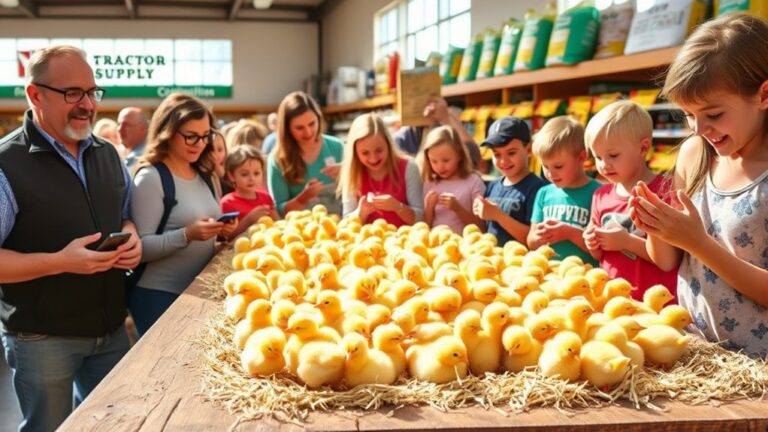
When you buy chickens from reputable hatcheries or trusted local sellers, you increase your chances of getting healthy birds that lay well. Look for hatchery certifications that guarantee quality breeding practices and disease control. Checking the local breeder reputation is just as important; ask around or read reviews to confirm their reliability.
Reputable sources often provide birds with documented health records and proper vaccination, reducing surprises later.
Here’s a quick comparison to help you decide:
| Aspect | Hatcheries |
|---|---|
| Certifications | Often certified and regulated |
| Breed Variety | Wide selection available |
| Health Records | Usually provided |
| Local Support | Limited |
| Egg-Laying History | Varies by hatchery |
| Aspect | Local Sellers |
| Certifications | Rare, but some may have them |
| Breed Variety | Limited to what is bred locally |
| Health Records | May be informal |
| Local Support | Personal and ongoing |
| Egg-Laying History | Often known firsthand |
Choose based on your priorities for health assurance and support.
Frequently Asked Questions
How Often Do Hens Need to Be Fed for Optimal Egg Production?
You should feed your hens twice a day to maintain essential egg production. Sticking to consistent feeding schedules helps keep their digestive system healthy and supports regular laying.
Make sure their diet has the right nutritional balance, including protein, calcium, and essential vitamins. Providing fresh water alongside the feed is vital.
What Supplements Help Improve Egg Quality?
You might be surprised, but nutritional supplements like calcium, vitamin D, and omega-3 fatty acids can really boost egg quality. When you add these to your hen’s diet, the eggshells get stronger, and the yolks turn richer in nutrients.
Don’t forget probiotics. They improve digestion and overall health, which also reflects in egg quality. So, by giving your hens the right supplements, you’re not just feeding them, you’re enhancing every egg they lay.
Can Chickens Lay Eggs Year-Round Without Artificial Lighting?
Chickens generally can’t lay eggs year-round without artificial lighting because they need about 14-16 hours of light daily to keep producing. You’ll want to think about indoor lighting if you want consistent egg production during shorter daylight months.
Also, breed selection matters. A few breeds like Leghorns lay more consistently regardless of daylight. By combining good lighting and choosing the right breed, you’ll maximize egg-laying throughout the year.
How Do I Handle Molting to Maintain Egg Laying?
You should handle molting by supporting your chicken’s feather regeneration with extra protein and a stress-free environment. Molting causes your hens to stop laying temporarily as they shed old feathers and grow new ones.
Keep their diet rich in nutrients to speed up feather regrowth and avoid disturbing their routine. This way, you’ll help maintain egg laying once molting ends, and your hens will bounce back healthier and more productive.
What Signs Indicate a Hen Has Stopped Laying Eggs Permanently?
You’ll notice a hen has stopped laying eggs permanently when her egg production decline becomes consistent over several months. Hen aging plays a big role. Older hens naturally lay fewer eggs and eventually stop altogether.
If your hen’s comb and wattles lose their bright color and her behavior changes, these are signs too. Once she stops laying for good, you won’t see any new eggs, no matter how much care you give her.
Conclusion
When buying chickens for eggs, keep in mind that selecting the right breed can boost your egg production considerably. Did you know some hens can lay up to 300 eggs a year?
By evaluating your climate, choosing healthy, friendly hens, and buying from trusted sources, you’ll set yourself up for success. Remember these tips, and you’ll enjoy fresh, homegrown eggs in no time when buying chickens for eggs!