How Old Are Chicks From Tractor Supply?
If you’ve ever bought chicks from Tractor Supply, you know it can be tricky to figure out exactly how old they are and what that means for their care. You’re not alone—many people struggle with understanding the age of their new chicks and how to properly raise them from day one. Getting this right is key to making sure your chicks grow up healthy and strong.
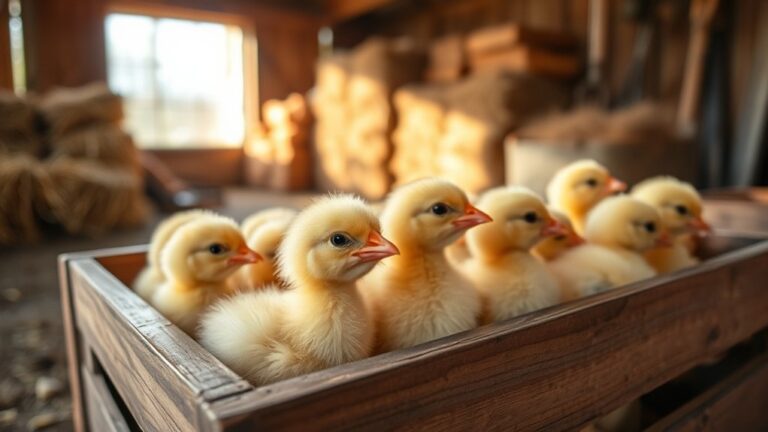
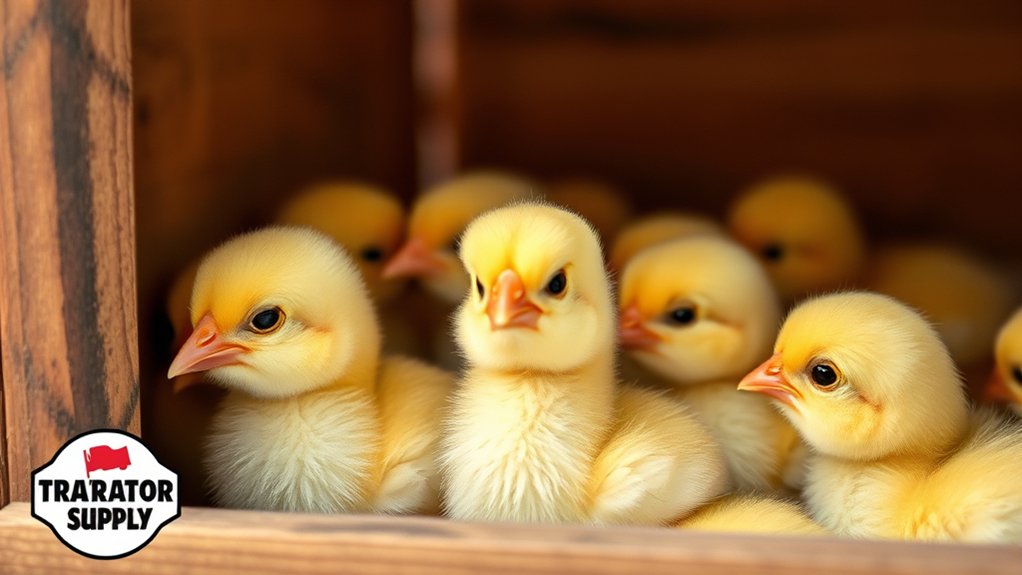
When you buy chicks from Tractor Supply, they’re typically about one day old, newly hatched and called “day-old chicks.” You’ll notice soft down, bright eyes, and wobbly legs, signs of their fragile, early stage.
Their age matters because feeding, housing, and care depend on it. You’ll want to make certain of proper brooder temperature, fresh water, and starter feed to help them thrive.
Keep going, and you’ll find tips on spotting their age and preparing for their growth.
Key Takeaways
- Chicks from Tractor Supply are typically about one day old, known as “day-old chicks,” when purchased.
- They have soft, fluffy down, bright eyes, thin legs, and wobbly movements that show they’re newborns.
- You can check the packaging dates to confirm exactly when the chicks hatched and how old they are when you get them.
- Newly hatched chicks are fragile, sleepy, and less active compared to older, more alert chicks.
- Knowing their young age helps you provide the right care, like proper feeding, hydration, and keeping the brooder at the right temperature.
How Old Are Tractor Supply Chicks When You Buy Them?
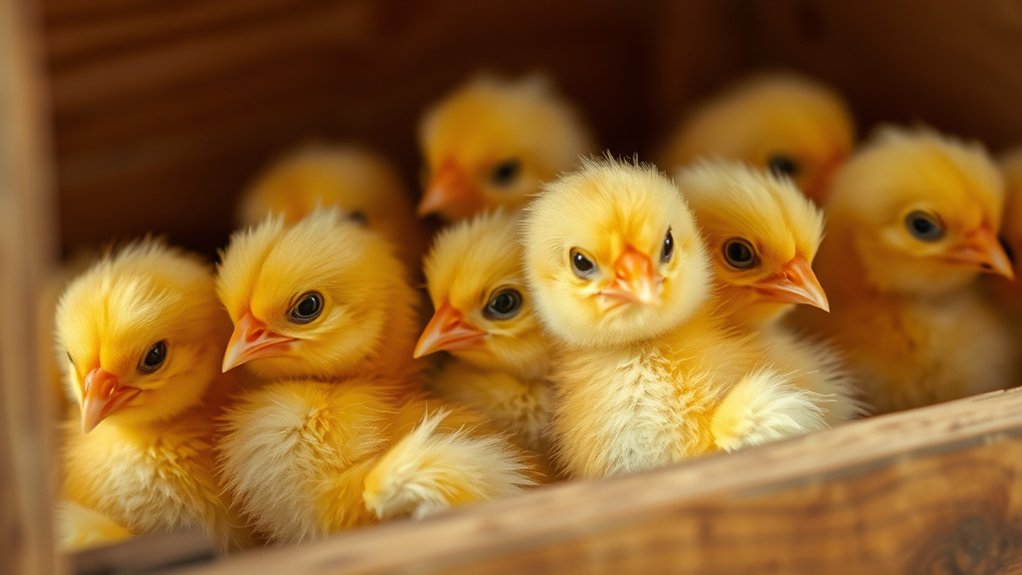
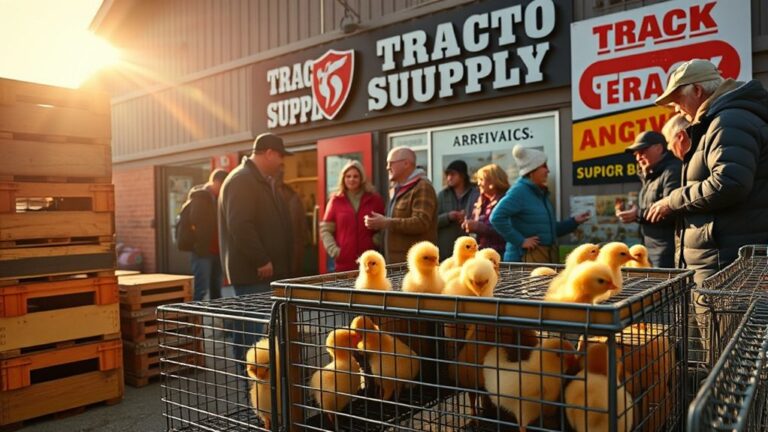
How old are Tractor Supply chicks when you buy them? Typically, these chicks are about one day old, often called “day-old chicks.” When you pick them up, they’re tiny, fluffy, and just starting their journey.
Tractor Supply offers a variety of poultry breeds, so you can choose the right type for your needs, whether it’s for egg production or meat. Knowing their exact age helps you plan for their care and housing properly.
While Tractor Supply focuses on poultry, they also provide farm equipment essential for raising your chicks, like brooders and feeders. This combination makes it easier to start your flock the right way.
If you’re new to raising chicks, getting them at this young age means you can closely monitor their health and growth from the very beginning. Just remember to prepare the proper environment, including warmth and clean water, so your chicks thrive.
How To Tell If Your Tractor Supply Chicks Are Really Day-Old
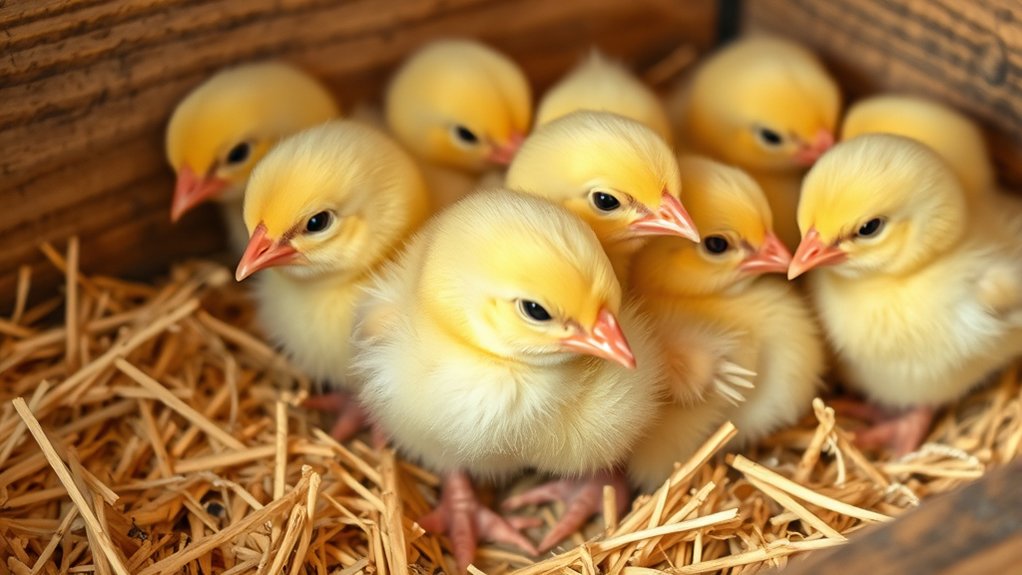
You can usually tell if your Tractor Supply chicks are really day-old by taking a close look at their physical features. It helps to check the packaging dates too, and watching how they behave can give you some good hints as well. So, let’s break down these signs so you know exactly what to expect.
Checking Chick Physical Features
Although Tractor Supply markets their chicks as day-old, it’s important to examine their physical features closely to confirm their actual age. First, check their fluff. Day-old chicks have soft, fluffy down, while older chicks start growing feathers.
Their eyes should be bright and alert, not dull or sunken. Look at their legs. Day-old chicks have smooth, thin legs, whereas older chicks’ legs appear sturdier.
You can also spot signs of improper egg incubation, like uneven feathering or lethargy, which may indicate poor hatch conditions. Keep an eye out for symptoms of poultry diseases, such as swollen joints or discharge, as these can affect chick health regardless of age.
Understanding Packaging Dates
When chicks arrive from Tractor Supply, the packaging date offers a crucial clue about their true age. This date helps you confirm if they’re genuinely day-old, ensuring you start their care correctly.
Knowing the exact age is essential because feeding schedules depend heavily on it. Younger chicks need more frequent, specific nutrition to thrive.
Also, the packaging date can hint at how long chicks spent in transit, which affects their stress levels. Stress impacts their health and cage cleanliness.
Older or stressed chicks might create messier environments that require more attention. By checking the packaging date, you can better anticipate the care your chicks need.
This helps you maintain proper feeding routines and keep their cages clean and safe, promoting healthy growth right from the start.
Observing Chick Behavior
Checking the packaging date gives you a baseline, but watching how your chicks behave reveals a lot about their true age. Newly hatched chicks, just out of egg incubation, are usually fragile and sleepy.
If your Tractor Supply chicks are active, alert, and pecking around enthusiastically, they might be older than day-old. Observe their coordination; day-old chicks are a bit wobbly, while older ones move steadily.
Also, watch for hen behavior cues. If the chicks respond to a broody hen’s calls or cluster as she does, it indicates natural early development.
Noticing these behaviors helps you confirm if your chicks match the advertised age or if they’ve had extra days post-hatching, ensuring you provide the right care from the start.
Why Chick Age Matters For Tractor Supply Chick Care

You’ll want to tweak your care as your chicks get older because their needs change pretty fast at each stage. When you keep an eye on their age, it’s easier to give them the right nutrition and catch any health problems early. So, let’s talk about how knowing your chick’s age helps shape your care routine at Tractor Supply.
Growth Stages Overview
Why does chick age play such a vital role in Tractor Supply chick care? Understanding growth stages helps you provide the right environment and care, especially for broiler breeds and egg production chicks.
Each stage demands specific attention to temperature, housing, and behavior to ensure healthy development.
| Growth Stage | Key Characteristics |
|---|---|
| Day 1-7 | Fragile chicks; need warmth & protection |
| Week 2-4 | Feathers start growing; more active |
| Week 5-8 | Broilers gain weight rapidly |
| Week 9-16 | Egg production starts for layers |
| Week 17+ | Chicks mature; full feather coverage |
Nutritional Needs Changes
How does chick age influence their nutritional needs at Tractor Supply? As chicks grow, their diet must adapt to support rapid development. Younger chicks require starter feed rich in protein to build muscle and feathers, while older chicks gradually shift to grower feed with balanced nutrients for sustained growth.
You’ll need to adjust feeding schedules accordingly. More frequent feeding for younger chicks helps meet their high energy demands.
Brooder temperature also plays a role. As it decreases with chick age, their metabolism slows, reducing their calorie needs.
If you don’t modify feeding schedules and feed types based on age, chicks might get undernourished or overfed. Paying close attention to these nutritional changes guarantees your Tractor Supply chicks thrive during every growth stage.
Health Monitoring Tips
Since chicks go through distinct growth stages, monitoring their health at Tractor Supply requires age-specific attention. You’ll want to check for changes in feather coloration, which can signal developmental progress or potential health issues. Younger chicks may have dull, sparse feathers, while older ones show vibrant, full plumage.
Keep an eye on mating behavior as chicks mature; early signs can indicate hormonal shifts or stress. Tracking these behaviors helps you adjust care routines accordingly. Also, watch for lethargy, poor appetite, or respiratory issues, as these symptoms often vary by age.
Setting Up Your Brooder For Tractor Supply Chicks
Before your Tractor Supply chicks arrive, you’ll want to prepare a warm, safe brooder that mimics their natural environment. Start by setting up a draft-free enclosure with plenty of space for the chicks to move around comfortably. Use a heat lamp or brooder plate to maintain the ideal brooder temperature, which should start around 95°F during the first week and decrease by 5°F each week until they’re fully feathered. Place a thermometer inside to monitor the temperature accurately.
Next, arrange feeders and waterers at chick level to encourage easy access. Although feeding techniques will be covered later, it’s important to provide clean, fresh water and chick starter feed right away. Add absorbent bedding like pine shavings to keep the area dry and reduce odors. Finally, guarantee good ventilation without cold drafts. Setting up your brooder properly ensures your Tractor Supply chicks stay healthy, warm, and comfortable during this critical growth stage.
Feeding Tips For Tractor Supply Day-Old Chicks
When you bring home day-old chicks from Tractor Supply, getting their feeding right is super important. First off, make sure they always have clean water available—it’s a must for their health. Then, pick the right starter feed that’s designed to support their growth.
You’ll also want to keep an eye on how often you feed them. Sticking to a good feeding schedule helps keep your chicks healthy and thriving. It’s all about giving them the best start possible!
Initial Water Requirements
How much water do day-old chicks need right after you bring them home from Tractor Supply? They require constant access to clean, fresh water to stay hydrated, especially as you adjust their feeding schedules and brooder temperature. Proper hydration supports digestion and helps chicks regulate their body heat.
Keep water shallow to prevent drowning and change it frequently to avoid contamination.
Here’s a quick guide on initial water needs:
| Age (Days) | Water Amount (ml/day) | Notes |
|---|---|---|
| 1 | 10-15 | Monitor closely after arrival |
| 2 | 15-20 | Adjust with feeding schedules |
| 3 | 20-30 | Ensure brooder temperature stable |
| 4 | 25-35 | Keep water clean and fresh |
| 5 | 30-40 | Encourage frequent drinking |
Choosing Starter Feed
Keeping your chicks well-hydrated sets the stage for their next important need: proper nutrition. Choosing the right starter feed is vital for healthy feather development and overall growth. You’ll want to select a high-quality chick starter feed with around 18-20% protein to support their rapid growth.
Make certain the feed is finely ground to make it easy for your day-old chicks to eat. Also, keep an eye on your brooder temperature. Chicks eat more when they’re comfortable, which promotes better feather development.
Avoid feeding adult chicken feed, as it lacks the essential nutrients young chicks need. Providing fresh feed daily and keeping it dry guarantees they get the best start in life, laying a strong foundation for healthy growth.
Feeding Frequency Guidelines
Although day-old chicks need constant access to food, you should offer their starter feed in small, frequent amounts throughout the day to prevent waste and encourage steady growth. Establishing clear feeding schedules helps maintain their energy and supports healthy development. Alongside regular feeding, consider incorporating nutritional supplements to boost immunity and vigor.
To optimize feeding frequency for your Tractor Supply chicks:
- Provide fresh feed every 2-3 hours during daylight.
- Avoid overfilling feeders to reduce spoilage.
- Monitor chick activity to adjust feeding times.
- Include clean, fresh water at all times.
- Introduce nutritional supplements as recommended by experts.
What To Expect During The First Week With Your Chicks
Once your chicks arrive, you’ll need to create a warm, safe environment to help them adjust quickly. Start by setting the brooder temperature to around 95°F, then lower it by 5°F each week as they grow. This heat is essential since chicks can’t regulate their body temperature yet.
During this first week, you’ll notice their feather development beginning. They’ll start replacing their soft down with tiny feathers, signaling healthy growth. Make sure the brooder is clean, dry, and free from drafts to keep them comfortable.
Provide constant access to fresh water and chick starter feed to support their rapid development. Keep an eye on their behavior; they should be active, eating, and drinking regularly. If they huddle tightly under the heat source, it’s too cold. If they stay away, it might be too warm.
Common Health Issues In Tractor Supply Chicks And How To Spot Them
As your chicks grow and their feathers fill in, staying alert to their health becomes a top priority. Early detection of common issues helps guarantee strong feather development and sets the stage for healthy egg production later on. Watch for these signs:
As chicks develop feathers, monitoring their health ensures strong growth and future egg production success.
Lethargy or weakness: Chicks that are unusually inactive may be ill or stressed.
Poor feather growth: Patchy or slow feather development can signal nutritional deficiencies or parasites.
Respiratory problems: Coughing, sneezing, or wheezing often indicate infections.
Diarrhea: Loose stools can be a sign of bacterial or viral infections.
Swollen joints or limping: May suggest injury or bacterial infections like arthritis.
Spotting these issues early allows you to act quickly, keeping your chicks healthy and on track for robust egg production. Regular observation and proper care are key to preventing long-term problems during this critical growth phase.
When Can You Safely Move Tractor Supply Chicks Outside?
Before you move your Tractor Supply chicks outside, make sure they’ve developed enough feathers to handle fluctuating temperatures. Typically, this happens around 6 weeks old when feather development is sufficient to protect them from cold and drafts.
Until then, keep the brooder temperature between 90°F and 70°F, lowering it gradually each week to mimic outdoor conditions. This helps chicks get used to the change smoothly.
Use the table below to monitor their readiness:
| Age (Weeks) | Feather Development Status |
|---|---|
| 1-2 | Down feathers only |
| 3-4 | Partial feather coverage |
| 5-6 | Most feathers developed |
| 6+ | Full feather coverage, ready |
Once your chicks have full feathers and the brooder temperature is close to outdoor temperatures, you can safely move them outside. Avoid moving them too early to prevent stress or illness from cold exposure.
How To Prepare Your Home Before Picking Up Tractor Supply Chicks
Knowing when your Tractor Supply chicks are ready to move outside is important, but preparing your home ahead of their arrival sets the foundation for their health and comfort. Since egg incubation and hatchery practices affect chick development, you’ll want a clean, safe environment to support their early growth.
Before picking up your chicks, make sure to set up a brooder with proper heat (around 95°F) and adjustable lighting. Provide clean waterers and feeders designed for small chicks. Use absorbent bedding like pine shavings to keep the area dry.
Secure the brooder against drafts, predators, and curious pets. Also, prepare a quarantine space if you have other birds to prevent disease spread.
What To Do If Your Tractor Supply Chicks Look Older Or Younger Than Expected
If your Tractor Supply chicks look older or younger than you expected, don’t panic. This can happen due to variations in hatch dates or handling during shipping.
First, closely monitor their behavior and physical condition rather than relying solely on appearance. Adjust your feeding schedules accordingly; younger-looking chicks may need more frequent, smaller meals, while older-looking ones can handle regular feeding times.
Make sure the brooder temperature suits their apparent age. Keep it warmer for younger chicks and gradually lower it for older ones to prevent stress or illness. Watch for signs of discomfort or lethargy, which could indicate improper temperature or feeding.
Finally, stay consistent with your care routine but be adaptable enough to modify as your chicks grow. If you’re ever unsure, consult Tractor Supply’s care guidelines or a local poultry expert to ensure your chicks thrive despite any age appearance discrepancies.
Frequently Asked Questions
Can I Buy Different Breeds of Chicks at Tractor Supply?
Yes, you can buy different breeds of chicks at Tractor Supply. They offer a variety of breed selections depending on the season and location. You’ll find popular breeds like Rhode Island Reds, Buff Orpingtons, and more.
Tractor Supply works with hatchery options to guarantee healthy chicks are available. Just check with your local store or their website to see which breeds they currently have in stock before you visit.
Do Tractor Supply Chicks Come Vaccinated?
Yes, Tractor Supply often offers chick vaccination to help protect your new birds from common diseases. When you buy chicks there, you’re likely getting vaccinated birds, though it’s always good to ask the store for specifics.
Since they carry a breed variety, vaccination helps keep all those different chicks healthy. If you want extra protection, you can also vaccinate your chicks yourself once you bring them home.
What Is the Best Time of Year to Buy Chicks From Tractor Supply?
Spring’s sweet season suits you best when buying chicks from Tractor Supply. During this time, temperatures temper, making feeding habits easier to manage and brooding tips more effective.
You’ll want to set up a cozy, controlled environment to support their growth. Starting in spring helps chicks thrive without harsh weather stress.
How Many Chicks Can I Order Online From Tractor Supply?
You can order up to 25 chicks online from Tractor Supply at once. When your chicks arrive, make sure you’re ready with proper brooder care. Keep the temperature steady and the bedding clean.
Follow feeding guidelines closely by providing chick starter feed and fresh water daily to support their growth. Managing their environment and nutrition carefully will help your chicks thrive from day one.
Are Tractor Supply Chicks Suitable for Beginners?
You’re like a gardener planting seeds for the first time. Starting with Tractor Supply chicks is totally doable.
They’re suitable for beginners as long as you commit to proper chick care and a good brooder setup. One new chick owner I know treated their brooder like a cozy nursery, and those chicks thrived.
Just keep the temperature right, provide clean water, and you’ll watch your flock grow happily and healthily.
Conclusion
When you buy chicks from Tractor Supply, they’re typically about one day old, which is essential for proper care. Curiously, day-old chicks can consume about 10 times their body weight in food during their first week, highlighting why timely feeding matters.
By understanding their age and needs, you’ll give them the best start possible. So, set up your brooder, prepare their food, and watch your chicks thrive from day one! Knowing how old chicks from Tractor Supply are helps you provide exactly what they need right away.