What Is a Female Chicken Called?
If you’ve ever found yourself confused about what to call a female chicken or how to tell them apart at different life stages, you’re not alone. Many people struggle with identifying hens, pullets, and chicks, especially when starting out with backyard chickens or farming. Understanding these terms can make a big difference in how you care for them and recognize their behaviors.
You call an adult female chicken a hen, while younger females not yet laying eggs are pullets, and baby chickens are called chicks. Hens have smaller combs, lay eggs, and show nesting behaviors, unlike males with vibrant feathers and crowing.
Knowing these terms helps you care for them properly at different life stages. If you want to understand their unique behaviors, care needs, and identification tips, there’s more useful info ahead.
Key Takeaways
- An adult female chicken is called a hen, and she’s capable of laying eggs.
- A young female chicken between 6 and 20 weeks old is called a pullet.
- Baby female chickens are referred to as chicks until they mature.
- Regional terms for female chickens may vary, especially for young or reproductive stages.
- Hens show specific behaviors like nesting and brooding that set them apart from males.
What Is a Female Chicken Called?
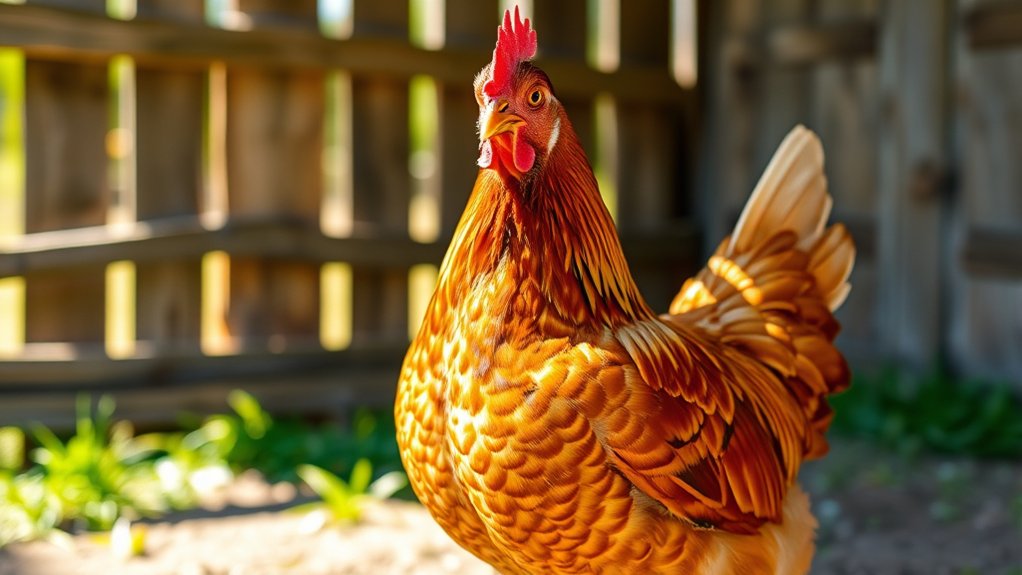
Although many people use the term “hen” to refer to a female chicken, it’s important to know that this specifically means an adult female. When you’re caring for hens, understanding their chicken dietary needs is vital to keeping them healthy and productive.
Unlike chicks or roosters, hens have specific nutritional requirements, especially when they start laying eggs. You’ll want to provide a balanced diet rich in calcium and protein to support poultry health management effectively. This helps prevent common issues like weak shells or poor feather quality.
By recognizing that a hen is an adult female chicken, you can tailor your care practices accordingly. This includes monitoring their diet, environment, and overall health closely.
Differences Between Female and Male Chickens
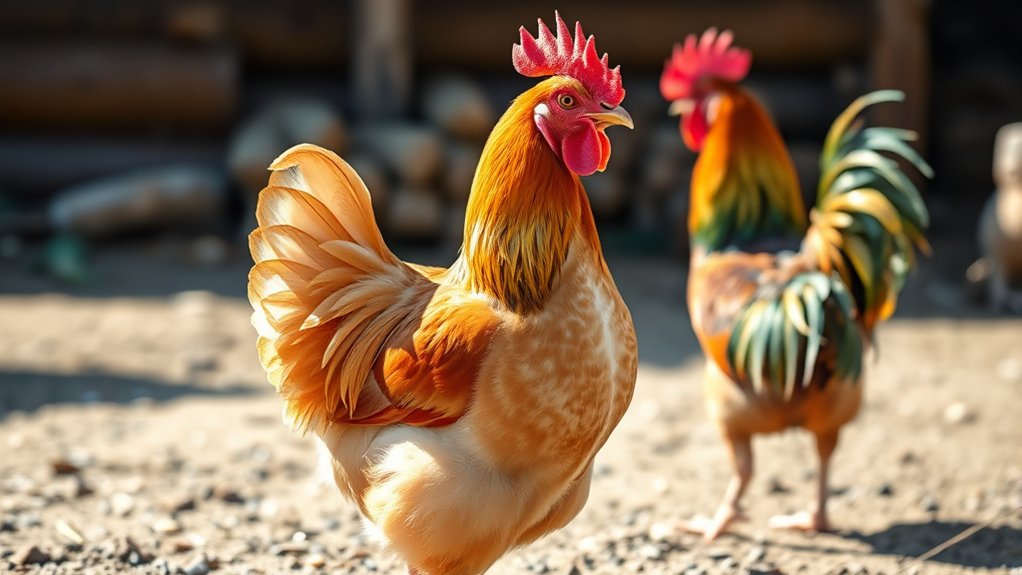
When you compare female and male chickens, you’ll notice clear differences in appearance, behavior, and roles within the flock. The male cock stands out with its larger size, more vibrant plumage, and prominent comb and wattles. You’ll also see that male cocks often have longer tail feathers and spurs, which they use for dominance and protection.
In contrast, female chickens have more subdued colors, which helps them blend in while nesting. Behaviorally, male cocks tend to be more aggressive and protective, often crowing to establish territory. Females focus mainly on egg production, laying eggs regularly to sustain the flock.
While male cocks do not lay eggs, their primary role involves guarding and leading the group. Understanding these differences helps you appreciate how each chicken contributes distinctively to flock dynamics and productivity.
What Does the Term “Hen” Mean for Female Chickens?

What exactly does the term “hen” mean when referring to female chickens? In historical farming terms, a “hen” specifically denotes an adult female chicken that has reached maturity and is capable of laying eggs. Farmers have long used this term to distinguish mature females from younger ones, such as pullets.
When you hear “hen,” think of a bird that’s past the juvenile stage and actively involved in egg production. Beyond farming, the term “hen” also appears in culinary uses. In cooking, hen meat is often preferred for its richer flavor compared to a young chicken, making it a staple in traditional recipes.
When Is a Female Chicken Called a Pullet?
You call a female chicken a pullet when she’s between birth and about one year old—basically before she starts laying eggs regularly. She’s usually smaller in size and has less developed comb and wattles compared to adult hens. Knowing these age and physical traits makes it easier to spot a pullet.
Age Range Criteria
A female chicken earns the title of “pullet” during a specific window of her early life, typically between 6 weeks and 20 weeks old. During this time, she hasn’t reached full egg production yet but is approaching it.
You’ll notice her developing quickly as she progresses from chick to young hen. This age range is vital because it marks the period before molting patterns begin to appear, which usually happen later in her life.
Physical Characteristics
Knowing the age range when a female chicken is called a pullet gives you a timeline, but recognizing her physical traits makes it easier to identify her stage. Pullets often showcase brighter chicken feather colors than chicks but aren’t as vivid as adult hens.
You’ll notice their combs and wattles developing but still small. Also, listen closely. Female chicken vocalizations start to mature, shifting from soft peeps to clearer clucks.
| Trait | Pullet Characteristics |
|---|---|
| Feather Colors | Developing vibrant, mixed hues |
| Comb Size | Small, pinkish |
| Wattle Size | Small, not fully developed |
| Vocalizations | Softer clucks, not fully loud |
| Body Size | Medium, not fully grown |
These signs help you know when a female chicken graduates from chick to pullet.
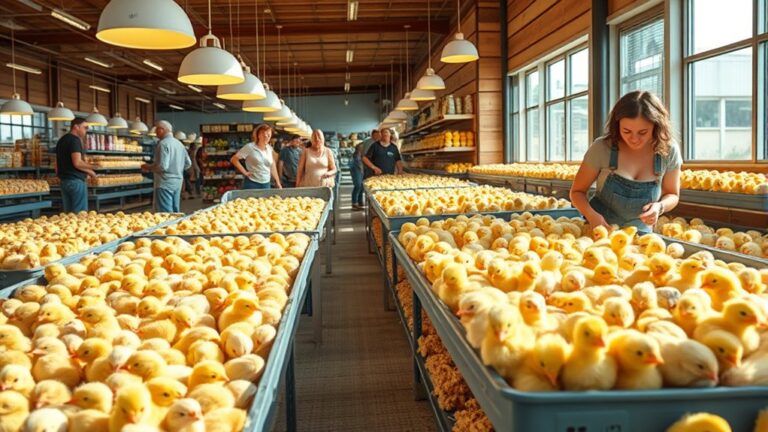
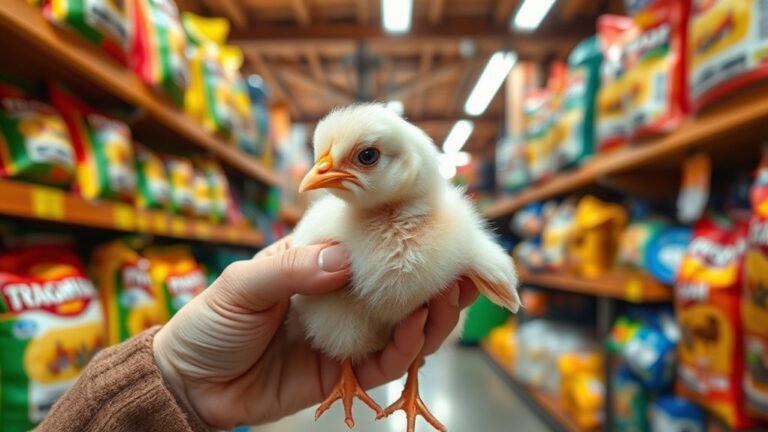
Why Are Baby Chickens Called Chicks?
Although baby chickens might seem simple, the term “chick” has a specific origin tied to their size and early development. When you think about it, a chick is small and vulnerable, just hatched from an egg, which makes the term fitting.
The word “chick” captures their early stage before they grow feathers and develop the distinctive coloration that helps identify their breed and role, especially in egg production.
As a chick matures, you’ll notice changes in feather coloration that signal its passage into adulthood, essential for determining its future egg-laying potential.
Understanding why baby chickens are called chicks also helps you appreciate the life cycle from egg to fully grown hen or rooster. So, the name reflects more than just their youth; it highlights the vital early phase before they contribute to egg production or other roles on the farm.
How Female Chicken Names Differ by Region
Since language reflects culture, female chicken names vary widely across regions. You might find it surprising how local traditions shape what these birds are called.
Depending on how communities observe chicken mating habits or egg laying behaviors, these names can differ considerably. For example, some regions emphasize the hen’s role in egg production, while others focus on her role in mating rituals, affecting the terminology used.
| Region | Female Chicken Name | Cultural Focus | Notes |
|---|---|---|---|
| United States | Hen | Egg laying behaviors | Common term, highlights egg layers |
| United Kingdom | Hen | Egg laying behaviors | Similar to US, traditional use |
| Australia | Hen | Chicken mating habits | Emphasizes reproductive role |
| India | Desi Murghi | Local breeds & behaviors | Reflects native breeds and roles |
Understanding these differences helps you appreciate how culture influences even simple terms like female chicken names.
Common Traits and Behaviors of Female Chickens
You’ll notice that female chickens have some distinct physical features, like smaller combs and wattles compared to the males. They’re also known for their nesting and brooding behaviors, which means they often show strong maternal instincts. When you understand their social patterns, it really helps you manage how they interact within the flock more effectively.
Physical Characteristics
Female chickens, commonly called hens, display distinct physical traits that set them apart from males. You’ll notice hens have smaller combs and wattles compared to roosters, which helps identify them easily. Their bodies are usually more rounded and compact, supporting efficient egg production.
Unlike roosters, hens have less pronounced tail feathers and spurs. Regarding flight capability, hens can manage short bursts, allowing them to escape predators or reach low perches, but they’re not strong fliers. Their feathers tend to be softer and less vibrant, focusing more on practicality than display.
Understanding these physical characteristics helps you recognize hens and appreciate how their bodies are perfectly designed for laying eggs and daily survival.
Nesting and Brooding
How do hens prepare for the arrival of their chicks? They carefully select a quiet, safe nesting spot to lay eggs, reflecting their natural egg laying habits. You’ll notice hens becoming more protective and spending more time in the nest to keep their eggs warm.
This brooding behavior ensures the eggs develop properly until they hatch. During molting cycles, hens temporarily stop laying eggs as their bodies focus on regrowing feathers, which can affect their nesting routine.
Once the chicks hatch, hens instinctively provide warmth and protection, guiding them through their early days. Understanding these nesting and brooding behaviors helps you appreciate the care female chickens invest in raising their young, tied closely to their natural cycles and instincts.
Social Behavior Patterns
After hatching, hens don’t just care for their chicks. They also engage with other chickens in the flock through a variety of social behaviors. You’ll notice hens establish a social hierarchy, often called the pecking order, which helps reduce conflicts and maintain order.
This hierarchy affects access to food, nesting spots, and even influences egg production. Dominant hens usually get prime nesting areas, which can boost their egg-laying consistency. As you observe, hens communicate through clucks and body language to signal warnings, establish dominance, or invite others to join.
Understanding these social behavior patterns helps you manage your flock better, ensuring a healthy environment where each hen can thrive and contribute to steady egg production.
How to Identify a Female Chicken on a Farm or Backyard
When you step onto a farm or into a backyard flock, spotting a hen becomes easier once you know what traits to look for. Female chickens, or hens, usually have softer feather color and less vibrant plumage compared to roosters. They’re also the ones responsible for egg production, so you’ll often see them near nesting boxes.
Look for smaller combs and wattles, as hens’ are less pronounced. Their behavior is calmer, and they tend to stay closer to the ground.
Here’s a quick guide to help you identify a female chicken:
| Trait | Female Chicken (Hen) | Emotion Evoked |
|---|---|---|
| Feather Color | Soft, muted tones | Calmness |
| Comb & Wattle | Small and less bright | Gentleness |
| Egg Production | Active layers near nests | Nurturing instinct |
Why Knowing Female Chicken Names Helps With Their Care
Why does knowing the names of your female chickens matter for their care? When you identify each hen by name, you’re better equipped to monitor their egg laying habits and spot changes in health or behavior quickly. Recognizing feather coloration patterns tied to specific hens also helps you keep track of their well-being and breed characteristics.
Here’s why naming your female chickens benefits their care:
Track egg laying habits: Notice if a hen’s production drops or improves.
Monitor health signs: Identify any feather loss or unusual patterns early.
Enhance feeding routines: Tailor diets based on individual needs.
Build a bond: Personalized care encourages attentive observation.
Tips for Caring for Female Chickens Based on Their Age and Type
You’ll want to tweak your care routine depending on whether you’re looking after pullets or adult hens. It’s a bit different for each age group, so paying attention to their specific needs really helps. Plus, different breeds come with their own unique requirements that can influence their health and how well they lay eggs. So, let’s dive into some practical tips to make sure you’re giving your female chickens the best care possible at every stage.
Caring For Pullets
How do you guarantee your pullets grow into healthy, productive hens? Start by focusing on their specific needs during this essential growth phase. Proper care influences future egg production and molting patterns, so pay close attention.
Here are key tips for caring for your pullets:
- Provide balanced feed rich in protein and calcium to support growth and future egg-laying.
- Make certain a clean, dry, and safe environment to prevent disease.
- Monitor their behavior and health daily, catching any issues early.
- Gradually introduce them to natural light cycles to regulate molting and egg production rhythms.
Managing Adult Hens
When should you adjust your care routine as your pullets mature into adult hens? Once they start regular egg laying habits, you’ll need to provide extra calcium and protein. During molting cycles, hens require more rest and a nutrient-rich diet to grow new feathers.
Monitoring these phases helps keep your flock healthy and productive.
| Stage | Care Focus |
|---|---|
| Early Adulthood | Boost nutrition for egg laying |
| Molting | Increase protein and rest |
| Post-Molt | Gradually return to normal feed |
Pay attention to changes in behavior and feather condition. Adjust your feeding and housing accordingly to support their changing needs throughout adulthood.
This ensures your hens stay strong and continue laying eggs consistently.
Breed-Specific Care Tips
Although all hens share basic needs, caring for female chickens based on their breed and age requires specific adjustments. Different breeds have unique egg production rates and molting cycles that affect their nutrition and housing needs.
For example, high-producing layers like Leghorns need extra calcium during peak laying, while heritage breeds benefit from more space and varied diets.
Here are some breed-specific care tips:
- Adjust feed to support varying egg production demands across breeds.
- Provide extra warmth and protein during molting cycles to help recovery.
- Tailor coop size and bedding based on breed size and activity levels.
- Monitor older hens for reduced egg output and adjust care accordingly.
Frequently Asked Questions
What Do Female Chickens Eat Daily?
You feed female chickens a balanced diet daily to meet their nutritional needs. Their feeding habits include grains, seeds, and commercial poultry feed rich in protein and calcium, essential for egg production.
You should also provide fresh greens, insects, and clean water to keep them healthy. Avoid overfeeding treats, and make sure they get enough nutrients to stay active and produce quality eggs regularly.
How Long Do Female Chickens Live?
You can expect female chickens to live around 5 to 10 years, depending on their environment and care. Their hen social behavior plays a big role in their well-being, as they thrive in groups and form strong bonds.
You’ll notice their chicken grooming habits, like dust bathing and preening, keep them healthy and comfortable. By providing good care and a stress-free social setting, you’ll help your hens live a longer, happier life.
Can Female Chickens Fly Short Distances?
Yes, female chickens can fly short distances, but their flight mechanics limit them compared to migratory birds. Unlike bird migration, where birds cover long distances efficiently, chickens use quick bursts of flight mainly to escape predators or reach higher perches.
Their wings are better suited for brief flapping rather than sustained flight, so you won’t see them soaring far. Understanding these flight mechanics helps explain why their flying ability is short and functional.
What Diseases Commonly Affect Female Chickens?
Diseases like salmonella, avian influenza, and Marek’s disease often trouble your hens. Just as chicken feather color varies, hen behavior patterns change when they’re sick. Lethargy or loss of appetite might strike.
You’ll want to keep an eye out for respiratory issues and parasites too. Staying vigilant helps you protect your flock’s health, ensuring vibrant feathers and lively behaviors continue to brighten your coop.
How Often Do Hens Lay Eggs?
You’ll find that hens typically lay eggs about once every 24 to 26 hours, though this can vary with chicken breeding and hen behavior. Some breeds are more prolific layers, while others take breaks based on their environment or stress levels.
If you pay attention to hen behavior, like nesting and clucking, you can often predict when she’s ready to lay. Keep in mind, factors like daylight and nutrition also play big roles.
Conclusion
Think of female chickens like the sun in your backyard farm. They quietly bring life and warmth. Just as a sunbeam nurtures plants, hens nurture your flock by laying eggs and keeping chicks safe.
Knowing when a pullet becomes a hen is like watching a flower bloom. It helps you care for them better. By understanding their names and needs, you’ll create a thriving, happy coop where every chicken shines bright.
So, when you learn what a female chicken is called, you’re not just naming her—you’re connecting with the heart of your flock.