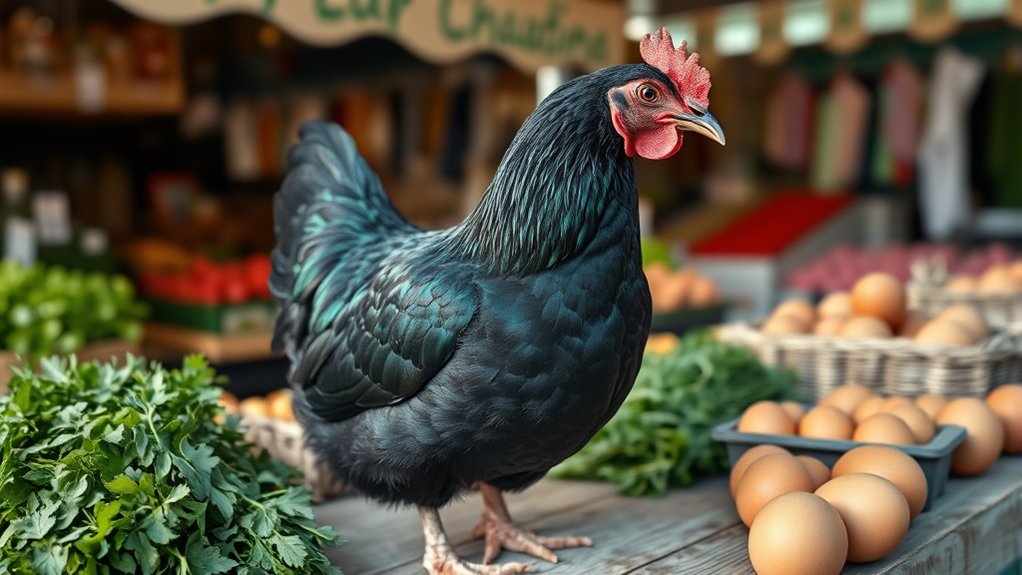
5 Facts About How Much Black Chicken Costs
If you’ve ever shopped for black chickens, you know it can be tricky to figure out if you’re getting a fair price. You’re not alone—many people struggle with understanding why black chickens cost more than regular ones and what factors influence their value.
Whether you’re buying live birds or just their meat, knowing what drives the price can save you money and frustration.
You’ll find black chickens cost more than regular ones because they’re rarer and need special care. Their meat is richer in nutrients, growing slower for better flavor, which adds to the price.
Live black chickens usually range from $20 to $50, while their meat sells for $10 to $20 a pound. Breed rarity and organic feeding also push costs up.
If you want to know how to spot fair prices and where to buy, keep exploring what affects their value.
Key Takeaways
- Black chickens typically cost between $20 and $50 each when sold live. The price depends on factors like age and farming methods.
- Black chicken meat generally ranges from $10 to $20 per pound. This is because of its nutritional benefits and quality.
- Rarity, breed, and special care all increase black chicken prices compared to regular chickens.
- Organic, free-range feeding and nutrient-rich diets also contribute to higher market prices for black chickens.
- Farmers’ markets and reputable online vendors offer fair prices by balancing quality and cost effectively.
Why Are Black Chickens More Expensive Than Regular Chickens?
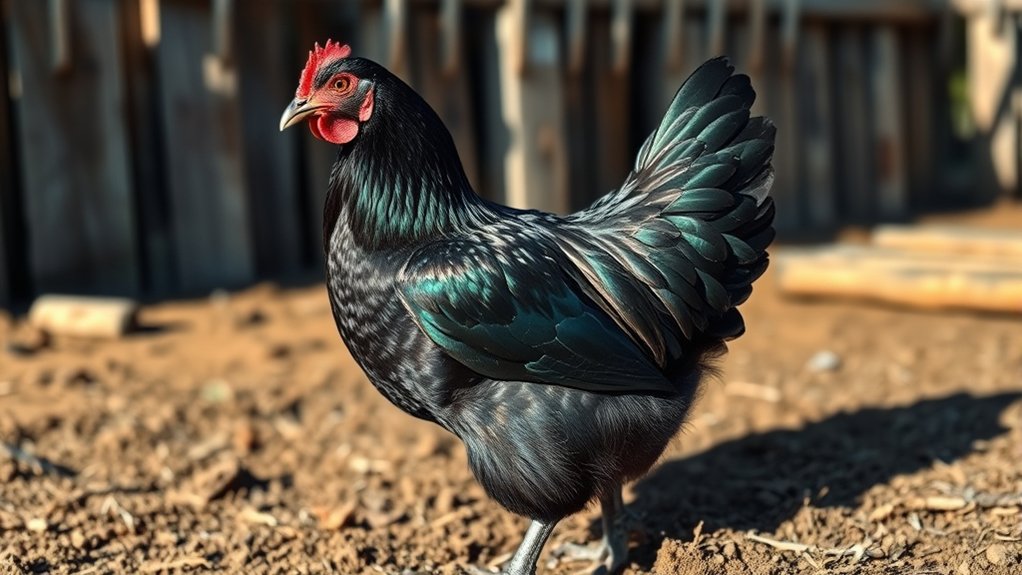
Although black chickens might look similar to regular chickens, they often cost more because they’re rarer and require special care. When you choose black chickens, you’re not just paying for their unique appearance; you’re investing in their nutritional benefits, too. Their meat tends to be richer in antioxidants and certain minerals compared to regular chicken, which can make your meals healthier. Plus, these birds usually grow more slowly, meaning you get a denser, more flavorful product.
You’ll also find that black chickens carry deep cultural significance in many parts of the world. In some cultures, they’re believed to bring good luck or possess medicinal properties, which raises demand and value. Because of these factors, breeders put extra effort into maintaining their care and quality. So, when you pick black chickens, you’re paying for rarity, health perks, and a connection to tradition all at once.
How Much Do Black Chickens Cost? (Meat and Live Birds)
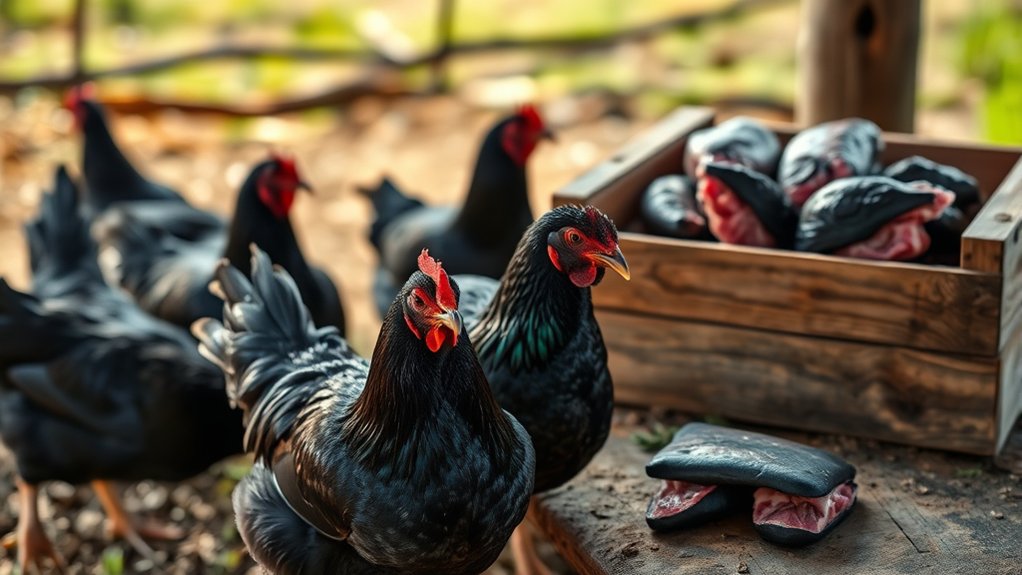
When you’re ready to buy black chickens, you’ll notice their prices vary depending on whether you’re purchasing live birds or meat. Live black chickens typically range from $20 to $50 each, influenced by factors like age and farming methods.
Black chicken farming often emphasizes organic feed and slower growth, so these birds cost more than regular chickens. If you’re buying black chicken meat, expect to pay between $10 and $20 per pound.
This higher price reflects the bird’s unique nutrition, known for being richer in certain antioxidants and minerals. Whether you opt for live birds or meat, the quality and care involved in raising black chickens directly impact the cost.
Knowing this, you can make informed decisions based on your budget and preference for fresh birds or ready-to-cook meat.
How Do Different Black Chicken Breeds Affect Price?
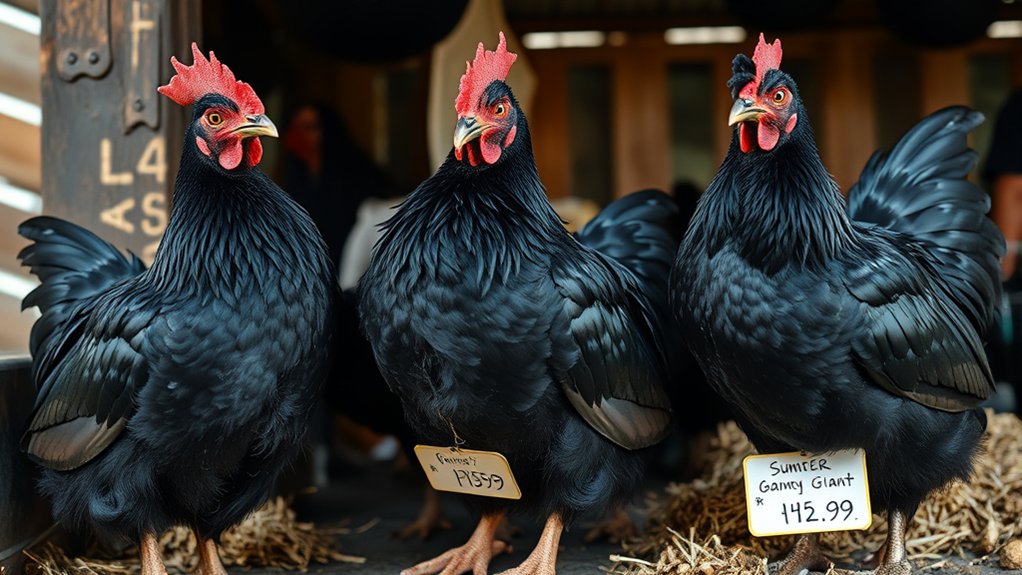
Prices for black chickens don’t just depend on whether you buy live birds or meat. They also vary based on the breed. Different black chicken breeds come with unique characteristics shaped by specific breeding methods, which directly influence their cost.
For example, some breeds are rare or require specialized breeding techniques, making them pricier. When you pick a breed, consider how difficult it is to raise and maintain, as that affects supply.
Market demand plays a huge role too. If a particular black chicken breed gains popularity for its taste or appearance, prices tend to rise. On the other hand, breeds with less demand usually cost less.
Which Quality Traits Make Black Chickens Cost More?
Because certain quality traits directly impact the value of black chickens, understanding these characteristics can help you make better purchasing decisions. One key factor is feeding habits. Chickens raised on natural, nutrient-rich diets often develop superior meat quality and flavor, which increases their market price. You’ll notice that black chickens fed organic or free-range diets usually cost more because their feeding habits contribute to healthier, tastier meat.
Breed variations also play a significant role. Some black chicken breeds possess unique traits like firmer texture, richer color, or specific flavor profiles that make them more desirable. If you’re aiming for quality, choosing a breed known for these traits ensures you get better value.
In short, focusing on feeding habits and breed variations helps you understand why some black chickens cost more. These quality traits assure taste, texture, and overall appeal, guiding you to make informed, cost-effective choices.
Where Can You Buy Black Chickens Without Overpaying?
Understanding the quality traits that affect black chicken costs helps you recognize where to find fair prices. When searching for black chickens without overpaying, focus on reliable sources that balance quality and cost effectively. Here are three places to ponder:
Knowing quality factors behind black chicken prices guides you to fair, balanced purchasing choices.
- Farmers’ markets often offer fresh, locally raised black chickens. You can ask vendors directly about their breeding and care practices, ensuring you pay a reasonable price for quality birds.
- Online vendors provide a wide selection at competitive prices. Look for reputable sellers with positive reviews to avoid overpriced or low-quality chickens.
- Local hatcheries sometimes sell black chickens in bulk or during seasonal sales, giving you a chance to buy at lower rates.
Frequently Asked Questions
What Health Benefits Do Black Chickens Provide?
You’ll find black chicken offers impressive health benefits thanks to its rich nutritional content, including high protein and antioxidants. When you use gentle cooking methods like steaming or slow cooking, it retains more nutrients that support your immune system and improve circulation.
Plus, its lower fat content helps maintain heart health. So, choosing black chicken and cooking it properly can boost your overall well-being effectively.
How Do Black Chickens Taste Compared to Regular Chickens?
Tasting black chicken is like uncovering a hidden treasure chest in your kitchen. It’s richer and more flavorful than regular chicken. When you explore black chicken recipes, you’ll notice its meat is tender with a slightly gamey twist, making your dishes stand out.
Cooking black chicken requires a bit more care to preserve its unique flavor. But once you master it, you’ll love how it transforms simple meals into gourmet experiences.
Can Black Chickens Be Raised in Small Backyards?
Yes, you can raise black chickens in small backyards. You just need to create a safe backyard habitat that offers enough space for them to roam and forage.
Make sure to provide good predator protection, like secure fencing and covered coops, to keep them safe from raccoons, hawks, or neighborhood dogs. With proper care and a well-designed environment, black chickens thrive happily even in limited backyard spaces.
What Is the Typical Lifespan of a Black Chicken?
Coincidentally, the typical lifespan of a black chicken is around 8 to 10 years, giving you plenty of time to investigate various cooking methods. As you raise your black chicken, you’ll appreciate its rich nutritional value, packed with antioxidants and protein.
Whether you roast or stew it, knowing its lifespan helps you plan meals and care routines. So, you’ll enjoy both the longevity and delicious benefits black chickens offer.
Are Black Chickens More Resistant to Diseases?
Yes, black chickens tend to be more resistant to diseases due to their unique genetic traits. When you raise them, you’ll notice they often handle illnesses better than other breeds.
However, these genetic traits can also come with breeding challenges, making it a bit tricky to maintain a healthy flock. If you manage those challenges well, you’ll benefit from their natural resilience and enjoy a robust, hardy group of birds.
Conclusion
You might be surprised to find that the price of black chickens matches their unique qualities, just like stumbling upon a hidden gem in your local market. When you consider their distinctive breeds and superior traits, paying a bit more feels like a lucky coincidence.
So next time you’re shopping, remember: investing in black chickens isn’t just about cost, it’s about unearthing value that’s as rare and special as the birds themselves. Black chickens truly offer something unique worth every penny.