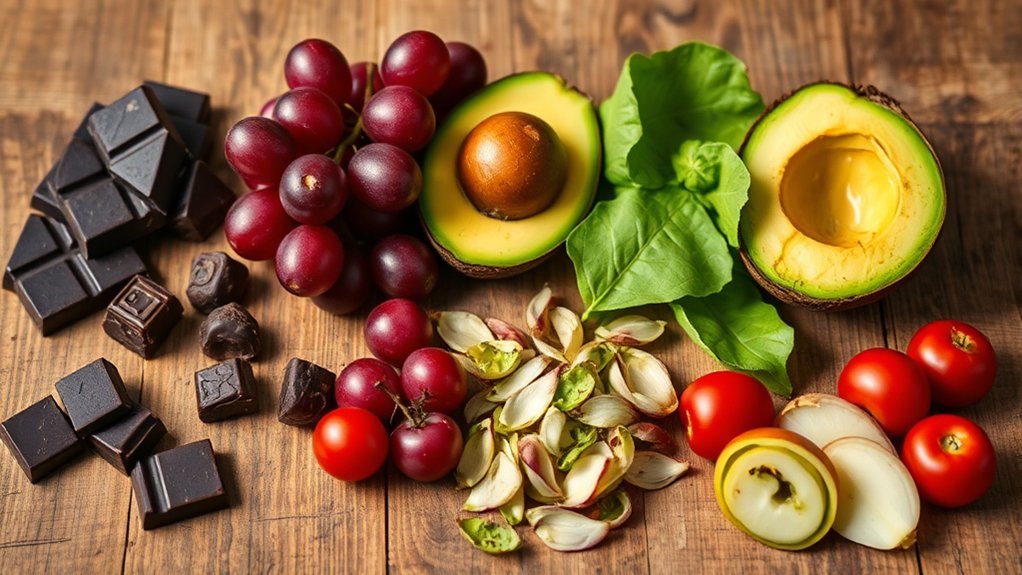
7 Toxic Foods for Chickens
If you keep chickens, you know how important it is to keep them healthy and happy. But with so many foods out there, it’s easy to accidentally give them something harmful. You’re not alone—many people struggle with figuring out which foods are safe and which can cause serious problems for their flock.
If you keep chickens, avoid seven toxic foods: avocados, onions, garlic, chocolate, coffee, raw beans, and moldy or spoiled leftovers. You should also skip salty snacks, sugary junk food, and any food with toxic plants or mold. Toxic Foods for Chickens.
These items can cause weakness, digestive upset, anemia, tremors, or even poisoning.
Keep treats simple and safe, and store feed well. If you want to protect your flock better, there’s more to know about each risk.
Key Takeaways
- Chickens should never eat moldy bread, spoiled leftovers, or other spoiled foods. These can cause digestive illness.
- Avocado fruit, skin, pit, and leaves contain persin. This can cause weakness and breathing trouble in chickens.
- Onions, garlic, and other alliums can damage red blood cells and lead to anemia.
- Chocolate, coffee, and tea contain caffeine and theobromine. These may cause tremors, rapid heart rate, and poisoning.
- Avoid toxic plants like nightshade and rhubarb leaves. Also, salty or sugary junk foods harm chicken health.
What Foods Are Toxic to Chickens

Some foods you might eat every day can seriously harm chickens, so it’s important to know what to keep out of their feed. You protect chicken health when you avoid moldy bread, raw beans, spoiled leftovers, salty snacks, and sugary junk.
You should also skip toxic plants like nightshade, rhubarb leaves, and foxglove, since even small amounts can trigger digestive issues or worse. Keep your poultry diet simple and balanced by offering quality feed first, then add safe treats in moderation.
Good food preparation matters too: wash produce, remove pits and peels when needed, and never serve anything seasoned with garlic or onion powder. Follow basic feeding guidelines, and you’ll support nutritional balance without risking illness.
Wash produce, remove pits and peels, and avoid garlic or onion seasoning to keep chickens safe.
If you’re unsure about a food, don’t guess. Leave it out. A careful approach keeps your flock healthy, active, and ready to lay well.
Avocados and Related Toxic Foods

Avocados deserve special caution because the fruit, skin, pit, and leaves contain persin, a toxin that can make chickens sick. You should keep every part of the plant out of your flock’s reach, because avocado toxicity can cause weakness, breathing trouble, and sudden death in severe cases.
Don’t toss peels or scraps into the run, and don’t let birds forage beneath avocado trees. If you keep chickens near an orchard, fence off fallen fruit and clean it up quickly.
You should also watch for related fruits with large pits or unsafe flesh if they’re moldy, spoiled, or treated with chemicals, since these can add extra risk. When you want to offer treats, choose safe produce instead and introduce any new food slowly.
If a chicken shows illness after eating avocado, contact a veterinarian promptly. Quick action can protect your flock and prevent serious harm.
Onions, Garlic, and Alliums

Onions, garlic, leeks, chives, and other alliums can harm chickens because they contain compounds that damage red blood cells and lead to anemia. If you feed them scraps often, you may notice weakness, pale combs, reduced appetite, or a drop in egg laying.
Watch for onion effects after meals and treat garlic toxicity as a real risk, even in cooked leftovers.
| Allium | Risk |
|---|---|
| Onion | Can trigger anemia |
| Garlic | May cause toxicity |
| Leek | Can weaken birds |
| Chive | May reduce health |
You should skip seasoned foods, onion peels, and garlic-heavy dishes. Small accidental bites usually won’t harm every bird, but repeated exposure raises the danger.
Keep your flock’s feed plain, and offer safe greens, grains, and clean water instead. If you suspect poisoning, remove the food, separate the bird, and contact a poultry vet quickly for guidance.
Chocolate, Coffee, and Caffeinated Foods
Chocolate, coffee, tea, energy drinks, and other caffeinated foods can be dangerous for chickens because caffeine overstimulates their nervous system and can cause restlessness, rapid heart rate, tremors, or even death in severe cases. You should never offer chocolate, mocha-flavored treats, or leftover coffee grounds, since even small amounts can trigger caffeine effects that stress your flock.
Chocolate also contains theobromine, so chocolate poisoning can happen when chickens peck at candy, baked goods, or cocoa powder. Keep drinks, desserts, and snack wrappers out of reach, and check compost piles for discarded sweets.
If you suspect exposure, watch for jitteriness, weakness, panting, or unusual behavior, then contact a poultry-savvy veterinarian right away. Quick action can reduce harm, but prevention works best. Store all caffeinated products securely, clean up spills promptly, and teach everyone in your household not to share human treats with chickens.
Raw Beans and Undercooked Legumes
Raw beans and undercooked legumes can be dangerous for chickens because they contain natural toxins that interfere with digestion and can make birds seriously ill. You should never offer raw legumes, since even small amounts can trigger bean toxicity and reduce a bird’s ability to absorb nutrients.
If you want to protect your flock, keep dried beans, peas, lentils, and similar foods fully cooked and plain. Chickens peck at many scraps, but you need to check every treat first.
- Avoid uncooked kidney beans
- Cook legumes until soft
- Serve plain, without seasoning
- Remove accidental kitchen scraps
- Watch for drooping, weakness, or vomiting
If you suspect bean toxicity, remove the food immediately and contact a veterinarian for advice. Safe feeding habits help you keep your chickens active, healthy, and productive.
Moldy Foods and Spoiled Leftovers
Moldy foods and spoiled leftovers can be very dangerous for chickens because fungi and bacteria can produce toxins that upset digestion and make birds sick. You should never feed damp bread, fuzzy produce, or forgotten scraps from your kitchen. Even a small amount can trigger vomiting, diarrhea, weakness, or crop problems.
Check every item before you toss it into the coop, and use mold identification to spot discoloration, musty smells, slimy texture, or unusual growth. If you’re unsure, throw it out.
Good spoilage prevention starts with storing feed in dry, sealed containers and removing leftovers quickly before they sit in warm weather. Clean feeders and waterers often so contamination doesn’t spread.
You’ll protect your flock best when you offer fresh, safe treats and avoid anything that looks old, wet, or questionable. When in doubt, keep it out.
Salty, Sugary, and Processed Foods
Salty, sugary, and heavily processed foods aren’t good choices for chickens because they can throw off nutrition and strain a bird’s system. When you share table scraps, you may think you’re offering variety, but salty snacks, sugary treats, processed grains, and fast food can quickly create problems.
Excess salt can dehydrate them, while too much sugar can upset digestion and encourage poor eating habits. Processed foods often lack the protein, fiber, and minerals your flock needs to stay active and lay well.
- Skip chips and pretzels.
- Avoid candy, cookies, and soda.
- Don’t feed breaded or fried fast food.
- Limit packaged cereals and crackers.
- Choose plain grains, greens, and poultry feed.
If you want healthy hens, keep their diet simple and balanced. Fresh feed, clean water, and occasional vegetables are much safer than human junk food.
Frequently Asked Questions
How Can I Tell if My Chicken Ate Something Toxic?
Watch for sudden symptom identification and behavioral changes right away. You might see diarrhea, vomiting, weakness, droopy wings, trouble breathing, loss of appetite, or a swollen crop.
Check whether your chicken seems wobbly, sleepy, or unusually quiet. If you notice any of these signs, remove the suspected food, offer fresh water, and call a vet quickly. You can save the food sample to help identify the toxin.
What Should I Do Immediately After a Chicken Eats Poison?
Get your chicken away from the poison and start an emergency response right now. You should remove any remaining material, note what the bird ate, and call a vet or poison hotline immediately for poison identification.
Don’t make her vomit unless a professional tells you to. Keep her warm, calm, and isolated while you watch for drooling, weakness, or trouble breathing.
Bring the package or a photo to help treatment fast.
Can Chickens Recover From Food Poisoning Without Veterinary Care?
Yes, chickens can sometimes recover from food poisoning without veterinary care if you spot it early and act fast. You’ll need to focus on symptom identification, like drooping, diarrhea, or refusing feed.
Then remove the suspected food and give clean water. Recovery time depends on how much they ate and how sick they are. If you notice worsening weakness, seizures, or no improvement within a day, call a vet.
How Can I Prevent Chickens From Finding Unsafe Foods?
You can prevent chickens from finding unsafe foods by limiting access, not freedom. Use secure fencing, cover compost, and keep garbage, chemicals, and pet food out of reach.
You should supervise free-ranging time and teach everyone in your home what’s off-limits. Offer safe snacks in designated spots so they forage where you want.
Good foraging safety starts with clean runs, closed gates, and quick cleanup after meals or yard work.
Are There Long-Term Effects After Chickens Eat Toxic Food?
Yes, if your chickens eat toxic food, you can see long-term health problems later. You might notice poor growth, reduced egg laying, weakness, or liver and kidney damage.
Some toxic food sources cause lasting digestive trouble or even death. Watch for changes in appetite, droppings, and behavior, and contact a vet quickly.
You can limit damage by removing the food, giving fresh water, and monitoring them closely afterward.
Conclusion
Keeping your flock healthy means knowing what not to feed them. When you avoid avocados, onions, chocolate, raw beans, moldy scraps, and salty processed foods, you give your chickens a safer chance to thrive.
Why risk a bird’s health over a bad snack? Stick to wholesome treats, fresh water, and balanced feed, and you’ll help your chickens stay active, productive, and happy.
A little caution now can prevent a lot of trouble later. Remember, understanding toxic foods for chickens is key to keeping your flock safe and healthy.