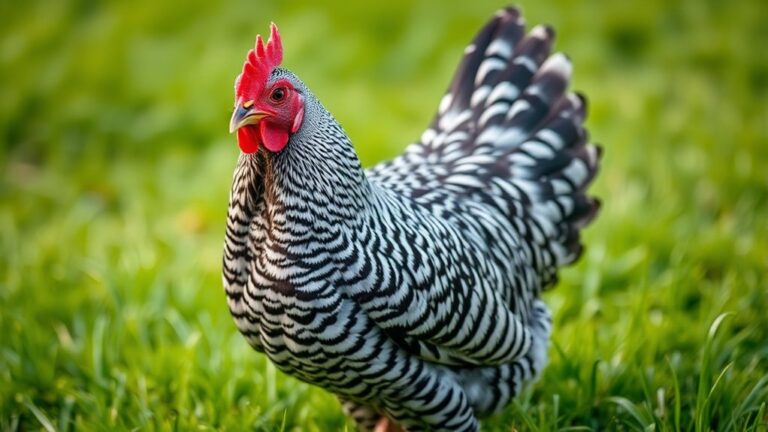
Raising Chickens for Meat: 7 Steps to Get Started
If you’ve ever wanted to raise chickens for meat but felt overwhelmed by all the steps involved, you’re not alone. Many people struggle with where to start or how to keep their birds healthy and growing well.
The good news is, with the right guidance and tools, you can enjoy a successful and rewarding experience.
To raise chickens for meat, you’ll want to choose fast-growing broiler breeds, set up a safe brooder, and feed them a high-protein starter ration for steady growth.
Keep heat, water, and space well managed, then move birds into secure outdoor housing as they grow.
Check their health every day, and plan your harvest date once they reach the right size.
With a few more details, you can make each step easier and more successful.
Key Takeaways
- Choose fast-growing broiler breeds like Cornish Cross or hardier alternatives such as Rangers or Red Broilers.
- Feed chicks a high-protein starter diet and keep feed and clean water available at all times.
- Build a safe brooder with proper heat, bedding, space, and secure walls to protect young chicks.
- Check birds daily for health, cleanliness, and signs of illness. Keep housing and equipment sanitary.
- Plan harvesting, processing, and chilling carefully to ensure humane handling and high-quality meat.
Choose Broiler Chickens

When you’re raising chickens for meat, choosing the right breed makes all the difference. Broiler chickens are the best fit for fast, efficient meat production. You should focus on broiler breeds selected for rapid muscle gain, broad breasts, and dependable feed conversion.
Cornish Cross is the most common choice because it reaches market weight quickly and gives you a lot of meat in a short time. If you want a slower, hardier bird, try Ranger or Red Broiler types. They can handle more movement and still deliver good carcass quality.
Compare growth rates before you buy since faster-growing birds usually need less time and labor. But they may also demand closer management. You should order chicks from a reputable hatchery so you get healthy, uniform stock.
Pick birds that match your goals, whether you want maximum yield, better flavor, or a more active flock.
Set Up a Safe Brooder
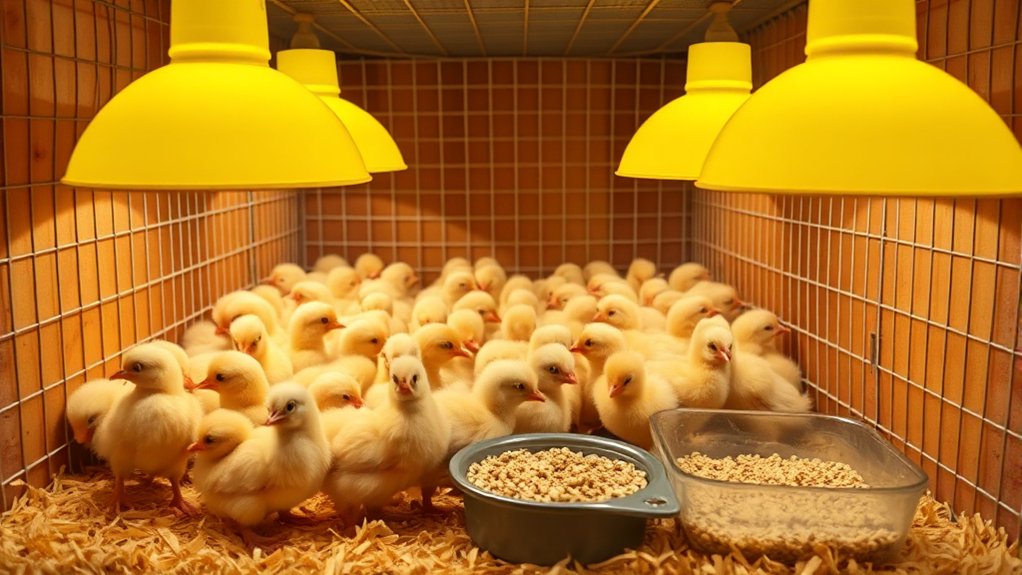
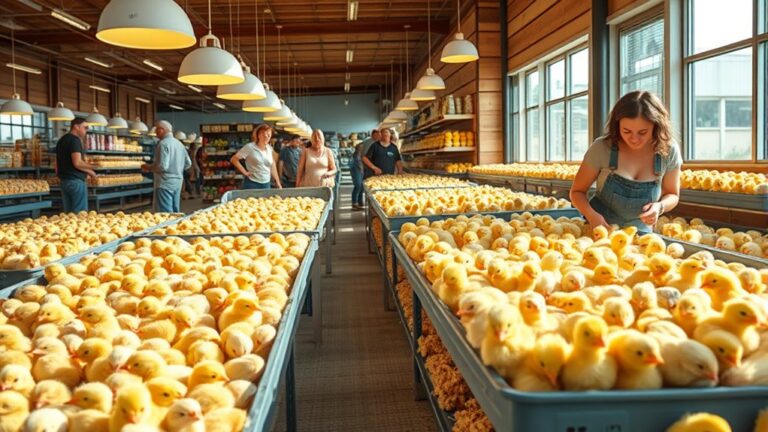
Once your chicks arrive, give them a brooder that keeps them warm, dry, and protected from drafts and predators. Choose sturdy brooder materials such as clean plastic, metal, or plywood, and make sure every edge is smooth.
Size the brooder so each chick can move freely without piling up. This supports chick comfort and reduces stress. Add a heat source with careful temperature monitoring, adjusting it as they grow and move away from the warm area.
Size the brooder so each chick has room to move, reducing stress and supporting comfort.
Provide proper lighting requirements so chicks can find water and rest on a natural rhythm. Use safe bedding options like pine shavings or chopped straw, and keep it dry to limit odor and slipping.
Build in safety features like a secure lid, stable walls, and cord protection. Check ventilation needs so fresh air flows without creating drafts. Clean the brooder often, replace wet bedding quickly, and inspect it daily for hazards or damage.
Feed Broilers for Fast Growth
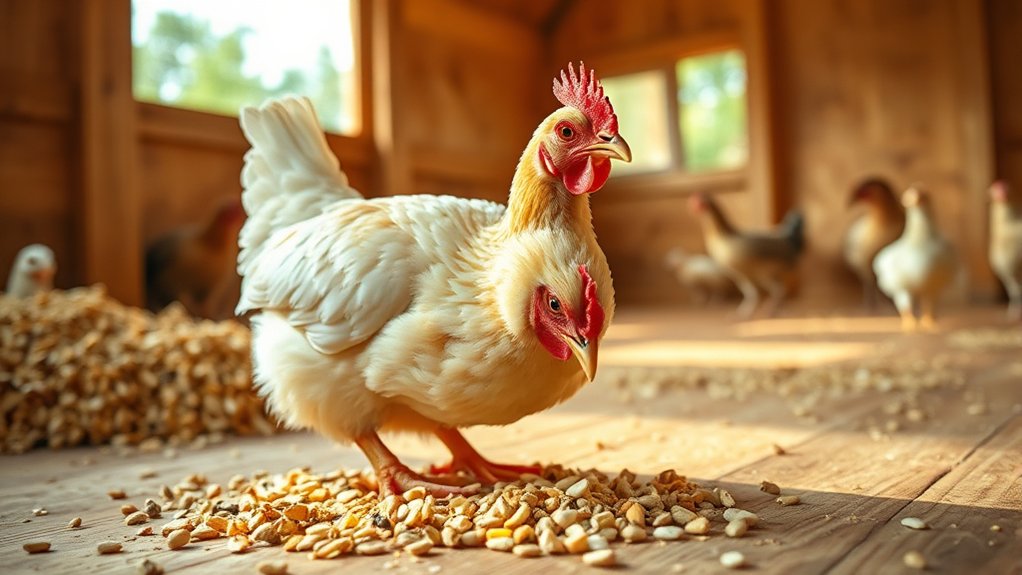
If you want your broilers to grow fast, start by giving them a high-protein starter feed right from day one. It’s important to keep the feed available all the time, so they can eat whenever they’re hungry. Also, don’t forget to always provide clean, fresh water. When your birds have good nutrition and easy access to water, they’ll grow strong and healthy without any trouble.
High-Protein Starter Feed
A strong starter feed helps your broilers grow quickly from the start. You should choose starter feed formulations with 20% to 24% protein so chicks can build muscle fast. Use high protein ingredients like soybean meal, fish meal, and dried peas to support steady growth and strong development. Keep the feed finely crumbled so young birds can eat it easily.
| Ingredient | Benefit | Example Use |
|---|---|---|
| Soybean meal | Muscle growth | Main protein base |
| Fish meal | Amino acids | Small inclusion |
| Corn gluten | Energy support | Balances mix |
Check labels, compare protein levels, and pick a ration made for meat birds. Fresh feed tastes better, reduces waste, and helps chicks stay active and grow on schedule without complicating your routine.
Constant Feed Access
Keep feed available at all times so your broilers can eat whenever they’re hungry and grow without delay. You should choose the right feed types for each stage, then keep a steady feeding schedule that supports a nutritional balance.
Watch feeding behavior; if birds crowd the feeder, you may need more space. Good feed storage keeps feed fresh, dry, and free from pests, which protects growth rates and feed conversion.
If you raise birds on organic options, plan supplementation strategies carefully so they still get enough protein, vitamins, and minerals. You can also use approved feed additives to support performance when needed.
Consistent access lets broilers eat small amounts often, which helps them grow fast and stay efficient.
Clean Fresh Water
Clean, fresh water should be available at all times because broilers drink often and need steady hydration to grow fast. You should check water containers daily, scrub buildup, and refill them before they run dry. Good water filtration helps protect water quality, especially if your source carries sediment or bacteria.
Hydration importance rises with a steady feeding schedule, since birds eat more when they can drink freely. Clean water also supports disease prevention by reducing the spread of pathogens. Watch temperature effects closely: hot weather increases demand, while cold weather can slow intake.
Make seasonal adjustments by placing containers in shade or using heaters when needed. If you keep water clean, cool, and easy to reach, your broilers will grow more efficiently and stay healthier.
Control Brooder Heat, Water, and Space
You’ll want to keep the brooder temperature steady so your chicks stay warm, but not too hot. It’s important to make sure they always have clean water available. And don’t forget—give them enough room to move around comfortably. When you manage heat, water, and space well, your broilers will grow up strong and healthy.
Brooder Temperature Control
Because young chicks can’t regulate their body temperature well, you need to manage the brooder’s heat closely from day one. Set the lamp or heater so the warm zone stays steady, and use a reliable thermometer at chick level.
Choose safe brooder materials that won’t warp, catch fire, or trap drafts. Watch for temperature fluctuations, because even small swings can stress chicks and slow growth. Your birds should gather under the heat when chilled and move away when comfortable.
Adjust the setup gradually, not all at once, and check it morning and night.
- Keep the heat source centered.
- Observe chick behavior often.
- Raise or lower warmth in small steps.
Water And Space Needs
Fresh chicks need constant access to clean water and enough room to stay comfortable in the brooder. You should place shallow waterers where chicks can reach them easily, and you should refresh them often to protect water quality. Add clean marbles or pebbles if needed to reduce drowning risk.
Check waterers several times a day, because spilled litter can contaminate the supply quickly. You also need to match the brooder size to your flock’s growth. Crowding stresses chicks, slows feeding, and increases injury risk.
Follow basic space requirements, then expand their area as they grow and feather out. Give them room to move, eat, drink, and rest without jostling. Good water and adequate space help you raise healthier, stronger birds.
Set Up Outdoor Housing
Once your chicks are ready to move outside, set up a secure housing area that protects them from weather, predators, and moisture. Choose a coop with sturdy walls, a tight roof, and raised flooring so rain can’t soak the bedding.
Give your feathered friends enough room to move, rest, and scratch without crowding. Place the house where wind and standing water won’t cause trouble.
Add outdoor essentials like ventilation, shaded access, and easy-to-clean surfaces to keep the space practical.
- Install strong wire mesh around all openings.
- Provide dry bedding and a sloped floor for drainage.
- Add a covered run where your birds can enjoy fresh air safely.
Position feeders and waterers under shelter, and keep the entrance easy for you to reach. When you plan the layout carefully, you’ll create a calm, efficient space that supports healthy growth and makes daily care simpler.
Check Bird Health Every Day
Keep a close eye on your birds every day so you can catch problems early. Watch their appetite, activity, posture, and droppings during your daily observations.
Healthy meat birds should move around, eat enthusiastically, drink well, and breathe quietly. If one bird hangs back, fluffs up, or seems weak, check it right away and separate it if needed.
Healthy meat birds should move around, eat well, drink freely, and breathe quietly.
Look for swollen joints, discharge from the eyes or nose, wounds, limping, and any sudden weight loss. Make quick health assessments before and after feeding so you notice changes fast.
Keep feeders, waterers, bedding, and the pen clean, because dirty conditions can hide illness and stress your flock. Record anything unusual in a notebook so you can spot patterns over time.
When you act quickly, you protect the rest of the flock and keep your birds growing well.
Plan the Harvest Date and Process
When your birds have reached the right size for your goals, plan the harvest date so you can process them at the best time. Check their weight, age, and body condition, then choose a cool morning or evening for easier handling. Good harvest timing helps you avoid stress, improve meat quality, and work faster.
- Gather your tools: sharp knives, cones, buckets, gloves, cold water, and clean tables.
- Set up your space: choose a sanitary area, keep water nearby, and clear room for movement.
- Prepare your process: review humane processing techniques, decide who will do each step, and line up chilling containers.
Tell anyone helping you what to do before birds leave the coop. Keep your schedule flexible in case weather, equipment, or your flock’s condition changes. After processing, chill the meat quickly and label each package so you can track freshness and use it well.
Frequently Asked Questions
What Permits Do I Need for Raising Meat Chickens?
You’ll usually need a local zoning permit or approval before you raise meat chickens, and you may also need business or agricultural permits if you sell them. Check your city, county, and HOA rules, since zoning regulations can limit flock size, coop placement, and setbacks.
If you process or sell meat, you’ll likely face health inspections and possibly state or federal licensing, too. Call your planning office first.
How Much Does Starting a Small Broiler Flock Cost?
Starting a small broiler flock can cost you about $150 to $500, depending on your setup. Your biggest startup expenses are chicks, a brooder, bedding, feeders, and waterers.
Feed costs usually make up most of the ongoing budget, and you’ll spend more if you buy specialty feed or raise birds longer. You can cut costs by reusing equipment and buying supplies in bulk when you can.
Can Meat Chickens Live With Laying Hens?
Yes, you can house meat chickens with laying hens, but you’ll need to watch chicken compatibility and flock dynamics closely. Think of your coop like a town square: bigger birds can jostle smaller neighbors, and different feeding needs can spark tension.
You should provide enough space, separate feeders, and clean bedding. If you keep an eye on health, bullying, and growth rates, you’ll help both groups thrive together.
What Breeds Taste Best for Home-Raised Chicken?
You’ll usually get the best taste from heritage breeds like Cornish Cross, Freedom Ranger, and Delaware. In a breeds comparison, Cornish Cross offers mild, classic flavor, while Freedom Rangers deliver a richer, firmer bite.
Delaware birds often balance tenderness and old-fashioned flavor profiles nicely. You can’t go wrong if you raise them well, feed them well, and process them at the right age for your table.
How Many Chickens Should Beginners Raise First?
Start with 4 to 6 chickens so you can learn without getting overwhelmed. That flock size gives you enough birds to practice feeding, housing, and processing while keeping losses manageable.
As beginner tips, choose hardy breeds, keep clean water available, and plan your coop space before chicks arrive. You’ll also get a better feel for daily care and can adjust your routine before you raise a bigger group.
Conclusion
By now, you’ve seen how each step fits together, almost as if the birds were leading you along. You choose the right broilers, give them a safe start, keep feed and heat steady, and move them outside when they’re ready.
Then you watch their health each day and plan the harvest with care. In the end, success often comes when preparation and timing meet, and just like that, you’re ready to raise meat chickens well. Raising meat chickens successfully is all about following these steps with attention and care.