Raising Chickens for Eggs: 5 Steps to Get Started
If you’ve ever dreamed of fresh eggs from your own backyard but felt overwhelmed about where to start, you’re not alone. Many people struggle with choosing the right hens, building a secure coop, and keeping their birds healthy.
Raising chickens for eggs can seem complicated, but with the right guidance, it’s easier than you think.
Start by choosing hens that fit your goals and climate, such as Leghorn crosses for high production or Rhode Island Reds for hardy, calm layers.
Next, build a secure coop on high ground with ventilation, strong latches, and hardware cloth.
Feed a balanced layer ration with fresh water and oyster shell.
Check birds daily, clean bedding, and inspect the run.
Collect eggs often, cool them fast, and you’ll soon pick up a few more smart tricks.
Key Takeaways
- Choose egg-laying breeds that suit your climate, space, and temperament preferences.
- Build a secure, well-ventilated coop on dry ground. Make sure to use predator-proof latches and hardware cloth for safety.
- Feed your hens a balanced layer ration with constant fresh water. Offer treats, but keep them limited.
- Perform daily care by checking the hens’ health, cleaning waterers, refreshing bedding, and keeping nesting boxes tidy.
- Collect eggs often and store them promptly in a cool refrigerator to keep them fresh.
Choose Egg-Laying Breeds
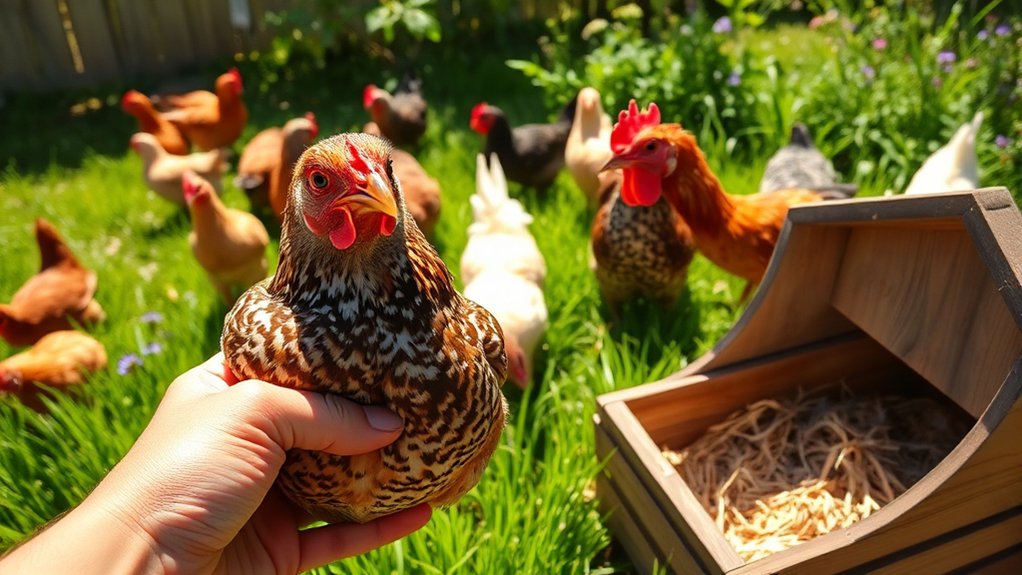
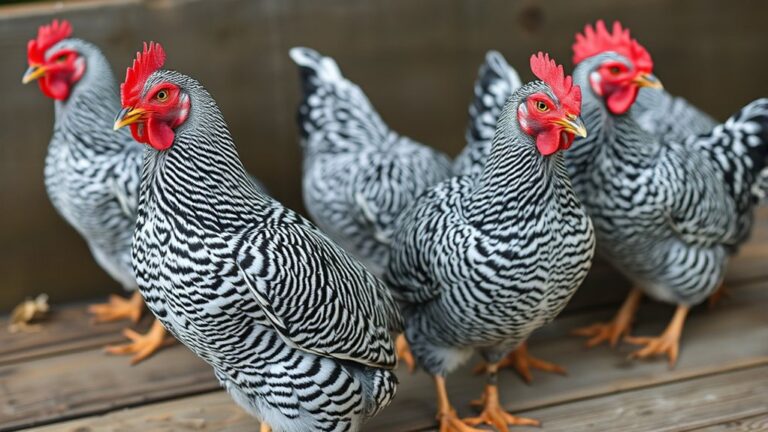
When you choose egg-laying breeds, focus on hens that match your goals for production, temperament, and climate. If you want lots of eggs, look at hybrid layers such as Leghorn crosses or other high-producing strains. They often start laying early and keep a steady pace.
If you’d rather have birds with more personality and longer usefulness, consider heritage breeds like Rhode Island Reds, Plymouth Rocks, or Sussex. They usually lay fewer eggs than hybrids, but they can adapt well and give you more variety in your flock.
Think about your weather, too. Cold-tolerant breeds handle winter better, while heat-tolerant birds do well in warm regions. Also consider how much space you have and whether you want calm hens that are easy to manage.
Choosing the right breed now helps you get reliable eggs, enjoy your flock, and avoid frustration later.
Set Up a Safe Chicken Coop
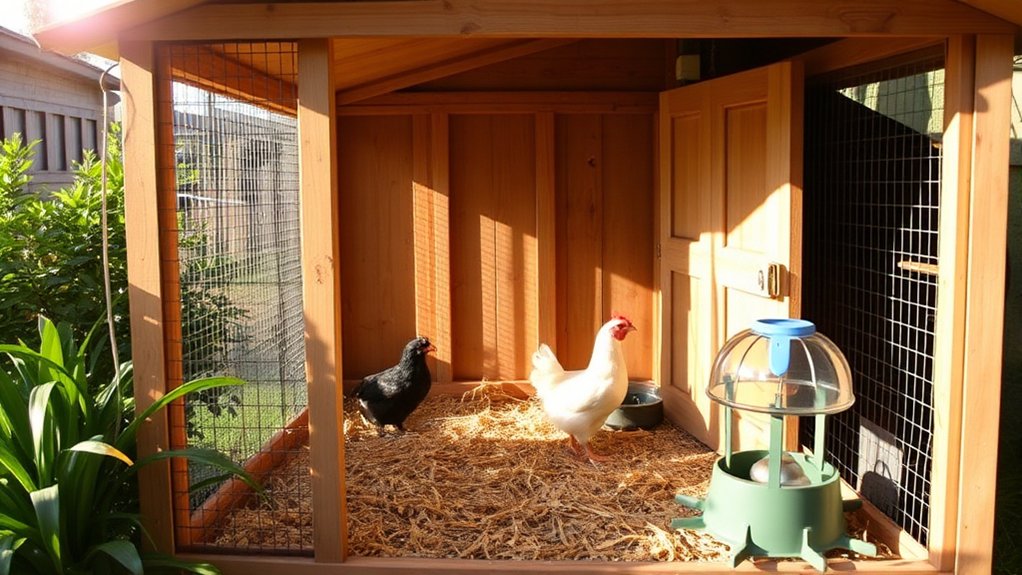
Once you’ve picked the right breed, give your hens a coop that keeps them protected and comfortable. Place the coop on high, dry ground so rain won’t pool around it, and face the door away from harsh winds.
Build sturdy walls, a solid roof, and a tight latch to improve predator protection. Cover windows and vents with hardware cloth, not chicken wire, since raccoons can tear through it. Add coop ventilation near the roof so fresh air moves out moisture and ammonia without creating drafts at roost level.
Sturdy walls, a solid roof, and hardware cloth keep predators out while proper ventilation keeps the coop fresh.
Inside, provide clean bedding, nesting boxes, and enough roost space for each bird to settle at night. Keep the floor easy to clean and the coop roomy enough for your flock to move without crowding. Then check the coop often for gaps, loose boards, and signs of digging or chewing.
A secure, dry coop helps your hens stay calm, healthy, and ready to lay consistently.
Feed Hens for Better Egg Production

To keep your hens laying well, feed them a balanced layer ration with enough protein, calcium, and other essential nutrients. Good layer nutrition supports strong shells, steady laying, and healthy birds. Choose a quality feed made for laying hens, and offer it free-choice so they can eat what they need.
Fresh water must stay available, because birds can’t use nutrients well when they’re thirsty. You can add feed supplements only when a hen needs extra help, such as oyster shell for calcium or grit for digestion.
Hear that contented cluck at dusk
See bright yolks in the nest
Feel proud of your flock’s health
Avoid filling their diet with too many treats, since scraps can dilute the nutrition they need for egg production. If you switch feeds, do it gradually so their appetite stays steady and their bodies adjust without stress.
Handle Daily Chicken Care Tasks
Daily chicken care keeps your flock healthy and your egg supply steady. You should check your hens every morning for signs of illness, injury, or stress. Watch their posture, comb color, breathing, and appetite as part of health monitoring.
Check your hens each morning for illness, injury, or stress to keep your flock healthy and laying steadily.
Clean and refill waterers, then remove wet bedding, droppings, and spoiled feed so the coop stays dry and sanitary. Keep nesting boxes tidy and replace bedding before it becomes soiled.
Give your chickens room to scratch, perch, and dust bathe, because behavioral enrichment reduces boredom and pecking. Open and secure the coop on a consistent schedule, and make sure doors, fencing, and vents work properly.
Walk the run to spot hazards, predators, or escaped birds. In hot or cold weather, adjust shade, ventilation, or insulation as needed. When you repeat these simple tasks daily, you create a safer, calmer environment and support reliable egg laying.
Collect and Store Fresh Eggs
As soon as hens lay, gather eggs often so they stay clean, intact, and fresh. Pick them up with clean hands, and check nests morning and evening to prevent cracks, dirt, and spoilage.
During egg collection, place each egg pointy end down in a basket or carton, and avoid washing unless you’ll use it right away. Gentle handling keeps your flock’s work beautiful and your breakfast safe.
Feel the quiet pride of a full carton. Enjoy the calm of knowing every egg is yours. Save the joy of cracking open freshness later.
For egg storage, cool eggs promptly in a refrigerator or cool room at about 45°F. Keep them dry, turn them if you store them long-term, and label the date. Use older eggs first so nothing goes to waste, and trust your careful routine to deliver rich, farm-fresh flavor every time.
Frequently Asked Questions
How Much Space Do Hens Need per Bird?
You’ll want to give each hen about 3 to 4 square feet inside the coop, plus 8 to 10 square feet in an outdoor run. These space requirements help your flock stay healthy and calm.
Good hen housing and smart coop design reduce crowding, pecking, and stress. If you keep a mixed flock, more space can improve flock dynamics and make daily care easier for you.
When Do Pullets Usually Start Laying Eggs?
You’ll usually see pullets start laying at about 18 to 24 weeks old, and nearly 90% of hens reach peak egg production by 30 weeks. Pullet maturity depends on breed, nutrition, light, and health, so some birds begin earlier or later.
Watch for smaller practice eggs, squatting, and wider pelvic spacing. If you keep them comfortable and well-fed, you’ll help them shift smoothly into steady laying.
How Can I Tell if a Hen Is Sick?
You can tell a hen is sick by watching for droopy posture, dull eyes, ruffled feathers, loss of appetite, limping, coughing, diarrhea, or fewer eggs. Use a symptoms checklist to spot changes fast, and separate her if she seems weak.
Check her vent, comb, and droppings daily. Good illness prevention means keeping clean water, dry bedding, balanced feed, and low stress so you catch problems early and keep your flock healthy.
What Permits Are Needed for Backyard Chickens?
You’ll usually need a city or county permit, and sometimes zoning approval, before keeping backyard chickens. Check local rules for flock size, setback distances, and noise limits; don’t assume you’re free to feather your nest.
Some places also require coop design approval or restrictions on chicken breeds. Call your animal control office or zoning department first, then apply early so you won’t face fines or delays.
How Many Eggs Should a Beginner Expect Weekly?
You can expect about 3 to 7 eggs per hen each week, depending on breed, age, diet, and daylight. Young hens usually start slowly, then improve as egg production rises.
You’ll get better egg quality when you keep them healthy, fed well, and stress-free. Don’t expect every hen to lay daily, especially in winter or during molting. A small flock can still give you plenty of fresh eggs.
Conclusion
Raising chickens for eggs can be a rewarding way to enjoy fresh food right at home. When you choose the right breed, build a safe coop, feed your hens well, and stay on top of daily care, you set yourself up for success.
Did you know a healthy hen can lay about 250 to 300 eggs a year? With a little effort, you’ll enjoy fresh eggs and the satisfaction of caring for your own flock. Raising chickens for eggs truly brings the joy of fresh, homegrown food straight to your kitchen.