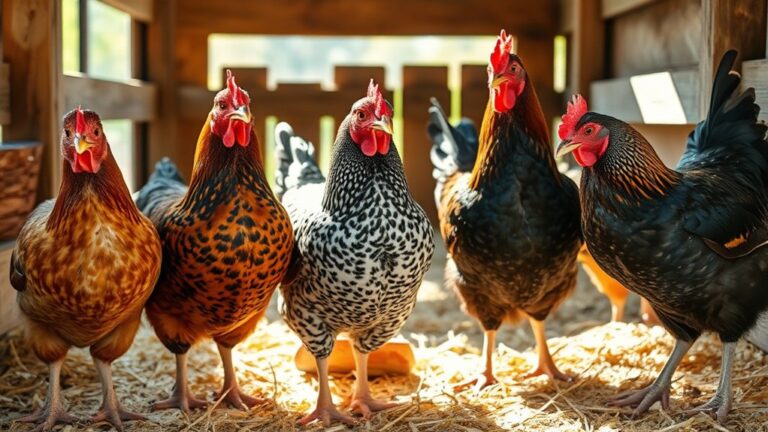
What Are Marans Chickens?
Finding the perfect chicken breed for your backyard flock can feel overwhelming. You want birds that are hardy, friendly, and lay beautiful eggs—but it’s not always easy to find all those qualities in one breed.
If you’ve been searching for chickens that check all the boxes, you’re not alone.
Marans chickens are a French breed prized for their rich chocolate-brown eggs, calm temperament, and sturdy build. You’ll notice broad bodies, feathered legs, and glossy plumage in colors like black, copper, white, and wheaten.
They’re hardy birds that do well in backyard flocks and cooler climates, and they’re easy to manage with simple care.
If you’re curious about their history, egg color, and personality, there’s more to uncover.
Key Takeaways
- Marans chickens are a French breed known for their dark brown eggs, calm temperament, and sturdy, broad bodies.
- They originated in western France, especially around the port town of Marans. They were bred for reliable egg production.
- Marans come in several color varieties, including black copper, white, wheaten, and black.
- They lay large eggs with shells ranging from chocolate to mahogany brown, though their production is moderate.
- These chickens are friendly, hardy, and low maintenance, making them great for backyard flocks and cooler climates.
What Are Marans Chickens?
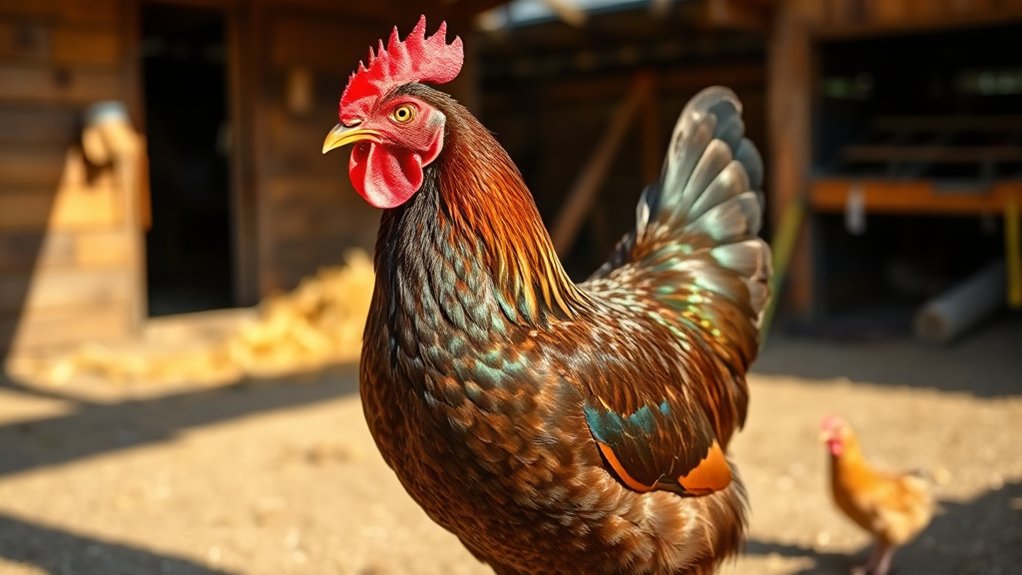
Marans chickens are a distinctive breed known for their rich, dark brown eggs and calm, hardy temperament. If you want a bird that’s practical and attractive, this breed fits well in a backyard flock. You’ll notice their broad bodies, feathered legs, and steady, confident behavior. They usually adapt well to mixed flocks and don’t demand constant attention.
When you learn Marans history, you’ll see why people value them for dependable laying and toughness. You can find several Marans varieties, and each one offers slightly different coloring and feather patterns, but they all share the breed’s signature appeal. Their eggs often draw the most interest, yet their easygoing nature matters just as much.
If you’re choosing chickens for both looks and utility, Marans give you a balanced option. They’re useful, personable, and rewarding to keep, especially if you appreciate a breed with character and strong egg-laying potential.
Where Marans Chickens Came From

To understand the breed’s appeal, it helps to look at its origins in western France, where local farmers developed Marans chickens for reliable eggs and sturdy performance in tough conditions. You can trace the breed to the port town of Marans, which gave the chicken its name and helped spread its reputation through local markets.
Farmers there selected birds that handled damp weather, sparse feed, and daily farm life with ease. That practical breeding created a chicken that fit small farms and family yards. Over time, the breed earned a place in French heritage and broader poultry history because people valued its dependable production and resilience.
When you learn where Marans chickens came from, you see more than a regional bird; you see a product of careful selection shaped by local needs. Their story shows how farmers can turn ordinary stock into a lasting breed through patience, purpose, and close observation over generations.
Marans Chicken Appearance and Feather Colors
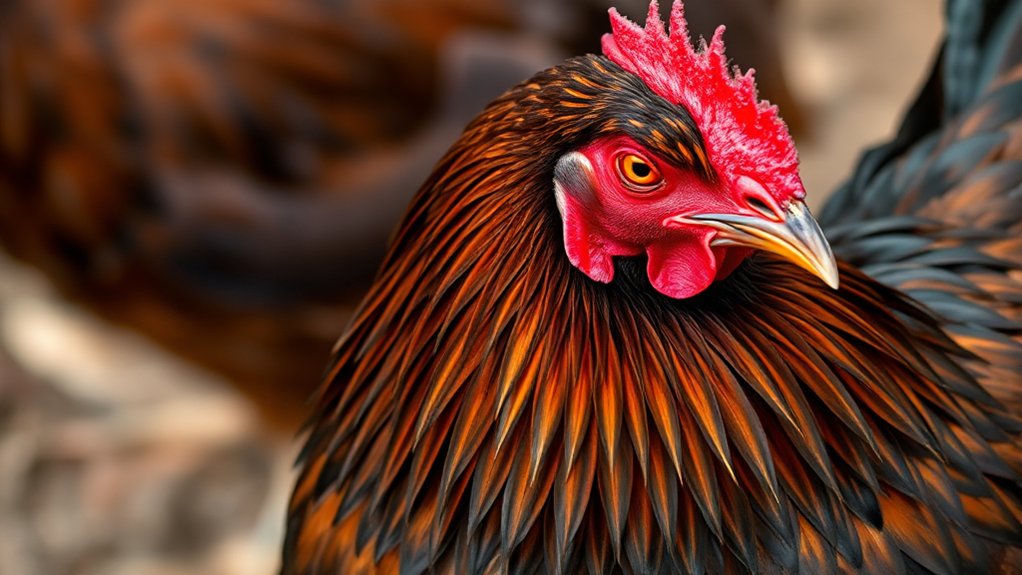
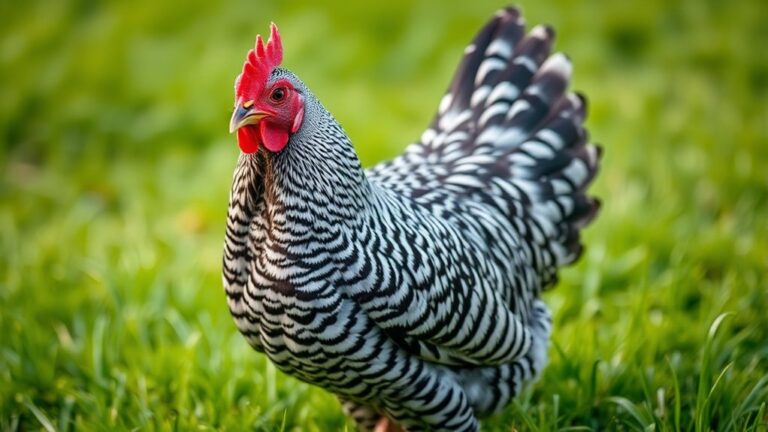
Even at a glance, these birds stand out for their rich, glossy plumage and sturdy, well-balanced build. You’ll notice a broad, deep body, a moderate tail, and clean legs that give them a solid, composed look.
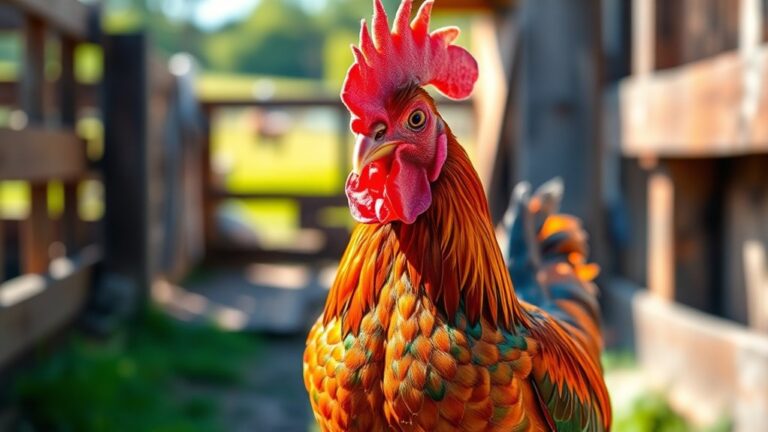
Their feathers can seem almost velvet-like, especially in darker birds, where light catches the sheen and reveals subtle depth. Marans come in several color variations, so you may see black, copper, white, or wheaten tones, depending on the strain.
Each type shows distinct feather patterns that help set it apart, from warm copper hackles to evenly dark bodies with bright accents. Their appearance feels practical yet refined, with no exaggerated features.
If you want a chicken that looks handsome in the yard and carries itself with quiet presence, Marans fit that image well. Their overall look is both distinctive and easy to recognize.
Marans Egg Colors and Laying Ability
One of the biggest reasons people seek out Marans is their famously dark brown eggs, which can range from rich chocolate tones to a lighter mahogany shade depending on the bird and strain. You’ll notice egg color variations even within the same flock, and that’s part of their appeal.
Expect deep, attractive shells. Don’t assume every egg looks identical. Plan for moderate laying frequency. Value color more than sheer volume.
Most Marans lay fewer eggs than high-production breeds, but you still get a steady supply when they’re well fed and cared for. Their eggs often stay large, with strong shells that handle storage well.
If you want a backyard bird that gives you beautiful eggs and respectable output, Marans fit that goal. You won’t choose them for maximum numbers. You’ll choose them for quality, consistency, and the striking look of the eggs in your basket.
Marans Temperament and Personality
When you raise Marans, you’ll often notice how gently they move through the flock. They tend to be pretty calm and steady, which makes handling them a breeze. Because of their relaxed nature, they’re a really pleasant breed to have around.
Gentle Flock Behavior
Marans are generally calm, steady birds that fit well into a relaxed backyard flock. You’ll notice their gentle interactions usually keep daily life peaceful, even when several birds share one space. They don’t often stir up trouble, so your flock dynamics tend to stay balanced and predictable.
They usually avoid unnecessary pecking disputes. They often settle in without dominating the group. They can coexist smoothly with other mild-mannered hens. They help create a quieter, less stressful coop.
If you want birds that support a low-key flock, Marans can be a smart choice. Their even temper doesn’t mean they’re dull; it means they bring stability. With consistent space, food, and routine, you’ll see them blend in neatly and contribute to a harmonious backyard setting.
Calm With Handling
Because of their steady temperament, Marans usually handle routine contact without much fuss. You can reach in to collect eggs, check feet, or move them between pens without turning every interaction into a chase. Their calm demeanor helps you build trust faster, especially when you use slow movements and speak softly.
If you lift them properly, support the body and avoid sudden grabs, they’ll stay more relaxed. Good handling techniques matter: approach from the side, let them see your hands, and give them a moment before picking them up. You’ll still meet the occasional shy bird, but most Marans settle well with consistent care.
That makes daily chores easier and helps you manage them confidently, even if you’re new to chicken keeping.
How Big Marans Chickens Get
On average, Marans are medium-to-large chickens, with roosters typically reaching about 8 to 9 pounds and hens around 6 to 7 pounds. You’ll notice their sturdy frame gives them a solid, rounded look rather than a lanky one. Their growth rate is moderate, so you won’t see them mature overnight, but they do gain size steadily as they feather out.
In a size comparison, they’re bigger than many lightweight egg breeds, yet not as massive as true giant fowl.
Roosters usually look broader and taller. Hens keep a compact, balanced shape. Juveniles start small, then fill out. Body depth adds to their overall presence.
Because of that, you should expect a bird that feels substantial in your hands and looks impressive in the yard. Their weight supports their calm, grounded appearance, and their size helps set them apart from smaller backyard breeds.
Keeping Marans Chickens in a Backyard Flock
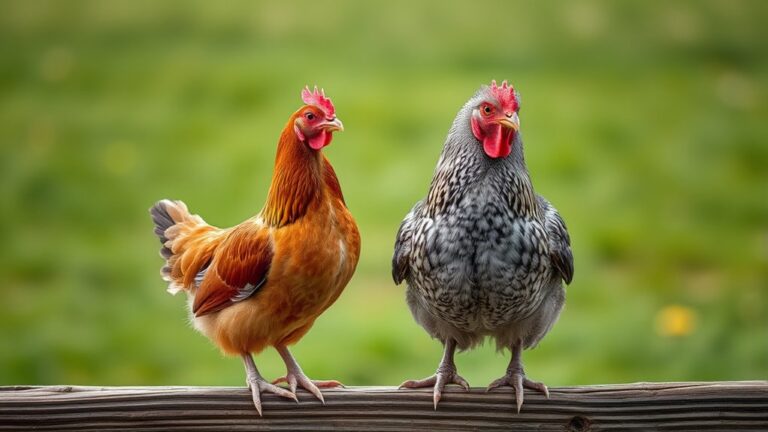
If you’re adding Marans to a backyard flock, you can expect a calm, manageable bird that usually fits in well with mixed breeds. You’ll still want to watch backyard integration closely during the first few days, because any new chicken can disrupt flock dynamics.
Introduce Marans gradually by using a nearby pen or divided run so everyone can see each other without fighting. When you do mix them, give the flock plenty of space, multiple feeders, and several roosting spots to reduce chasing and bullying.
Marans often hold their own without being aggressive, which makes them a good choice if you want a steady, low-drama bird. You should also observe how they respond to more assertive hens and step in if pecking turns into repeated harassment.
With patient introduction and a well-planned coop setup, you can help your Marans settle in and become reliable members of your backyard flock.
Feeding Marans Chickens for Healthy Growth
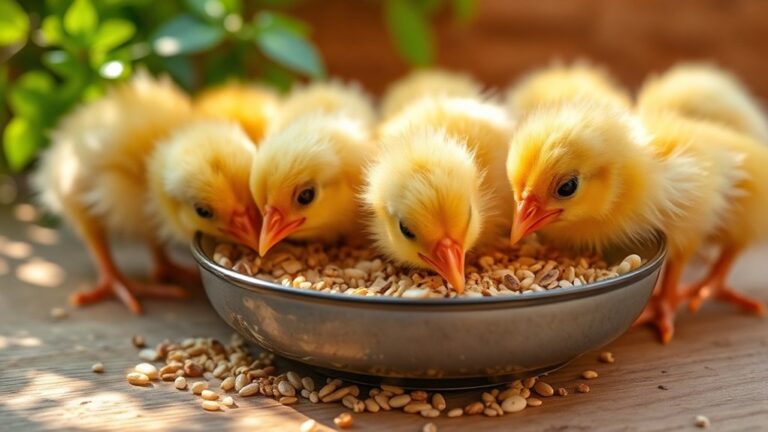
A balanced diet is key to raising strong Marans, and you’ll want to adjust feed as they grow. Start chicks on a quality starter feed with enough protein to support rapid development. Then move to grower and layer feed at the right stage. You can also offer clean water at all times and supplement with grit when they begin eating grains or greens.
- Choose feed with balanced protein sources for each age.
- Follow regular feeding schedules, so birds stay consistent.
- Add leafy greens, grains, and kitchen scraps in moderation.
- Keep treats under 10% of daily intake.
As your Marans mature, you’ll notice steady growth, better feathering, and stronger egg production when you keep their diet simple and reliable. Avoid sudden feed changes and watch how much they eat each day. Good nutrition helps you raise vigorous birds without extra hassle.
Common Marans Health Issues
Even with good care, Marans can still run into a few common health issues, so you’ll want to watch them closely for early signs of trouble. You may notice mites or lice, especially if your birds dust bathe less or crowd together at night. Check skin, vents, and feather bases often, and treat infestations quickly.
Wet bedding can lead to foot problems like bumblefoot, so keep the coop dry and clean. Respiratory infections can also appear if dust, dampness, or poor airflow builds up, so provide fresh air without drafts.
Obesity and egg-laying stress may strain their bodies if you overfeed or ignore calcium needs. Good preventative care includes regular checks, balanced feed, clean water, and prompt isolation of any bird that looks listless, wheezy, or off color.
Are Marans Chickens Right for You?
Marans can be a great fit if you want hardy, attractive chickens with rich dark eggs and a calm, manageable temperament. You’ll appreciate them if you value steady layers, a friendly flock, and birds that handle cool weather well. Still, you should think about your setup before you buy.
Marans are hardy, attractive chickens with calm temperaments and rich dark eggs, especially for cooler backyards.
You need enough space for scratching and roaming. You should provide dry, clean housing to protect feathered feet. You may want to watch breeding considerations if you plan to hatch chicks. You’ll do best if you want quality eggs more than maximum production.
Marans also suit keepers who like a slower, easier pace. They’re usually not the most flighty or noisy birds, so they fit many backyards. However, if you want huge egg numbers or a very low-maintenance breed, you might prefer another chicken.
Choose Marans when you want beauty, character, and reliable dark eggs.
Frequently Asked Questions
Do Marans Chickens Brood Their Own Eggs?
Yes, you can expect some Marans hens to brood their own eggs, but it isn’t guaranteed. You’ll see brood behavior more often in certain lines than others, and individual hens vary a lot.
If your hen goes broody, she’ll stop laying and sit tight for egg incubation. You should still check her health, nesting space, and access to food and water while she’s brooding.
At What Age Do Marans Start Laying Eggs?
You can expect Marans to start laying eggs around 5 to 7 months old, though some begin a bit later. Your bird’s maturation timeline, diet, daylight, and overall health all affect egg production.
If you raise them well, you’ll often see the first small eggs as they approach maturity. Be patient, because slower-growing pullets may need extra time before their laying cycle begins consistently.
Are Marans Chickens Good for Free-Ranging?
Yes, Marans chickens can be good for free-ranging if you’ve got a safe yard. Their foraging habits are strong, so they’ll scratch, search, and help themselves to bugs, seeds, and greens.
Their temperament traits are usually calm and manageable, which makes them easier to supervise outdoors. You should still protect them from predators, since they aren’t the fastest birds.
Give them room, shade, and water, and they’ll thrive.
Can Marans Chickens Live in Hot Climates?
Yes, you can keep Marans chickens in hot climates if you manage their heat tolerance carefully. You should provide plenty of shade, cool water, and good airflow so they can adapt to the climate.
During extreme heat, you’ll want to reduce stress by avoiding overcrowding and offering extra electrolytes. Marans handle moderate warmth well, but they’re not the best choice for intense desert conditions without strong climate adaptation support.
Do Marans Chickens Need Special Nesting Boxes?
No, you don’t need special nesting boxes for Marans chickens, but you should make them comfortable. You’ll support their nesting behavior by offering clean, private boxes with soft bedding and enough space.
Marans hens don’t have unusual egg preferences, so standard nesting boxes usually work well. Keep boxes low, dark, and quiet, and you’ll help your hens lay calmly and reduce broken eggs.
Conclusion
If you’re looking for a chicken that’s both beautiful and practical, Marans might be a perfect fit. They bring rich, chocolate-brown eggs, a calm personality, and striking feather patterns to your flock.
Like a little treasure in the coop, they’re as rewarding to watch as they are to raise. If you want a hardy, eye-catching bird with plenty to offer, Marans could be just what your backyard needs.
So, if you’re after a chicken that stands out and delivers, Marans are definitely worth considering.