Leghorn Chickens: How to Raise Them
If you’re thinking about raising Leghorn chickens, you’re not alone. Many people struggle with creating the perfect environment for these active birds and want to make sure they get it right from the start.
Finding the right balance of care can be tricky, but with a little guidance, you can enjoy a healthy flock that lays plenty of eggs.
To raise Leghorn chickens well, you should give them a secure, dry coop with good ventilation, sturdy predator-proof latches, and enough space to move.
Feed a balanced layer ration with 16% to 18% protein, fresh water, and limited treats.
Keep bedding clean, watch for heat or cold stress, and collect eggs often.
Handle them calmly, and they’ll usually reward you with steady white eggs and a lively flock that’s easy to manage.
Key Takeaways
- Choose healthy Leghorn strains for strong egg production and a calm temperament. Pick a variety that suits your climate and space.
- Build a dry, well-ventilated coop with predator-proof latches and hardware cloth. Use rot-resistant materials and provide enough room to reduce stress.
- Feed 16%–18% protein layer feed and provide fresh water constantly. Limit treats to keep hens productive and healthy.
- Maintain year-round comfort by managing heat, cold, bedding dryness, and airflow. Do daily health checks for appetite, droppings, and breathing.
- Support laying with steady light and regular feeding times. Collect eggs daily, handle hens gently, and keep nesting boxes clean.
Why Leghorns Are Popular Layers

Leghorns are popular layers because they produce a lot of eggs without needing much feed, making them efficient and cost-effective for backyard keepers and small farms. You’ll appreciate how quickly they turn feed into eggs, so your flock can pay its way.
Leghorns turn feed into plenty of eggs, making them an efficient, cost-effective choice for small flocks.
Their steady laying often starts early and keeps going well through the year, which helps you count on a reliable supply. You can also enjoy the variety in egg colors, since Leghorns commonly lay clean white eggs that look neat in the basket.
If you’re comparing them with heavier heritage breeds, you’ll notice Leghorns usually offer more output for less upkeep. They stay active, alert, and productive, so you don’t need to manage them like a fragile bird.
When you want practical hens that give you plenty of eggs without much fuss, Leghorns fit that goal nicely and keep your coop earning its keep.
Choose the Right Leghorn Variety
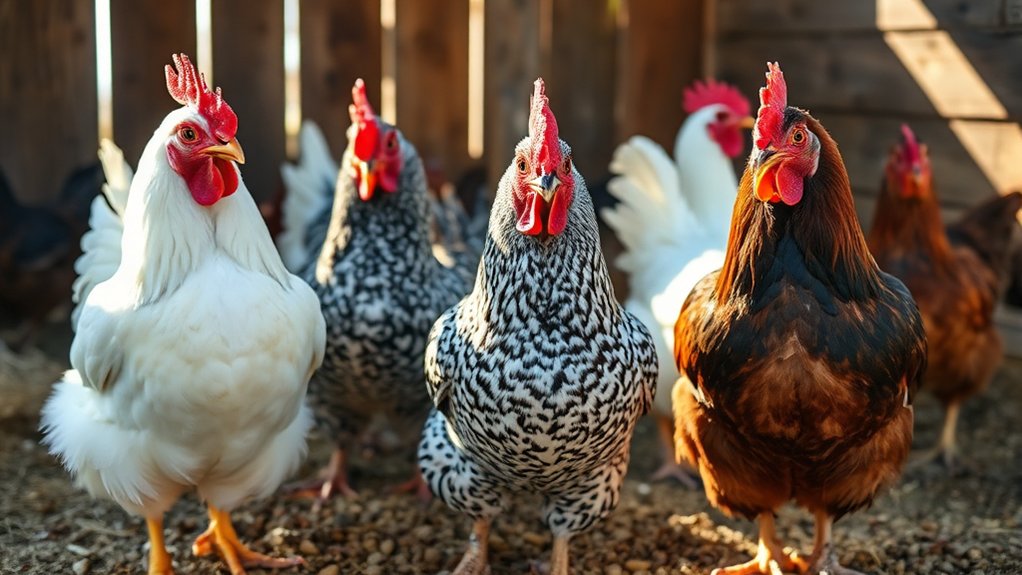
Before you bring home your birds, it helps to choose the Leghorn variety that matches your goals and setup. If you want strong egg output, pick a strain known for steady laying. If you prefer calm handling, pay attention to Leghorn temperament, since some birds are livelier than others.
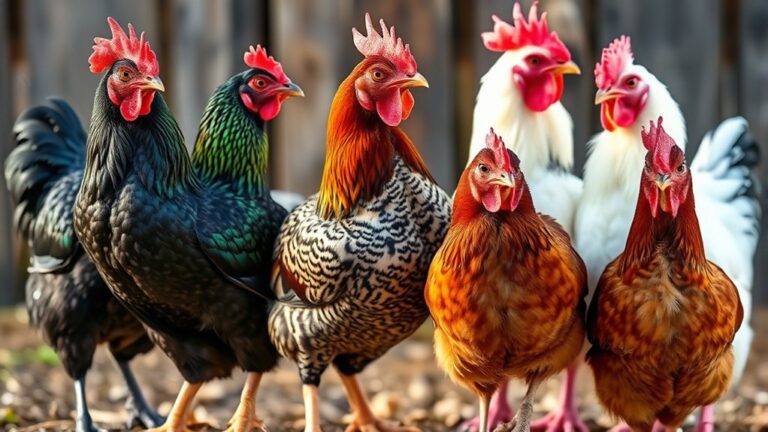
You’ll also notice many Leghorn colors, from classic white to brown, black, and more. Each type looks different, but their care needs stay similar.
- White Leghorns: You’ll often see these in egg flocks because they’re efficient and easy to spot.
- Brown Leghorns: Choose them if you like richer plumage and a slightly different look.
- Exhibition varieties: Pick these if you care about appearance and want birds with striking features.
Match your choice to your climate, space, and personal preference, and you’ll start with birds that suit you well.
Set Up a Safe Chicken Coop

Once you’ve picked the Leghorn variety that fits your goals, the next step is giving your birds a coop that keeps them secure, dry, and comfortable. Choose coop materials that resist rot and are easy to clean, like pressure-treated lumber, exterior-grade plywood, and metal roofing. Raise the floor slightly to block moisture, and seal gaps so drafts don’t chill your flock at night.
For predator protection, lock doors with sturdy latches, cover windows and vents with hardware cloth, and bury wire around the perimeter to stop digging animals. Add solid roosts, nesting boxes, and good ventilation without creating openings for raccoons or snakes. Keep the interior bright, but make sure sunlight doesn’t overheat the space.
Give each bird enough room to move freely since Leghorns stay active and can get stressed in cramped quarters. A well-built coop helps your hens stay healthy, calm, and productive year-round.
Feed Leghorns for Peak Laying
You should feed your Leghorns a protein-rich layer feed to support steady egg production. And don’t forget to keep fresh water available at all times—this helps them digest their feed well and stay healthy. When you get these basics right, you’ll be giving your hens the nutrition they need for peak laying.
Protein-Rich Layer Feed
Leghorns lay at their best when you feed them a balanced layer ration with plenty of protein. That fuel supports steady egg production and strong body condition. Aim for about 16% to 18% protein, and choose feed ingredients that keep layer nutrition consistent day after day.
You can boost results with a quality commercial layer feed as the base. Add small amounts of soybean meal or peas for extra protein. Keep treats limited so the ration stays balanced.
Offer feed in measured portions, and don’t let scratch grains replace their main diet. When you keep protein high and nutrients steady, your Leghorns stay active, maintain feather quality, and keep producing well.
Fresh Water Access
Fresh, clean water should always be within easy reach, because Leghorns need it to digest feed properly and keep egg production steady. You should refill drinkers often and scrub them daily, since water sanitation directly affects flock health. When temperatures rise, check consumption more closely, because hydration importance increases fast and hens can drop production if they run short.
| Task | Best practice |
|---|---|
| Refilling | Keep water available all day |
| Cleaning | Wash containers before buildup starts |
| Monitoring | Watch for reduced drinking |
Use shallow, tip-resistant drinkers so birds can sip without spills. In cold weather, prevent freezing and make sure every hen can reach the waterer. If you notice dirty water, fix it immediately, because clean access supports laying, digestion, and overall vigor.
Raise Leghorn Chicks Into Healthy Pullets
To raise Leghorn chicks into healthy pullets, start with a warm, clean brooder, steady feed, and constant access to fresh water. Watch chick behavior closely; active peeping, even spacing, and quick movement show they’re comfortable and thriving. Use smart brooding techniques, like gradual heat adjustments and dry bedding, to support steady growth without stress.
- Offer a balanced starter feed so chicks build strong bones, feathers, and bodies.
- Check waterers twice daily, keeping them low enough for easy access but clean and spill-free.
- Handle chicks gently and often so they learn trust and stay calm around you.
Keep the brooder uncrowded because Leghorns grow fast and need room to move, scratch, and exercise. Remove damp litter right away and monitor droppings for signs of trouble. When your chicks feather out and act alert, you’re on track to raise strong, healthy pullets ready for the next stage.
Keep Leghorns Comfortable Year-Round
You’ll keep Leghorns healthy all year long by adjusting their coop to match the weather. In winter, add some warmth but be careful not to trap damp air or drafts.
And when summer rolls around, make sure they have plenty of shade and strong ventilation.
Winter Coop Warmth
Even though Leghorns handle cool weather better than extreme cold, they still need a dry, draft-free coop with good ventilation to stay comfortable in winter. You can boost heat retention by sealing gaps, raising the coop off wet ground, and using safe insulation options like rigid foam or straw bales outside the walls.
- Check roosts and nest boxes for cold spots.
- Add thick, dry bedding and replace damp patches fast.
- Use a small, well-guarded heat source only if temperatures drop sharply.
You should also keep water from freezing since dehydration can chill birds quickly. Provide enough space so your flock can huddle without crowding. And inspect the coop often for moisture, droppings, or damage.
Summer Shade And Ventilation
When summer heat builds, Leghorns need plenty of shade and steady airflow to stay productive and avoid heat stress. You can place shade structures over runs, or use trees, tarps, or roof extensions to block direct sun.
Keep water cool and easy to reach, and check it often because hens drink more in hot weather. Use ventilation techniques like open windows, screened vents, and ridge gaps to move hot air out of the coop.
Don’t let bedding pack down, since trapped moisture raises temperatures and odor. You should also avoid overcrowding, which limits airflow and increases stress.
If your birds pant or hold their wings away from their bodies, add more shade and air movement right away to keep them comfortable and laying.
Prevent Common Leghorn Health Problems
A few simple habits can prevent most common Leghorn health problems before they start. You’ll keep your birds stronger when you watch them daily, clean the coop often, and respond quickly to any changes in behavior. Follow a vaccination schedule your poultry vet recommends because disease prevention starts before symptoms appear.
- Check appetite, droppings, and posture each morning. If a Leghorn looks dull, isolates itself, or breathes oddly, separate it right away and call a vet.
- Keep bedding dry and remove wet litter. Damp conditions invite parasites, respiratory trouble, and foot issues, so scrape, replace, and disinfect on a steady routine.
- Offer balanced feed, fresh water, and grit, and keep feeders clean. Good nutrition helps your flock handle stress and recover faster from minor illness.
Quarantine new birds for at least two weeks before you mix them in. That simple step can protect your whole flock from hidden infections and keep your Leghorns thriving.
Manage Egg Production and Collection
To get the most from your Leghorn hens, you’ll want to keep their laying schedule steady by providing consistent light, feed, and nesting conditions. It really helps to stick to a routine.
Make sure to check the coop often so you can collect eggs promptly before they crack, get dirty, or even pecked by the hens. Handling each egg gently is key.
Using clean hands or a basket will keep your collection safe and make the process more efficient. It’s all about taking good care of those eggs!
Optimizing Laying Schedule
Because Leghorn hens are prolific layers, you’ll get the best results by keeping a steady daily routine that supports consistent egg production and makes collection simple. You should watch for peak laying in the morning, when most hens finish early and stay predictable.
Keep lighting duration steady, around 14 to 16 hours, so your flock maintains a reliable rhythm without stress. Feed and water your hens at the same time each day, and avoid sudden changes that can disrupt their cycle.
- Open the coop early to encourage calm, regular laying.
- Check nesting boxes once or twice daily to track production.
- Note any drop in eggs so you can adjust feed, light, or flock health quickly.
Collecting Eggs Safely
Even with steady egg production, you’ll collect eggs best by moving calmly and checking nests often, especially in the morning when hens are most active. Approach the coop quietly so you don’t startle hens or cause breakage.
Use one hand to support each egg and the other to steady the basket, then place eggs in a padded container right away. Good egg collection techniques include gathering frequently, removing cracked eggs, and keeping nest boxes clean and dry.
For safe handling, wash your hands after collection and avoid rough movement that can damage shells. If a hen stays on the nest, give her space and return later.
Store eggs promptly in a cool place, and label any dirty or damaged ones so you can use or discard them first.
Bond With Leghorns Through Daily Care
When you care for Leghorns every day, they quickly learn to trust your presence and routine. You build a stronger connection by moving calmly, speaking softly, and handling them with steady confidence.
Make your daily routines predictable so your birds know when feed, water, and coop checks will happen. Simple bonding activities help too, especially when you offer treats from your hand or sit nearby while they forage.
Keep routines steady, offer treats by hand, and let your Leghorns associate you with calm, predictable care.
- Spend a few minutes each morning watching their behavior.
- Offer feed and fresh water at the same time each day.
- Gently pick them up only when needed, then set them down carefully.
These small acts teach your Leghorns that you’re safe and reliable. Over time, they’ll come closer, respond to your voice, and relax around you.
Consistency matters more than grand gestures, and your daily attention will pay off in calmer, friendlier birds.
Avoid Common Leghorn Chicken Mistakes
That daily trust makes Leghorns easier to manage, but it also means you need to avoid mistakes that can unsettle them. Focus on mistake prevention by spotting common pitfalls early: cramped housing, irregular feeding, rough handling, and ignoring predator protection. Keep your coop bright, dry, and roomy, then maintain a steady routine so your birds stay calm and productive.
| Mistake | Why It Hurts | What You Should Do |
|---|---|---|
| Overcrowding | Raises stress | Give more space |
| Sudden changes | Triggers fear | Move slowly |
| Poor diet | Cuts egg output | Feed balanced rations |
| Weak fencing | Invites losses | Reinforce barriers |
You should also watch for feather picking, dehydration, and dirty bedding, since Leghorns react fast to discomfort. Check water daily, trim hazards, and handle them gently during cleaning or health checks.
When you remove these common pitfalls, you’ll protect their energy, reduce stress, and help them thrive.
Frequently Asked Questions
How Long Do Leghorn Chickens Live?
Leghorn chickens usually live 4 to 8 years, and you can help them reach that range with good care. Your Leghorn lifespan depends on diet, shelter, genetics, and predators.
Keep an eye on Leghorn health by giving clean water, balanced feed, space to roam, and regular checks for illness. If you protect them from stress and injury, they’ll often stay active, productive, and thriving for years longer.
Are Leghorns Good for Backyard Flocks With Kids?
Yes, you can keep Leghorns with kids, but they’re more like sparky little rockets than cuddly pillows. You’ll find their Leghorn temperament active, alert, and sometimes skittish, so they’re not always the best choice for hands-on play.
If you want child friendly breeds, choose calmer birds too. With gentle handling and supervision, you can enjoy their egg-laying and teach kids to respect animals safely.
Do Leghorns Need a Rooster to Lay Eggs?
No, you don’t need a rooster for egg production. Your Leghorn hens will lay eggs without one as long as they’re healthy, well-fed, and get enough light.
A rooster only adds benefits like flock protection, warning calls, and fertilized eggs if you want to hatch chicks. If you just want fresh eggs, keep hens only. You’ll get plenty of egg production without the extra noise or crowing.
When Do Leghorns Start Laying Eggs?
You can expect Leghorns to start laying eggs around 16 to 20 weeks old, though some birds begin a bit later. Tiny pullets, big egg production—that’s the contrast you’ll see as they mature.
Their laying habits usually become steady once they’re fully grown and getting proper feed, light, and care. Watch for squatting, larger combs, and frequent nesting visits; those signs mean you’re close to your first fresh eggs.
Can Leghorns Free-Range Safely?
Yes, you can let Leghorns free-range safely if you manage Predation risks carefully. You’ll need secure fencing, shelter, and supervision, especially at dawn and dusk.
The Free range benefits include better foraging, healthier birds, and lower feed costs. Still, you should watch for hawks, dogs, and foxes.
If your area has heavy predator pressure, you may want to limit free-ranging to fenced daytime sessions.
Conclusion
Raising Leghorns can feel like unearthing a gold mine of eggs if you give them the right care. Choose a hardy variety, keep their coop secure, feed them well, and stay on top of health and egg collection.
With daily attention and a little patience, your flock will thrive. Avoid common mistakes, and you’ll enjoy lively hens that reward you again and again with fresh eggs and plenty of personality. Raising Leghorns is truly a rewarding experience for any backyard chicken keeper.