Australorp Chickens Complete Care Guide
If you’re raising Australorp chickens, you know how challenging it can be to provide the perfect care they need to thrive. You’re not alone—many people struggle with figuring out the best environment, diet, and health practices to keep these birds happy and productive.
But with a little guidance, you can create a setup where your Australorps will flourish.
Australorp chickens are calm, hardy birds that do best with roomy, secure housing, good ventilation, and at least 4 square feet per bird.
You should start chicks on a high-protein starter feed, provide fresh water, and watch for bright eyes, clean vents, and steady growth.
Handle them gently, keep bedding clean, and check for mites or illness often.
Healthy hens can lay 250 to 300 brown eggs a year, and there’s more to learn next.
Key Takeaways
- Australorps are calm, gentle backyard chickens with glossy black feathers and a steady, peaceful flock temperament.
- Choose healthy chicks with bright eyes, clean vents, smooth feathers, sturdy legs, and alert, curious behavior.
- Provide a secure coop with at least 4 square feet per bird. Make sure it has strong ventilation, insulation, nesting boxes, and wide roosts.
- Feed a balanced starter ration, then layer feed. Always keep fresh water available and limit treats.
- Monitor flock health daily for mites, lice, injuries, stress, and illness. Keep bedding clean and handle birds calmly.
What Makes Australorp Chickens Unique?

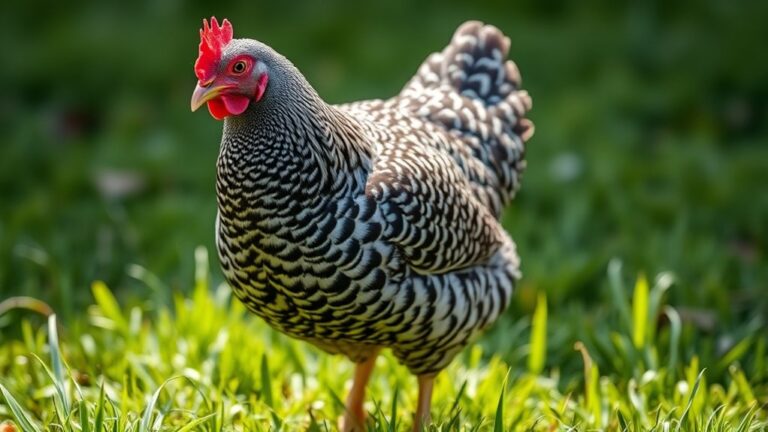
Australorp chickens stand out because they combine beauty, productivity, and a calm temperament in one breed. You’ll notice their glossy black feathers flash green and purple in sunlight, giving your flock a striking look.
Their australorp history traces back to Australia, where breeders refined Orpington stock for reliable eggs and hardy performance. That background still shapes their appeal today.
When you study australorp characteristics, you’ll see a large, sturdy bird with a gentle nature and a steady laying pattern. You can handle them more easily than many breeds because they usually stay relaxed around people.
They also adapt well to backyard life and don’t demand constant attention. If you want a breed that looks elegant, behaves politely, and earns its keep, Australorps fit that goal well. Their mix of heritage, temperament, and productivity makes them memorable in any coop.
Choosing Healthy Australorp Chicks
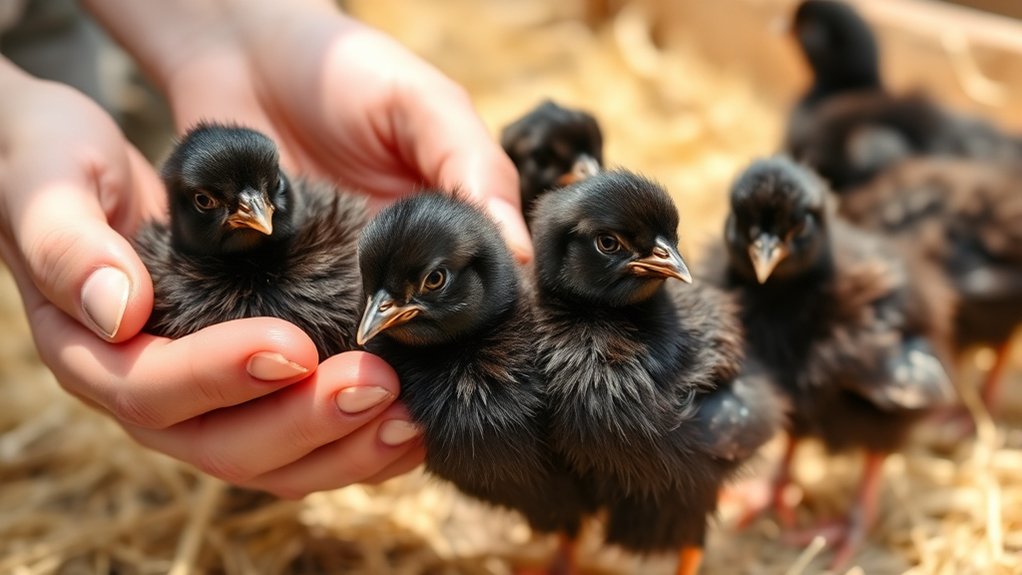
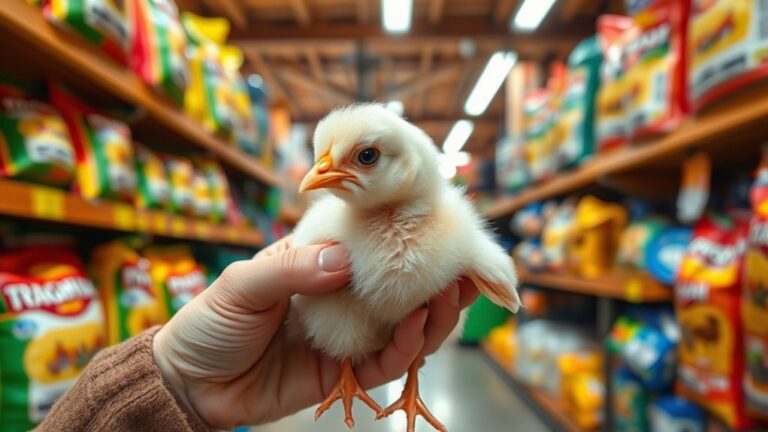
When you’re picking out Australorp chicks, keep an eye out for bright eyes and clean vents. It’s also good to check that their feathers are smooth and their legs feel sturdy.
You’ll want chicks that stand up alert, move steadily, and peep actively. Usually, healthy chicks seem curious and responsive—they don’t look weak or sleepy.
Physical Signs Of Health
Bright eyes, clean fluff, and steady movement are the first clues that a chick is off to a strong start. You should check physical fitness by feeling for a compact body and balanced weight. Look at feather condition for smooth, even fluff without bald patches.
Good eye clarity means the eyes look bright, open, and free of discharge. Examine beak health for a clean, properly aligned beak. Test leg strength by noting straight legs and firm footing.
Healthy droppings appearance should stay normal for age, not watery or stuck to the vent. Watch respiratory health for quiet breathing with no wheezing or sneezing. Check hydration levels by making sure the chick’s eyes stay moist and its skin looks supple, not dry or tucked.
Active Chick Behavior
A healthy Australorp chick doesn’t just look right, it acts right too. You should see a curious, alert chick that moves around the brooder with purpose, pecks at feed, and responds quickly when you approach.
Healthy chicks investigate, scratch lightly, and join in social play with their clutch mates instead of huddling apart. They’ll chirp softly, show active chick communication, and settle comfortably after brief bursts of energy.
Watch for balanced movement, steady footing, and an interest in food and water. A chick that stays lethargic, isolates itself, or seems overly noisy may need closer attention.
When you choose chicks that show confident, lively behavior, you’re picking birds more likely to grow strong, adapt well, and thrive in your flock.
Building the Right Australorp Coop

When you build an Australorp coop, it’s important to give your birds enough space to move around comfortably and stay healthy. You’ll want to make sure there’s strong ventilation and solid insulation, too, so the coop stays fresh and protected no matter how the weather changes.
And don’t forget about the nesting boxes and roosts—they should be well-placed so your hens can lay their eggs and rest without any hassle. Creating a cozy, functional space really makes a difference for your Australorps.
Coop Size Needs
Australorps need enough room to move comfortably, perch without crowding, and stay calm, so plan your coop around their size and temperament. Aim for generous coop dimensions that give each bird at least 4 square feet inside and more if you keep them confined often.
If you can, choose a coop location with dry ground, easy access, and morning sun, because that helps you maintain a cleaner, healthier setup. Provide wide roosts so their heavier bodies rest securely, and leave space for nest boxes without blocking traffic.
A cramped coop can lead to stress, pecking, and dirty bedding, so size matters from day one. If your flock may grow, build a little extra now instead of renovating later.
Ventilation And Insulation
After you’ve sized the coop properly, focus on airflow and weather protection so your Australorps stay comfortable year-round. Good ventilation prevents moisture buildup, ammonia, and stale air while still shielding birds from drafts.
Use high vents near the roof and adjustable openings to promote natural airflow without chilling the coop. Add insulation in cold climates to support temperature regulation, but keep it away from places where hens could peck it.
Seal gaps in walls and windows, then line the roof with weather-resistant materials to block rain and wind.
| Feature | Purpose |
|---|---|
| Roof vents | Release heat and moisture |
| Adjustable windows | Control airflow |
| Wall insulation | Stabilize temperature |
| Draft-proof seams | Reduce cold spots |
Nesting And Roosting Spaces
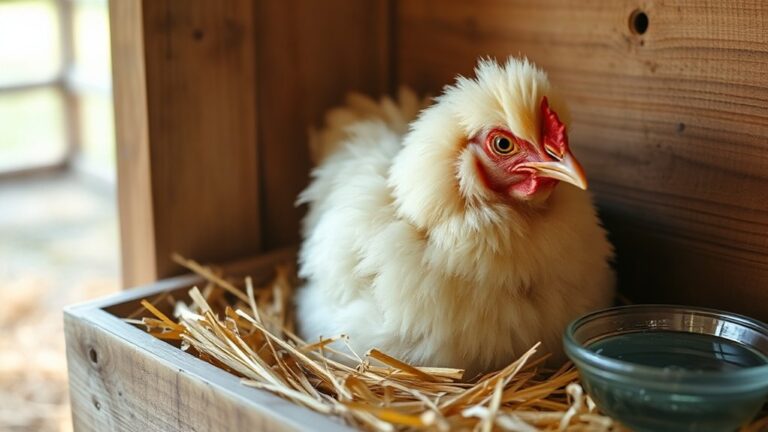
For a coop that keeps Australorps laying well and resting comfortably, give them enough nesting boxes and sturdy roosts. Aim for one box per three hens, placed in a quiet, dim corner so they feel secure.
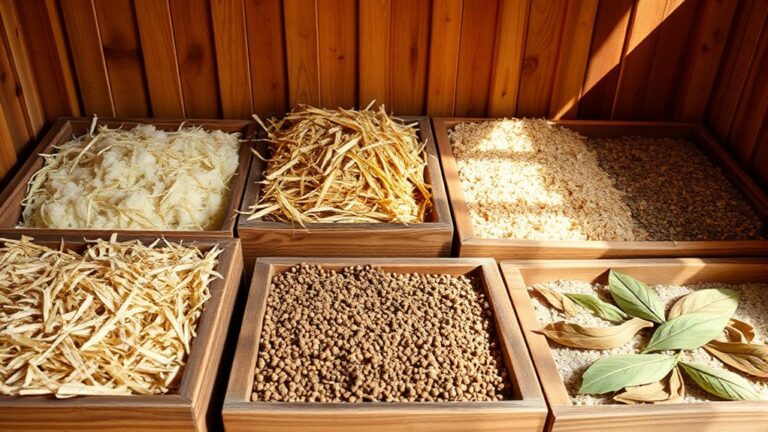
Line each box with clean nesting materials like straw, pine shavings, or dried grass, and replace them often to prevent dampness and mites.
Set roosts higher than the nesting boxes, but not so high that your birds strain when jumping down. Choose smooth, rounded bars that fit their feet well, and keep roosting heights around 18 to 24 inches for most flocks.
Leave enough space between perches so birds don’t crowd each other, and position them away from drafts, feed, and water.
Feeding Australorp Chickens for Strong Growth
To help Australorp chicks grow into sturdy, healthy birds, you need to feed them a balanced starter ration with plenty of protein, along with clean water at all times. Choose a crumble made for chicks, and check that it includes quality protein sources like soybean meal, fish meal, or peas.
You should offer feed in small, consistent feeding schedules, so your chicks always have access without overeating. Keep feeders low enough for easy reach, but high enough to limit scratching and waste.
Avoid giving treats too often, because they can crowd out the nutrients chicks need for fast, even growth. Fresh greens and tiny amounts of grit can come later, but the starter feed should stay the main diet.
Watch your birds closely; if they seem slow or weak, review the ration and water supply right away. Good nutrition now builds strong bones, feathers, and a healthy start for life.
Caring for Australorp Chicks, Pullets, and Adults
Caring for Australorp chickens means adjusting your approach as they move from chicks to pullets and then to adults. Keep chicks warm, dry, and active, and handle them gently for chick socialization. Check feed and water often because their dietary needs change fast.
| Stage | Care focus | Your goal |
|---|---|---|
| Chick | Warmth and brooder space | Support steady growth |
| Chick | Clean bedding and shallow water | Prevent stress |
| Pullet | Gradual coop shift | Build confidence |
| Pullet | Balanced feed and calcium | Support development |
| Adult | Shelter, ventilation, and routine checks | Maintain condition |
As pullets grow, give them more room, perches, and access to grit. When they become adults, keep their housing clean and dry, and watch their body condition closely. You should also adjust feed by age and production level so they stay healthy without overfeeding.
Regular observation helps you catch issues early and keep care simple.
Australorp Chicken Temperament and Flock Behavior
Australorps usually bring a calm, gentle energy to your flock. This makes them pretty easy to keep with other birds. You’ll still notice a pecking order as they figure out their social hierarchy, but they typically handle it without much drama.
If you handle them often and move around them calmly, they’ll usually stay relaxed and responsive. It’s really about keeping things low-key, and they’ll go with the flow.
Gentle Flock Behavior
A calm, steady flock is one of the biggest reasons people love Australorps. You’ll notice their flock dynamics stay relaxed, which makes daily care easier and less stressful for you. These birds usually move alongside without rushing, and their gentle interactions help keep the coop peaceful.
You can often watch them share space, forage side by side, and settle in without constant squabbling. Their calm nature also makes them a good fit for mixed-age groups, since they don’t usually crowd or intimidate smaller birds.
If you handle them often, they’ll stay comfortable around you and respond with quiet confidence. Provide enough space, food, and roosting spots, and you’ll encourage even smoother flock behavior.
Social Hierarchy
Within that calm flock, a clear pecking order usually develops without much drama. You’ll notice one or two birds claiming the best spots at feeders, nest boxes, and dust baths, while others wait their turn.
This pecking order helps your Australorps keep flock dynamics steady because each bird learns her place and spends less energy on constant challenge. They’re usually tolerant of newcomers, but you may see brief posturing, wing flutters, or a quick chase when ranks shift.
Keep enough space, food, and water available so lower birds don’t get crowded out. If you add new hens, watch for changes in flock dynamics until everyone settles.
A stable hierarchy usually means calmer routines, fewer disputes, and a more relaxed backyard flock overall.
Handling And Interaction
When you approach them calmly, Australorps usually respond with a steady, easygoing temperament that makes daily care simple. You can build trust by moving slowly, speaking softly, and offering treats from your hand. Good interaction techniques help them accept lifting, inspection, and routine coop checks without stress.
For chick handling, support their body fully, keep sessions brief, and return them to warmth quickly. Most birds settle fast if you stay consistent and avoid sudden grabs.
In a flock, they often peck the ground together, follow familiar routines, and rarely become aggressive unless space feels crowded. Watch for timid birds and give them room to retreat. Gentle, regular contact helps you raise calm hens that tolerate feeding, cleaning, and health checks with ease.
Preventing Common Australorp Health Problems
Keeping Australorps healthy starts with daily prevention, and you can avoid many common problems with good husbandry. Watch your flock closely for changes in appetite, posture, droppings, or breathing. This health monitoring helps you catch trouble early.
Keep bedding dry, coop ventilation steady, and feeders clean to support disease prevention. Quarantine any bird that seems off before it spreads illness.
Check feet and feathers often for mites, lice, injuries, and bumblefoot, especially after wet weather. Give your birds balanced feed, fresh water, and space to move so stress stays low and immunity stays strong.
Protect them from extreme heat, drafts, and overcrowding, since these conditions can trigger sickness fast. If you notice lethargy, swelling, sneezing, or diarrhea, act quickly and contact a poultry-savvy vet.
Consistent care, clean housing, and early action will keep your Australorps thriving year-round.
Australorp Chicken Egg Production
Australorps are prized for their strong, dependable egg production, and a healthy hen can lay around 250 to 300 large brown eggs a year under good conditions. You’ll see the best egg laying when you feed a balanced layer ration, provide fresh water, and keep stress low.
A calm coop, enough nesting boxes, and consistent daylight help maintain steady output. Collect eggs daily to keep the nest clean and reduce breakage. You should also watch egg quality by checking shell strength, size, and shape, because poor shells can signal nutrition gaps or illness.
During molt or extreme weather, production may dip, so don’t panic if numbers fall for a short time. With proper care, your hens can stay productive for years and give you a reliable supply of flavorful eggs.
Breeding Australorp Chickens at Home
If you want to breed Australorps at home, start with healthy, well-formed birds that match the breed standard and come from strong laying lines. You’ll improve your results by selecting one rooster for every eight to ten hens and pairing birds with calm temperament, good body depth, and dark, glossy plumage.
Use simple breeding techniques such as linebreeding only when you understand the flock’s chick genetics, since close relatives can concentrate both desirable traits and faults. Keep records of hatch rate, growth, and egg output so you can choose the best future breeders.
| Breeding Goal | What You Should Look For |
|---|---|
| Egg productivity | Hens from proven layers |
| Type and color | Broad body, black feathers |
| Chick quality | Strong, active, uniform chicks |
Incubate fertile eggs carefully and monitor your chicks as they grow. Then retain the most balanced young birds for your next generation.
Common Australorp Care Mistakes to Avoid
After breeding comes the day-to-day care that shapes your flock’s health, and small mistakes can undo good genetics fast. You should avoid nutrition mistakes by feeding a balanced layer ration, not just scraps or too many treats. Poor diet affects feather quality, egg production, and immunity.
Balanced layer feed beats scraps and treats—nutrition mistakes quickly undermine feather quality, egg production, and flock health.
Watch for housing errors such as cramped coops, weak ventilation, wet bedding, and unsafe perches. Australorps need dry, roomy, predator-proof housing.
Don’t overlook socialization issues either. If you isolate chicks too long or introduce birds too quickly, stress and bullying can follow. Handle them regularly, observe flock behavior, and add new birds carefully.
Finally, skip health misconceptions like assuming a quiet bird is healthy or that symptoms will pass on their own. You need to check for mites, worms, and respiratory signs early, then act quickly with proper care or veterinary help.
Frequently Asked Questions
How Cold Can Australorp Chickens Tolerate in Winter?
Australorp chickens can usually handle cold weather down to about 20°F to 0°F if you give them proper winter care, dry bedding, and a draft-free coop. You should keep their combs protected and make sure they’ve got fresh water that won’t freeze.
They’re hardy birds, but you still need to watch for frostbite and adjust ventilation so moisture doesn’t build up inside the coop.
Do Australorps Do Well With Other Chicken Breeds?
Yes, you can usually keep Australorps with other breeds. They’re calm and adaptable, so they often blend into mixed flocks like a quiet tide, easing tension instead of stirring it.
You should still watch social behavior and flock dynamics, because dominant birds can pick on gentler hens. Give everyone enough space, feeders, and roosts, and you’ll help your Australorps live peacefully with most chicken breeds.
How Long Do Australorp Hens Usually Live?
Australorp hens usually live about 6 to 10 years, though you’ll sometimes see them reach 12 with excellent care. Your bird’s lifespan factors include diet, shelter, genetics, and predator protection.
Health concerns like mites, egg binding, respiratory illness, and obesity can shorten life, so you’ll want to check her often. Keep her coop clean, and provide regular exercise, fresh water, and balanced feed for the best chance at a long, healthy life.
Are Australorp Chickens Suitable for Urban Backyards?
Yes, Australorps can suit urban backyards well because they’re calm and productive. In fact, a good laying hen can produce about 250 eggs a year. You’ll need enough space for a small coop and run, and you should check local rules first.
Their noise levels are usually low compared with louder breeds, so you won’t disturb neighbors much. If you provide shade, clean water, and secure fencing, they’ll thrive.
When Do Australorp Chicks Start Crowing?
Australorp chicks usually start crowing when you reach chick maturity, often around 8 to 12 weeks, though some crow earlier or later. You’ll notice rooster behaviors first, like standing tall, chest puffing, and practicing squeaks that turn into rough crows.
If you keep boys together, they may start testing their voices sooner. Don’t worry if your chick is slow; individual growth rates vary, and crowing timing isn’t always exact.
Conclusion
You’ve got a bird that can turn your backyard into a tiny egg factory with a glossy, feathered superstar vibe. If you give your Australorps roomy housing, solid feed, clean water, and a watchful eye, they’ll repay you with eggs, charm, and hardy good looks.
Skip the common mistakes, and you’ll raise birds that seem almost too easy to love. With the right care, your flock won’t just thrive, it’ll practically strut like royalty. That’s the magic of raising Australorp chickens.