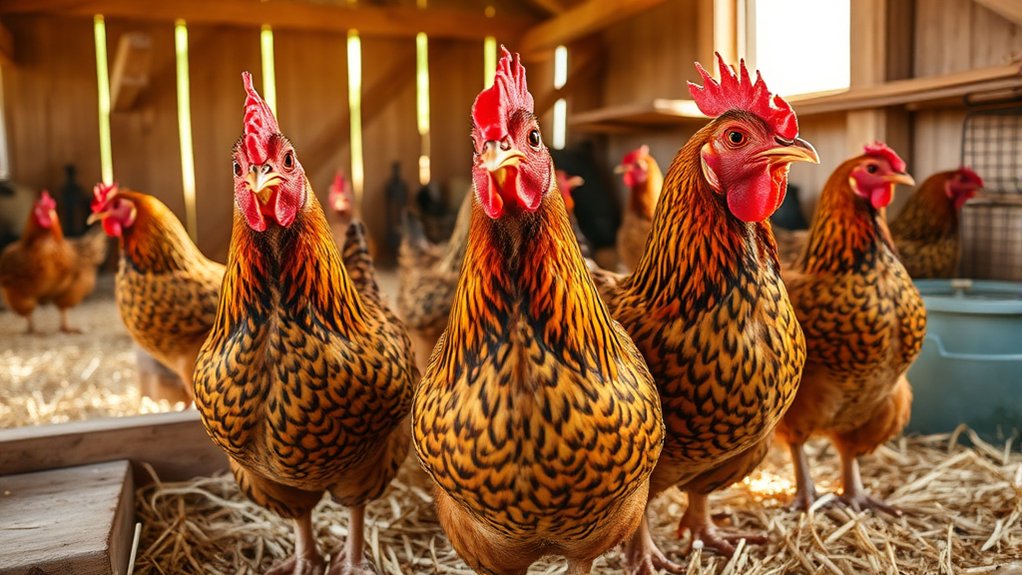
Wyandotte Chickens: How to Raise Them
If you’ve ever wanted to raise chickens but felt overwhelmed by all the choices, you’re not alone. Many people struggle to find a breed that’s hardy, calm, and good for both beginners and experienced keepers.
Finding the right chicken that thrives in your environment and fits your needs can make all the difference.
Wyandotte chickens are a smart choice if you want a hardy, calm, and attractive breed that does well in confinement and cool weather.
Pick a healthy variety like Silver Laced or Golden Laced, then set up a dry, secure coop with good ventilation and nesting boxes.
Feed chicks quality starter feed, give fresh water daily, and keep bedding clean.
With steady care, they’ll stay healthy, lay well, and reward you with plenty more as you go.
Key Takeaways
- Choose hardy, calm Wyandottes with healthy stock and popular varieties like Silver Laced, Golden Laced, Blue, Black, or Buff.
- Provide a secure coop with enough space, dry bedding, predator-proof hardware cloth, ventilation, and quiet nesting boxes.
- Feed chicks quality starter feed, supply fresh water daily, and keep feed stored cool and dry.
- Maintain daily care by cleaning bedding, feeders, waterers, and nesting boxes while watching for health changes.
- Support health and laying with balanced nutrition, regular parasite checks, proper lighting, and low-stress, uncrowded conditions.
What Makes Wyandotte Chickens a Good Choice?

Wyandotte chickens make a smart choice if you want a breed that’s hardy, attractive, and easy to manage. You’ll appreciate their calm temperament traits, which make daily care less stressful and help them fit well into mixed flocks.
They handle confinement reasonably well, yet they still enjoy room to scratch and investigate. If you want birds that don’t demand constant attention, Wyandottes can suit your routine.
Their broad bodies and dense feathers also help them tolerate cool weather better than many breeds. You’ll notice their neat feathering and rounded shape give them a polished look in the yard.
Another plus is the variety of color variations, so you can pick birds that match your preference without sacrificing usefulness. Because they’re dependable, friendly, and adaptable, Wyandottes give you a practical balance of beauty and function for small farms or backyard setups.
Choose the Best Wyandotte Variety
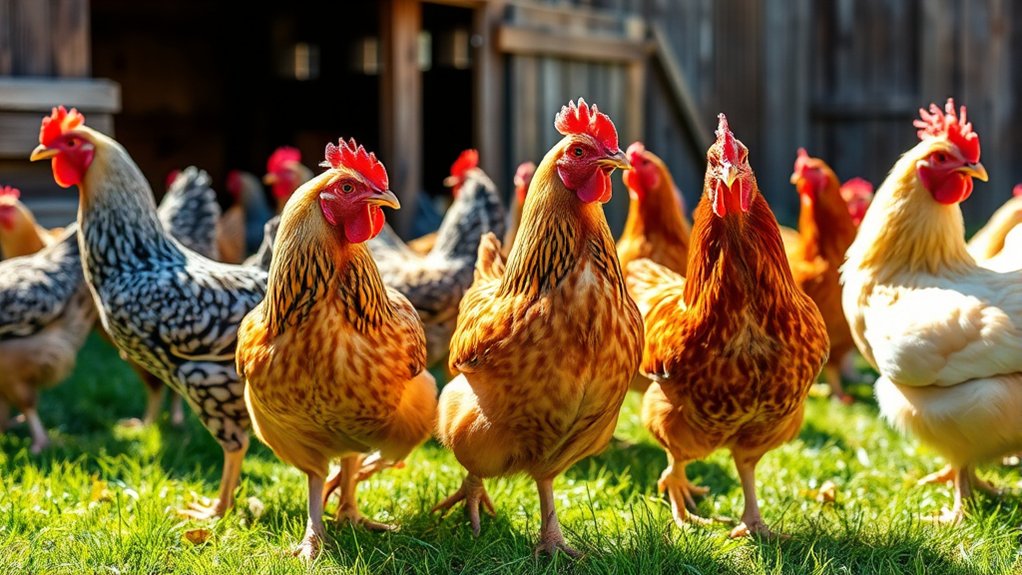
When you choose a Wyandotte, start by thinking about your goals, because different varieties can offer slightly different looks and appeal. If you want a classic bird with rich heritage, study Wyandotte history and compare the strains available from reputable breeders.
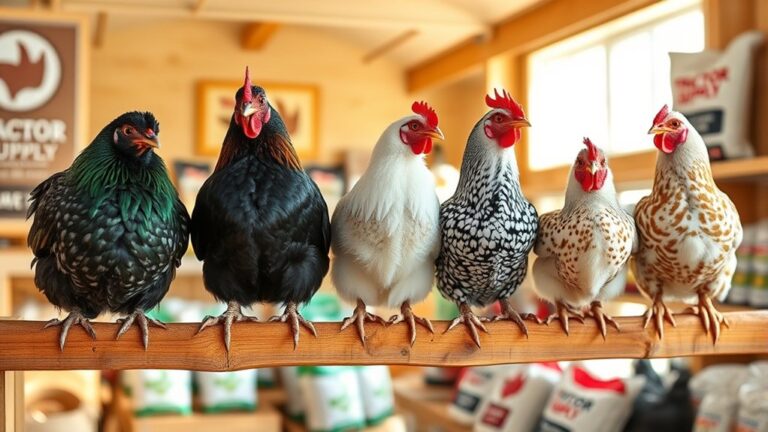
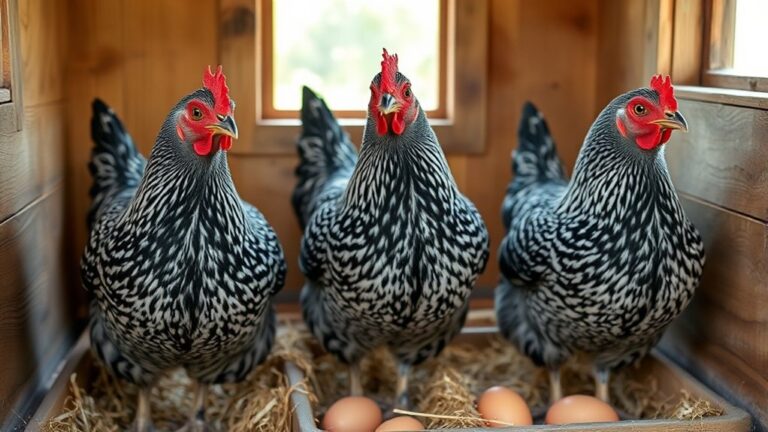
Silver Laced often draws the most attention, thanks to crisp contrast and traditional beauty. Golden Laced brings a warmer, brighter look, while Blue, Black, and Buff give you other striking options.
You should also consider Wyandotte colors, since plumage affects how your flock looks as a group and which birds you enjoy most. If you plan to show birds, check that the variety matches the standard closely.
If you want a family flock, pick the color you like best and focus on healthy, well-tempered stock. Either way, choose birds with clean feathers, bright eyes, and strong type so your flock starts off right.
Set Up a Safe Wyandotte Coop
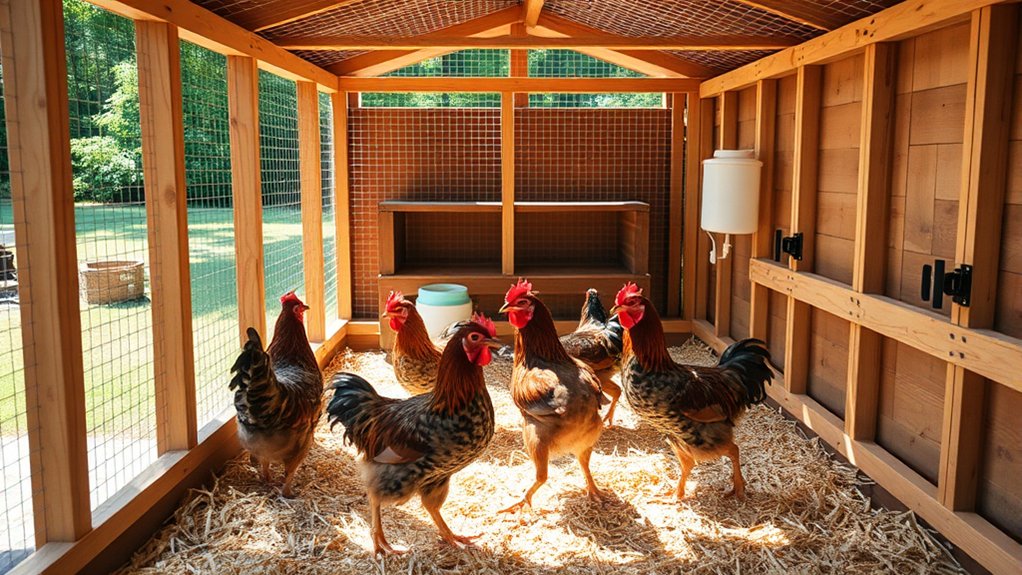
A safe coop keeps your Wyandottes healthy, comfortable, and protected from predators. Choose a coop design that gives each bird enough space to move, rest, and perch without crowding. Keep the floor dry with solid bedding, and raise the coop slightly off the ground to block dampness.
Use sturdy lumber, tight joints, and hardware cloth on windows and vents for strong predator protection. Lock doors with raccoons in mind, since they can pry open weak latches.
- Place the coop on level ground with good drainage.
- Add ventilation near the roof, but cover every opening with wire.
- Install nesting boxes in a quiet corner so hens feel secure.
Inside, avoid sharp edges and loose nails that could injure feathers or feet. Set the coop where you can clean it easily and check for damage often. A well-built coop helps your Wyandottes stay calm, dry, and safe every day.
Feed Wyandotte Chickens for Healthy Growth
You should start your Wyandotte chicks on a quality starter feed to give them the nutrients they need for steady growth. As they get older, you’ll want to adjust the protein levels to match their changing needs and support healthy development.
Also, make sure to keep fresh water available at all times. This way, they can eat well and stay hydrated without any trouble.
Starter Feed Basics
For healthy growth, Wyandotte chicks need a quality starter feed with about 18% to 20% protein. This gives them the nutrients they need for strong feathers, bones, and muscle development. Choose starter feed types that match your setup, such as crumbles or mini-pellets, and keep the feed fresh and clean.
You’ll also want to check that the formula meets the nutrient requirements for vitamins, minerals, and amino acids your chicks rely on.
- Offer feed in shallow dishes to reduce waste.
- Keep water available at all times.
- Store feed in a cool, dry place.
When you feed Wyandotte chicks consistently, you help them grow steadily and stay active without extra stress.
Protein Needs By Age
As Wyandotte chickens grow, their protein needs change, so it’s important to adjust feed by age to support steady development. During the first weeks, you should offer a starter ration with higher protein to fuel rapid growth and feathering.
As they reach juvenile stage, you can lower protein slightly with age specific diets that still keep muscles and bones strong. Once pullets approach laying age, shift to a balanced grower feed, then a layer ration when eggs begin.
Choose quality protein sources like soybean meal, fish meal, or peas to meet needs without excess. Watch body condition, feather quality, and growth rate, and tweak feed if birds seem slow, thin, or overly heavy.
Fresh Water Access
Fresh water should always be available to Wyandotte chickens, since steady access supports digestion, growth, and overall health. You need to check drinkers morning and evening, because dirty or empty containers can slow growth and stress birds.
Keep an eye on water temperature so it stays cool in summer and won’t freeze in winter. Hydration importance matters most during heat, laying, and recovery after illness.
- Clean waterers daily to prevent algae and droppings.
- Place several stations around the run so shy birds can drink.
- Refill often, especially after feeding or when weather turns hot.
If you notice panting, lethargy, or pale combs, your Wyandottes may need water right away.
Give Wyandotte Chickens Daily Care
To keep your Wyandotte chickens healthy, make sure they always have fresh water. It’s super important to keep their water clean and changed daily. Along with that, give them a balanced feed routine so they get all the nutrients they need.
Also, check the coop every day. Look for cleanliness and make sure the bedding is dry and fresh. If you spot any signs of waste buildup, clean it out right away. These simple daily habits really help your flock stay comfortable and thrive.
Fresh Water Supply
Although Wyandotte chickens are hardy birds, they still need clean, fresh water every day to stay healthy and productive. You should check water quality morning and evening, because dirt, droppings, and algae can quickly lower hydration importance in warm or dusty weather.
Refill containers with cool water and scrub them often so your flock always drinks safely.
- Place drinkers in shade to slow warming.
- Raise containers off the ground to cut contamination.
- Empty and rinse bowls daily, then disinfect them weekly.
If you notice low drinking, inspect the waterer for leaks, ice, or debris right away. Good water access helps your Wyandottes stay active, comfortable, and ready to thrive throughout the season.
Balanced Feed Routine
A balanced feed routine keeps your Wyandotte chickens healthy, energetic, and productive every day. You should offer a complete layer or grower feed that matches their age and production stage.
Keep a steady feeding schedule so they know when to eat and stay consistent. Give feed in the morning, then check later to make sure they’ve eaten enough.
If you free-range them, reduce extra grain so they don’t fill up on treats. You can add nutritional supplements when needed, such as oyster shell for laying hens or grit for digestion.
Limit scratch grains and kitchen scraps, since too many extras can upset their diet. Watch their body condition and adjust portions if they seem too thin or too heavy.
Coop Cleanliness Checks
Check the coop every day to keep your Wyandotte chickens comfortable, healthy, and free from avoidable stress. Look for damp bedding, spilled feed, broken roosts, and signs of pests before problems spread.
Good manure management helps control odor, flies, and disease, so scrape droppings often and replace wet litter right away. Pay close attention to nesting hygiene; clean boxes encourage egg laying and keep shells and feathers cleaner.
- Remove manure and soiled bedding daily.
- Inspect nesting boxes and refresh litter.
- Check waterers, feeders, and vents for cleanliness.
A tidy coop supports strong immunity, calmer hens, and better egg production. When you stay consistent, your Wyandottes stay healthier and thrive.
Care for Wyandotte Chickens in Winter
When winter settles in, Wyandotte chickens do best with a coop that stays dry, draft-free, and well ventilated, because dampness and bitter winds can quickly make them uncomfortable. You can add light winter insulation to the walls and roof, but keep vents open high above roost level so moisture escapes.
Check nesting boxes often; line them with clean, dry bedding and replace wet material right away. Give your flock extra bedding on the floor so their feet stay warm, and raise feeders and waterers to reduce spills.
You should serve fresh water several times a day, since frozen water can cut intake fast. Offer a slightly larger ration of balanced feed to help them maintain body heat.
Let them roam on calm days if the ground isn’t icy, but keep outings short and safe. At dusk, count birds, close the coop securely, and make sure everyone reaches the roost before temperatures drop.
Prevent Common Wyandotte Health Problems
Keeping Wyandotte chickens healthy starts with daily observation, because small changes in appetite, posture, droppings, or feather condition often signal trouble early. Use preventative measures before problems spread: keep bedding dry, clean feeders, and isolate sick birds fast. A simple health monitoring routine helps you catch mites, lice, and respiratory signs before they worsen.
- Follow a vaccination schedule your vet recommends for your flock’s region.
- Practice parasite control with regular coop inspections and approved treatments.
- Maintain nutrition balance with quality feed, clean water, and grit.
Reduce stress management issues by avoiding overcrowding and sudden flock changes. Add environmental enrichment like dust baths, perches, and shaded foraging space so birds stay active and calm. Watch for breed specific issues such as feathering around the feet, which can trap mud and pests.
When you stay consistent, you’ll support stronger immunity, better comfort, and fewer preventable health setbacks across the flock.
Increase Wyandotte Egg Production
You can boost Wyandotte egg production by giving them a balanced layer feed that supports steady laying. It’s important to keep their diet full of the right nutrients so they have the energy to lay consistently.
Also, keep a consistent lighting schedule to help their bodies stay on track through the seasons. Hens really respond well when their environment mimics natural daylight patterns.
And don’t forget about the coop—make sure it stays stress-free with enough space. Calm hens usually lay better, so giving them plenty of room to move around can make a big difference.
Balanced Layer Feed
A balanced layer feed gives your Wyandotte hens the protein, calcium, and vitamins they need to lay consistently and stay healthy. You should offer a quality layer ration with about 16% protein so they can support egg production without gaining excess weight.
Keep their feeding schedule steady, and provide fresh water at all times. If eggshells look thin, you can add nutritional supplements like oyster shell, but don’t replace the main feed. Watch how much they eat so you can avoid waste and keep your flock in good condition.
- Choose a commercial layer feed.
- Offer calcium separately when needed.
- Check body condition and egg quality weekly.
Consistent Lighting Schedule
Along with a balanced layer feed, a steady light schedule can help your Wyandotte hens lay more reliably through the shorter days. You should aim for about 14 to 16 hours of light each day, using timers so the routine stays consistent.
Sudden changes in lighting effects can disrupt chicken behavior and slow egg production. Add light in the morning or evening, not both, so your hens keep a natural rest period. Use a low, even bulb that brightens the coop without startling them.
Keep the schedule steady every day, since irregular light can confuse laying patterns. When you manage daylight carefully, you support their body clocks and encourage more regular eggs without pushing them too hard.
Stress-Free Coop Space
A calm, uncrowded coop helps Wyandotte hens stay productive because stress can quickly reduce laying. You’ll boost egg output when you match space requirements to your flock dynamics and give each hen room to move.
- Add proper coop ventilation and coop insulation so the air stays fresh without drafts.
- Provide enough nesting boxes, clean bedding materials, and chicken enrichment to keep hens comfortable and occupied.
- Support noise reduction with a quiet setup, strong predator protection, and reliable outdoor access for daily exercise.
When you keep the coop peaceful, your Wyandottes settle faster, peck less, and lay more consistently. Watch for crowding, because tension spreads quickly in tight quarters and can lower production.
Raise Wyandotte Chicks With Confidence
When you bring home Wyandotte chicks, give them a warm, draft-free brooder, clean water, and a balanced starter feed so they can grow steadily from day one. Watch their behavior to fine-tune brooding techniques: if they huddle, they’re cold; if they spread far from the heat, they’re too warm.
Keep bedding dry and change it often so their feet stay clean and comfy. Handle them gently each day and use simple socialization tips like speaking softly and offering treats from your hand. This helps them trust you and stay calm around people.
Provide enough space for pecking, resting, and moving, since crowded chicks get restless. As they grow, lower the heat gradually and introduce short outdoor visits in safe weather. With steady care, your Wyandotte chicks will develop into confident, friendly birds that adapt well to your flock and home.
Solve Common Wyandotte Care Problems
Even hardy Wyandottes can run into a few common issues, but you can catch most of them early with close observation. Watch for dull feathers, limping, or loose droppings, then act fast. Good feather care starts with a clean coop, dry bedding, and enough space to prevent pecking.
If mites or lice show up, treat the flock and scrub the roosts.
- Check diet: Give balanced feed, grit, and fresh water to support laying and strong plumage.
- Inspect feet and legs: Trim overgrown nails, remove mud balls, and keep perches smooth to prevent injury.
- Review breeding techniques: Avoid pairing birds with weak legs, poor feather quality, or bad temperaments.
You should also isolate sick birds right away and watch for respiratory signs like sneezing or swelling. By staying consistent, you’ll solve most Wyandotte care problems before they spread.
Frequently Asked Questions
How Long Do Wyandotte Chickens Typically Live?
Wyandotte chickens typically live 6 to 12 years, though you might see them reach longer with excellent care. Their lifespan factors include genetics, diet, space, climate, and predator protection.
You can help them thrive with health tips like clean water, balanced feed, regular coop cleaning, parasite checks, and prompt vet care. If you keep them safe and stress-free, your flock can enjoy a longer, healthier life.
Are Wyandotte Chickens Friendly With Children and Pets?
Yes, you’ll often find Wyandotte chickens are friendly with children and many pets. Why wouldn’t you appreciate a calm bird? Their social behavior is usually gentle, which helps with child interaction when you supervise closely.
You should still introduce them slowly to dogs, cats, and kids, since each bird has its own personality. With patience, you can build trust and enjoy a flock that’s approachable and manageable.
What Colors Do Wyandotte Chickens Come In?
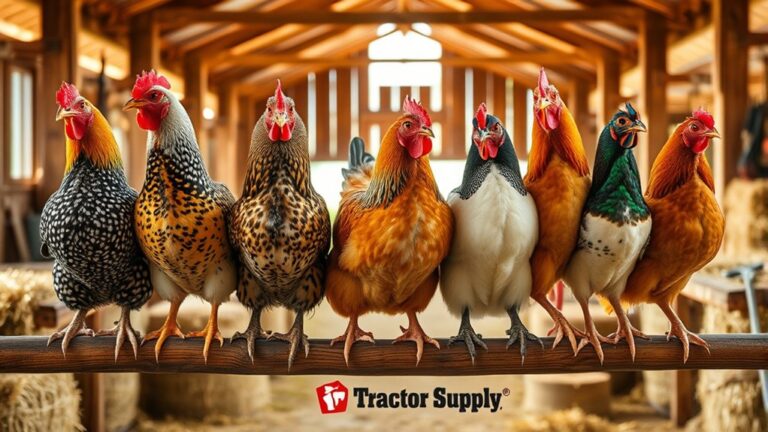
Wyandotte chickens come in several beautiful color variations, including silver-laced, gold-laced, blue, black, buff, white, and red. You’ll also see splash, partridge, and columbian in some strains.
These breed characteristics make them one of the most eye-catching backyard birds. You can choose the variety that fits your flock’s look best, and each one brings the same hardy, calm personality Wyandottes are known for.
Do Wyandotte Chickens Need a Rooster to Lay Eggs?
No, you don’t need a rooster to get eggs. A hen’s egg production works like a clock, ticking along on its own. Your Wyandottes will lay fertile or unfertile eggs without a rooster in the flock.
If you want chicks, then rooster benefits matter, because he’ll fertilize eggs and may help protect hens. For simple egg collection, though, you can keep only hens and still enjoy plenty of fresh eggs.
Can Wyandotte Chickens Free-Range Safely?
Yes, you can let Wyandotte chickens free-range safely if you manage predator awareness and space requirements. You should provide a secure coop, supervised outings, and plenty of open ground so they can forage without crowding.
You’ll also want fencing, cover from hawks, and a routine that brings them in before dusk. Wyandottes are sturdy birds, but they’ll stay safer when you watch for local threats and give them room.
Conclusion
Wyandotte chickens are a smart choice if you want hardy birds, steady egg layers, and a calm flock. With the right coop, balanced feed, and daily care, they’ll thrive in your yard.
One useful stat: a healthy Wyandotte hen can lay about 200 to 240 eggs a year, depending on strain and conditions.
If you stay consistent and watch for problems early, you’ll raise strong, productive chickens with confidence. Choosing Wyandotte chickens means you’re set up for success with a reliable and easygoing flock.