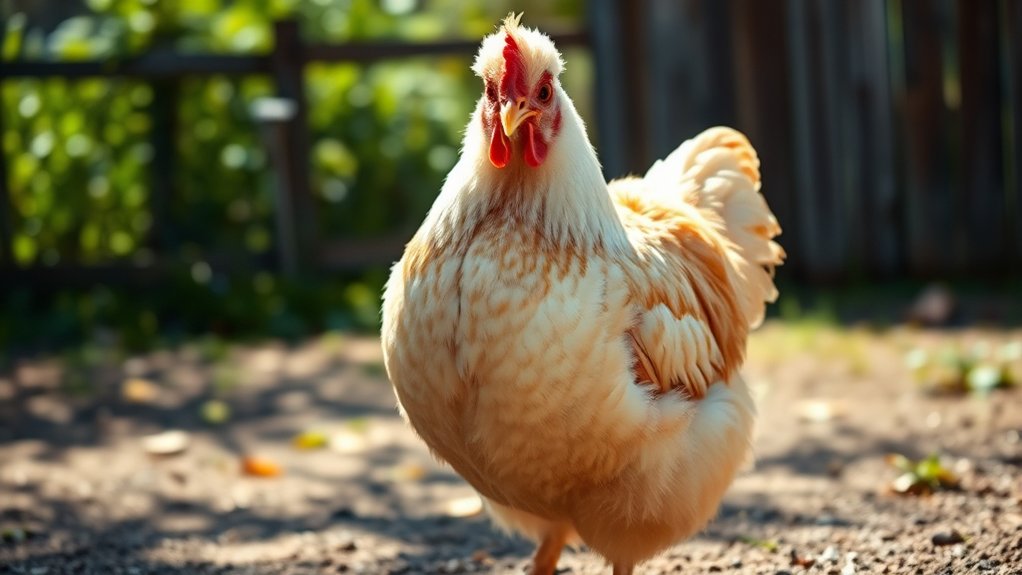
Brahma Chickens Beginner’s Guide
Finding the right chicken breed can be tricky, especially if you’re new to raising poultry. Many people struggle with choosing birds that are both easy to manage and friendly enough to fit into a mixed flock. You’re not alone in wanting a calm, low-maintenance chicken that stands out for all the right reasons.
Brahma chickens are a great choice if you want a calm, beginner-friendly breed with plenty of presence. You’ll get a large bird with feathered legs, a gentle personality, and a steady temperament that fits well in mixed flocks.
Give them a roomy coop, low roosts, dry bedding, and good ventilation. They also do well with simple feeding and seasonal care. If you keep going, you’ll pick up the details that make Brahmas even easier to raise.
Key Takeaways
- Brahma chickens are calm, gentle, and beginner-friendly, making them easy to manage in mixed backyard flocks.
- They are one of the largest breeds, with heavily feathered legs and a sturdy body. Because of their size, they need spacious housing.
- Provide low roosts, dry bedding, good ventilation, and quiet nest boxes to keep daily care comfortable for them.
- In summer, make sure they have plenty of shade, water, and ventilation. In winter, protect them from drafts, moisture, and frostbite.
- When choosing birds, look for bright eyes, smooth feathers, and strong legs to ensure healthy, productive Brahmas.
Why Brahmas Are Such a Popular Breed
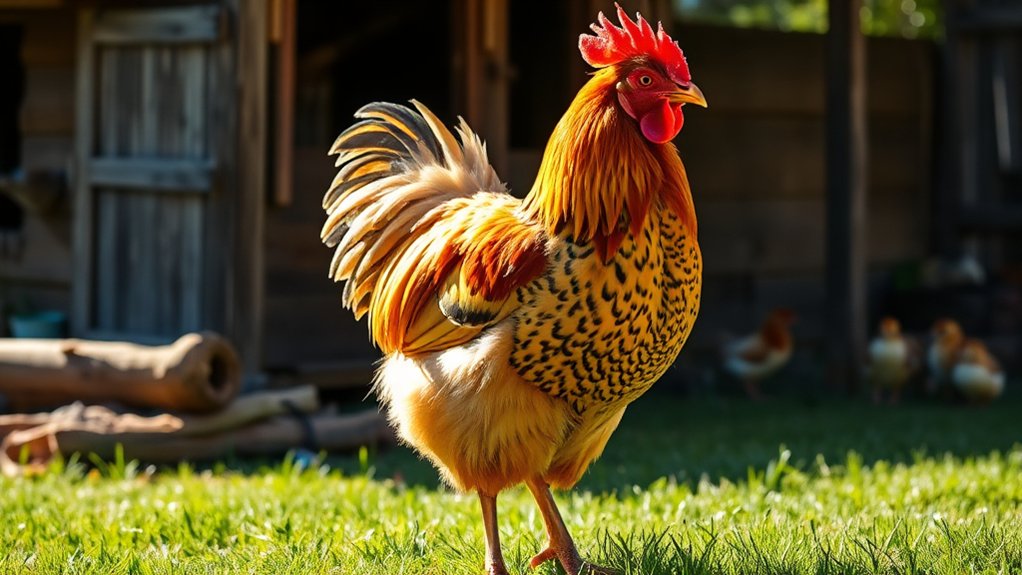
Brahmas are popular because they bring a lot to the flock without asking for much in return. You’ll appreciate how calmly they fit into most backyard setups and how steadily they reward your care.
Their historical significance gives them extra appeal, since you’re raising a breed with deep roots in poultry keeping. That heritage also draws breeders who value classic stock and thoughtful breeding techniques that preserve strong traits.
If you want a chicken that feels dependable rather than demanding, Brahmas often match that goal. You can enjoy their steady temperament, their easygoing nature around people, and their ability to blend into mixed flocks without causing drama.
They also suit keepers who prefer a breed that doesn’t require constant fussing. When you choose Brahmas, you’re selecting a bird with proven staying power, practical value, and a reputation that’s earned trust over generations.
Brahma Chicken Appearance and Size

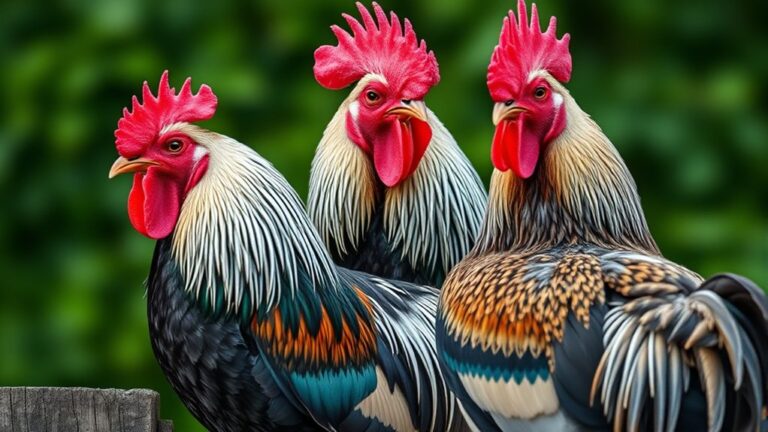
When you check out Brahma chickens, the first thing you’ll probably notice is their feathered legs — they give these birds a really fluffy, unique look. Plus, they’re pretty big compared to other chickens, making them one of the largest breeds you can have in your backyard. All in all, these features give Brahmas a calm and impressive vibe that really stands out in your flock.
Feathered Legs
One of the Brahma’s most distinctive features is its heavily feathered legs, which give the breed a soft, full-bodied look. These feathered characteristics set Brahmas apart at first glance, and you’ll notice they extend down each leg and around the feet.
When you handle or inspect your bird, move gently so you don’t catch the feathers or irritate the skin. Good leg care matters, especially in wet or muddy conditions, because damp feathers can collect dirt and debris.
Keep the coop dry, provide clean bedding, and check the legs regularly for buildup or signs of trouble. With simple attention, you’ll help your Brahma stay comfortable and looking its best while preserving the breed’s unique, elegant appearance.
Large Body Size
Mighty and broad, Brahmas are known for their impressive size, with a deep, wide body that gives them a powerful presence in the flock. When you raise them, you’ll notice their frame feels heavy, sturdy, and calm. Their large body size can improve cold hardiness and make them look impressive in your yard.
Good breeding techniques help preserve these traits without sacrificing health or mobility.
| Trait | What you’ll see |
|---|---|
| Body depth | Wide chest and full shape |
| Weight | Heavy, substantial build |
| Stance | Upright, balanced posture |
| Size benefits | Strong presence and winter resilience |
You should provide roomy housing, low perches, and ample feed space so they can move comfortably.
Brahma Chicken Personality and Temperament

Brahma chickens bring a calm, gentle presence to the flock, and their steady temperament makes them a favorite for backyard keepers. You’ll notice their behavioral traits quickly: they move slowly, rarely panic, and usually handle daily activity with ease.
Brahma chickens are calm, gentle birds that move slowly and handle daily flock life with ease.
In social interactions, they often stay polite and noncompetitive, which helps them fit into mixed flocks without much drama. You can expect them to be friendly with people, especially when you spend time around them from a young age.
They’re not usually pushy or noisy, so they suit setups where you want a relaxed bird. Because they’re so easygoing, you may find them less likely to bully smaller hens or start squabbles over feed.
Their mellow nature also makes them a good choice if you’re new to chickens and want a predictable, manageable breed.
Setting Up a Brahma Coop
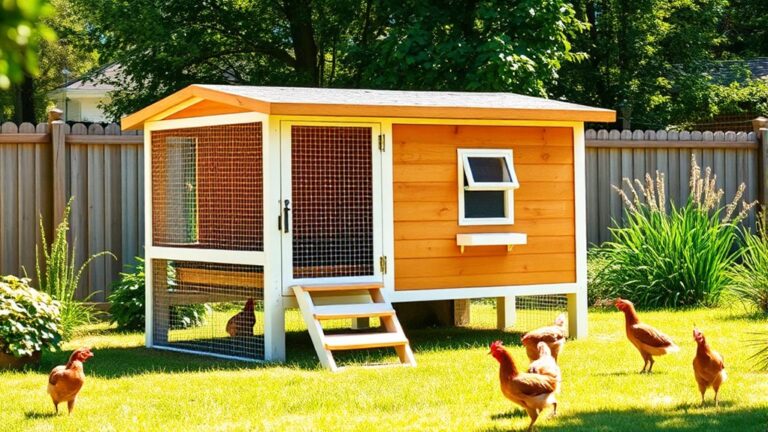
A Brahma coop should give your birds plenty of room to move, stretch, and rest comfortably. Their large bodies and feathered legs need extra space, so aim for roomy coop dimensions, low roosts, and wide doorways. This way, they can enter without strain.
Keep the floor dry and smooth, then add deep bedding that stays clean under their feet. Place nesting boxes in a quiet corner and line them with soft nesting materials for better egg laying and comfort.
| Feature | Ideal Setup | Why It Helps |
|---|---|---|
| Coop size | Spacious | Reduces crowding |
| Roost height | Low | Eases access |
| Floor | Dry, level | Protects feet |
| Nest boxes | Quiet corner | Lowers stress |
| Bedding | Soft, thick | Adds comfort |
Make sure you provide shade, ventilation, and easy cleanup access.
Feeding Brahma Chickens
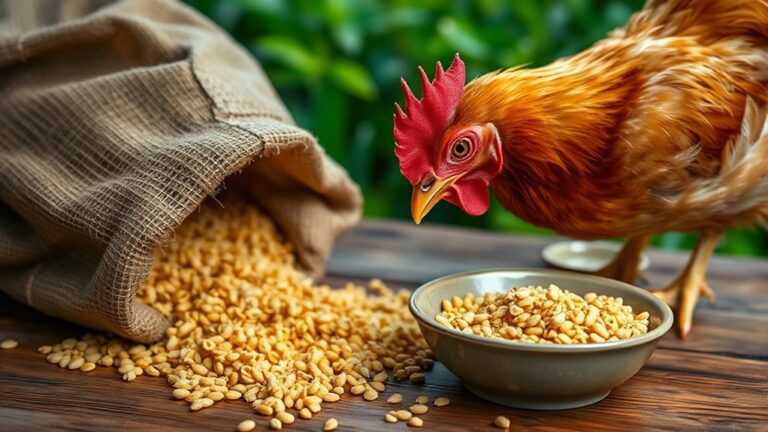
When you feed Brahma chickens, focus on a balanced diet that supports their large frame, steady growth, and calm temperament. Offer a quality layer or grower feed, depending on their age, and keep fresh water available all day.
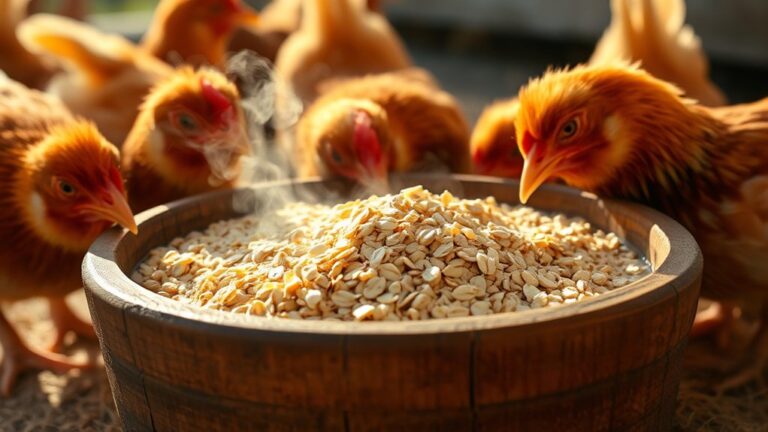
You can add treats, but keep them under 10% of daily intake so their main nutrition stays consistent. Choose varied grain types like cracked corn, oats, and wheat in moderation, and mix them with pellets or crumbles for complete nutrition.
A simple feeding schedule helps you manage portions: give feed in the morning, refresh it later if needed, and remove spoiled leftovers. Since Brahmas grow slowly, don’t overfeed rich scraps or too many extras, or they may gain excess weight.
Provide grit if they free-range, and use clean feeders to reduce waste. Watch their body condition, adjust portions seasonally, and you’ll support healthy, steady birds.
How Many Eggs Brahmas Lay?
Egg production from Brahma hens is modest, so you shouldn’t expect a high-output layer like you would from some other breeds. You can usually count on about 150 to 200 eggs a year from a healthy hen, though individual birds vary. Their laying frequency often starts strong enough in spring and summer, then eases when daylight shortens.
If you keep your Brahmas comfortable, well fed, and protected from stress, you’ll support steadier egg production throughout the year.
Because Brahmas mature slowly, you may wait longer for the first eggs than you would with lighter breeds. Once they settle into laying, they often give you large brown eggs with a dependable rhythm rather than a constant stream.
If you want a backyard bird for both looks and eggs, Brahmas fit that role well. They won’t overwhelm you with baskets of eggs, but they’ll reward you with consistent, dependable laying and calm companionship.
Brahma Chicken Health Problems
Brahma chickens can run into a few common health problems, like foot issues, respiratory infections, and parasites. It’s important to keep an eye out for early signs such as limping, sneezing, or dull feathers. When you catch these symptoms early, you can act quickly to help your birds stay healthy.
Keeping their coop clean, offering balanced feed, and doing regular health checks will go a long way in preventing many of these problems. With just a little attention, you can make sure your Brahmas stay happy and strong.
Common Brahma Ailments
Even sturdy Brahmas can run into a few common health issues, especially if poor housing, damp bedding, or heavy body weight strain their feet and joints. You may see bumblefoot, scaly leg mites, or sore hocks first, along with limping, swelling, or crusty skin.
Respiratory trouble can also appear, with sneezing, wheezing, or watery eyes. Watch for lice and mites because they drain energy and irritate skin.
If your bird stops eating, sits apart, or drops weight, call a poultry vet quickly. Early care improves recovery, and treatment options often include cleaning wounds, medicated ointments, parasite control, and supportive rest.
When you notice these common illnesses, act fast so your Brahma stays comfortable and keeps moving well.
Preventing Health Issues
To keep Brahma chickens healthy, focus on the basics: give them a dry coop, clean bedding, good ventilation, and plenty of space so their heavy bodies don’t put extra strain on feet and joints. You should follow a vaccination schedule suited to your flock and watch for signs of illness early.
Keep parasite control consistent with routine dusting, coop cleaning, and fecal checks. Feed a nutrition balance that supports growth without making them overweight, and provide fresh water every day. Use stress management by limiting crowding, loud noise, and sudden changes.
Strong biosecurity measures matter too, so quarantine new birds and clean tools between groups. Schedule regular check ups with a poultry vet so you can catch Brahma chicken health problems before they spread.
Caring for Brahmas in Hot Weather
When summer heat climbs, you’ll need to give Brahmas extra support because their dense feathers and heavy bodies make them more vulnerable to overheating. Focus on shade options and hydration strategies first. Place their run in a breezy spot, add tarps, trees, or a well-ventilated shelter, and refresh water often so it stays cool and clean.
Brahmas need extra summer care—prioritize shade, ventilation, and fresh cool water to help prevent overheating.
- Provide shallow pans of water and check them twice daily.
- Feed early morning or evening, when temperatures drop.
- Watch for panting, wing spreading, or sluggishness, and move them to cooler areas fast.
You can also mist nearby ground lightly, but don’t soak their feathers. Skip crowded conditions and keep dust baths dry and shaded. If you must handle them, do it during the coolest parts of the day.
With simple adjustments, you’ll help your Brahmas stay comfortable, eat normally, and handle hot weather with less stress throughout the summer.
Caring for Brahmas in Cold Weather
When winter hits, you’ll want to make sure your Brahmas have a dry, draft-free coop with plenty of bedding to help them stay warm. It’s really important to keep their living space cozy and protected from the chilly wind.
Also, be sure to check their combs, wattles, and feet often. Frostbite can happen fast when it’s freezing outside, so keeping an eye on those areas can save you a lot of trouble.
With the right setup and a little extra care, you can keep your Brahmas comfortable all season long. They’ll thank you by staying healthy and happy through the cold months!
Winter Coop Setup
As winter settles in, Brahmas need a coop that stays dry, draft-free, and well ventilated so they can handle cold weather without stress. Add winter insulation to the walls and roof, but don’t seal every gap. Good coop ventilation lets moisture escape and keeps bedding fresh.
Raise the coop floor if possible, and use thick, absorbent litter to help trap warmth.
- Check for leaks after rain or snow.
- Block direct drafts with removable panels.
- Keep waterers off the floor to reduce spills.
You should also give them enough space to move without crowding since Brahmas need room for their feathered feet and calm behavior. Clean the coop often because dry bedding supports comfort all winter long.
Frostbite Prevention Tips
Even with a dry, draft-free coop, Brahmas still need protection from frostbite in the coldest weeks. You can prevent damage by keeping roosts low, bedding thick, and water fresh so combs stay clean and dry.
Check your birds daily for frostbite signs: pale, swollen, or blackened comb points, wattles, and toes. If you notice them, move the chicken to a warmer, dry space and don’t rub the tissue. Instead, gently warm the area indoors and watch for further injury.
Use warming essentials like deep straw, insulated shelters, and extra feed at dusk to help birds generate heat overnight. Keep vents open for airflow but block direct drafts. Limit time outside during brutal wind, and make sure birds can move freely without crowding.
Choosing Brahma Chickens for Your Flock
Picking the right Brahma chickens starts with understanding what you want from your flock. If you want calm birds that handle cold weather well, Brahmas fit nicely. Choose healthy chicks or adults with bright eyes, clean vents, and smooth feathering.
Choose healthy Brahma chickens with bright eyes and smooth feathers for a calm, cold-hardy flock.
Ask the breeder about breeding techniques because strong lines often produce better size, temperament, and egg laying. You should also plan flock integration carefully. Brahmas move slowly, so bullies can overwhelm them if you add them too fast.
- Check temperament: select birds that stay calm when handled.
- Inspect body type: look for broad breasts, straight toes, and sturdy legs.
- Match your goals: pick hens for eggs, roosters for breeding, or both.
Give them space, soft bedding, and easy access to feed and water. When you choose wisely, you’ll build a peaceful flock that grows well and fits your homestead.
Frequently Asked Questions
Can Brahma Chickens Fly Over Standard Fences?
No, your Brahmas usually can’t fly over standard fences. Their heavy bodies limit Brahma flight, so they’ll more often hop, flap, or use a low perch than clear tall barriers.
Still, fence height matters, especially if they’re startled, young, or motivated by food. You should use a secure fence and keep nearby landing spots low. If you want extra peace of mind, add a little more height.
At What Age Do Brahmas Start Crowing?
Brahma roosters usually start crowing around 4 to 8 months old, though you’ll notice age differences from bird to bird. You’ll hear crowing behavior emerge earlier in some cockerels, later in others, and sometimes not until they’re fully confident.
You can expect soft practice calls first, louder crowing later, and more frequent vocalizing as maturity kicks in. Watch your flock closely, and you’ll spot the change quickly.
Do Brahma Chickens Tolerate Being Confined With Other Breeds?
Yes, Brahma chickens usually tolerate confinement with other breeds if you manage flock dynamics well. You should check breed compatibility because their calm social behavior makes them easygoing partners for most hens.
You’ll want enough space, multiple feeders, and separate hiding spots so smaller birds don’t get pushed around. Watch for bullying, especially from aggressive breeds, and introduce new birds gradually so your Brahmas settle in peacefully.
How Much Space Do Brahmas Need in a Run?
You should give Brahmas a huge run because these gentle giants can make a small space feel cramped fast. Aim for at least 10 square feet per bird in the run, and more is better if you can manage it.
Good run dimensions help them stretch, scratch, and stay calmer. A roomy Brahma coop paired with ample outdoor space keeps feathers cleaner, legs healthier, and flock drama way down.
Are Brahma Hens Good Brooders?
Yes, Brahma hens can be good brooders, though you’ll see variation in brooding behavior from hen to hen. You can expect some to sit patiently and hatch chicks, while others stay focused on egg production instead.
If you want a reliable mother hen, watch for signs like nesting, fluffing up, and refusing to leave the coop. With calm handling and a safe nest, you’ll often get solid brooding results.
Conclusion
Brahmas make a great choice if you want calm, eye-catching birds that fit well into a backyard flock. Since they can weigh up to 12 pounds, you’ll want sturdy housing and enough space for them to move comfortably.
One interesting stat: hens often lay around 150 to 200 eggs a year, which gives you solid production from such a gentle giant. If you give them the right care, they’ll reward you with years of charm and dependable eggs.
When you’re looking for a friendly and reliable addition to your flock, Brahma chickens are definitely worth considering.