Chicken Coop Ideas: How to Build the Right Coop
If you’ve ever tried building a chicken coop, you know it’s not as simple as just putting up a shelter. Many people struggle to create a space that’s comfortable, secure, and easy to maintain for their flock. You’re not alone—finding the right coop design can be tricky, but it’s worth it for happy, healthy hens.
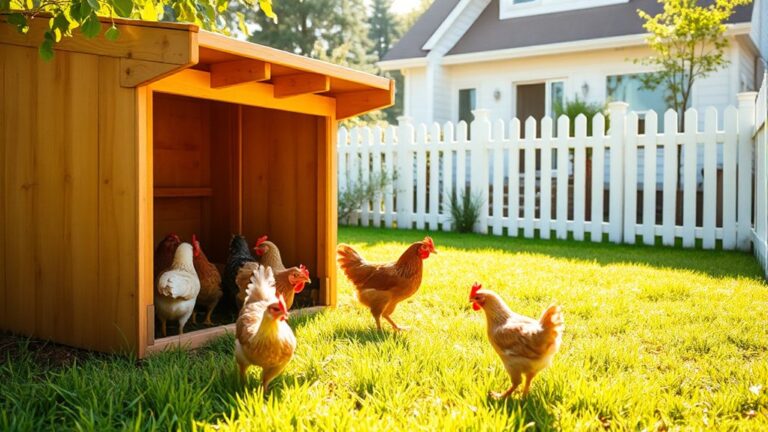
Build your coop around the size of your flock: give each standard hen 3 to 4 square feet inside and 8 to 10 square feet in the run, with extra room for larger breeds. Chicken Coop Ideas.
Place it on high, dry ground with morning sun, afternoon shade, and good drainage. Add strong ventilation, secure latches, enough nest boxes and roosts, and easy-clean features like wide doors and removable trays.
A smart layout saves time and keeps hens healthier, and there’s more to refine.
Key Takeaways
- Plan coop size for your flock, giving each standard hen 3 to 4 sq ft inside and 8 to 10 sq ft in the run. This helps keep your chickens comfortable and healthy.
- Choose a layout that fits your yard and makes feeding, cleaning, and egg collection easy. A well-thought-out design saves you time and effort.
- Place the coop where it gets morning sun, afternoon shade, and good drainage. This helps prevent heat and moisture problems that could harm your flock.
- Build in strong ventilation above roosts and use predator-proof wire, latches, and sturdy hardware. Keeping your chickens safe is key.
- Add maintenance-friendly features like removable trays, hinged nest boxes, and wide doors. These small touches make daily care much easier.
What Size Chicken Coop Do You Need?
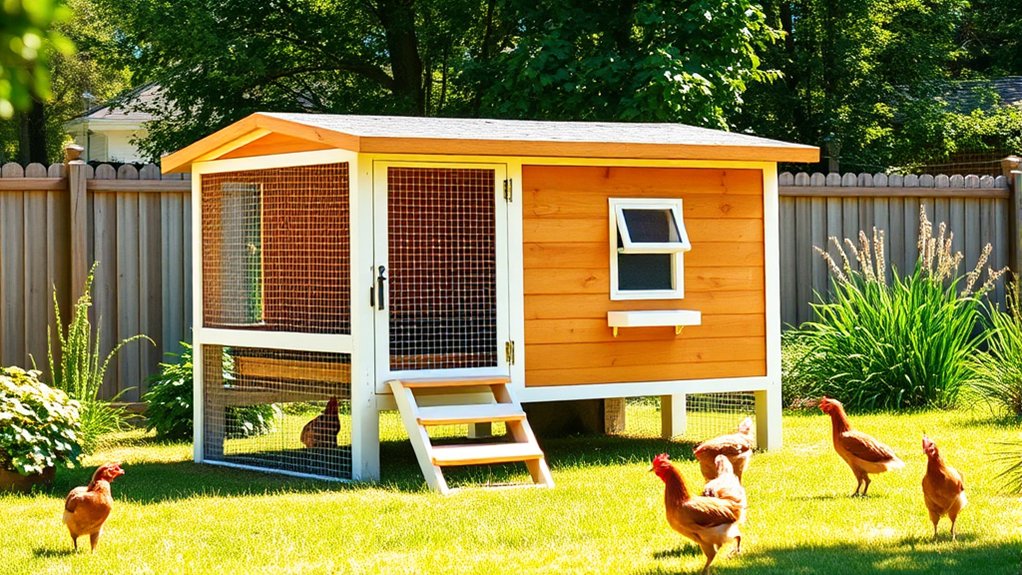
How big should your chicken coop be? Start by counting your birds and matching coop dimensions to their needs. If you keep standard hens, give each bird about 3 to 4 square feet inside and at least 8 to 10 square feet in an outdoor run.
Count your hens first, then size the coop to give each bird enough room inside and out.
Bigger birds need more room, so adjust for chicken breed before you build. Bantams can fit in tighter spaces, while heavy breeds like Orpingtons or Brahmas need extra floor area and stronger roosts.
You should also plan for future growth, because adding a few hens later is easier than rebuilding. If you want easier cleaning and healthier birds, don’t undersize the coop.
Crowding leads to stress, pecking, and poor egg production. Measure your available space carefully, then choose the largest coop you can manage safely, comfortably, and within your budget.
Pick a Coop Layout That Fits Your Flock
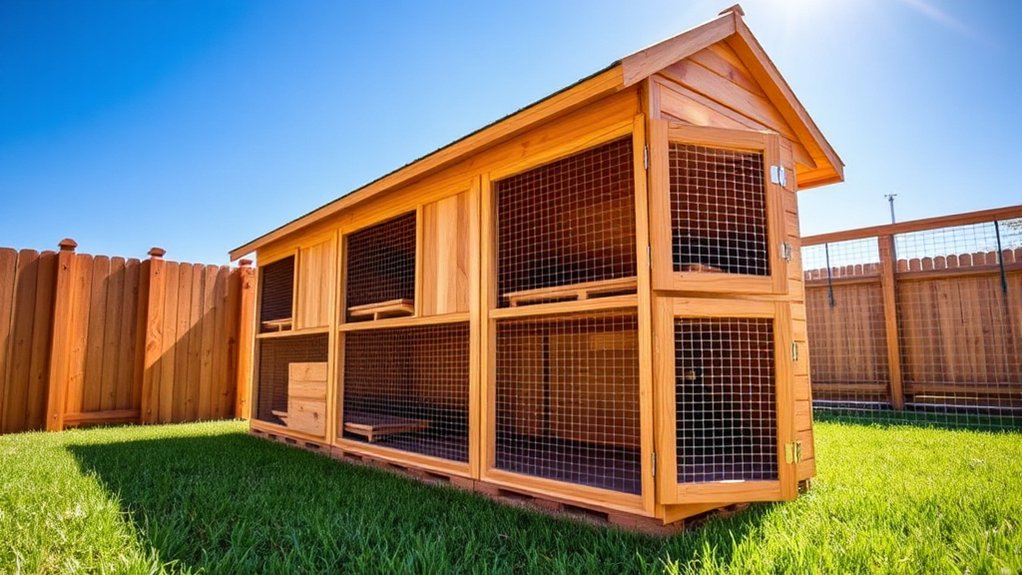
Once you know how much space your birds need, the next step is choosing a coop layout that works for your flock and your routine. You can choose from simple box designs, walk-in plans, or raised setups, and each one has tradeoffs.
Match coop shapes to how you feed, clean, and collect eggs. A long, narrow coop may fit a small yard, while a wider layout gives you easier access inside.
Pay attention to flock dynamics, too. If you keep mixed ages or assertive breeds, add enough roosts, nest boxes, and open floor space to reduce crowding. Keep pathways clear so timid hens can move without stress.
If you want easier maintenance, plan wide doors and removable trays. The best layout supports healthy behavior, smooth chores, and steady egg production without wasting space or forcing you to work around a cramped design.
Choose the Best Coop Location
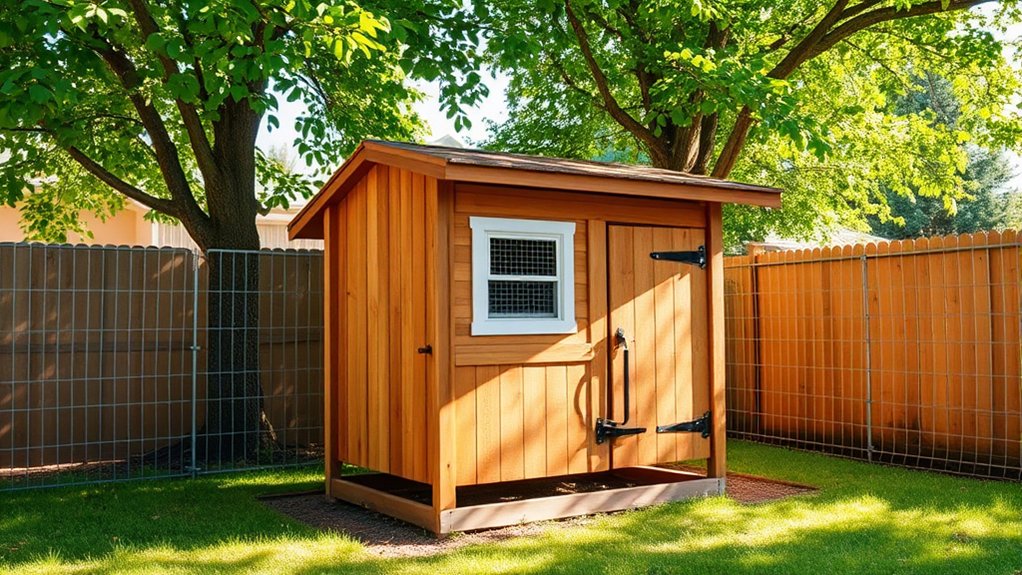
When picking a spot for your coop, look for a place that gives your flock some morning sunlight and afternoon shade. This way, they’ll stay comfortable throughout the day.
Also, it’s important to make sure the ground drains well after it rains. You don’t want your coop sitting in puddles—it needs to stay dry and healthy.
And don’t forget about convenience. You’ll want a spot that’s easy to get to for feeding, cleaning, and collecting eggs. It just makes daily chores a lot simpler!
Sunlight And Shade
When you pick a spot for your chicken coop, sunlight and shade should work together to keep your flock comfortable year-round. Aim for balanced solar exposure so the coop gets gentle morning light and less harsh afternoon heat.
In hot climates, place the coop where trees, fences, or shade structures soften the sun during peak hours. In cooler regions, give chickens enough light to warm the coop and encourage activity.
Watch the yard at different times of day, because shadows shift and can change how the space feels. You want your birds to stay bright, calm, and productive without overheating or feeling cramped.
If you plan the light carefully, you’ll make the coop more comfortable and support healthier chickens.
Drainage And Access
Good drainage is essential because a coop placed in low ground can turn muddy, damp, and unhealthy after every rain. Choose higher ground and check how water moves across your yard before you build. You can add drainage solutions like gravel, French drains, or a shallow swale to keep water away from the run.
Make sure you can reach the coop easily with feed, tools, and wheelbarrows, especially during wet weather. Place access points where you can open doors, collect eggs, and clean bedding without squeezing through tight spaces.
| Site Feature | Why It Matters | Your Move |
|---|---|---|
| High ground | Stays drier | Pick it |
| Run access | Easier cleanup | Widen it |
| Door placement | Faster chores | Face it wisely |
Add Year-Round Ventilation
Even in winter, your coop needs steady airflow to keep moisture, ammonia, and stale air from building up. You should combine several ventilation types, such as ridge vents, soffit openings, and high wall slots, so fresh air enters without blasting birds directly.
Place openings above roost height to reduce drafts while still supporting airflow management through every season. In summer, you can widen these paths to release heat and humidity; in cold weather, you can keep them partially open and shielded with hardware cloth.
Avoid sealing the coop tight, because trapped damp air encourages respiratory problems and wet litter. Check vents often for snow, debris, or spider webs, and adjust covers when storms roll in.
Good ventilation works with insulation and bedding to keep the interior dry, comfortable, and healthier for your flock year-round.
Plan Nesting Boxes and Roosts
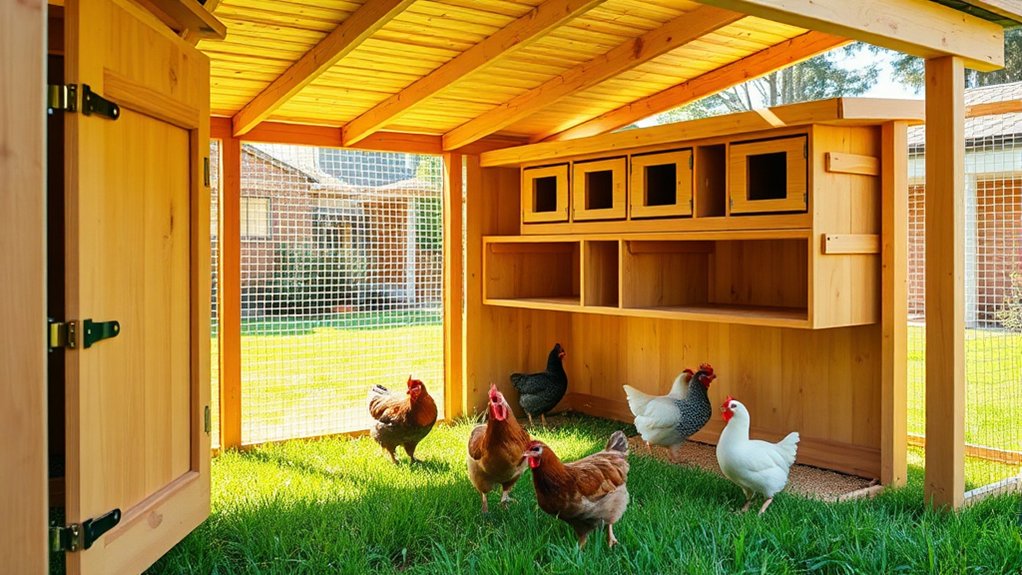
Plan for enough nesting boxes and roost space so your hens can settle in without crowding or competition. Give one box for every three to four hens, and place them in a quiet, dim corner so birds feel secure.
Line each box with clean nesting materials like straw, pine shavings, or shredded paper, and refresh them often. Set roosts higher than the boxes, but not so high that heavy breeds struggle to reach them.
| Feature | Guideline |
|---|---|
| Nesting boxes | 12×12 inches each |
| Box count | 1 per 3-4 hens |
| Roost height | 18-36 inches |
| Roost spacing | 8-10 inches per bird |
Use smooth, rounded roost bars to protect feet, and leave enough landing space below. When you match roost height and nesting layout to your flock, you’ll reduce squabbles and make cleanup easier for yourself.
Choose Predator-Proof Materials
You’ll want to use strong wire mesh around every opening so raccoons, foxes, and hawks can’t get in. Make sure to pick reinforced coop hardware like sturdy latches, hinges, and screws to keep doors and panels secure. When you build with tough materials, you’re giving your flock a much safer home.
Strong Wire Mesh
Strong wire mesh is one of the best ways to keep predators out of your chicken coop, because flimsy hardware cloth and chicken wire can fail fast against raccoons, dogs, and other determined threats. Choose sturdy wire mesh types, then match your installation techniques to the threat level around your coop. You’ll feel more secure when every opening stays tight and every edge resists prying claws.
- Use welded mesh with small openings.
- Fasten it so predators can’t peel it back.
- Overlap seams to block weak spots.
When you protect your flock this way, you’re not just building a coop; you’re guarding quiet mornings, healthy hens, and the comfort of knowing they’re safe tonight.
Reinforced Coop Hardware
Once the mesh is in place, upgrade the rest of the coop with reinforced hardware that predators can’t easily bend, pry, or rip loose. You’ll want galvanized screws, heavy latches, and durable hinges that keep doors aligned through weather and use.
Choose secure locks that you can fasten with one hand, but raccoons can’t manipulate.
| Hardware | Why it matters | Best choice |
|---|---|---|
| Hinges | Prevent sagging | Steel, rust-resistant |
| Locks | Block tampering | Spring or carabiner |
| Fasteners | Hold framing tight | Galvanized screws |
Check every joint for wobble and replace weak parts before they fail. When you invest in tough hardware, you add another layer of defense and give your flock a coop that stays shut when danger tests it.
Make Cleaning the Coop Easier
To make coop cleaning quicker and less of a chore, build in features that reduce buildup and simplify access. Place droppings boards under roosts, choose smooth flooring, and add wide doors so you can sweep, scrape, and rinse without fighting tight corners. A smart coop layout lets you reach every spot with your cleaning tools, so you spend less time wrestling mess and more time caring for your birds.
- Use removable trays to catch waste and save your back.
- Install hinged nesting-box lids so you can grab eggs and freshen bedding fast.
- Keep feed and water stations easy to lift, clean, and reset.
When you can open, empty, and reset the coop in minutes, you feel relief instead of dread. That calm routine helps you stay consistent, protects flock health, and keeps the whole space smelling better.
Add Space for a Run or Free-Range Area
Giving your flock room to move is one of the best ways to improve their health and happiness. A well-planned run lets you give them daily exercise, dust-bathing spots, and a safe place to peck and scratch.
Good run design starts with enough square footage for your bird count, sturdy fencing, and a roof or cover that keeps predators out. Add shade, perches, and a dry patch so they can stay active without crowding.
Good run design starts with enough space, secure fencing, and a covered top to keep predators out.
If you can offer supervised free range time, you’ll see the free range benefits right away: better foraging, calmer behavior, and more natural routines. You don’t need a huge yard to make it work; even a modest enclosure can feel spacious when you use height, texture, and enrichment wisely.
Keep the route from coop to run simple, so you can let them out and secure them quickly each day.
Protect Your Coop From Heat and Cold
A roomy coop and run help your birds stay active, but comfort depends on temperature control too. Set coop orientation to catch winter sun and dodge harsh summer glare. Choose roofing materials that reflect heat, and add insulation options that seal gaps without trapping moisture.
Use ventilation methods high under the eaves for fresh air, plus humidity management to keep bedding dry and lungs clear.
- In summer, add shade cloth, frozen water bottles, and other cooling techniques so hens don’t panic in the heat.
- In winter, provide safe heat sources only if you truly need them, and pair them with draft-free cold shelters.
- Before storms hit, review winter preparation so you can protect feed, water, and roosts fast.
When you plan for both scorch and frost, you give your flock a calmer, healthier home all year.
Match the Coop to Your Flock’s Needs
The best coop setup depends on who’s living in it, so size, layout, and features should fit your flock’s age, breed, and number. Watch flock behavior to see whether your birds roost tightly, scratch constantly, or need calmer corners.
Then match space requirements to avoid crowding, stress, and feather pecking. Large breeds need wider perches and lower ramps, while bantams may benefit from smaller openings and closer nest boxes.
Consider breed characteristics too, since some hens handle heat, noise, and confinement better than others. If you keep mixed ages or personalities, plan for social dynamics with extra feeders, hiding spots, and room to escape bullies.
You should also think about food preferences, coop aesthetics, maintenance needs, and health considerations so your design supports easy cleaning, balanced feeding, and early disease spotting. When the coop fits your flock, your birds stay safer, calmer, and more productive year-round.
Frequently Asked Questions
How Often Should I Change the Coop Bedding?
You should change your coop bedding at least once a week, but you may need to do it more often if it’s damp, dirty, or smells bad. Your bedding types and flock size affect your cleaning frequency.
Straw, pine shavings, and hemp each hold moisture differently, so you’ll want to check daily and spot-clean as needed. If you keep it dry and fresh, you’ll help your chickens stay healthy and comfortable.
What Kind of Chicken Coop Flooring Is Easiest to Maintain?
Concrete flooring is easiest to maintain; it’s the rock-solid foundation that keeps your coop chores from snowballing. You can hose it off, scrape it clean, and spot issues fast. Add straw bedding or sand bedding on top for comfort and easier waste control.
Wooden flooring can work, but it needs more upkeep. Vinyl flooring wipes clean, while wire mesh helps drainage but isn’t ideal for every flock.
Can I Build a Chicken Coop on a Slope?
Yes, you can build a chicken coop on a slope if you plan carefully. You’ll need slope considerations like leveling the base, anchoring the frame, and keeping doors square.
Good drainage solutions matter too, so water won’t pool under the coop or run inside. You can use piers, a raised foundation, or terracing to create a stable, dry site that keeps your flock comfortable and safe year-round.
How Do I Light the Coop Without Disturbing Egg Production?
You can light the coop with soft, indirect natural lighting during the day and only use artificial lighting when you need extra visibility. Keep lights on a timer, and add them gradually in the morning rather than at night so you don’t disrupt your hens’ sleep.
Avoid bright bulbs and sudden changes, since those can stress birds and reduce laying. Use warm-colored LEDs, and you’ll keep the coop calm and productive.
What Coop Features Help Reduce Odors?
Odors fade fast when you build smart. You’ll want strong ventilation systems to move stale air out and fresh air in, plus easy-clean coop design with smooth surfaces and removable trays.
Add odor absorbers like pine shavings, sand, or zeolite to trap smells. Good waste management matters too: clean droppings often, keep bedding dry, and place feeders and waterers to reduce spills. These features help your coop smell much better.
Conclusion
Building the right chicken coop starts with your flock’s needs, and every detail counts. If you plan for enough space, smart ventilation, and easy cleaning, you’ll give your birds a healthier home and make your life simpler too.
Did you know a well-designed coop can help reduce stress and improve egg laying? Keep your chickens comfortable through every season, and you’ll enjoy a coop that works as hard as your flock does.
Remember, a great chicken coop is the foundation for happy, healthy birds. Focus on the essentials, and your chicken coop ideas will turn into a thriving home for your flock.