How Much Space Do Chickens Need?
If you’ve ever wondered just how much space chickens really need, you’re not alone. Many people struggle with creating the perfect environment for their flock—too little room can lead to stress and health issues, while too much might feel overwhelming to manage.
Finding that balance is key to keeping your chickens happy and thriving. How Much Space Do Chickens Need.
You should plan about 4 square feet per standard chicken inside the coop and at least 10 square feet per bird in the run. Heavier or more active breeds may need a bit more room, while free-range birds need a safe area to roam, forage, and dust bathe.
Crowding can cause pecking, stress, and poor access to food and water, so giving your flock extra space usually keeps them calmer and healthier, with a few helpful details ahead.
Key Takeaways
- Aim for about 4 square feet of coop space per standard hen. Larger breeds will need a bit more room.
- Provide at least 10 square feet per bird in the run to help reduce stress and fighting.
- Free-range flocks need a safe, usable area rather than a fixed square-foot rule.
- Crowding can cause feather pecking, squabbling, pacing, and poor access to food and water.
- Good ventilation, a tidy layout, and enough space help chickens stay calmer and healthier.
How Much Space Do Chickens Need?

How much space do chickens need? You should plan enough room for healthy chicken behavior and everyday comfort. When you crowd birds, they peck more, move less, and stress rises fast.
Plan enough room for healthy behavior and comfort, because crowded chickens peck more, move less, and stress rises fast.
Your space requirements depend on flock size, breed, and how much time they spend outside. Active breeds need more room than calm ones, and larger birds need extra elbow room.
If you keep chickens indoors for long periods, give them ample floor area so they can walk, dust bathe, and stretch without bumping into each other. In a roomy setup, you’ll see fewer squabbles and better feather condition.
You should also think about access to feeders, waterers, and roosts, because tight layouts can create competition. Aim for a setup that lets each bird act naturally, stay calm, and avoid constant contact with flockmates.
What Is the Ideal Coop Space for Chickens?

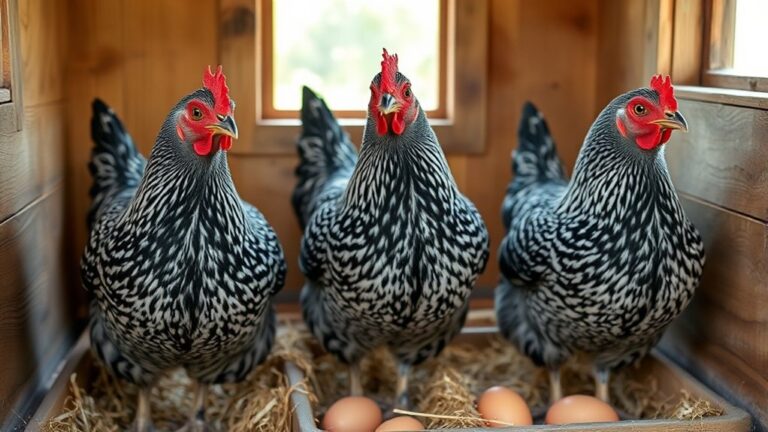
A good coop gives each chicken enough room to move comfortably, rest without crowding, and reach food and water without constant competition. You should aim for about 4 square feet per standard hen inside the coop, and a bit more for heavier breeds. That space helps you reduce stress, pecking, and dirty bedding.
Good coop ventilation also matters because fresh air keeps moisture down and supports healthier birds. Place nesting boxes so hens can lay in peace without blocking traffic or causing squabbles.
You’ll notice calmer birds at dusk. You’ll clean less often. You’ll hear fewer squabbles. You’ll see healthier feathers. You’ll feel more confident caring for them.
If you keep your flock crowded, they’ll struggle to settle, and that pressure can quickly affect comfort and laying. Give them room and they’ll repay you with steadier behavior and easier daily care.
How Much Run Space Do Chickens Need?

In relation to the run, chickens need far more room than they do inside the coop because this is where they spend the day scratching, pecking, and stretching out. Aim for at least 10 square feet per bird, and more if you can. Good run space supports natural chicken behavior, reduces squabbles, and keeps feet, feathers, and minds healthier.
| Birds | Minimum Run | What You’ll See |
|---|---|---|
| 2 | 20 sq ft | Calm, active hens |
| 4 | 40 sq ft | Less crowding |
| 6 | 60 sq ft | Better pecking order |
| 8 | 80 sq ft | Fewer flare-ups |
| 10 | 100 sq ft | Happier flock |
If your run feels tight, your birds may pace, pick fights, or camp in one corner. Add room, give them cover, and watch stress drop. You’ll notice better movement, cleaner ground, and a flock that seems enthusiastic to investigate.
How Much Free-Range Space Do Chickens Need?
When chickens free-range, they don’t need a fixed square-foot formula as much as they need enough safe territory to roam, forage, and stay out of each other’s way. You’ll often see better behavior when birds can spread out, scratch soil, hunt insects, and choose shade or sun.
That space brings free range benefits like calmer flocks, stronger legs, and richer diets from natural treats. It also gives you valuable outdoor enrichment, which helps prevent boredom and pecking. Aim for a secure area with cover, fresh ground, and room to move without crowding.
If your yard feels cramped, rotate access so the flock can investigate new patches and keep the ground healthy.
Watch them dust-bathe with joy
Let timid birds breathe easier
Give curious hens something to find
Reduce stress from constant jostling
Enjoy a livelier, happier flock
How Space Needs Vary by Chicken Breed
Not every chicken needs the same amount of room, because breed size, temperament, and energy level all play a part. Bantam breeds usually have lower space requirements than large fowl, so you can keep more of them in a given area without crowding.
Still, breed differences go beyond body size. Some birds stay calm and perch quietly, while others spend more time scratching, dust bathing, and ranging, which raises their need for elbowroom.
You should also consider social behaviors, since assertive breeds may push timid flockmates away from feeders or roosts. Good coop design helps you match the flock to the space you have, improving space efficiency without sacrificing comfort.
When you choose breeds with similar activity levels, you make it easier to manage traffic, reduce stress, and keep your birds healthier overall.
How to Calculate Chickens per Square Foot
A simple way to figure out chickens per square foot is to divide the total usable coop space by the number of birds you want to keep. Measure the floor area, subtract roosts, nest boxes, and any blocked corners, then run the math.
That gives you your chicken density, so you can judge whether your flock feels roomy or crowded. Good space optimization starts with honest measurements, not guesswork. If your result seems tight, reduce the flock size or expand the coop before problems start.
You’ll feel calmer when your birds move freely. You’ll avoid the stress of overcrowding. You’ll protect pecking order peace. You’ll make daily cleaning easier. You’ll give each hen a fair chance to thrive.
How Much Coop Space Do Chickens Need at Night?
Nighttime space needs are a little different from daytime room to roam, since chickens mostly settle on roosts after dark. You still need enough coop space for each bird to perch comfortably, turn around, and avoid crowding.
A practical rule is to provide about 2 to 4 square feet per standard chicken inside the coop, though larger breeds may want a bit more. Watch your flock’s nighttime behavior: if birds stack on top of each other, peck at rivals, or avoid the roosts, the coop’s too tight.
Good coop ventilation matters just as much, because sleeping birds release moisture and heat. Without fresh air, damp litter and poor airflow can quickly build stress.
Good coop ventilation matters just as much, since sleeping birds release moisture and heat.
Give your chickens room to roost, enough headspace above the perches, and clear access to feeders or water only if you keep them inside overnight. A well-sized coop helps your flock rest safely and wake up ready to lay.
How Space Needs Change in Winter
When winter sets in, your chickens may need a little more room inside the coop and run because they spend less time foraging and more time crowding together for warmth. In cold weather, you’ll want to keep their winter shelter dry, draft-free, and roomy enough to let them move without piling up. Extra space helps reduce stress while they scratch, dust, and roost through shorter days.
You can feel better knowing they stay calmer. Your flock can rest without constant jostling. You’ll give them space to spread out on milder days. A larger run helps keep boredom from settling in. Your birds can huddle when they choose, not because they must.
Add bedding, ventilation, and easy access to feed and water so the coop stays comfortable. If snow or ice traps them indoors, plan for a little extra square footage before the first freeze arrives.
Signs Your Chickens Need More Room
If your chickens start feather pecking, acting restless, or crowding each other, it’s a good sign they might need more room. You might also notice stress showing up as squabbling, poor access to feed, or hens avoiding certain parts of the coop. When they can’t move around freely, their comfort and health can quickly take a hit. So, giving them extra space can make a big difference.
Feather Pecking Behavior
Feather pecking is often one of the clearest signs your chickens are crowded or stressed. Birds with too little space may start pecking at one another’s feathers to establish order or relieve tension. When you notice this, look closely for feather pecking and ask what behavioral triggers might be pushing the flock too close together.
- You may see bare patches
- You may hear sharp squabbles
- You may watch hens avoid certain birds
- You may feel worried about their comfort
- You may realize they need more room
Give them extra space, more feeders, and places to escape each other. When you reduce pressure, you help your flock settle down, stay calmer, and keep their feathers intact.
Overcrowding Stress Signs
Overcrowding stress shows up fast in chickens, and you’ll usually see it before you hear it. You may notice constant squabbling, anxious pacing, or birds crowding feed and water at once.
When space gets tight, your flock’s social hierarchy can turn tense, and stronger birds may bully quieter ones more often. You might also see behavioral issues like feather pecking, excessive vocalizing, or repeated nest-site争?
These signs are clear signals your chickens need more room to stay healthy and happy. Act quickly to prevent injury and reduce stress in your flock.
Reduced Movement Space
When your chickens don’t have enough room to move, their behavior changes fast. You’ll notice they pace the run, bump into each other, and avoid dust-bathing or stretching their wings. Poor space management can turn normal chicken behavior into restlessness, irritation, and pecking.
Watch for these warning signs:
- Hunched birds that hesitate to walk
- Feathers missing from constant jostling
- Hens crowding feeders and waterers
- Birds freezing instead of exploring
- Sharp pecks after every small movement
If you see these patterns, your flock needs more room now. Add space, rearrange perches, and open access to a larger area. Better movement lowers stress, protects feathers, and helps your chickens act calm, curious, and healthy again.
How to Make a Small Coop Feel Bigger
Even a small coop can feel more open if you focus on light, airflow, and smart layout. Use pale, washable surfaces to reflect daylight, and add windows or vents high on the walls so air moves without creating drafts.
Choose a coop design that keeps feed, water, and roosts organized instead of clustered in one spot. When you use vertical space, you free the floor and give your flock more room to move. Hang feeders and waterers slightly off the ground, and install roosts above litter level to create layers without crowding.
Keep nesting boxes compact but accessible, and avoid piling in unnecessary gear. You can also use sliding doors, foldable ramps, and wall-mounted storage to reduce clutter.
Clean bedding often, because a tidy coop always feels larger, smells better, and helps your chickens stay calm, healthy, and active.
Frequently Asked Questions
How Tall Should a Chicken Coop Be?
You should make your chicken coop at least 6 feet tall so you can move around easily and your birds can stay comfortable. A taller coop improves ventilation, helps control heat and moisture, and gives you better access for cleaning and maintenance.
If you add roosts or storage, extra height helps. Just make sure the indoor space stays well-ventilated, dry, and easy for you to manage year-round.
Do Chicks Need Different Space Than Adult Chickens?
Yes, chicks need less floor space than adult chickens at first, but they still need room to move, eat, and rest, don’t they? In chick care, you should match space requirements to growth stages so they stay healthy.
Give them a brooder with enough warmth and room for social dynamics, then expand their area as they grow. Crowding can stress chicks and slow development, so plan ahead.
How Much Perch Space Do Chickens Need?
You should give each chicken about 8 to 10 inches of perch space, so they can roost comfortably without crowding. You’ll want sturdy perches at a safe perch height, usually 18 to 24 inches off the coop floor. Heavier breeds may prefer lower spots.
Choose a smooth perch material like wood to reduce foot injuries and improve grip. Provide more space if you keep larger hens or extra roosters.
Can Chickens Share Space With Ducks?
Yes, you can let chickens share space with ducks, but you’ll need to manage it carefully. As they say, “A stitch in time saves nine.” Good space sharing can bring cohabitation benefits like shared shelter and easier care.
You should keep bedding dry, provide separate feeders, and watch for bullying or mess. Ducks splash more, so you’ll want extra ventilation and frequent cleaning to keep both flocks healthy and comfortable.
How Much Nesting Box Space Is Needed?
You’ll want one nesting box for every 3 to 4 hens, with each box about 12 by 12 inches. Use soft bedding and choose durable nesting box materials like wood or plastic.
For nesting box placement, set them in a quiet, dim corner of the coop, a little higher than the floor but lower than roosts. That keeps eggs clean and helps hens feel safe, so they’ll lay more consistently.
Conclusion
In the end, giving your chickens enough space keeps them healthier, calmer, and far less likely to peck at one another like they’re stuck in some medieval squabble. Whether you’re planning a coop, run, or free-range setup, match the space to your flock’s size, breed, and season.
If you notice stress, crowding, or mess, it’s time to expand. A little more room now will save you plenty of trouble later. Remember, knowing how much space chickens need is key to keeping your flock happy and thriving.