How Many Chickens Should I Get?
Deciding how many chickens to get can feel overwhelming, especially if you’re new to backyard poultry. You’re not alone—many people struggle with figuring out the right flock size that fits their lifestyle and space.
It’s a balance between your egg needs, available room, budget, and the time you can dedicate to daily care. How Many Chickens Should I Get.
How many chickens you should get depends on your egg needs, coop space, budget, and daily care time. If you want fresh eggs, count how many you use each week and add a few hens for seasonal slowdowns.
Make sure your coop, run, feed, and water setup can handle the flock comfortably.
For most beginners, three to six hens is a smart start, and the best fit often depends on a few more details.
Key Takeaways
- Decide whether you want eggs, pets, pest control, or a mix, since purpose determines flock size.
- Estimate weekly egg needs and add extra hens for seasonal drops, molting, or occasional non-layers.
- Check coop, run, and yard space first, because chickens need enough room, ventilation, and nesting space.
- Budget for feed, water, bedding, and cleanup, since larger flocks cost more and need more maintenance.
- Start with three to six hens, choose hardy breeds, and expand only after you can manage the flock comfortably.
Set Your Flock Size Goals

Before you bring home any birds, decide what you want your flock to do for you. If you want steady egg production, you’ll need a different number than if you mainly want pets or pest control. Think about flock dynamics: small groups can be easier to manage, but larger groups may balance social interactions better.
Check space considerations in your coop and run, and match the size to your environmental factors, including climate and shade. Use breed compatibility to avoid bullying, and plan for predator protection if your setup sits outside often.
Check your coop and run space, match the flock to your climate, and plan for safe, compatible birds.
Do a cost analysis for feed, bedding, and equipment so you don’t overextend yourself. Keep health management in mind, because more birds mean more monitoring. Seasonal adjustments also matter; cold weather, heat, and shorter days can change how many birds fit your goals and your routine.
Start with a realistic flock size, then adjust as you gain experience and confidence.
Match Chickens to Your Egg Needs
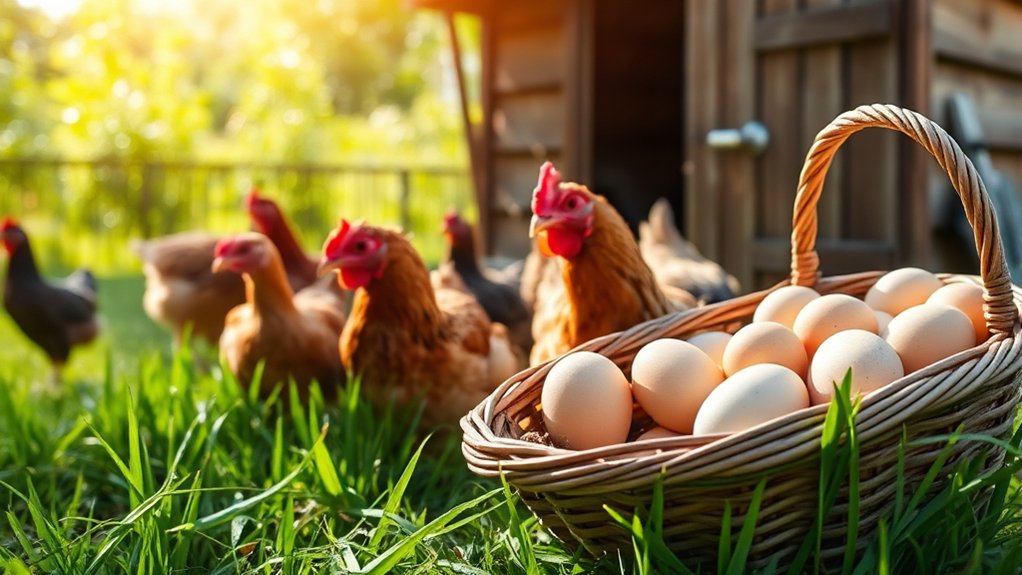
First, take a moment to figure out how many eggs your household goes through each week. This will help you decide how many chickens you actually need. Then, keep in mind that hens don’t lay as much during cold months or when they’re molting. It’s a good idea to add a few extra chickens to your flock, just in case you want some backup eggs for slow times, losses, or even to share with friends.
Estimate Egg Consumption
How many eggs does your household actually use each week? Track breakfasts, baking, and shared meals for a month, then average the total. That number helps you match chicken count to real demand and avoid overshooting.
Use this quick guide to compare egg production with your consumption patterns:
| Eggs/week | Hens needed | Notes |
|---|---|---|
| 6 | 2 | Light use |
| 12 | 3 | Small family |
| 18 | 4 | Frequent cooking |
| 24 | 5 | Heavier use |
| 30 | 6 | Extra sharing |
Plan Seasonal Lays
Not every hen lays at the same pace all year, so you need to plan for the seasons as much as the weekly total. In spring and summer, your flock’s egg production usually climbs, but shorter days and cold weather can slow it down.
If you want steady eggs, choose seasonal breeds that keep laying more reliably through light changes and cooler months. You can also stagger ages in your flock so all your hens don’t taper off at once.
When you match breed traits to your household’s eating habits, you’ll avoid both shortages and waste. Track when your best layers slow down, and adjust your flock mix before the next season starts. That way, you’ll keep your egg supply closer to what your family actually uses year-round.
Add Buffer Chickens
Add a small buffer to your flock so you’ve got enough eggs when production dips, hens molt, or a few birds miss a day. If you need a dozen eggs a week, you might keep two extra hens for cushion and consistency.
That extra margin gives you buffer benefits by smoothing out seasonal swings and unexpected losses.
| Need | Extra Hens |
|---|---|
| 6 eggs/week | 1 |
| 12 eggs/week | 2 |
A buffer also boosts flock resilience because you won’t rely on every bird laying daily. You can keep eggs flowing for family meals, baking, and sharing without scrambling when one hen slows down.
Match your flock size to real demand, then add a little extra so your coop works with you, not against you.
Check Coop Space Requirements

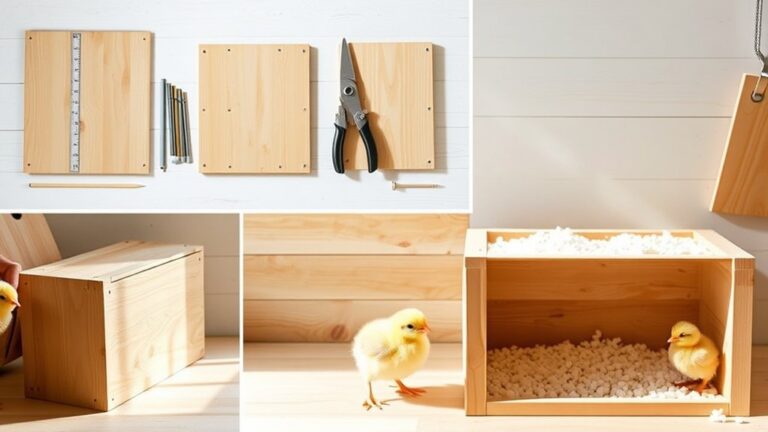
Before you decide how many chickens to bring home, make sure your coop can comfortably hold them. Measure the coop dimensions, then compare them to the number of birds you want to keep.
Give each standard chicken enough floor space to move, roost, and settle without crowding. If you plan to keep larger breeds, increase the space even more.
Check the run too, since birds need room to stretch, scratch, and avoid constant conflict. Good ventilation needs matter just as much as square footage, because stale air and damp litter can quickly cause problems.
Look for windows, vents, or openings that let fresh air circulate without creating drafts. Also think about nesting boxes and roost bars, since these take up usable space.
If your coop feels tight now, reduce your flock size or expand the setup before you buy chicks.
Estimate Feed, Water, and Cleanup Time
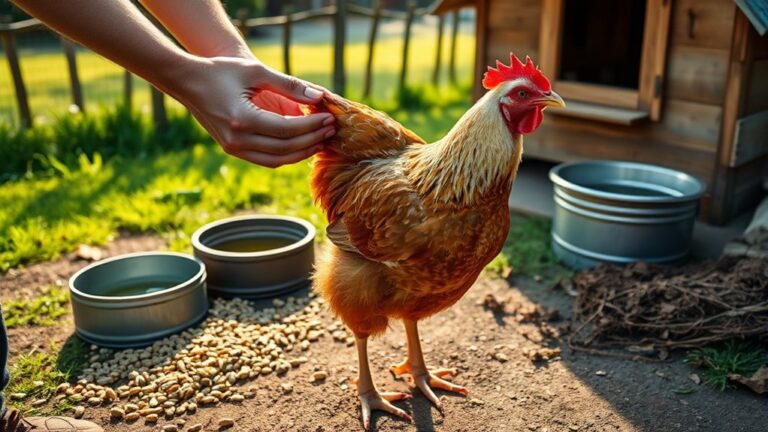
You’ll want to get a good idea of how much feed your chickens will eat each day. That way, you can plan your budget and storage without any surprises.
It’s also important to think about their water needs. Fresh water should always be available, so make sure you have a system in place to keep it topped up.
And don’t forget about cleanup time. The more chickens you have, the more often you’ll need to clean the coop to keep everything fresh and healthy.
Feed Consumption Needs
A small flock can eat more than you might expect, so plan feed, water, and cleanup time before you bring chickens home. You’ll choose feed types by age and purpose, match nutritional needs, and keep a steady feeding schedule. Compare organic feed with commercial feed, then do a quick cost analysis before you buy.
- Measure daily intake so you don’t run short.
- Use supplement options only when a ration lacks calcium, grit, or protein.
- Set up feeding equipment and airtight feed storage to cut spoilage and support waste management.
With a few hens, you may refill feeders and sweep spills daily; with more birds, chores scale fast. If you stay organized, feeding feels manageable, and your flock stays healthy.
Water Supply Estimate
Water needs add up quickly, especially in hot weather or when hens are laying, so plan for constant access to clean water as you estimate feed and cleanup time. You’ll need more than one source if your flock is large, because water consumption rises fast with flock size, temperature, and egg production.
A typical hen may drink about a cup a day, but your birds’ hydration needs can double in heat, during molt, or when they eat more dry feed. Keep containers filled, shaded, and easy to reach, and check them morning and evening.
If you use nipples or bowls, choose a setup that matches your flock size and your daily routine, so you can estimate the work without overcommitting yourself.
Cleanup Time Required
Cleanup time can become a daily chore once you add bedding changes, manure removal, and scrubbing feeders and waterers to your routine. You’ll spend extra minutes on coop maintenance, but consistent sanitation routines keep flock care manageable.
- Daily: Check waterers, spot-clean wet bedding, and do quick health inspections.
- Weekly: Handle waste management, feather cleanup, and feeder washing to limit odors and pests.
- Monthly: Deep-clean the coop, refresh nesting box hygiene, and reset bedding changes for better airflow.
If you keep fewer birds, you’ll cut cleanup time and simplify pest control. More chickens mean more mess, so estimate your schedule honestly before you buy. A tidy coop saves effort later and helps your chickens stay healthier, cleaner, and easier to manage.
Choose Chicken Breeds for Your Backyard
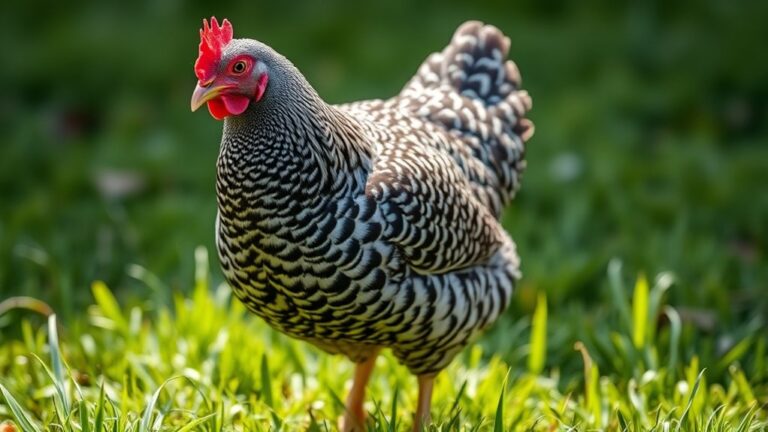
Choosing the right chicken breeds for your backyard matters just as much as deciding how many birds to keep. You’ll want to match heritage breeds or dual purpose chickens to your goals, whether you value steady eggs or meat and eggs.
Compare egg colors, temperament traits, and space requirements before you buy. Calm hens fit small yards better, and active birds need room. Look at foraging habits so you can choose birds that use your yard well.
Check climate adaptability if you face hot summers or cold winters. Strong disease resistance can save you trouble later. Your coop designs should also suit the breed’s size and roosting style.
You’ll need to meet each flock’s nutritional needs with balanced feed and supplements. When you pick breeds carefully, you set yourself up for a healthier, happier flock that fits your backyard and your routine.
Plan for Noise, Odor, and Neighbors
Before you bring chickens home, think about how their noise, smell, and daily routines will affect the people around you. Good noise management starts with calm breeds, a secure coop location, and routines that reduce early-morning racket. Check zoning regulations and community guidelines first so you don’t create problems later. For odor control, clean bedding often, keep feed sealed, and manage moisture so smells stay mild.
- Place the coop away from bedrooms, patios, and property lines.
- Use soundproofing solutions like dense walls, insulation, and tucked-away roosts.
- Practice respectful practices with neighbors by sharing your plans and addressing concerns quickly.
Strong neighbor relations depend on consistency. If you keep the run tidy, collect eggs daily, and respond to complaints politely, you’ll make chicken keeping easier for everyone nearby. When you plan ahead, your flock stays welcome, and your yard feels more harmonious overall too.
Decide Whether to Start Small
Starting with fewer birds lets you learn the daily routine without feeling overwhelmed. It’s a great way to get a feel for how much feed, space, and time your flock actually needs before you add more. Once you’re confident, you can expand with far less guesswork.
Start With Fewer Birds
A small flock can teach you a lot without overwhelming your time, space, or budget. Start with fewer birds so you can watch chicken behavior and learn how your birds interact under normal conditions. You’ll notice flock dynamics faster, and you can make adjustments before problems feel big.
- You’ll spend less on feed, bedding, and coop supplies.
- You’ll clean, water, and monitor health more easily each day.
- You’ll build confidence handling chickens without feeling rushed.
A smaller start also gives you room to adapt your routine as you go. If you keep things simple now, you can decide later whether adding more birds truly fits your space, schedule, and goals.
Learn Before Expanding
Once you’ve settled into caring for a smaller flock, you’ll have a better sense of what chicken keeping really requires. You’ll notice how much feed, bedding, and cleaning your birds need, and you’ll learn which tasks take the most time. That experience helps you decide whether you can handle more hens without feeling overwhelmed.
You’ll also see how breeds compatibility affects your setup because some chickens mix calmly while others compete for space and resources. Watching flock dynamics gives you clues about pecking order, stress, and behavior changes.
If your first group stays healthy, productive, and manageable, you can expand with confidence. If not, you’ll know to wait. Starting small lets you build skills first, so every new bird joins a stable, well-run flock.
How Many Chickens Should Beginners Get?
If you’re new to chicken keeping, start with a small flock of three to six hens. That number gives you enough birds to learn chicken care without feeling overwhelmed. You’ll watch flock dynamics more easily, notice problems fast, and build confidence as you go.
- Three hens work well if you want the simplest start and limited upkeep.
- Four to five hens offer a better balance of egg production, companionship, and learning.
- Six hens give you a sturdier flock, but they still stay manageable for most beginners.
Choose the smaller end if you have little space, short daily time, or nervousness about handling birds. Choose the larger end if you want more eggs and can handle slightly more cleaning, feeding, and observation. Either way, begin with birds you can fully care for every day.
Starting small helps you learn quickly, avoid stress, and enjoy the process more.
Check Local Chicken Rules and Permits
Before you buy chickens, check your local rules so you don’t run into fines or forced changes later. Your city, county, or HOA may limit flock size, coop placement, noise, setbacks, and whether roosters are allowed.
Read the chicken regulations carefully, because some places require permits, inspections, or proof of sanitation before you bring birds home. If you live in a neighborhood with local ordinances, ask whether there are special rules for urban lots, shared fences, or minimum yard sizes.
Contact animal control, zoning, or your extension office if anything’s unclear, and keep written confirmation of what you’re allowed to do. Even if nearby neighbors keep hens, don’t assume the same rules apply to you.
A quick call now can save you money, time, and stress later, and it helps you choose a flock size that fits your property legally.
Avoid Common Flock-Size Mistakes
A common mistake is buying too few chickens and assuming you can “add more later” without planning for it. You need to think about flock health, social dynamics, and whether your coop can handle growth before you start. Too many birds can strain predator protection, while too few can leave the flock stressed and underproducing.
- Plan for your real egg goals, not your wishful ones. If you want steady eggs, include losses, seasonal care, and downtime in your math.
- Use smart integration strategies. Quarantine new birds, watch behavior, and add space, feeders, and coop enrichment so pecking order changes don’t turn ugly.
- Learn breeding basics and lean on community resources. Local keepers can help you avoid expensive mistakes and match your setup to your climate, breed, and yard.
When you size your flock carefully, you’ll save money, reduce stress, and build a healthier flock that fits your life.
Frequently Asked Questions
How Long Do Backyard Chickens Usually Live?
Backyard chickens usually live 5 to 10 years, though some can reach 12 or more with great chicken lifespan and steady backyard care. You’ll usually see shorter lives in production breeds and longer ones in heritage birds.
You can help them live longer by feeding well, keeping their coop clean, protecting them from predators, and watching for illness. Good shelter, fresh water, and regular health checks really make a difference.
What Predators Should I Watch For?
You should watch for fox attacks, hawk threats, raccoon raids, snake encounters, dog dangers, and coyote concerns. What could be sneakier than a predator testing your coop at dusk?
You’ll need strong fencing, secure latches, and covered runs to keep chickens safe. Don’t leave feed out overnight, and bring birds in before dark.
If you live near woods or open fields, you’ll want to stay extra alert every day.
Do Chickens Need a Rooster to Lay Eggs?
No, you don’t need a rooster for egg production. Your hens will lay eggs without one, and those eggs won’t be fertilized.
A rooster can offer benefits like alerting the flock to danger and helping with flock dynamics, but he’s optional. You should also consider noise, since roosters crow often and loudly.
If you just want eggs, hens alone are enough for you.
Can Chickens Live With Other Pets?
Yes, chickens can live with other pets, but you’ve gotta manage it carefully. Picture a tiny diplomatic summit in your yard: feathers, paws, and tails everywhere. You should match chicken temperament with pet compatibility, because some dogs and cats ignore them while others won’t.
You’ll need enough space so everyone can move safely. Watch social behavior closely, supervise introductions, and give chickens secure areas to retreat when they feel stressed.
What Vaccinations Do Backyard Chickens Need?
Backyard chickens usually don’t need a routine vaccination schedule like dogs or cats, but you should protect them from common diseases through good management and, when needed, targeted vaccines.
You’ll want to talk with a poultry vet or local extension office about Marek’s disease, Newcastle disease, and infectious bronchitis in your area. Keep your flock clean, limit outside contact, and quarantine new birds so you reduce disease risk fast.
Conclusion
So, start small, stay smart, and set up your space before you shop. You’ll want a flock that fits your eggs, your yard, and your daily routine.
Check the coop, confirm the rules, and choose chickens that suit your skill level. A modest mix makes chicken keeping easier, cleaner, and calmer.
When you plan well, you’ll enjoy happy hens, fresh eggs, and a backyard routine that feels manageable, not messy. Knowing how many chickens you should get makes all the difference.