Orpingtons: Raising Them
Many people dream of raising Orpingtons but find it tricky to create the perfect environment for these gentle birds. You’re not alone if you’ve struggled with keeping them healthy and happy while getting good egg production.
Finding the right balance of housing, care, and feeding can feel overwhelming at first, but it doesn’t have to be.
To raise Orpingtons, give them roomy, dry housing, steady access to fresh water, and a balanced feed suited to their age. They’re calm, friendly birds that do well with gentle handling, regular health checks, and a clean coop with good ventilation.
Choose a variety you like, collect eggs often, and watch for broodiness or mites.
With consistent daily care, they’ll grow into reliable layers and easy backyard companions, and there’s plenty more to uncover ahead.
Key Takeaways
- Orpingtons are calm, friendly backyard chickens that adapt well to small flocks and confined spaces.
- Choose a variety like Black, Blue, Splash, or Lavender based on appearance and laying goals.
- Provide about 8 sq ft per two birds, plus dry bedding, good ventilation, roosts, and nesting boxes.
- Feed balanced starter, grower, or layer feed with fresh water, consistent schedules, and occasional protein-rich treats.
- Monitor health daily, collect eggs often, and manage broodiness by removing eggs and discouraging cozy nesting spots.
Why Orpingtons Make Great Backyard Chickens
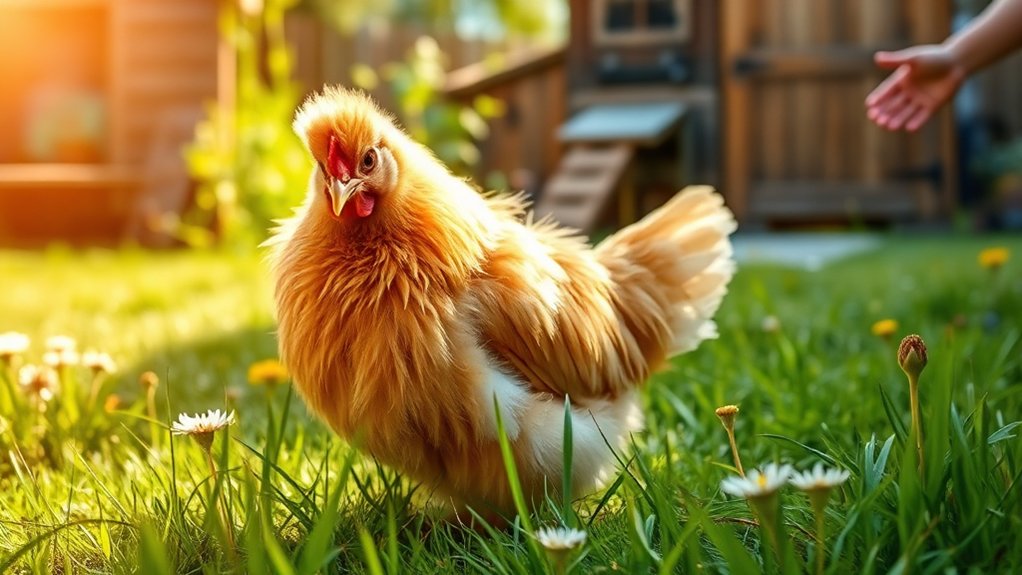
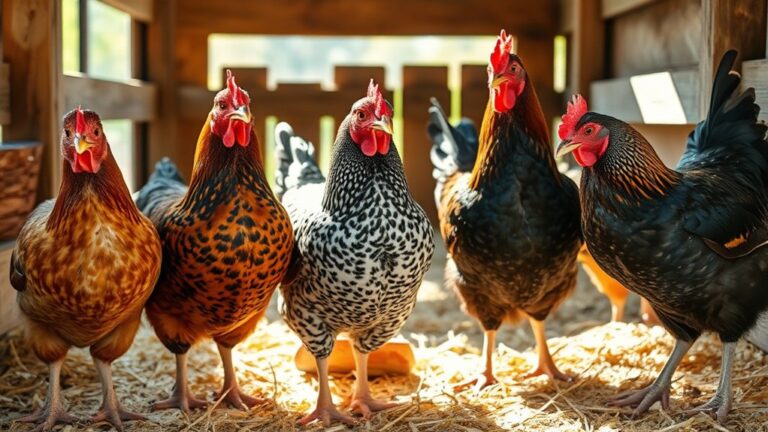
Orpingtons make excellent backyard chickens because they’re calm, friendly, and easy to manage. You’ll appreciate how their gentle temperament makes daily care feel relaxed, even if you’re new to poultry. They usually get along well with people and other birds, so their social behaviors rarely create drama in your flock.
If you let them roam, you’ll see steady foraging habits as they scratch for treats without becoming overly flighty or destructive. That makes them practical for small yards and mixed setups. You’ll also enjoy their reliable laying, with egg color typically ranging from light brown to tinted shades depending on the bird.
Because they adapt well to confinement, handling, and changing weather, you won’t have to work hard to keep them content. When you want chickens that combine beauty, calmness, and usefulness, Orpingtons give you a rewarding, low-stress backyard experience every day.
Choose the Best Orpington Variety
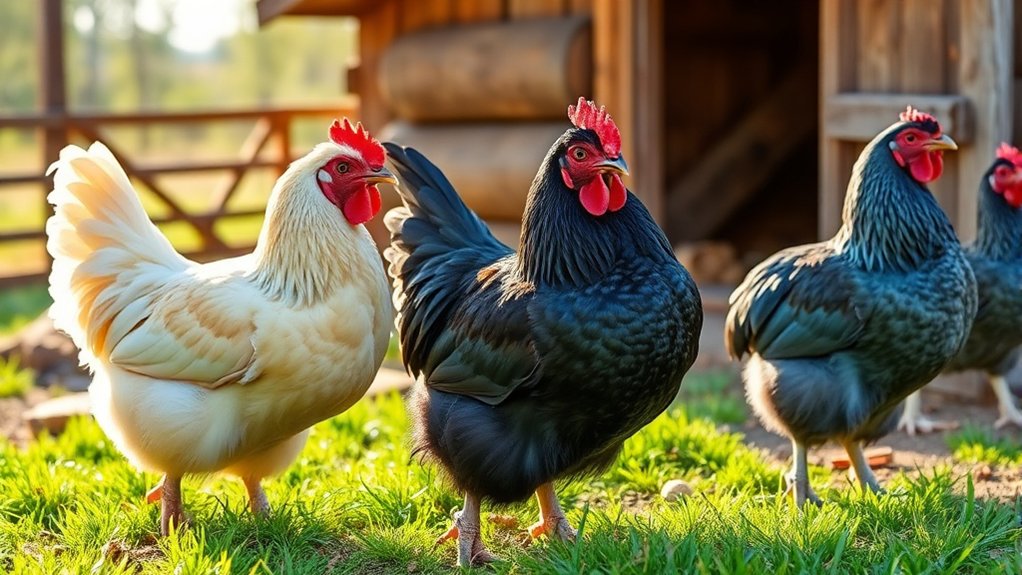
When you choose an Orpington variety, think about both appearance and purpose. If you want classic charm, Black Orpingtons offer rich color and steady laying. Blue Orpingtons add a soft, slate look, while Splash Orpingtons bring striking speckled feathers that stand out in any flock.
Lavender Orpingtons give you a pale, elegant tone that appeals if you like subtle color variations. For show goals, compare Exhibition Varieties for feather quality, body shape, and overall balance. If you’d rather prioritize productivity, Hybrid Orpingtons can give you useful performance traits, though they won’t always match purebred standards.
Also notice personality traits: Orpingtons usually stay calm, friendly, and easy to handle, but slight differences can appear among lines. Choose the variety that fits your goals, your taste, and the role you want each bird to play in your backyard flock.
Set Up a Comfortable Orpington Coop

You’ll want a coop that gives your Orpingtons plenty of room to move around, stretch their wings, and settle in comfortably. It’s important to use clean bedding and make sure there’s good ventilation so the space stays dry and fresh. Also, adding sturdy roosts and roomy nesting boxes will give them a cozy place to rest and lay their eggs. When you get these basics right, your flock will be healthier and a lot happier.
Coop Size Needs
Even gentle, heavy-bodied Orpingtons need plenty of space to stay healthy and calm. You should plan coop dimensions around their space requirements because cramped quarters can stress birds and slow daily routines. Aim for enough room to move, perch, and nest without bumping flockmates.
| Birds | Coop space |
|---|---|
| 2 | 8 sq ft |
| 4 | 16 sq ft |
| 6 | 24 sq ft |
| 8 | 32 sq ft |
| 10 | 40 sq ft |
If you keep them inside often, add more room than the minimum. Wider floor space helps you clean faster and lets your birds settle peacefully. Make sure your coop matches your flock size now, with a little extra room for future growth.
Bedding and Ventilation
Once you’ve sized the coop correctly, focus on the floor and airflow so your Orpingtons stay comfortable year-round. Choose absorbent bedding materials like pine shavings or chopped straw, and spread them deeply enough to cushion feet and trap droppings. Replace wet spots often and stir the litter to improve moisture control.
Good ventilation systems should move stale air out without creating drafts at bird level, so install vents high on the walls or near the roof. Pair that with proper coop insulation to reduce temperature swings in winter and summer. Keep openings screened to support air circulation while limiting pests.
During cleaning, wear a mask and avoid kicking up dust. Careful dust management helps your flock breathe easier and keeps the coop fresher.
Roosts and Nesting
For a comfortable Orpington coop, give your birds roosts that are wide enough for their big bodies and set them low enough to prevent awkward jumps. You’ll match their roosting preferences and keep feet, legs, and joints happier. Use smooth, rounded edges so they can grip easily without strain.
Provide sturdy nest boxes in quiet corners, because calm spaces support better nesting habits and cleaner eggs.
- Space roosts apart so birds don’t crowd.
- Place nest boxes below roost height.
- Add soft, dry bedding inside each box.
- Check daily for soiling or damage.
When you design the coop this way, your Orpingtons settle in faster, rest better, and lay where you can collect eggs with less hassle.
Feed Orpingtons for Healthy Growth
To keep your Orpingtons growing steadily, give them a balanced feed that matches their age and purpose. Use quality pellets or mash, and choose protein sources like soybean meal, fish meal, or legumes to support muscle and feather development.
Keep feeding schedules consistent so your birds learn when to eat and waste less. Fresh water should always sit nearby, and you can offer greens or grains as small supplements, not substitutes.
| Feed choice | Benefit |
|---|---|
| Starter ration | Supports rapid early growth |
| Grower feed | Builds frame and muscle |
| Layer feed | Adds calcium for hens |
| Protein-rich treats | Boosts condition |
| Clean water | Aids digestion and intake |
Watch body condition closely; if they look thin, increase nutrients slightly. If they gain too much weight, trim high-calorie extras. Balanced feeding helps your Orpingtons stay calm, sturdy, and productive without sacrificing health.
Raise Orpington Chicks Successfully
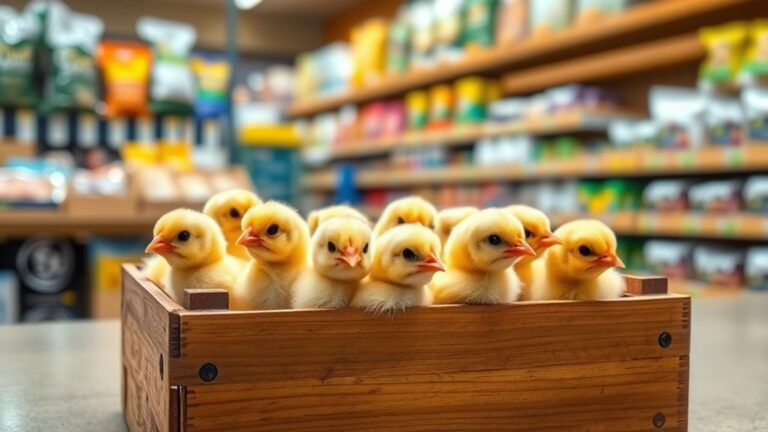
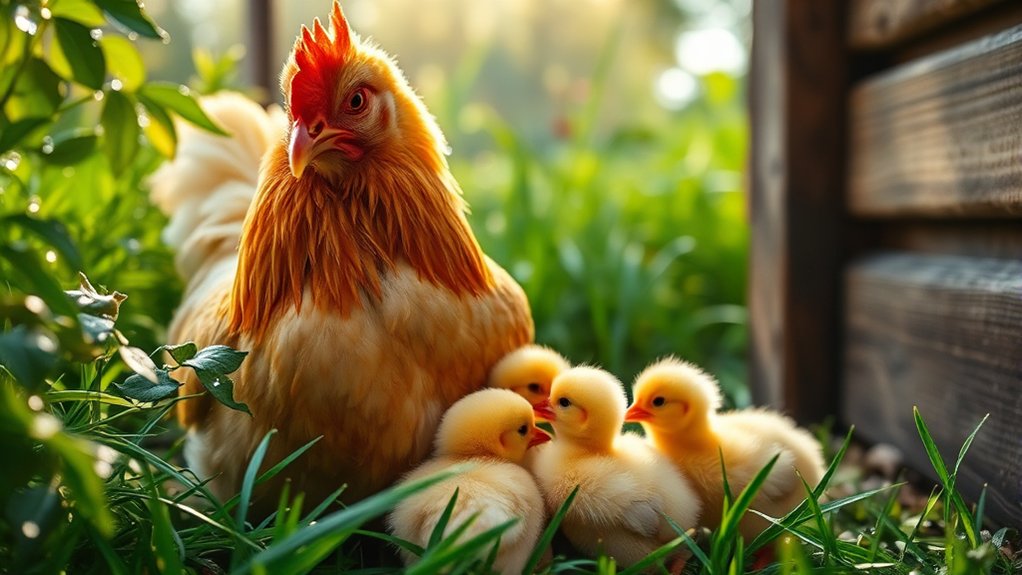
Even when Orpington chicks seem hardy, they still need careful brooding in their first weeks. Focus on chick care by getting your brooder setup right: dry bedding, secure walls, and enough space for movement. Use heat management with steady temperature control, then watch chick behavior. If they huddle, they’re cold; if they pant, they’re too warm.
Keep a clear feeding schedule so they learn routine, and always give easy water access with shallow dishes.
Observe socialization needs daily; handle them gently and often. Check growth milestones each week to confirm steady development. Adjust heat management as feathers emerge and days warm. Support disease prevention by keeping feed fresh and the brooder tidy.
You’ll raise calmer, stronger chicks when you respond quickly to their cues. Consistent chick care in the first month builds confident birds and sets up healthy adult Orpingtons.
Keep Orpingtons Clean and Healthy
Once your Orpingtons are settled and growing, keeping them clean becomes a big part of keeping them healthy. Set up steady cleaning routines so bedding stays dry, feeders stay tidy, and droppings don’t build up.
During daily health checks, look for bright eyes, steady movement, and clean vents. Good disease prevention starts with fresh water, good airflow, and quick cleanup after spills.
Use gentle grooming techniques to inspect combs, toes, and under feathers, especially in heavy birds that trap dirt. When needed, use safe bathing with lukewarm water and mild poultry shampoo, then dry them fully in a warm, draft-free place.
Support parasite control by checking for mites and lice around the vent and beneath wings. Give them access to dry dust bathing areas, since that helps them manage pests naturally.
Regular feather care keeps their plumage smooth, reduces mess, and helps you spot problems early.
Manage Egg Laying and Broodiness
You’ll notice Orpington hens lay in natural cycles, which means you can keep an eye on their production and tweak their care as their egg output goes up and down. To keep those eggs coming, make sure you collect them often and always provide steady feed, fresh water, and enough light.
Now, if one of your hens starts to get broody, don’t worry. You can discourage that behavior by removing the eggs quickly and cutting back on the cozy nesting spots that encourage brooding. This way, you help her snap out of it and get back to laying.
Egg Production Cycles
Orpington hens usually lay best when they get steady care, consistent daylight, and a calm, low-stress environment. You’ll see egg laying rise and dip with seasonal fluctuations, age factors, dietary influences, and environmental impacts. Aim for peak production by keeping water fresh, feed balanced, and light exposure steady each day.
Stress reduction helps too, because loud noise or sudden changes can slow their rhythm.
- Check nests daily for clean eggs.
- Keep a regular feeding schedule.
- Give birds enough room to roam.
- Track laying patterns through the seasons.
When you notice a slowdown, adjust your routine before you assume something’s wrong. Small, consistent choices help your flock maintain a reliable cycle and stay productive without unnecessary disruption.
Reducing Broodiness
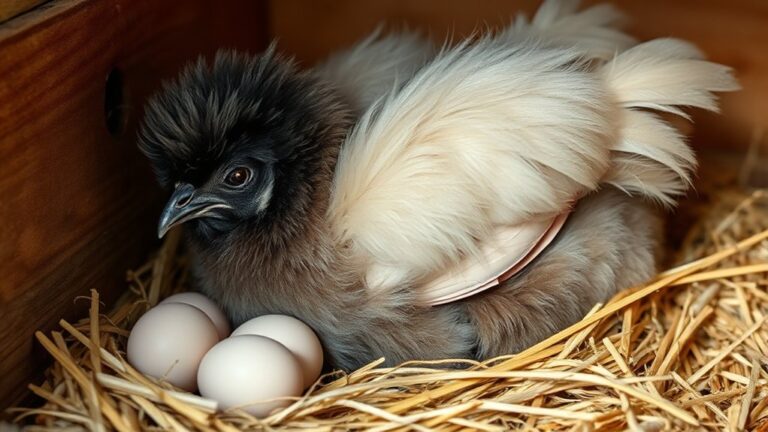
To reduce broodiness, watch for early signs like a hen staying on the nest, puffing up, or growling when you reach for eggs. You can interrupt broody behaviors by collecting eggs often, closing off favorite nest spots, and giving her more activity in the yard.
If her nesting preferences keep pulling her back, move her to a different area with brighter light and cooler airflow.
| Action | Why it helps |
|---|---|
| Remove eggs promptly | Lowers nesting drive |
| Block cozy nests | Breaks habit loops |
| Encourage foraging | Distracts her mind |
| Separate briefly | Resets broody mood |
You should also offer fresh water and protein-rich feed since a busy hen usually settles faster. Check daily, stay consistent, and don’t let one hen monopolize the coop.
Understand Orpington Temperament
Calm confidence is one of the Orpington’s most appealing traits. It makes these chickens a favorite for beginners and families alike. You’ll notice their gentle social behavior quickly, since they usually approach people with curiosity instead of fear. That easygoing nature makes daily care smoother and helps you build trust with simple handling techniques, like speaking softly and moving slowly.
- They often settle near you without fuss.
- They usually tolerate gentle lifting well.
- They mix peacefully with other calm birds.
- They adapt easily to routine and attention.
Because Orpingtons stay relaxed, you can enjoy more time observing their personalities and less time managing skittish reactions. They respond well to consistent contact, so regular interaction can make them even friendlier. If you want a flock that feels steady, affectionate, and approachable, their temperament gives you exactly that.
Prevent Common Orpington Problems
That easygoing temperament makes Orpingtons pleasant to keep, but it doesn’t remove the need to watch for common health and management issues. You should check Orpington health daily, watching for common diseases like respiratory trouble, mites, and bumblefoot.
Keep bedding dry, water clean, and coops well ventilated to reduce environmental stressors that can weaken immunity. Offer a balanced ration so nutritional deficiencies don’t show up as poor feathering or sluggishness.
Handle behavioral issues early by giving enough space, perches, and enrichment, since crowding can trigger feather pecking. Observe flock social dynamics when you add new birds, and introduce them gradually to avoid fighting.
If you plan breeding, select robust birds and avoid pairing birds with obvious faults, because breeding challenges can quickly pass problems along. As your flock ages, adjust care for aging concerns by trimming excess weight, monitoring mobility, and keeping routines steady.
Know What to Expect as They Mature
As your Orpingtons grow, you’ll notice them going through distinct growth stages before they reach their full size. Once they’re mature, they usually turn into calm, friendly birds that are easy to handle. You can also expect steady egg production, although it might vary depending on their age and the season.
Growth Stages
From fluffy chicks to full-sized birds, Orpingtons grow quickly in the first few months. You’ll notice steady changes in size, feathering, and behavior along the way. Track chick development so you can spot growth milestones early and adjust care as needed.
Watch feathering stages as down fades and body feathers fill in. Compare size weekly to confirm steady, even growth. Check health indicators like bright eyes, active eating, and clean vents. Notice behavioral changes and social dynamics as chicks start roosting together.
Keep feeding requirements age-appropriate, with starter feed first, then a balanced grower ration. Offer fresh water, space, and clean bedding so your birds stay on track.
Adult Temperament
As your Orpingtons mature, their personalities usually settle into a calm, gentle pattern that makes them easy to live with. You’ll often notice a friendly disposition, steady social behavior, and mellow flock dynamics that help them fit into mixed groups.
Still, each bird shows distinct personality traits, so watch for shy individuals, bold ones, or quirky preferences around space and routine. Use soft handling techniques and slow interaction tips to build trust without startling them.
Pay attention to stress factors like overcrowding, loud noise, or sudden changes, because these can trigger behavioral quirks. Good bonding habits grow through regular, calm contact, and environmental influences such as shelter, enrichment, and predictable schedules can keep your flock relaxed, confident, and easy to manage.
Egg Production
Once your Orpingtons reach laying age, you can expect a steady, moderate egg output rather than the high-volume production seen in some breeds. You’ll usually see consistent laying frequency, though age factors, seasonal variations, and breeding practices can shift results.
Their egg color is typically tinted brown, and good egg quality often comes with strong shell strength when you manage them well. Diet impact matters, so feed balanced rations, fresh water, and calcium to support reliable production.
Expect fewer eggs in winter. Watch pullets for first-cycle pauses. Keep stress low for better output. Select for calm lines if you breed.
Frequently Asked Questions
How Cold Can Orpingtons Safely Tolerate?
Orpingtons can safely tolerate cold weather surprisingly well, often down to around 0°F if you keep them dry, draft-free, and well-fed. You should watch their combs, feet, and behavior closely because even hardy chicken breeds can get frostbite in extreme cold.
You’ll help them most by providing deep bedding, good ventilation, and extra calories. If temperatures plunge lower, you’ll want to add protection and check them often.
Do Orpingtons Get Along With Other Chicken Breeds?
Yes, you’ll usually find Orpingtons get along well with other chicken breeds because their social behavior is calm and friendly. You should still introduce new birds slowly and watch breeding habits, pecking order, and feed access so everyone settles in safely.
They’re gentle enough for mixed flocks, but you’ll get the best results if you provide plenty of space, multiple feeders, and a stress-free coop environment.
How Much Space Do Orpingtons Need per Bird?
You should give each Orpington about 4 square feet inside the coop and 8 to 10 square feet in the run. Think of space as a sunrise buffer: when birds aren’t crowded, they stay calmer and healthier.
For feeding requirements, keep bowls spaced so everyone can eat without pecking drama. Housing essentials matter too, so provide dry bedding, ventilation, and enough room for them to move, dust bathe, and rest comfortably.
Can Orpingtons Free-Range Without Supervision?
Yes, you can let Orpingtons free-range without constant supervision, but you should only do it when your yard is secure. You’ll get free range benefits like better exercise, foraging, and happier birds, yet you still need predator awareness.
Check fencing, provide cover, and supervise at dawn or dusk. If predators are common where you live, keep them in a run or let them out only when you’re nearby.
When Should Orpingtons Start Laying Eggs?
Orpingtons usually start laying eggs around 5 to 7 months old, and it can feel like you’re waiting for a tiny feathered miracle. Your hens’ laying age depends on breed line, daylight, nutrition, and health.
You’ll see egg production ramp up gradually, not all at once. If they’re well-fed and comfortable, you’ll likely get steady eggs before long, though some birds take a bit longer.
Conclusion
Raising Orpingtons feels a bit like growing a slow, steady friendship: give them good feed, a dry coop, and gentle handling, and they’ll reward you with calm company and plenty of eggs.
One keeper I know started with two buff pullets and ended up with a flock that followed her like golden tennis balls. Stay patient as they mature, and you’ll see why Orpingtons are such a beloved backyard breed.
With time and care, raising Orpingtons can bring joy and a reliable egg supply that makes all the effort worthwhile.