How Much Do Baby Chicks Cost at TSC?
If you’re thinking about raising baby chicks but feel overwhelmed by the costs, you’re not alone. Many people struggle to figure out how much to budget for their new feathery friends. Knowing what to expect can make the process less stressful and help you plan better.
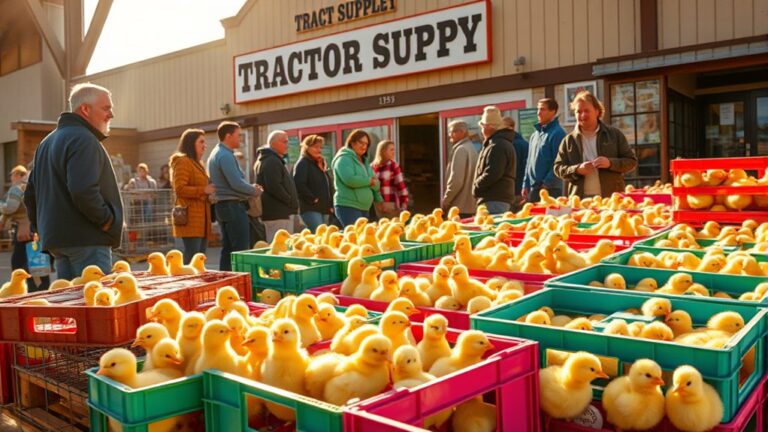
You can expect to pay between $3 and $5 per baby chick at TSC, depending on the breed, age, and season. Common breeds like Rhode Island Reds usually fall in this range, while rare or heritage breeds might cost more.
Prices tend to be lower in spring and higher during fall and winter due to demand and availability. Knowing these factors helps you budget smarter and pick healthy chicks.
Keep exploring to find out how age, supplies, and timing impact your total costs.
Key Takeaways
- Baby chicks at TSC typically cost between $3 and $5 each, depending on breed and season.
- Common breeds like Rhode Island Reds and Leghorns usually fall within the $3-$5 price range.
- Prices rise during peak hatch seasons, like spring and early summer, because demand is higher.
- Rare or heritage breeds generally cost more due to their uniqueness and special care needs.
- Older chicks usually command higher prices than newly hatched ones since they’re more resilient and easier to care for.
How Much Do Baby Chicks Cost at TSC on Average?
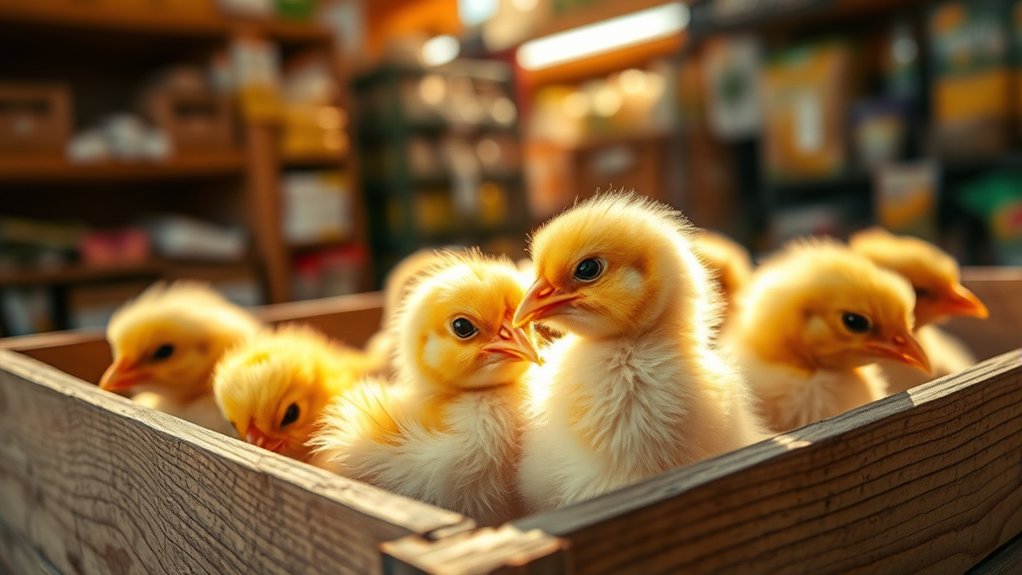
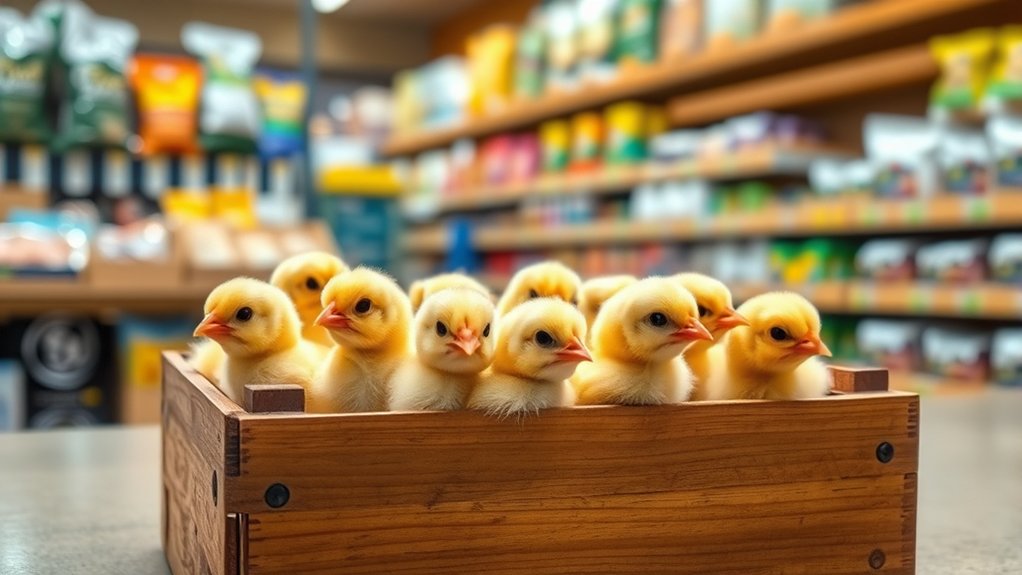
When you shop for baby chicks at TSC, you can expect to pay around $3 to $5 per chick on average. This price gives you a good starting point if you’re planning to raise healthy birds.
Keep in mind, investing in proper bird nutrition is essential once you bring your chicks home. Feeding them balanced meals helps them grow strong and prevents common health issues, making your initial purchase worthwhile.
Also, consider your coop design carefully, as it directly impacts your chicks’ well-being and growth. A well-ventilated, secure coop protects your chicks from predators and harsh weather, ensuring they thrive.
While the chick cost is important, the ongoing investment in bird nutrition and a suitable coop design will affect your overall success. So, when budgeting for baby chicks at TSC, don’t just focus on the initial price. Think about the essentials that keep your birds healthy and happy.
Key Factors That Influence Baby Chick Prices at TSC
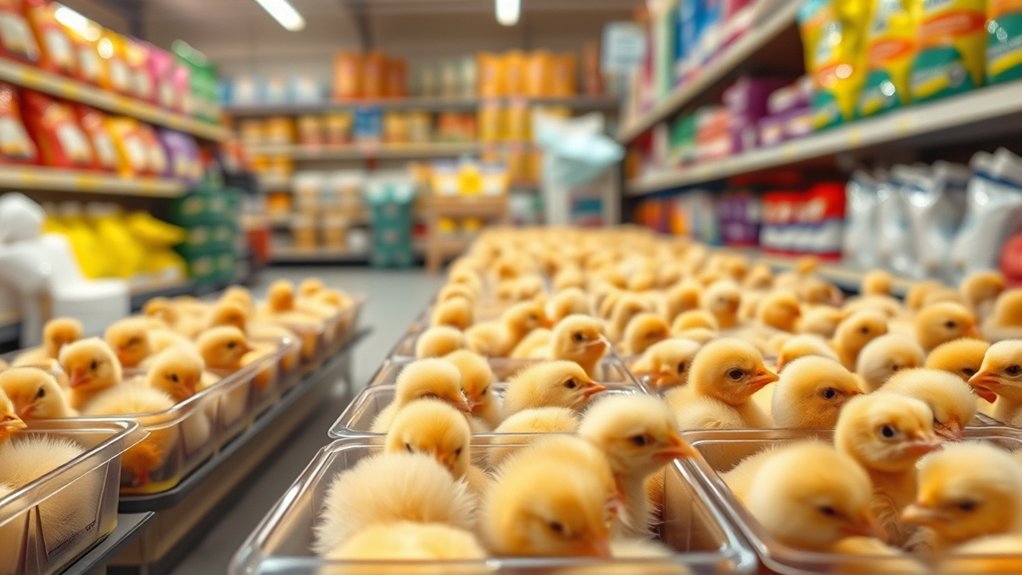
When you shop for baby chicks at TSC, you’ll see that prices can change depending on the breed and variety you pick. Some breeds are a bit pricier because they’re rare or have special traits. Also, the time of year plays a role—prices often go up when demand is higher during certain seasons. So, it’s good to keep these factors in mind when you’re ready to buy.
Breed And Variety
Because different breeds and varieties come with unique traits and care needs, their prices at TSC can vary considerably. When you choose a specific breed, you’re also committing to particular feeding habits and brooding techniques.
For instance, some breeds require specialized diets to thrive, which can affect initial costs. Others might need more precise temperature control or space during brooding, impacting your setup expenses.
Heritage breeds often cost more due to their rarity and distinct care requirements, while common breeds tend to be more affordable. Understanding these differences helps you pick chicks that match your experience level and resources, ensuring healthier growth and fewer surprises.
Seasonal Availability
How does the time of year affect the cost of baby chicks at TSC? Seasonal availability plays a big role because chicks are typically more abundant in spring and early summer. This timing aligns with natural mating habits when hens lay more eggs, leading to higher hatch rates.
As a result, TSC often offers better prices during these peak seasons. Conversely, in fall and winter, limited supply drives prices up since fewer chicks hatch naturally.
You’ll also notice that certain feather coloration patterns, which depend on the breed and season, can influence cost. Rare or vibrant feather coloration emerging during specific seasons may increase demand, affecting prices.
Popular Baby Chick Breeds and Prices at TSC
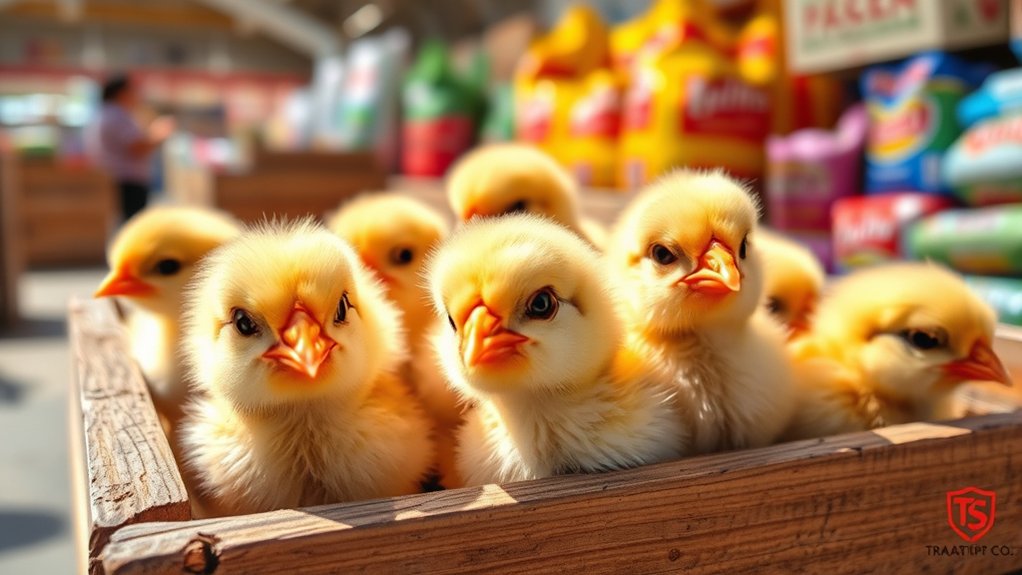
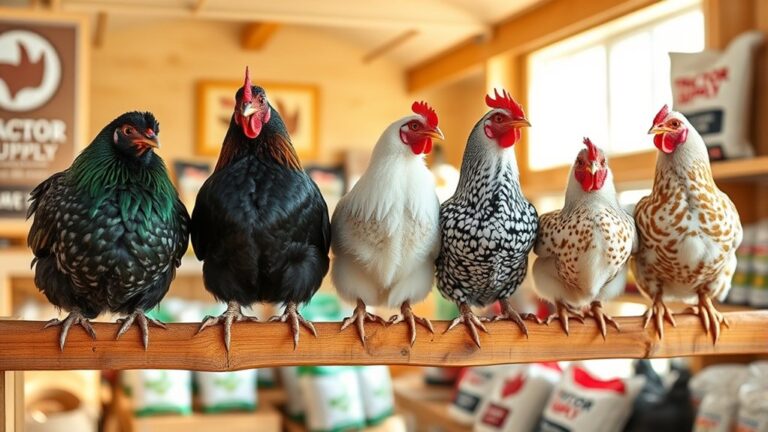
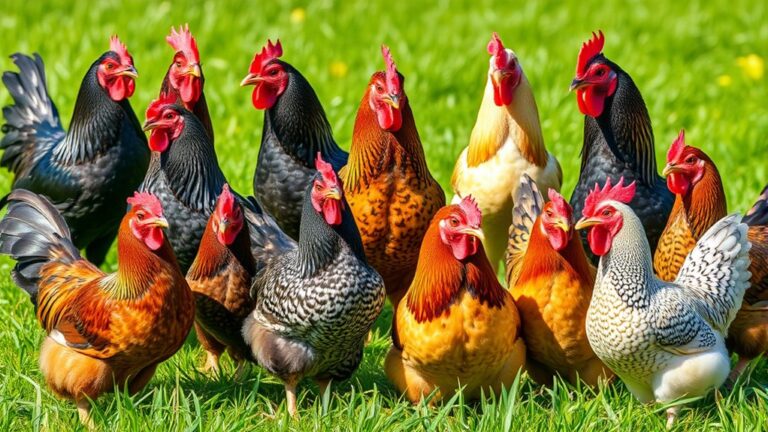
If you’re planning to buy baby chicks at TSC, you’ll find a variety of popular breeds to choose from, each with different price points. Common breeds like Rhode Island Reds, Plymouth Rocks, and Leghorns are favorites due to their reliable egg production and robust poultry health. These breeds typically cost between $3 to $5 per chick.
Choosing the right breed influences not only your flock’s productivity but also the egg nutrition you can expect. Some breeds lay larger eggs with richer yolks, enhancing your eggs’ nutritional value. Heritage breeds may be priced slightly higher because they often require more specialized care but offer excellent resilience and unique egg qualities.
When selecting chicks, consider your goals. Are you after consistent egg layers or hardier birds? TSC’s variety guarantees you can find chicks suited to your needs, balancing cost with the benefits of strong poultry health and high-quality egg nutrition.
How Chick Age Affects Prices at TSC
When you shop for baby chicks at TSC, you’ll notice that age plays a key role in their price. Newly hatched chicks, fresh from egg incubation, usually cost less because they require more care and time before they’re fully grown.
These tiny chicks need precise brooding techniques, like controlled temperature and humidity, to thrive during their first weeks. As chicks get older, TSC prices them higher since they’ve passed this vulnerable stage and need less intensive care.
Newly hatched chicks require careful brooding, while older chicks cost more due to their resilience and easier care.
Older chicks are often more robust and ready to adapt to outdoor environments, which adds value. So, if you want to save money and don’t mind investing time in proper brooding, younger chicks are a good choice.
But if you prefer chicks that are a bit more developed and easier to manage, expect to pay more. Understanding how chick age affects prices helps you pick the best option for your needs and budget at TSC.
How Baby Chick Prices and Availability Vary Seasonally at TSC
Seasonal demand greatly influences both the prices and availability of baby chicks at TSC. When spring arrives, more people start raising chicks, which pushes prices up and makes certain breeds harder to find. During colder months, demand drops, so prices often decrease, and you’ll see a wider selection.
Keep in mind these seasonal factors affecting chicks at TSC:
- Spring surge: Higher prices and limited availability as many prepare for new flocks.
- Summer balance: Moderate demand offers stable prices but watch for heat stress impacting feeding habits.
- Fall and winter: Lower prices, more chicks in stock, but you may need to adjust cage design for warmth.
Understanding these shifts helps you plan your purchase and care routine. Adjust feeding habits and cage design seasonally to keep your chicks healthy and thriving regardless of when you buy them at TSC.
Best Ways to Get Discounts on Baby Chicks at TSC
Although baby chick prices at TSC fluctuate throughout the year, you can still find ways to save money by taking advantage of discounts and special offers. Keep an eye on seasonal sales, especially during spring when demand peaks. Signing up for TSC’s newsletter or loyalty program often grants you early access to promotions or exclusive coupons.
You might also catch bundle deals, where buying chicks alongside feed or coop supplies lowers the overall cost. To maximize your savings, focus on efficient feeding techniques that reduce waste and help chicks grow healthier, so you avoid costly setbacks. Proper coop maintenance also plays a role. Well-kept coops prevent illness, cutting down veterinary expenses.
Comparing Baby Chick Prices at TSC vs. Local Sellers
Finding discounts at TSC can help you save, but it’s also wise to compare prices with local sellers before making a purchase. TSC uses marketing strategies like seasonal sales and bundle deals to attract buyers, often offering competitive prices. However, local sellers might have more flexible rates based on supply and demand or personal relationships.
When comparing, consider these points:
- Price per chick: TSC usually has fixed prices, while local sellers may negotiate or offer discounts for bulk orders.
- Breeder reputation: Local sellers often have direct knowledge of their breeder’s quality, which can be a vital factor in chick health and longevity.
- Additional costs: TSC may include supplies or warranties, whereas local sellers might not, affecting the overall value.
How to Budget for Baby Chicks and Supplies at TSC
You’ll want to start by breaking down the cost of baby chicks at TSC so you get a clear picture of your initial investment. It’s also important to remember the essential supplies—things like feeders, waterers, and heat lamps. These are key to keeping your chicks healthy. Planning your budget with all these costs in mind will help you avoid surprises and make sure you’re fully prepared.
Chick Prices Breakdown
When planning to buy baby chicks at TSC, it’s important to understand the costs involved so you can budget effectively. Chick prices vary based on breed and availability, but generally, you’ll pay around $3 to $5 per chick. Beyond the initial price, consider how feeding schedules and brooder setup impact your budget.
Here’s a quick breakdown to help you picture the expenses:
- Chick cost: $3 to $5 each depending on breed and season.
- Feed: Frequent feedings require quality starter feed, increasing expenses as chicks grow.
- Brooder setup: Includes heat lamps and bedding, essential for chick health and comfort.
Knowing these factors helps you plan your total investment wisely before heading to TSC.
Essential Supplies Costs
Although baby chicks themselves may seem like the main expense, essential supplies quickly add up and should be factored into your budget. You’ll need items for egg incubation if you’re hatching chicks yourself, plus brooder equipment and proper broiler nutrition to guarantee healthy growth. Planning ahead helps avoid surprise costs.
| Supply | Estimated Cost |
|---|---|
| Egg Incubation Kit | $50 – $100 |
| Brooder Setup | $30 – $70 |
| Broiler Nutrition | $20 – $50 |
These costs vary based on the quantity and quality of supplies you choose. By budgeting for these essentials, you’ll create the best environment for your baby chicks to thrive from day one.
How to Pick Healthy Chicks at TSC Without Overspending
Because healthy chicks lay the foundation for a thriving flock, you’ll want to choose them carefully without breaking the bank. When picking chicks at TSC, focus on their alertness, clean feathers, and active movement. Avoid any that appear lethargic or have pasty vents, which can signal health issues.
To make smart choices without overspending, keep these tips in mind:
- Inspect chicks closely for bright eyes and smooth feathers. These are signs of good health.
- Ask about feeding schedules and make sure they’ve been consistently fed to avoid growth setbacks.
- Confirm the brooder setup to guarantee chicks have been kept warm and safe, reducing stress-related illnesses.
Total Costs of Starting Your Flock With Chicks at TSC
Starting a flock at TSC involves more than just the price of the chicks. You’ll need to take into account the costs of feed, bedding, equipment, and health supplies. Baby chicks require specialized feed that matches their feeding schedules, which often means purchasing starter feed for the first 6-8 weeks before switching to grower or layer feed.
You’ll also want to invest in quality bedding to keep your chicks comfortable and healthy. Don’t forget the coop design. A well-constructed coop protects your flock and makes maintenance easier, but it comes with upfront costs for materials or pre-built options at TSC.
Essentials like feeders, waterers, heat lamps, and medications or supplements add to your expenses too. When you factor in all these components along with the chicks’ initial cost, the total investment for starting your flock at TSC can range considerably depending on your setup. Planning carefully helps you budget smartly and provide the best start for your new chicks.
Frequently Asked Questions
What Is the Ideal Brooder Setup for Baby Chicks From TSC?
Your ideal brooder setup includes a heat lamp to keep temperature control between 90-95°F during the first week, dropping 5°F weekly. Use a secure, draft-free enclosure with clean bedding.
Stick to regular feeding schedules, offering chick starter feed and fresh water constantly. Make sure the space is spacious enough for chicks to move away from heat if too warm, and clean it regularly to keep them healthy and comfortable.
How Long Do Baby Chicks Stay in the Brooder Before Moving Outside?
You’ll keep baby chicks in the brooder for about 6 to 8 weeks before moving them outside. During this time, you’ll need to carefully manage brooder temperature, starting around 95°F and lowering it gradually each week.
Make sure you provide proper chick nutrition with balanced feed to support healthy growth. Once they’re fully feathered and comfortable with outdoor temperatures, they’re ready to shift safely outside.
What Vaccines or Health Checks Do TSC Baby Chicks Receive?
Think of TSC’s baby chicks as tiny warriors gearing up for battle. They receive essential vaccinations and health checks following a strict vaccination schedule to keep them strong and disease-free.
Alongside this, chick nutrition plays a huge role. TSC makes sure chicks get the right feed to boost their immune system. This combo helps your chicks grow healthy and ready to thrive once they leave the brooder.
Can I Return or Exchange Baby Chicks at TSC if Needed?
You generally can’t return or exchange baby chicks at TSC once purchased, so it’s important to guarantee you provide proper chick nutrition and maintain the right brooder temperature from day one. These factors are critical for their health and survival.
If you notice any issues, contact the store immediately, but be prepared that returns are rare. Taking good care of chicks upfront helps avoid problems and keeps them thriving.
What Are Common Diseases to Watch for in Baby Chicks From TSC?
You’ll want to watch closely for signs of common diseases like coccidiosis and respiratory infections. They can strike quickly if you’re not careful.
Poor chick nutrition or incorrect brooder temperature often makes chicks vulnerable. Keep their environment warm and feed them balanced, nutrient-rich food to boost immunity.
If you notice lethargy, pasty vents, or labored breathing, act fast to prevent serious issues and keep your chicks thriving.
Conclusion
When you shop for baby chicks at TSC, expect to pay around $3 to $5 per chick, depending on the breed and season. Did you know prices can jump by 20% during peak spring months? Planning ahead can save you money and stress.
Keep an eye on chick age and health to get the best value. With a little budgeting, you’ll be well on your way to starting a happy, healthy flock without overspending. Knowing how much baby chicks cost at TSC helps you plan better and get the most for your money.