Lavender Orpington: Raising a Friendly Chicken
Finding a chicken breed that’s friendly, calm, and easy to handle can be a real challenge. You’re not alone if you’ve struggled to find chickens that are both sociable and low-maintenance. Many people want a flock that gets along well with kids and pets, without constant stress or fuss.
Lavender Orpington are a great choice if you want a friendly chicken that’s calm, gentle, and easy to handle. You can help them stay sociable by starting early with short, positive interactions, especially with kids and pets.
Give them a roomy, dry coop, good feed, fresh water, and regular care to keep them healthy and happy.
They’ll usually reward you with 150 to 200 eggs a year, and there’s plenty more to uncover about raising them well.
Key Takeaways
- Lavender Orpingtons are calm, gentle, and family-friendly, especially when handled regularly from a young age. Early socialization with slow, positive interactions helps them trust children, pets, and handlers.
- They have a rounded, medium build and beautiful lavender-gray feathers that make them especially attractive.
- Provide spacious, ventilated coops, soft bedding, sturdy perches, fresh water, and a consistent daily care routine.
- Feed chicks starter, grower, then layer feed, and watch for health issues like lethargy, poor droppings, or soft-shelled eggs.
What Makes Lavender Orpingtons So Friendly?

Lavender Orpingtons are so friendly because they’ve been bred for calm, gentle temperaments, which makes them naturally more relaxed around people. You’ll often notice their easygoing nature when you approach the coop, since they usually stay curious instead of skittish.
Their temperament traits include patience, docility, and a strong tolerance for handling, so you can spend time with them without triggering stress. If you raise them from a young age, your socialization techniques matter a lot.
Offer treats by hand, speak softly, and move slowly so they learn to trust you. Consistent, positive contact helps them associate you with safety and food. You should also keep routines steady because predictable care supports their confidence.
Offer treats by hand, speak softly, and keep routines steady so they learn to trust you.
When you combine good breeding with careful socialization, you encourage a chicken that feels comfortable following you, accepting attention, and fitting easily into a family flock.
Lavender Orpington Appearance and Size

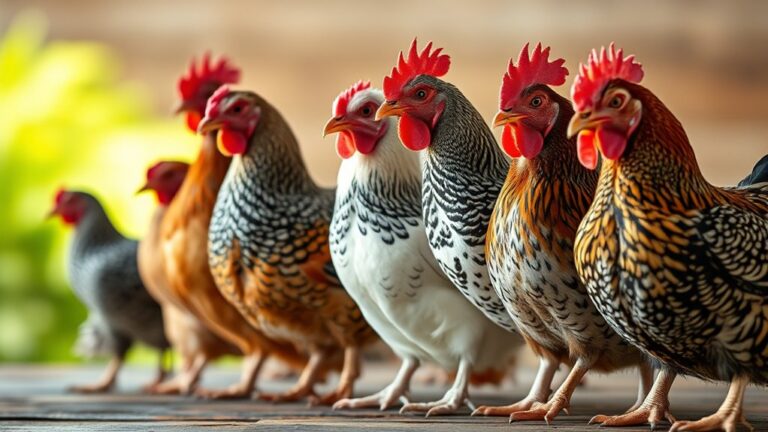
Beyond their gentle nature, these birds stand out for their striking look and medium build. You’ll notice a rounded body, broad chest, and soft, fluffy outline that gives them a plush appearance.
Their feather colors usually show a smooth lavender-gray tone, and that even shade makes them easy to spot in your flock. You may also see slight size variations between hens and roosters, with roosters looking larger and more upright.
| Feature | Hens | Roosters |
|---|---|---|
| Weight | Smaller, compact | Heavier, taller |
| Feather colors | Soft lavender-gray | Softer lavender sheen |
| Shape | Rounded and calm | Broad and upright |
When you compare them closely, you’ll see their balanced proportions create a sturdy, attractive bird. Their gentle coloring and full feathering give them a calm, eye-catching presence that fits well in a backyard flock.
Best Coop Setup for Lavender Orpingtons

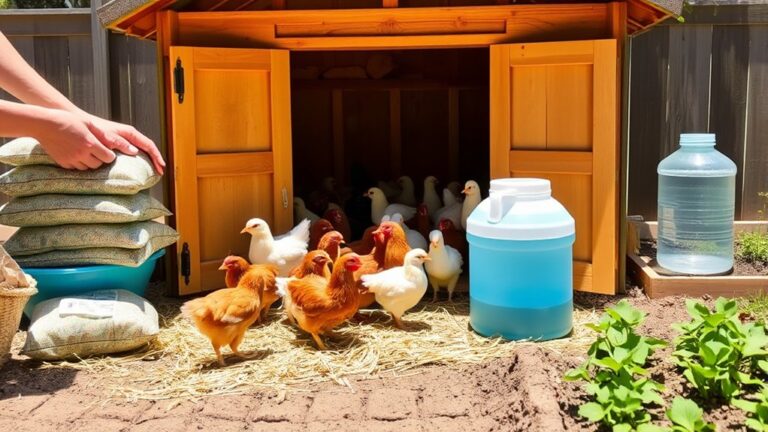
When you set up a coop for Lavender Orpingtons, make sure to give them plenty of space so they can move around comfortably without feeling crowded. It really makes a difference in keeping them happy and healthy.
You’ll also want to have good ventilation and plenty of natural light in the coop. This helps keep the air fresh and the environment healthy for your birds.
Don’t forget about the bedding and perches. Use soft bedding to keep the floor cozy, and sturdy perches so your Lavender Orps have a safe and comfortable place to rest. They’ll thank you for it!
Coop Size Needs
A roomy coop gives your Lavender Orpingtons the comfort they need to stay healthy and calm. Aim for coop dimensions that let each bird move without bumping others, because these gentle hens do best with generous space requirements. Plan for at least 4 square feet per bird inside and more if you keep a larger flock.
Good sizing helps you prevent stress, feather damage, and crowding.
- Give hens room to turn around
- Allow space for roosts and nests
- Keep feeders from blocking traffic
- Leave extra floor space for growth
- Match the coop to flock size
If you can, build bigger than the minimum. Your birds will appreciate the freedom, and you’ll find cleaning and daily care easier too.
Ventilation And Light
Good airflow and natural light help your Lavender Orpingtons stay healthy, dry, and comfortable. You should design your coop with vents near the roof so warm, moist air escapes without creating drafts at bird level.
Good airflow management reduces odors, helps prevent respiratory problems, and keeps humidity under control. Add windows or clear panels to bring in natural lighting during the day, which supports activity and routine.
Place openings where sunlight reaches the coop without overheating it, and use hardware cloth to block predators while letting air move freely. You can also open or adjust vents seasonally to match weather changes.
Keep the interior bright enough for easy inspection, but avoid harsh glare. Balanced ventilation and natural lighting make the coop cleaner and more pleasant for your flock.
Bedding And Perches
With ventilation and light in place, you can turn to the coop’s floor and roosts, which do just as much to keep Lavender Orpingtons comfortable. Choose bedding materials that stay dry, cushion joints, and break down manure quickly. You’ll want deep litter you can fluff often, so the coop smells fresh and your birds stay clean.
- Pine shavings absorb moisture well
- Straw works if you turn it regularly
- Hemp bedding resists odor
- Sand drains fast and cleans easily
- Avoid cedar, which can irritate
For perch design, aim for wide, rounded roosts that support their heavy bodies. Keep them low enough to prevent injury, and give each bird enough space to settle without crowding.
Feeding Your Lavender Orpington for Healthy Growth
You’ll want to start your Lavender Orpington chicks on a balanced starter feed that provides the protein and nutrients they need for steady growth. As they get older, you’ll need to change up their diet to fit their age and development. This way, they keep growing strong without any extra strain. Keep an eye on their feed and make adjustments at each stage to support healthy, even growth.
Balanced Starter Feed
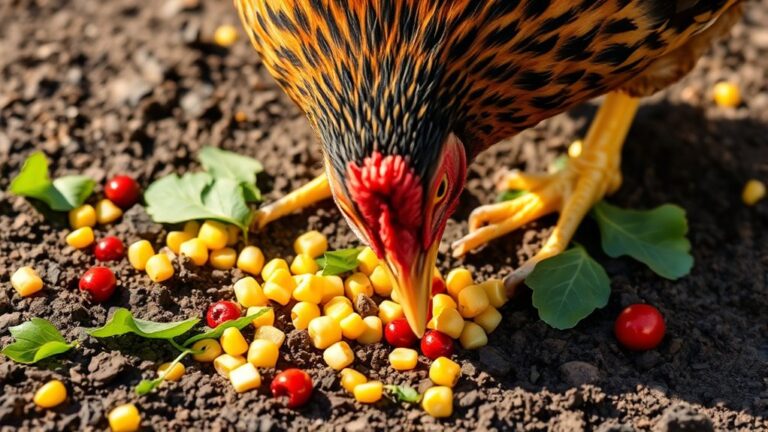
A balanced starter feed gives your Lavender Orpington chicks the nutrients they need for steady, healthy growth. You should choose a crumble that meets their nutritional requirements and supports strong feathers, bones, and energy. Check the label for quality starter ingredients like corn, soybean meal, vitamins, and minerals.
Offer fresh feed daily and keep feed clean and dry. Use a chick feeder and remove moldy leftovers quickly. Provide constant access so your chicks can eat whenever they need.
You’ll help your chicks thrive when you avoid scratch grains and treats that dilute nutrition. A consistent starter ration keeps growth even, appetite steady, and development on track. With the right feed, you set a strong foundation for healthy, friendly birds.
Age-Based Diet Changes
As your Lavender Orpington chicks grow, their diet needs to change to match each stage of development. In the first weeks, you should keep them on a high-protein starter feed to support rapid feathering and steady growth.
Once they reach about 6 to 8 weeks, begin making dietary adjustments by moving to a grower feed with slightly less protein. This shift helps prevent excess weight while still giving them the nutrients they need.
As they approach laying age, offer a layer feed so they get proper calcium and balanced energy. You can also provide age-appropriate nutrition with healthy treats like chopped greens, oats, and mealworms in moderation.
Always give fresh water and watch their body condition, because small changes now support a strong, friendly hen later.
How Many Eggs Do Lavender Orpingtons Lay?
Lavender Orpingtons usually lay about 150 to 200 eggs per year, though individual hens can vary based on age, health, diet, and daylight hours. Your flock’s egg production stays moderate, so you shouldn’t expect the nonstop laying of commercial breeds. Instead, focus on steady care that supports consistent laying frequency.
- Provide a balanced layer feed.
- Offer fresh water daily.
- Keep nesting boxes clean.
- Add safe calcium sources.
- Give hens enough daylight.
Young hens often start laying around 5 to 7 months old, then settle into a reliable rhythm. During winter or molts, you may see fewer eggs, and that’s normal. If you want the best output, reduce stress and maintain routine.
With proper care, you can enjoy a respectable supply of large, light brown eggs from these calm, attractive birds.
Lavender Orpington Temperament Around Kids and Pets
Lavender Orpingtons are usually pretty gentle with kids, so you can often enjoy calm and easy interactions. They’re generally relaxed around other pets, too, which makes them a great fit for a busy family yard. Of course, it’s still a good idea to supervise their early socialization to keep everyone safe and confident.
Gentle With Children
Have you ever watched a chicken that seems to enjoy company as much as you do? A Lavender Orpington’s gentle nature makes child interaction feel easy and reassuring. You can let kids help with supervised feeding, soft petting, and quiet observation without much fuss.
Their calm behavior rewards respectful handling and teaches children to move slowly. You’ll notice they rarely rush or peck. You can guide children to use gentle hands.
You should keep sessions short and calm. You can build trust through routine. You’ll see confidence grow on both sides.
This breed usually responds well when you stay patient and consistent. If you want a chicken that fits family life, this one offers a friendly, low-stress introduction for children learning to care for animals.
Calm Around Pets
When pets are already part of the household, this breed usually stays relaxed and nonreactive. You’ll often notice steady chicken behavior as your Lavender Orpington keeps pecking, scratching, and dust-bathing without fuss.
Around dogs or cats, it usually shows calm curiosity rather than fear or aggression, which helps pet interaction feel easy and predictable. You can expect a bird that rarely startles at normal household movement, and that composure makes daily routines smoother for everyone.
Its mellow nature also helps it settle near other animals without creating drama in the yard. Because it doesn’t rush into conflict, you get a chicken that fits well into a peaceful mixed-pet home and keeps the flock atmosphere quiet, balanced, and manageable.
Supervised Socialization Needs
Even with its gentle temperament, this breed still does best with calm, supervised introductions to children and other pets. You’ll help your Lavender Orpington feel secure when you guide each meeting and keep interactions short at first.
Use gradual exposure so the bird can watch, approach, and retreat without pressure. Keep kids quiet, pets leashed or contained, and handling gentle.
Let the chicken observe from a safe distance. Reward calm behavior with treats. Teach children slow hands and soft voices. Separate rough, noisy, or excitable pets. Increase social interaction only when trust grows.
With steady supervision, you’ll build confidence, reduce stress, and encourage friendly behavior that lasts.
Everyday Care and Grooming Tips
Keeping your chicken clean and comfortable goes a long way toward a calm, friendly bird. Build a simple daily routine: refresh water, check feed, and glance over feathers, feet, and comb while she settles nearby.
Use basic grooming tools like a soft brush, small comb, and clean towel to remove loose dirt and catch tangles before they turn into mats. Lavender Orpingtons usually manage well on their own, but you can help by keeping the coop dry and nesting boxes tidy.
Trim nails only when they start to curl, and do it slowly so you don’t stress her. Offer gentle handling each day, and reward calm behavior with a small treat.
When you move deliberately and speak softly, your bird learns that care time is safe, predictable, and even pleasant.
Common Lavender Orpington Health Problems
Although Lavender Orpingtons are hardy birds, you should still watch for a few common health problems that can sneak up over time. Common ailments often start with subtle signs, so check appetite, droppings, comb color, and activity daily. A smart vaccination schedule helps lower risk from serious disease, while good parasite management keeps mites and worms from weakening your flock.
Watch for respiratory issues in damp, poorly ventilated coops. Spot nutritional deficiencies through pale combs or soft-shelled eggs. Reduce stress factors like crowding, noise, and sudden flock changes. Check for limping, feather loss, or dirty vents. Consider breeding considerations, because poor genetics can amplify weakness.
You can prevent many problems with balanced feed, clean water, dry bedding, and routine health checks. If a bird isolates itself, acts lethargic, or stops laying, act fast and consult a poultry vet.
Buying Healthy Lavender Orpington Chicks
When you’re buying Lavender Orpington chicks, choose a seller who can show you healthy parent stock, clean brooders, and clear hatch dates. Good chick sourcing starts with birds that look bright-eyed, active, and evenly feathered for their age.
Ask about vaccination status, shipping practices, and whether the chicks have been started on quality feed and clean water. You should also check that the breeder understands breed characteristics, including the calm temperament and sturdy build you want in Lavender Orpingtons.
Avoid chicks that huddle in corners, breathe noisily, or have pasted vents, crooked toes, or swollen navels. If possible, buy locally so you can inspect the flock before you commit.
A reputable breeder will answer questions directly, provide records, and explain any losses honestly. When you pick healthy chicks from a careful source, you give your flock a stronger start and reduce the chance of future setbacks.
Should You Get a Lavender Orpington?
A Lavender Orpington can be a great choice if you want a calm, attractive chicken that’s easy to handle and usually fits well in a backyard flock. You should consider this breed if you value friendliness, steady egg production, and a bird that often tolerates family activity. Their breed history shows they were developed for utility and charm, so you get both looks and practicality.
- You want a gentle bird for beginners.
- You need a chicken that handles well.
- You prefer a quiet, low-key flock member.
- You have space for a medium-sized chicken.
- You’ll use socialization tips to build trust early.
If you want a flashy egg layer, another breed may suit you better. But if you want a companionable hen that adapts nicely and rewards patient care, a Lavender Orpington is worth considering. Give chicks early handling, consistent routines, and calm interactions, and you’ll likely enjoy a relaxed, people-friendly bird.
Frequently Asked Questions
How Long Do Lavender Orpingtons Usually Live?
Lavender Orpingtons usually live about 8 to 10 years, and you can sometimes help them reach 12 or more with excellent care. You’ll boost their average lifespan by providing clean housing, balanced feed, fresh water, and safe outdoor space.
Keep an eye on health considerations like mites, obesity, heat stress, and reproductive issues. If you notice changes early, you can give them better treatment and longer, happier lives.
Are Lavender Orpingtons Good in Cold Weather?
Yes, you can count on lavender Orpingtons in cold weather like a wool coat in a snowstorm. They handle chilly temperatures well because their dense feathers give them good cold tolerance.
You should still provide dry bedding, draft-free shelter, and fresh water as part of winter care. Avoid damp coops and check combs for frostbite.
With simple winter care, you’ll keep your flock comfortable and productive all season long.
Do Lavender Orpingtons Go Broody Often?
Yes, you’ll often see broodiness in Lavender Orpingtons since they’re one of the more likely breeds to sit on eggs. Their broodiness frequency can be moderate to high, though individual birds vary.
You can expect their calm temperament traits to make them steady mothers, but not every hen will go broody. If you want chicks, they’re a solid choice. If not, you may need to break the habit sometimes.
What Colors Can Lavender Orpington Chicks Hatch Into?
Lavender Orpington chicks usually hatch a light yellow, gray, or pale lavender fuzz, but chick color genetics can make shades vary. You might also see darker backs, chipmunk stripes, or muted chick feather patterns depending on parent birds.
Since lavender is a recessive color, you won’t always get lavender-looking chicks right away. As they grow, their feathers can change quite a bit, so watch for subtle early differences.
Can Lavender Orpingtons Live With Other Chicken Breeds?
Yes, you can keep Lavender Orpingtons with other chicken breeds, but you’ll want to watch the flock like a chessboard in motion. You should check breed compatibility and manage social dynamics so every bird has room to eat, roost, and peck peacefully.
Introduce newcomers slowly, provide plenty of space, and monitor bullying. With a smart setup, your Lavender Orpingtons can blend into a mixed flock and thrive together.
Conclusion
If you want a chicken that feels like a feathered best friend, the Lavender Orpington may be your perfect match. With their calm nature, soft looks, and gentle charm, they can brighten your backyard like a sunrise after the longest night.
Give them the right coop, good feed, and regular care, and they’ll reward you with companionship and eggs. If you’re ready for a sweet, easygoing flock member, the Lavender Orpington is worth every cluck.