What Can Chickens Eat?
If you’ve ever wondered what to feed your backyard flock without stressing over their health, you’re not alone. Many chicken owners struggle to find the right balance between nutrition and variety to keep their birds happy and productive.
Luckily, understanding what chickens can eat doesn’t have to be complicated.
You can feed chickens a balanced layer or grower feed as their main diet, plus fresh water every day. In moderation, give safe grains like oats, wheat, corn, and barley, along with veggies, leafy greens, fruit, and protein treats such as mealworms, cooked eggs, or plain fish. What Can Chickens Eat?
Keep portions small and avoid salty, moldy, or toxic foods like chocolate, onions, avocado, and raw beans.
Stick around and you’ll find even more feeding tips.
Key Takeaways
- Chickens should eat a complete commercial layer or grower feed as their main diet.
- Fresh water must always be available for healthy digestion and hydration.
- Safe treats include oats, cooked rice, mealworms, greens, and small amounts of fruit or vegetables.
- Good fruits and vegetables include apples, grapes, berries, bananas, melons, lettuce, kale, carrots, cucumbers, and bell peppers.
- Avoid toxic or harmful foods like chocolate, avocado, onions, garlic, caffeine, raw beans, and salty or processed snacks.
Daily Foods Chickens Can Eat

Chickens can eat a simple, balanced daily diet of commercial layer feed or grower feed, depending on their age, since it gives them the nutrients they need to stay healthy and lay well. You should make this the base of your chicken feeding plan, then add modest diet variety with fresh greens, chopped vegetables, and fruit in small amounts.
Offer leafy tops, cucumber, squash, berries, and cooked legumes as occasional treats. You can also provide mealworms or other protein-rich snacks when your flock needs extra support during molt or cold weather. Keep all foods clean and cut into manageable pieces so your birds can peck safely.
Fresh, cool water should always sit nearby, because hydration matters as much as food. If you want steady health and reliable egg production, focus on consistency, moderation, and variety without overfeeding extras.
Safe Grains for Chickens

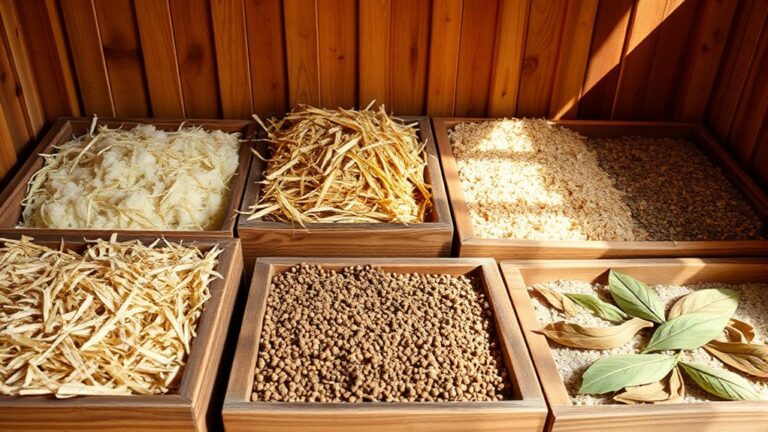
Grains can be a healthy part of your flock’s diet when you choose the right ones and feed them in moderation. You can offer whole grains like oats, barley, wheat, and corn as part of balanced meals. These grain types provide energy, fiber, and some protein, and they’re easy to mix into your feeding routine.
The main grain benefits come from variety and moderation, so don’t let grains replace a complete feed. Use grain supplements only as extras, not as the base diet. When you focus on grain sourcing, pick clean, untreated products from trusted suppliers.
Good grain storage also matters: keep feed dry, cool, and sealed to prevent mold and pests. If you notice spoilage, toss it right away. By choosing safe whole grains and handling them properly, you can support your chickens’ health without upsetting their nutrition.
Fruits Chickens Can Eat Safely

Along with grains, fruits can be a tasty, healthy treat for your flock when you offer them in small amounts. You can serve apples, pears, grapes, bananas, and berries as long as you remove seeds, pits, and stems that could cause trouble.
Chickens usually enjoy melon varieties like watermelon, cantaloupe, and honeydew because they’re juicy and easy to peck. The berry benefits are strong too: strawberries, blueberries, and raspberries add natural sweetness and helpful antioxidants.
Wash all fruit well, then cut it into bite-size pieces so your birds can eat safely and waste less. Keep portions modest since too much fruit can crowd out their regular feed.
You can also freeze fruit pieces on hot days for a cool, simple treat. If any fruit looks moldy or overripe, toss it out right away. Stick to fresh, plain fruit, and you’ll give your flock a healthy snack they’ll love.
Vegetables Chickens Love
You can treat your chickens to leafy greens like lettuce, kale, and spinach for a healthy boost. They also love crunchy veggies such as carrots, cucumbers, and bell peppers because they’re fun to peck at. Plus, if you want to mix things up a bit, offering cooked vegetables in small amounts can be a nice extra treat since they’re easier for your chickens to eat.
Leafy Greens
Leafy greens are a healthy, easy treat for chickens, and many birds enthusiastically peck at them once you offer a fresh handful. You can mix them into your flock’s routine for variety. The leafy greens benefits include hydration, vitamins, and gentle fiber.
The best leafy greens are the ones you’ll use often and serve fresh.
| Green | Why your chickens may like it |
|---|---|
| Romaine | Crisp and mild |
| Kale | Packed with nutrients |
| Spinach | Easy to tear |
| Collards | Tender, leafy texture |
| Swiss chard | Colorful and appealing |
You should wash everything well, chop large leaves, and hang a bunch so your birds can tug and nibble. Keep portions modest, and rotate choices so your chickens stay interested and eat well.
Crunchy Veggies
Crunchy veggies give your flock a satisfying change of pace after leafy greens, and chickens usually love the snap and texture. You can offer carrot crunchies, cucumber slices, and bell pepper pieces for easy pecking.
Try broccoli bites, radish treats, and zucchini strips to keep things interesting. Snap peas add sweetness, while celery sticks give a crisp chew that can entertain curious birds.
You can also share cauliflower florets and asparagus tips in small amounts. Chop everything into manageable pieces so your chickens can grab each bite without struggling.
Fresh crunchy vegetables help vary their menu, and the different colors and shapes can encourage foraging. Always introduce new foods gradually and watch how your flock responds to each veggie.
Cooked Vegetable Treats
Cooked vegetables can be a cozy, easy-to-eat treat for chickens, especially when you want to soften tougher produce and make it more appealing. You can offer small portions of plain, cooled vegetables as a healthy snack, not a meal replacement.
Cooked carrots and steamed broccoli are favorites because they’re soft, colorful, and easy to peck.
| Vegetable | Benefit | Tip |
|---|---|---|
| Cooked carrots | Soft texture | Chop small |
| Steamed broccoli | Gentle crunch | Serve plain |
| Squash | Moisture | Cool first |
| Peas | Quick energy | Offer sparingly |
You’ll keep treats safer by skipping salt, butter, and spices. Remove uneaten food quickly so it doesn’t spoil, and pair these bites with your chickens’ balanced feed.
Protein Foods for Chickens
Protein is a valuable part of a chicken’s diet, especially when you want to support healthy growth, feather production, and egg laying. You can boost your flock’s intake with varied protein sources like mealworms, black soldier fly larvae, cooked eggs, and plain fish. These foods supply essential amino acids, and animal protein helps chickens recover after molting or stress.
Offer protein as a supplement, not the main feed, so you keep their nutrition balanced. Limit portions to avoid obesity and waste, and always provide fresh water alongside treats.
- Mealworms and larvae are easy, high-protein snacks.
- Cooked eggs give quick, digestible nutrition.
- Plain cooked fish works well in small amounts.
You should introduce new protein foods slowly and watch how your birds respond. If hens lay well and feathers stay glossy, you’re likely on the right track.
Safe Kitchen Scraps for Chickens
You can share safe veggie scraps like carrot peels, cucumber ends, and leafy trimmings with your chickens. They really enjoy nibbling on those. Fruit bits like apple pieces, berries, and melon rinds also make a tasty treat for them. Just make sure the scraps are fresh and clean. Oh, and avoid anything with mold or seasoning to keep your chickens healthy.
Veggie Scraps
Veggie scraps can be a healthy, low-cost treat for chickens when you choose the right ones and serve them in moderation. You can offer leafy tops, cucumber peels, carrot ends, and other fresh trimmings to support veggie benefits without replacing balanced feed.
Chop scraps into small pieces so your flock can eat them easily and avoid waste. Remove any moldy, salty, or seasoned bits since those can upset digestion.
- Feed clean, raw veggie scraps only
- Keep portions small and occasional
- Toss leftovers into compost options if your hens don’t finish them
When you rotate safe vegetables, you add variety, hydration, and enrichment. Your chickens will peck, scratch, and stay busy while you make the most of kitchen extras.
Fruit Bits
Fruit bits can be a sweet, healthy treat for chickens when you choose safe options and keep servings small. You can offer apple pieces, berries, melon, pear, and banana as occasional snacks.
Wash them first, remove seeds, pits, and stems, and cut everything into bite-size pieces so your flock can peck safely. Rotate fruit varieties to keep treats interesting, but don’t let fruit replace balanced feed.
Because some fruits are high in sugar, use them as a small reward, not a daily staple. For good fruit safety, avoid moldy scraps and anything treated with pesticides unless you rinse it well.
If you notice loose droppings or picky eating, cut back and reassess portions.
Occasional Chicken Treats
Although chickens thrive on a balanced feed, occasional treats can add variety and enrichment to their diet. You can offer chicken snacks like oats, cooked rice, mealworms, or chopped greens to keep pecking time interesting. These small extras help you reward your flock, encourage natural foraging, and strengthen trust when you hand-feed them.
Keep treat moderation in mind, though, because too many extras can crowd out their regular nutrition and make them picky. Aim for treats to stay a small part of what they eat each day.
- Serve treats in tiny amounts.
- Offer them after the main feed.
- Rotate choices to keep interest high.
You’ll get the best results when you treat chickens as a supplement, not a staple. Fresh water should always be available, and any snack you give should fit easily in their beak and be easy to peck. With a little planning, you can make snack time fun, safe, and useful.
Foods Chickens Should Never Eat
Not every food that seems harmless is safe for chickens. Some common kitchen items can make them sick or even be toxic. You should keep harmful substances away from the coop and skip risky scraps like toxic plants, avocados, chocolate treats, and caffeine products.
Avoid spoiled food and moldy grains because they can upset digestion and spread illness.
| Avoid | Why |
|---|---|
| Processed snacks | Too salty, fatty, or artificial |
| Citrus fruits | Can irritate sensitive digestion |
| Dried beans | Unsafe when raw or undercooked |
You should also watch for onions, garlic, and salty leftovers since these can cause trouble fast. If you’re unsure about a food, don’t offer it. When you keep feed simple and fresh, you help your flock stay active, healthy, and safe.
How Much to Feed Chickens
You’ll want to give your chickens the right daily feed amount to keep them healthy and productive. Younger birds need different portions compared to adult layers or roosters, so it’s important to adjust their feeding as they grow.
Just keep an eye on their appetite, body condition, and age. That way, you can make sure their diet stays on track and they get exactly what they need.
Daily Feed Amounts
A healthy chicken usually eats about 1/4 pound of feed per day, though the exact amount depends on its age, size, breed, and whether it’s laying eggs. You can split that ration into steady feeding schedules so your flock stays active and satisfied. Keep portion sizes consistent, and watch what’s left after each meal to avoid waste.
Fresh water should always be nearby, since feed works best when birds drink enough.
- Offer feed at the same times daily.
- Adjust portions if bowls empty too fast.
- Remove spoiled feed before refilling.
If you free-feed, check the flock often so you can spot changes in appetite. Small, regular servings help you manage intake and keep your chickens on a dependable routine.
Adjusting For Age
Chickens don’t all need the same amount of feed, and age makes a big difference in how much they should eat. You should match portions to chick growth stages, then make dietary adjustments as they mature.
Young chicks eat frequent, small meals, while pullets need more feed to support steady growth. Adult hens usually need less energy and more balanced nutrients for laying.
Watch body condition, feathering, and activity to guide changes.
| Age stage | Feeding focus |
|---|---|
| Chicks | Starter feed, small portions |
| Growers | Support growth, moderate feed |
| Laying hens | Layer feed, steady intake |
| Older birds | Adjust for lower activity |
If you notice leftovers or thin birds, refine portions quickly.
Feeding Chickens a Balanced Diet
To keep your flock healthy, feed chickens a balanced diet that matches their age, size, and purpose. You should choose feed that meets their nutritional requirements without overloading them with treats or scraps. Layers need more calcium, while growing chicks need extra protein and steady energy.
Good balanced formulas make this easier because they deliver the right mix of vitamins, minerals, carbohydrates, and protein in one ration. Fresh water should always be available since hydration supports digestion and egg production.
- Use age-appropriate feed for chicks, growers, layers, or breeders.
- Offer treats sparingly so they don’t crowd out complete nutrition.
- Check labels for protein, calcium, and other key nutrients.
You can supplement with greens, grains, or insects, but keep them as additions, not staples. When you feed with consistency, your chickens stay active, produce better eggs, and handle stress more easily.
Frequently Asked Questions
Can Chickens Eat Insects They Find in the Yard?
Yes, chickens can eat insects they find in your yard, and they often love them. Their foraging habits drive natural hunting, which supports chicken behavior and adds insect benefits to their diet.
Insects can boost nutritional value with protein and other nutrients. You should still make sure your yard isn’t treated with pesticides, since those can harm them.
Give them space to scratch, peck, and investigate safely.
Is It Safe to Feed Chickens Bread Crusts?
Yes, you can feed chickens bread crusts, but they’re no miracle feast. You’ll give your flock a small treat, not a mighty meal.
Bread crust benefits include quick energy and easy pecking fun, but bread crust risks include filler calories, low nutrition, and overfeeding if you offer too much. You should keep portions tiny, avoid moldy pieces, and make sure their main diet stays balanced and healthy.
Do Chickens Need Grit With Their Food?
Yes, chickens need grit with their food if they eat anything other than crumbles or mash. You should offer grit types like insoluble granite for digestion, and oyster shell separately for calcium.
If your birds free-range, they’ll often find their own grit. For confined flocks, provide grit alternatives such as crushed eggshells only for calcium, not digestion.
Keep a small dish available so they can pick what they need.
Can Chickens Eat Food With Spices on It?
No, you shouldn’t feed chickens food with spices on it. Their digestive systems aren’t built for spicy foods, and seasonings can irritate them or reduce appetite.
You may notice different flavor preferences among chickens, but plain, unseasoned foods are the safest choice. If you want to share leftovers, keep them simple and mild.
Stick to grains, vegetables, and other chicken-safe treats so you don’t upset their stomachs or behavior.
Should Chickens Have Access to Food All Day?
No, you shouldn’t leave food out all day unless you’re using free range feeding and can manage portion control. You’ll want to offer measured meals so you can monitor intake, reduce waste, and prevent pests from stealing feed.
Fresh water should stay available all the time, but feed works better on a schedule. If your chickens graze well, you can supplement with feed instead of keeping it out nonstop.
Conclusion
If you feed your chickens the right foods, you’ll keep them healthy, active, and laying well. For example, a backyard flock that gets scratch grains, chopped greens, and mealworms often shows better feather quality and more energy than birds fed only scraps.
Stick to safe grains, fruits, veggies, and protein, avoid toxic foods, and keep treats limited. When you balance their diet, you’ll give your flock the best chance to thrive. Remember, knowing what chickens can eat is key to their overall health and happiness.