5 Quietest Chicken Breeds for Backyard Coops
Looking for the quietest chicken breeds for backyard coops can feel like a tough challenge. You’re not alone—many people struggle with noisy flocks that disrupt their peace and make keeping chickens less enjoyable.
Finding calm, gentle birds that won’t cause a ruckus is a common desire for backyard chicken keepers. If you want a quieter backyard flock, you should choose calm breeds like Silkies, Orpingtons, Australorps, Brahmas, and Wyandottes.
These birds usually stay gentle, adapt well, and vocalize less than fussier breeds. Silkies are especially soft-spoken, while Orpingtons and Australorps are friendly and easy to manage.
Brahmas and Wyandottes also bring a peaceful presence to your coop. Keep going, and you’ll see what makes each one such a smart choice.
Key Takeaways
- Australorps are gentle, steady, and usually very quiet, making them a strong backyard choice.
- Orpingtons are friendly, relaxed birds with very low noise levels and family-friendly temperaments.
- Barred Plymouth Rocks are even-tempered, hardy, and adapt well while staying relatively quiet.
- Brahmas are calm, unhurried chickens that typically vocalize less than more excitable breeds.
- Silkies are soft-spoken, mellow, and ideal for small yards when kept in dry, well-managed coops.
Why Some Chicken Breeds Stay Quieter

Some chicken breeds stay quieter because of their genetics, temperament, and purpose. You’ll notice that some birds naturally vocalize less because selective breeding shaped their behavioral traits over generations.
Calm breeds often react less intensely to stress, food changes, or new surroundings, so they don’t need to call out as often. Their purpose also matters: birds bred for steady egg production or calm handling usually develop a more laid-back attitude than breeds selected for alertness or strong foraging drive.
Environmental influences can amplify or reduce noise, too. If you keep chickens in a secure coop with enough space, shade, food, and routine, they’re less likely to become restless and loud. Harsh weather, overcrowding, predators, and frequent disturbances can make even quiet breeds chatter more.
When you understand these factors, you can choose birds that fit your space and manage them in ways that support a peaceful flock.
Quietest Chicken Breeds for Backyard Coops

When you’re choosing the quietest chicken breeds for a backyard coop, a few stand out for their calm nature, low-key personalities, and minimal vocalizing. You’ll usually notice lower noise levels in breeds that stay content scratching, perching, and foraging without fuss. These birds suit close neighbors and small yards because they don’t announce every egg or mood shift.
| Breed | Traits | Noise Level |
|---|---|---|
| Australorp | Gentle, steady, easy to manage | Low |
| Orpington | Friendly, relaxed, dependable | Very low |
| Barred Plymouth Rock | Even-tempered, adaptable, hardy | Low |
| Brahma | Calm, large, unhurried | Low |
If you want a flock that blends in quietly, focus on temperament first. A bird with a calm demeanor often stays quieter during daily routines, so you’ll get a more peaceful coop and fewer complaints.
Silkies for Quiet Yards

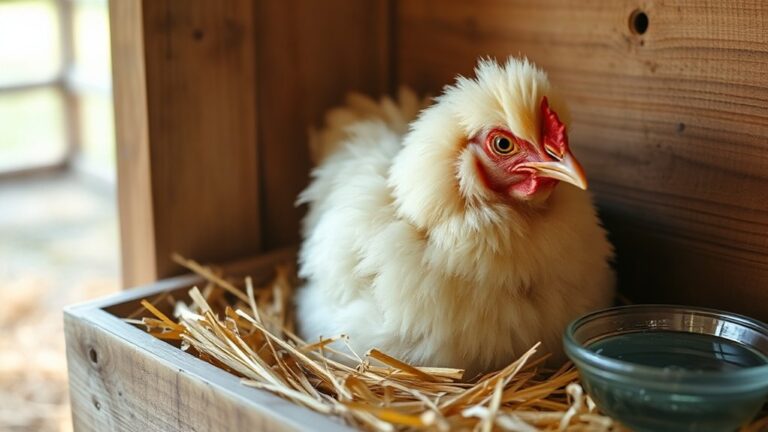
Silkies are a top pick for quiet yards because they’re naturally gentle, mellow, and far less likely to cackle or squabble loudly than many other breeds. If you want calm hens, you’ll appreciate their soft chatter and easygoing silkie temperament. They usually stay relaxed around people, so they fit well in a small backyard flock where noise matters.
For good silkie care, keep things simple:
- Give them a dry, draft-free coop.
- Use clean bedding that stays fluffy and fresh.
- Offer a balanced feed and constant water.
- Handle them gently so they stay comfortable.
You’ll also want to watch for wet feathers after rain or dew, since their silky plumage needs a little extra attention. With regular care and a peaceful routine, Silkies can bring charm, personality, and quiet companionship to your yard without disturbing the neighbors.
Brahmas: Big Birds, Soft Clucks
Brahmas may be massive birds, but they’re surprisingly soft-spoken, making them a smart choice if you want a quieter flock. You’ll notice their calm nature quickly, and their low, gentle clucks rarely carry far. Their Brahma characteristics include feathered legs, a stately build, and a slow, easygoing temperament that suits close neighbors.
| Trait | Why it matters |
|---|---|
| Gentle voice | Less noise in your yard |
| Calm temperament | Easier handling daily |
| Cold hardy | Steady year-round living |
Brahma care stays simple when you give them roomy, dry housing, soft bedding, and secure outdoor space. Because they move slowly, you should place feeders and waterers where they can reach them without crowding. You’ll also want to keep the coop clean, since their heavy feathers can trap mud. With steady attention, these big birds stay content, and your backyard stays pleasantly peaceful.
Wyandottes, Orpingtons, and Australorps
If you like the Brahma’s quiet nature, these three breeds fit the same low-noise goal with a bit more variety in size and style. Wyandottes stay calm in the yard and rarely raise a fuss, while their laced plumage gives you striking Wyandotte colors that look great in any coop.
Orpingtons bring a sweet Orpington temperament; they’re gentle, friendly, and usually content to peck and nap instead of calling out. Australorps also keep noise low, and they reward you with steady Australorp eggs and dependable behavior.
- Wyandottes: sturdy, decorative, and easy to manage.
- Orpingtons: plush, relaxed, and family-friendly.
- Australorps: productive, even-tempered, and quiet.
- Best for: you if you want peaceful hens without sacrificing egg output.
Choose any of these breeds, and you’ll get a backyard flock that fits close neighbors, small spaces, and a calmer daily routine.
Frequently Asked Questions
How Do Coop Designs Affect Chicken Noise Levels?
You can cut chicken noise by shaping the coop well. You’ll notice quieter birds when you add coop insulation and use soundproof materials that absorb clucks and wing flaps. A solid, enclosed layout blocks echoes, while tighter vents and thicker walls reduce outside triggers.
You should also avoid cramped spaces, since stress makes hens louder. Place the coop away from neighbors, and you’ll keep sounds softer overall.
Can Quiet Breeds Still Be Noisy During Egg Laying?
Yes, you can still hear them during egg laying. Even quiet breeds often shout a loud “egg song” after they lay, because that’s part of normal egg laying behavior.
You can’t stop it completely, but you can cut overall noise with noise reduction techniques like keeping hens comfortable, providing enough space, and reducing stress from predators, crowding, or sudden changes. A calmer coop usually means fewer loud surprises, too.
Are Roosters Louder Than Hens in Quiet Chicken Breeds?
Yes, you’ll usually hear roosters above hens, like a trumpet outshouting a flute at dawn. In quiet chicken breeds, rooster behavior still brings crowing, guarding calls, and territorial alerts, so the noise comparison usually favors the hens as calmer.
Hens cluck, chatter, and sing after laying, but roosters tend to be louder and more persistent. If you want peace, you’ll likely prefer hens only for your flock.
Which Quiet Breeds Tolerate Small Urban Yards Best?
You’ll do best with Silkies, Australorps, Orpingtons, and Cochins in small spaces. These urban chicken breeds stay calm, adapt well to confined runs, and usually keep noise down.
You can boost comfort with noise reduction techniques like adding visual barriers, offering shade, and keeping a tidy, enriched coop. Choose hens over roosters, and you’ll usually enjoy quieter, happier birds that fit your yard better.
Do Quiet Chickens Need Different Care Than Loud Breeds?
No, you don’t need separate care, but you do need to match care to temperament and noise sensitivity. You’ll feed, water, and house quiet birds the same way you would louder ones.
You’ll also watch for stress, provide space, and handle them gently. Because calm chickens can still get startled, you should keep routines steady, reduce sudden noise, and choose companions that fit your flock’s chicken temperament.
Conclusion
If you want a peaceful backyard flock, you’ve got plenty of good options. Choose Silkies, Brahmas, Wyandottes, Orpingtons, or Australorps, and you’ll keep the noise down without giving up friendly birds.
You’ll still hear the occasional cluck, but nothing like the fanfare of louder breeds. In your coop, these calm hens are the real MVPs, keeping things serene while you enjoy fresh eggs and a little old-school charm.
When it comes to the 5 quietest chicken breeds for backyard coops, these calm birds are your best bet for a tranquil and enjoyable experience.