Pullets Vs Chicks: 3 Key Differences → **Pullets Vs Chicks: 3 Key Differences
If you’re new to raising poultry, figuring out the difference between pullets and chicks can feel overwhelming. You’re not alone—many people struggle with knowing how to care for these young birds properly as they grow. Understanding their unique needs is key to raising healthy chickens and avoiding common pitfalls.
Pullets vs chicks differ in age, size, and care needs. Chicks are newly hatched, tiny, and highly dependent on warmth, starter feed, and close monitoring.
Pullets are older, larger, and more independent, with fuller feathers, stronger social behavior, and a steady frame. You’ll also need to shift from a brooder and high-protein feed to more space and a grower ration as they mature, and there’s even more to uncover next.
Key Takeaways
- Chicks are newly hatched and need constant warmth. Pullets are older, sturdier young hens nearing maturity.
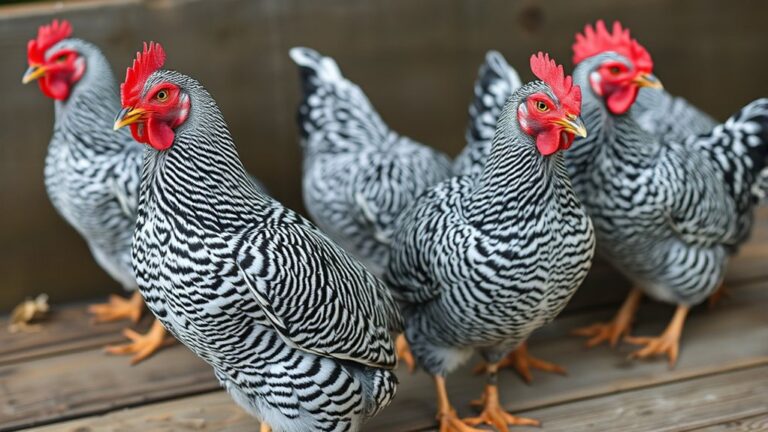
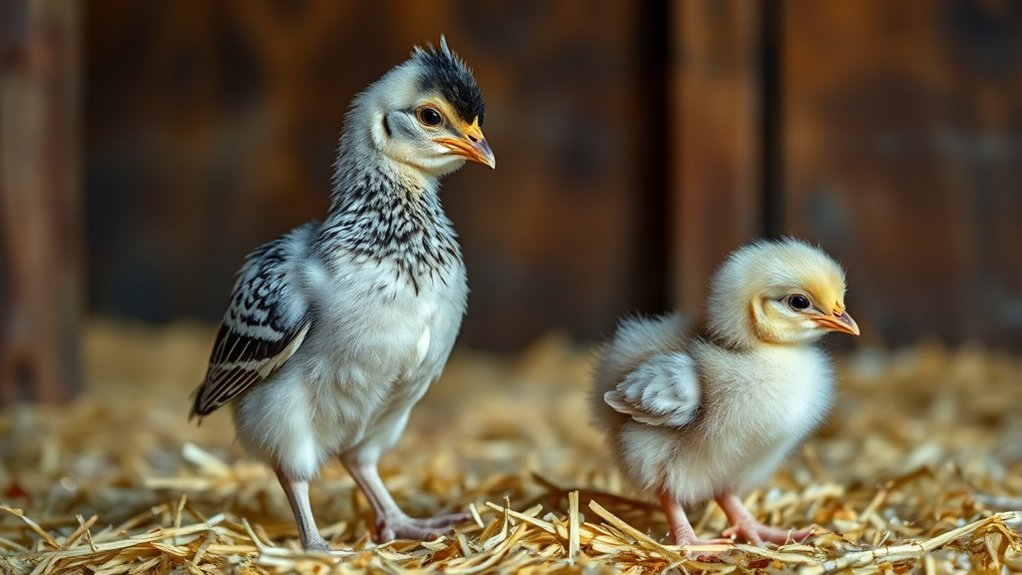
- Chicks are tiny, round, and lightly feathered. Pullets are larger with more developed feathers and comb growth.
- Chicks stay close and depend on simple instincts. Pullets are more independent and show stronger flock social behavior.
- Chicks need high-protein starter feed. Pullets do better on grower feed as they approach laying age.
- Chicks require a heated brooder and close monitoring. Pullets need more space, perches, and steadier housing.
What Sets Pullets Apart From Chicks

Pullets and chicks differ mainly by age and stage of development: chicks are newly hatched young birds, while pullets are immature female chickens that have grown past the chick stage but haven’t started laying eggs yet. When you watch them, you’ll notice pullets act more cautious, independent, and curious than chicks.
Their behavioral traits shift as they investigate, perch, and test boundaries in the flock. Chicks usually stay close together, rely on warmth and protection, and move with simpler instincts. Pullets start fitting into more complex social dynamics, establishing pecking order, competing for space, and responding to flockmates with clearer confidence.
You can also expect pullets to forage more actively and react faster to changes around them. These differences show that pullets aren’t just older chicks; they’re developing adult-like habits and flock awareness that set them apart in everyday behavior.
Pullets Vs. Chicks: Age and Size Differences

Even at a glance, chicks and pullets look different because of their age and size. You’ll notice chicks are tiny, round, and lightly feathered, while pullets are older and noticeably larger. As they move through growth stages, their bodies lengthen, feathers fill in, and their combs begin to show. These developmental milestones help you tell them apart without guessing.
- Chicks usually hatch and spend their first weeks looking fluffy and delicate.
- Pullets are juvenile hens, typically several weeks to months old, and they’ve already gained more weight and structure.
- Size isn’t the only clue; plumage, posture, and overall shape also change as they mature.
If you compare them side by side, you’ll see that pullets have a steadier, more developed frame, while chicks still look compact and babyish. That age gap drives the most obvious differences in appearance.
Pullets Vs. Chicks: Feeding and Care Needs

Their age difference also means their feeding and care needs aren’t the same. Chicks need a starter feed with higher protein, while pullets do better on a grower ration as they approach laying age. You should match feed to their nutritional requirements, or you may slow growth and later egg production.
Clean water matters for both, but chicks need closer monitoring because dehydration hits them fast.
| Stage | Care focus |
|---|---|
| Chicks | Warm brooder, frequent checks, starter feed |
| Pullets | More space, steady growth, grower feed |
You also need to adjust housing needs. Chicks require a draft-free brooder with heat, dry bedding, and safe access to feed. Pullets can move into larger coops with perches, ventilation, and more room to scratch.
If you give each age group what it needs, you’ll raise healthier birds and avoid common setbacks.
Frequently Asked Questions
How Can I Tell if a Pullet Is Ready to Lay Eggs?
You can tell a pullet’s ready to lay eggs when you spot egg laying signs like a reddening comb and wattles, a wider pelvis, and increased interest in nesting boxes. She’ll also eat more, squat when you approach, and act calmer.
Pullet maturity usually happens around 18 to 24 weeks, but breed and care affect timing. Watch her closely, and you’ll notice she’ll start laying soon if everything looks healthy.
Do Pullets and Chicks Have Different Temperament Traits?
Yes, you’ll usually notice different temperament traits between pullets and chicks. In a temperament comparison, chicks tend to be more curious, skittish, and dependent, while pullets often act calmer, more alert, and slightly more independent.
You’ll also see behavioral traits change as they grow, since pullets may establish pecking order habits and handle handling better. Still, breed, socialization, and environment can shape each bird’s personality a lot.
Can Pullets and Chicks Live Together in One Coop?
Yes, you can house pullets and chicks together, though it’s not exactly a peaceful family reunion. You’ll need careful cohabitation tips: give chicks a brooder area, separate feeders, and gradual introductions.
Watch space requirements closely, because pullets can crowd or peck smaller birds. Keep heat and safety in mind, and you’ll reduce stress, injury, and bullying.
With planning, your mixed-age coop can work well and stay calm.
What Breeds Mature Into Pullets Faster Than Others?
Fast maturing breeds like Leghorns, Rhode Island Reds, and Easter Eggers usually reach pullet age sooner than heavier birds. So you’ll see growth and feathering faster.
You’ll also notice strong egg laying potential in breeds bred for production since they often start laying earlier too. If you want quicker results, choose lighter, active breeds and give them good feed, space, and light. Their development can vary with care and genetics.
How Do Vaccinations Differ for Pullets and Chicks?
You vaccinate chicks earlier and more often than pullets because their immune systems need protection fast. Some broiler programs start within 1 day of hatch. You follow vaccination schedules closely for chicks, using spray, water, or injection to prevent disease.
Pullets usually need fewer vaccines, but you still may boost them before laying depending on local risks. Always match your disease prevention plan to age, housing, and vet guidance.
Conclusion
In short, you can spot the difference between pullets and chicks by looking at their age, size, and care needs. Chicks are tiny, fragile, and need constant warmth and attention, while pullets are bigger, tougher, and much closer to laying eggs.
If you’re raising birds, knowing which stage you’ve got helps you feed and care for them the right way. It’s like watching a butterfly emerge from a cocoon. Growth changes everything when it comes to pullets vs chicks.