Egg Float Test: Check Egg Freshness
If you’ve ever cracked open an egg only to find it spoiled, you’re not alone. Many people struggle with knowing whether eggs are still good to use, especially when the expiration date isn’t clear.
Finding a simple and reliable way to test egg freshness can save you from wasted food and unpleasant surprises in your cooking.
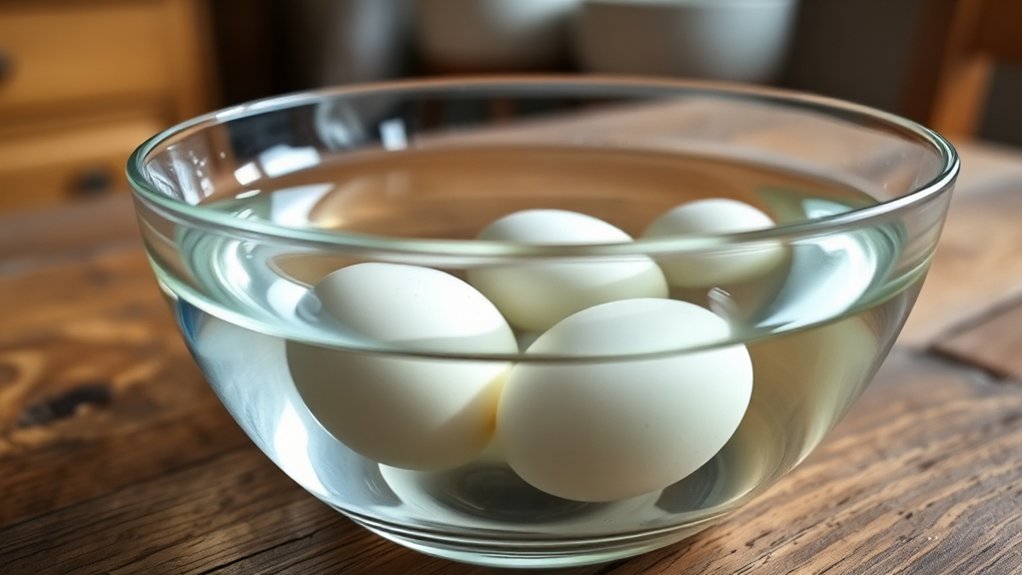
You can check egg freshness with the float test by placing an egg in a bowl of cool water. If it sinks and lies flat, it’s fresh. If it stands upright, it’s older but may still be okay. If it floats, air has entered the shell and the egg may be spoiled. Egg Float Test.
The float test is a helpful first check, but you should still smell and inspect the egg before using it for cooking, especially if you want the full picture.
Key Takeaways
- Fresh eggs usually sink and lie flat in water, which means there’s less air inside the shell.
- Older eggs often stand upright or float because air builds up as moisture and gases exchange through the shell.
- Use cool or room-temperature water in a deep bowl, and gently lower the egg to test it.
- A floating egg isn’t always spoiled. Crack it open and check for odor, sliminess, or discoloration.
- The float test is a helpful guide, but smell, appearance, and proper refrigeration are also important for judging freshness.
What Is the Egg Float Test?

The egg float test is a quick way to check whether an egg is still fresh by placing it in water and observing how it behaves. You use it as a simple freshness check when you want a fast read on egg quality without cracking the shell.
The egg float test quickly checks freshness by seeing how an egg behaves in water.
A fresh egg usually sinks and lies flat, while an older one may stand upright or float higher because air has entered through the shell over time. That movement gives you practical freshness indicators, helping you judge whether the egg still seems usable.
It doesn’t replace smell or appearance, but it can help you make a better decision in your kitchen. If you’re unsure about an egg’s age, this test offers an easy starting point.
You can think of it as a quick snapshot of condition, not a guarantee, but it’s useful for checking eggs before you cook them.
How to Do the Egg Float Test?

Fill a bowl or glass with enough cold water to fully cover the egg. Then, gently place the egg in the water and watch what happens. If it sinks, floats, or even stands upright, you’ll get a pretty good clue about how fresh it is.
Prepare The Water Test
To set up the egg float test, you’ll need a bowl or glass deep enough to fully cover the egg with water. Choose a clean container with enough width so the egg won’t touch the sides too much.
Fill it with cool or room-temperature water; the water temperature should be comfortable and consistent, not hot. Add enough water so the egg can sink or float freely without sticking out.
Use fresh tap water if possible, and avoid adding salt or other ingredients since you want a simple test. Place the container on a flat, stable surface before you begin.
Keep a towel nearby in case of spills, and make sure the egg is dry so you can handle it easily and cleanly.
Observe Egg Behavior
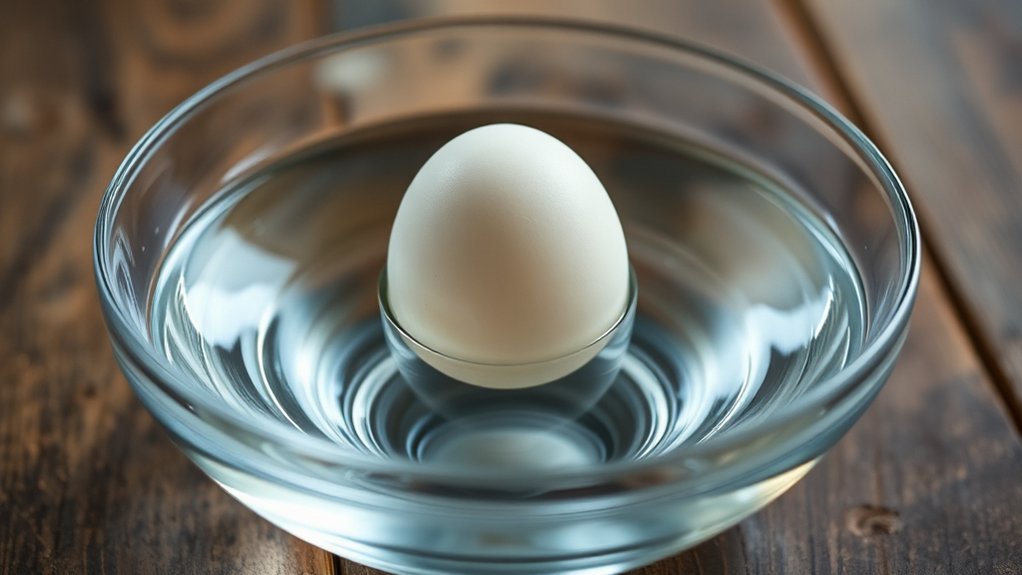
Gently lower the egg into the water and watch what it does right away. You’ll notice egg behavior that tells you a lot about freshness. If it sinks and lies flat on the bottom, it’s fresh and ready to use.
If it sinks but stands upright, it’s still safe, but you should cook it soon. If it floats, don’t use it; air has built up inside, changing its egg buoyancy and signaling spoilage.
Check the egg gently, and don’t shake or crack it in the water. Compare several eggs one by one if needed, so you can spot differences clearly. This simple test helps you judge quality fast, without opening the shell or wasting food.
What a Fresh Egg Looks Like in Water
When you drop a fresh egg into water, it usually sinks straight to the bottom and lies flat on its side. You’ll notice this because the egg appearance stays compact, with a smooth shell and little visible change in shape.
Fresh eggs are denser than the surrounding water, so they don’t need extra air space inside to stay low. That means the egg rests horizontally instead of standing up or drifting.
Fresh eggs are denser than water, so they settle low and rest flat without drifting.
If you watch closely, the water density supports the egg without lifting it, and the egg keeps a steady position near the base of the bowl. You can use this simple test to judge freshness quickly.
A true fresh egg looks solid, heavy, and calm in the water, not oddly buoyant. If it settles flat, you’ve likely got an egg that’s still in good condition for cooking.
What Floating Eggs Mean
If your egg floats, it means air has built up inside the shell as it gets older. Now, that doesn’t always mean it’s spoiled, but it does suggest it’s less fresh than an egg that sinks. You can use this simple test to get an idea of freshness before you crack it open.
Why Eggs Float
Eggs float because, over time, air enters through the shell’s tiny pores and the egg loses moisture and carbon dioxide. This creates a larger air pocket inside. That pocket, called the air cell, changes egg buoyancy and makes the egg easier to lift in water.
When you place an egg in a bowl, the extra trapped air reduces its density, so it rises instead of sinking. You’re not seeing magic; you’re seeing natural gas exchange through the shell.
As the air cell grows, the egg becomes more buoyant and may tilt or stand upright. If it floats, you know the internal structure has shifted enough to affect how it behaves in water, which is why the float test works so well for quick checks.
Freshness vs. Age
A floating egg usually means it’s old, but not always spoiled. As eggs age, air slips through the shell and the air cell grows, so the egg becomes more buoyant. You can use the float test to judge freshness, but you shouldn’t treat it as a guarantee of safety.
Fresh egg characteristics include a firm white, a tall yolk, and a low air cell, so a very fresh egg often sinks and lies flat. During the aging process, moisture leaves the shell and gas enters, which changes how the egg behaves in water.
If an egg floats high, crack it into a separate bowl and check for odor, color, and texture before you cook it.
Why Eggs Float
When eggs start to float, it usually means they’ve gotten older and more air has seeped through the shell over time. As moisture and carbon dioxide escape, the air cell inside grows larger, which lowers egg buoyancy and makes the egg less dense than water.
You can think of it as a tiny balance shift: the shell still looks solid, but the contents inside become lighter relative to the water around it. That’s why a fresh egg sinks, while an older one may tilt upward or rise. You’re not seeing magic; you’re seeing density in action.
Temperature changes and storage conditions can speed this process by affecting how quickly gases move through the shell. So, when you test an egg in water, floating simply tells you the egg has changed internally over time, not that anything is visible from the outside.
Signs an Egg Should Be Tossed
If an egg smells rotten, that’s the clearest sign it should go straight in the trash. You should also toss any egg with cracked shells because bacteria can slip inside through the break.
If you notice an unusual odor when you crack the egg open, don’t taste it to “check”; discard it immediately. You should look for slimy whites, pink, green, or black discoloration, and a yolk that’s flattened or leaking.
If the shell feels powdery, sticky, or has visible mold, skip it. You can’t rely on appearance alone, so use your senses together. When an egg has been stored badly, it may look normal but still spoil.
If you’re unsure, choose safety over waste and throw it out. Fresh eggs shouldn’t make you hesitate, but spoiled ones often give you clear warning signs before you cook them.
Does the Egg Float Test Work?
Yes, the egg float test can help you judge freshness, but it isn’t perfect. When you place an egg in water, you’re checking how much air has entered the shell over time. A fresh egg usually sinks and lies flat, while an older egg may stand upright or float.
That makes the test useful as a quick screen, especially when you want a simple check before cooking. Still, float test accuracy depends on storage conditions, shell quality, and how long the egg has been sitting. You can’t use it to measure exact age, but you can use it to estimate egg lifespan in a practical way.
If an egg floats, you should treat it as older and examine it more carefully before using it. If it sinks, you’ve got a better sign that it’s still within a safe freshness window and likely fine for everyday recipes.
When the Float Test Isn’t Enough
Still, the float test only tells you so much, because an egg can sink and still be past its prime, especially if it has been stored poorly or for too long. You should treat it as one clue, not a final verdict.
After you crack the egg open, look at the yolk and white. If the white looks watery, the yolk breaks easily, or the egg spreads too thin, freshness may be slipping. Trust your nose too: unusual odors often mean spoilage, even when the shell looked normal.
Check for cracked shells before you buy or use eggs, since damage can let bacteria enter. If the egg seems off in any way, don’t risk it. Cooking won’t fix every problem, and you deserve safer results in your kitchen.
When you combine the float test with sight, smell, and common sense, you make a smarter decision about whether to keep or toss the egg.
How to Store Eggs Longer
To keep eggs fresh longer, store them in the coldest part of your refrigerator, not in the door where temperatures swing each time it opens. Keep them in their original carton, which shields them from odors and moisture loss while helping you track the date.
Store eggs in the coldest part of your fridge, not the door, and keep them in their original carton.
Use egg refrigeration consistently at 40°F or below, and avoid leaving eggs out on the counter for long periods after shopping or cooking. Place the carton on a middle or back shelf, away from the walls if they freeze items.
Don’t wash eggs before storing them; the natural coating helps protect the shell. If you crack eggs into a container, cover and refrigerate them right away.
Check the carton date and rotate older eggs first so you can stay ahead of egg expiration. With steady cold storage, you’ll preserve texture, reduce spoilage, and get more reliable results from your freshness tests.
Other Ways to Check Egg Freshness
If you want more than the float test, you can also check an egg’s freshness by cracking it into a bowl and looking for clear signs. A fresh egg has a tall yolk, firm white, and little spread. If the white runs thin or the yolk flattens quickly, the egg is older.
You should also trust your nose. A bad egg usually gives off a strong sulfur-like egg odor, even before you cook it. If anything smells off, throw it out. Check the shell, too: cracks, slime, or powdery spots can mean bacteria got in.
Always compare the date on the carton with your egg shelf life, but keep in mind that storage matters just as much. Keep eggs cold, and use your senses before cooking. When in doubt, don’t taste-test a questionable egg. Safety matters more than saving a few cents, and a careful check takes only seconds.
Frequently Asked Questions
Can the Float Test Be Used on Cooked Eggs?
No, you shouldn’t use the float test on cooked eggs. Once you boil or bake an egg, you change its cooked egg density and alter the air pocket. So, egg buoyancy factors no longer tell you freshness.
You can still float a cooked egg, but the result won’t reliably mean anything about age or safety. Instead, check the smell, texture, and appearance before you eat it.
Does Egg Size Affect How Eggs Float?
Yes, egg size can affect how eggs float a little. You’ll notice larger eggs may seem more buoyant because they often have a bigger air cell, which changes egg buoyancy. But size alone doesn’t determine the result.
What matters more is the egg’s age and shell condition. You can compare eggs of the same size for a fairer check, but floating still mainly reflects air cell growth over time.
Should Eggs Be Washed Before Testing Them?
No, you shouldn’t wash eggs before testing them. Washing can strip away the natural bloom, like peeling off a tiny shield, and let water or bacteria slip through the shell.
You’ll get better results if you test the egg as it is. Egg washing can affect freshness, so skip it before using common testing methods like the float test.
If the shell’s dirty, wipe it gently with a dry cloth first.
Can Cracked Eggs Still Pass the Float Test?
No, you shouldn’t rely on a cracked egg to pass the float test. A crack can let air and bacteria in, so cracked egg freshness becomes harder to judge and float test reliability drops.
You might see a normal sink result, yet the egg could still be unsafe. If you spot any crack, toss it or use it right away, and always check smell, texture, and appearance too.
Is the Float Test Safe for All Egg Types?
No, you shouldn’t treat the float test as universal for every egg type. Like a weather vane, it can point you in the right direction, but it isn’t foolproof.
You’ll see float variations among chicken, duck, quail, and store-bought eggs, so use caution. Don’t test cracked or dirty shells, and avoid relying on it for specialty eggs alone.
When in doubt, check smell, shell condition, and expiration dates too.
Conclusion
Now you know how to use the egg float test to judge freshness with a simple bowl of water. Watch for the gentle sink of a fresh egg, the slow rise of an older one, and the warning float of a spoiled egg.
Trust your senses too, because cracks, odors, and long storage matter. With a little care, you can keep your eggs fresher longer and cook with confidence every time using the egg float test.