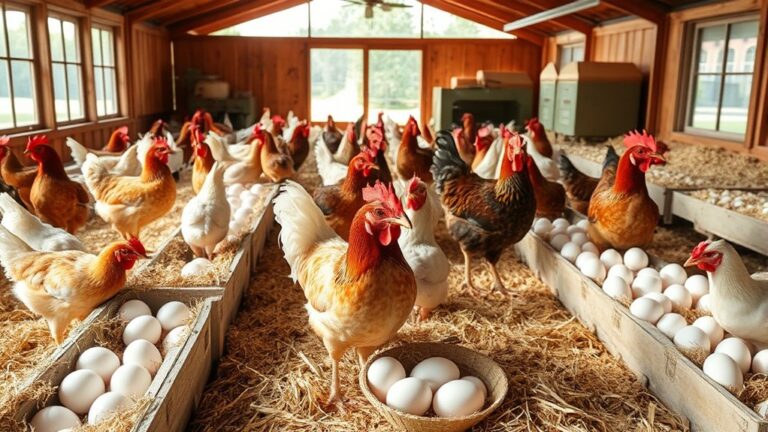
What Is a Lockdown Incubator?
If you’ve ever tried hatching eggs, you know how tricky it can be to get the conditions just right for those little chicks to emerge healthy and strong. You’re not alone—many people struggle with maintaining the perfect environment during the final stages of incubation.
Finding a reliable lockdown incubator can make all the difference in ensuring a successful hatch.
A lockdown incubator is the final stage of egg incubation, when you stop turning the eggs and keep the environment steady so hatching can begin safely. You use it to hold warmth, humidity, and airflow at stable levels, which helps embryos stay calm, avoid stress, and hatch properly.
It’s especially important for chickens and other species that need precise conditions.
If you keep going, you’ll see how to set it up and avoid common mistakes.
Key Takeaways
- A lockdown incubator is a controlled environment that keeps eggs warm, humid, and undisturbed during the final stage before hatching. It helps protect developing embryos and supports chicks in hatching successfully by maintaining stable conditions.
- During lockdown, egg turning stops so the chick can settle into the proper hatching position. Temperature and humidity must stay consistent, and you should open the incubator door as little as possible to avoid disruption.
- It’s often used for poultry eggs, especially around day 18 for chicken eggs, when hatching is near.
What Is a Lockdown Incubator?
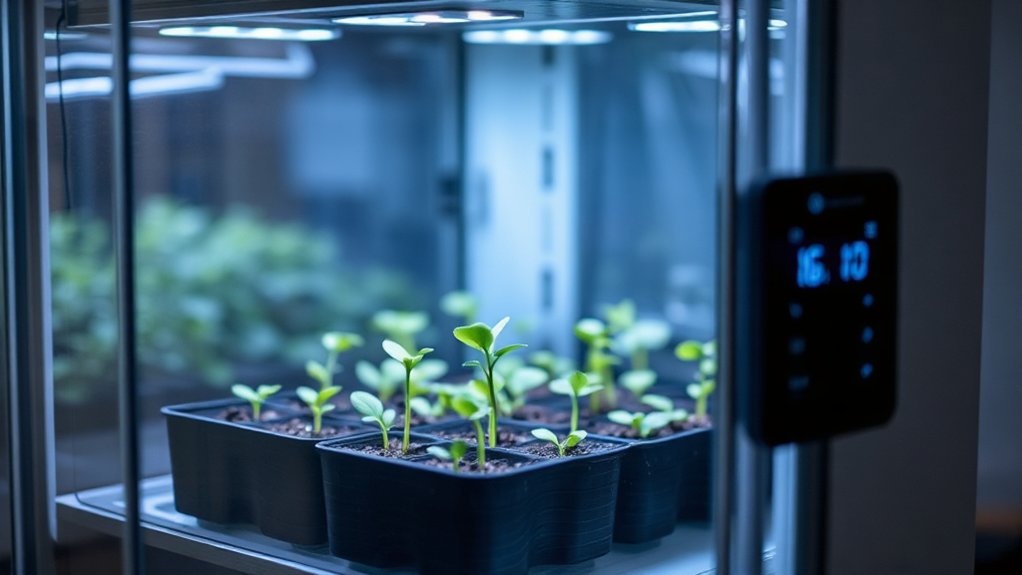
A lockdown incubator is a secure, controlled incubator designed to keep eggs or newborn animals protected in a restricted environment. You use it to create steady warmth, humidity, and airflow while supporting delicate egg development.
Unlike a standard incubator, it reduces disturbance and helps you manage the final stage of incubation with greater precision. The chamber often includes trays, sensors, and vents that let you fine-tune conditions without exposing the contents to sudden changes.
It reduces disturbance and lets you fine-tune incubation conditions without exposing contents to sudden changes.
When you follow proven hatching techniques, you improve consistency and lower the risk of stress on embryos or hatchlings. You can rely on it for poultry, reptiles, or other species that need stable conditions near the end of incubation.
Its main purpose is simple: give you a safer, more controlled space for successful hatching while keeping the environment as consistent as possible throughout critical moments.
When to Use a Lockdown Incubator
You should use a lockdown incubator whenever you need emergency isolation for a contaminated or at-risk sample. It’s especially useful during an outbreak because it helps contain materials, reducing the spread and protecting your workspace. Plus, if your sample is fragile, the locked environment provides the steady protection it needs to stay safe.
Emergency Isolation Cases
When a patient’s condition suddenly becomes unstable, a lockdown incubator can provide the controlled, isolated environment needed to protect them during an emergency. You use it when you must limit movement, reduce exposure, and keep care tightly managed. It helps you respond fast while maintaining safety and order.
- You follow emergency protocols to secure the patient quickly.
- You use isolation procedures when direct contact needs strict control.
- You monitor essential signs without opening the unit unnecessarily.
- You coordinate with clinical staff to stabilize treatment and transfer plans.
In these cases, the incubator gives you a protected space for urgent intervention. It supports focused care, minimizes disruption, and helps you act decisively when every second counts.
Containment During Outbreaks
During an outbreak, a lockdown incubator helps you contain infection by creating a tightly controlled space for vulnerable patients. You use it when you need strict separation from other patients, staff, or visitors, especially if you’re following quarantine protocols in a crowded unit.
It supports outbreak management by limiting exposure while still letting you monitor and care for the patient safely. You can isolate individuals quickly, reduce cross-contamination, and keep movement in and out of the area under control.
This matters when symptoms spread fast or when your facility can’t rely on standard rooms alone. By using a lockdown incubator at the right time, you strengthen containment, protect nearby patients, and give your team a clearer, safer response during a developing health event.
Fragile Sample Protection
A lockdown incubator is also useful for fragile samples that can’t tolerate shifts in temperature, vibration, or contamination. You use it when sample handling must stay tightly controlled from start to finish, because even small disturbances can ruin results.
Strong environmental controls help you protect delicate cultures, reagents, and specimens during transport, storage, or processing.
- Keep temperature steady for heat-sensitive materials.
- Reduce vibration that can disrupt cell growth.
- Limit exposure to airborne contaminants.
- Maintain consistent conditions during critical assays.
When you need reliable protection, this equipment gives you a stable, enclosed space that supports accuracy and preserves sample integrity without extra risk.
How a Lockdown Incubator Works
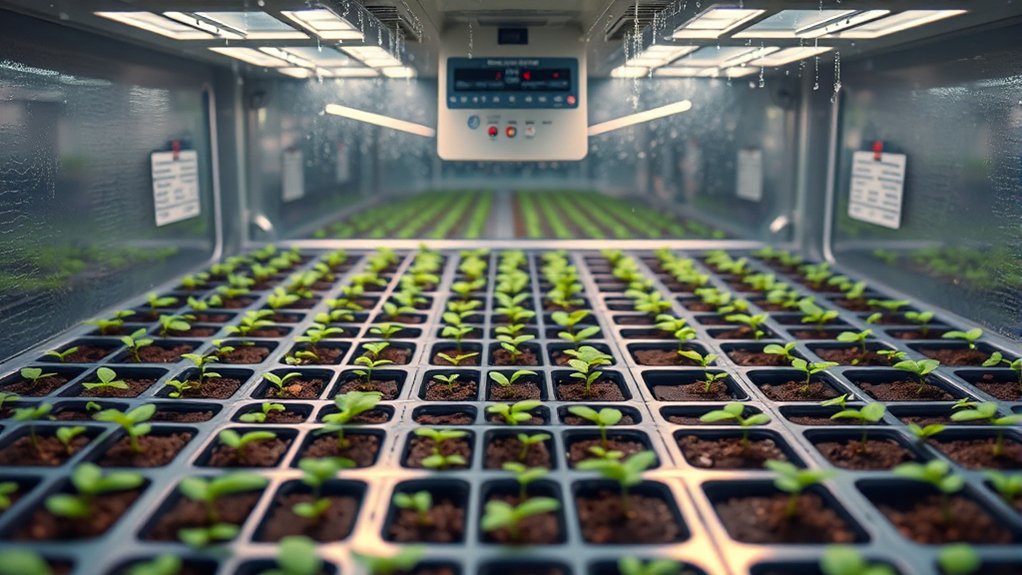
A lockdown incubator keeps your eggs at a steady temperature and humidity, all while gently turning them on a set schedule. This steady routine helps your eggs develop just right from start to finish. Plus, it comes with key safety features that step in to protect your eggs if conditions change or if something goes wrong along the way.
Core Incubation Process
When you place eggs in a lockdown incubator, the machine takes over the controlled environment that supports development from start to hatch. You set the eggs on the tray, and the incubator design keeps them steady while temperature regulation holds conditions within a narrow range. This consistency lets the embryo keep growing without interruption.
- You maintain steady warmth for normal development.
- You keep humidity balanced so membranes don’t dry out.
- You turn eggs during earlier stages, then stop before hatch.
- You watch for pipping and let hatching begin naturally.
At this stage, your job shifts from managing movement to preserving a calm, stable environment. The incubator does the work, and you simply monitor progress until chicks emerge.
Key Safety Features
As hatch time approaches, a lockdown incubator adds safety features that protect eggs while giving chicks the best chance to emerge on their own. You rely on strict safety protocols to stop unnecessary handling and reduce stress.
Precise temperature control keeps embryos stable, while humidity management softens shells and membranes so chicks can pip through safely. Good ventilation systems supply fresh air and remove excess heat and carbon dioxide.
You also use monitoring systems to track readings continuously, alerting you before problems grow serious. Strong biosecurity measures help you limit contamination by cleaning tools, washing hands, and keeping the incubator sealed.
When these features work together, you create a controlled, safer space that supports healthy hatching without interfering with nature’s timing.
Lockdown Incubator Temperature and Humidity
During lockdown, steady temperature and humidity matter more than almost anything else, because tiny shifts can affect the embryo’s final development and the chick’s ability to hatch cleanly. You should keep temperature control consistent since overheating or cooling can weaken hatch success fast.
Good humidity regulation also helps the chick position itself and soften the shell membrane at the right time.
- Hold the incubator at the recommended setting and avoid frequent door openings.
- Check your thermometer and hygrometer against reliable readings.
- Watch for sudden drops from room drafts, power issues, or overfilling water trays.
- Adjust only in small steps so you don’t create another problem.
When you manage both factors carefully, you give each egg a stable final stretch. That stability supports healthy hatching, reduces stress, and helps you protect your hatch rate without extra guesswork.
How to Prepare Eggs for Lockdown
Before lockdown starts, you’ll want to get every egg ready so the final days stay stable and low-stress. Check each shell for cracks, chips, or odd shapes, and remove anything that looks damaged.
Use a pencil, not ink, to mark each egg if you need to track position or turn patterns. Handle them gently and keep your hands clean so you don’t transfer dirt or oils.
During egg preparation, avoid washing unless you truly must, because scrubbing can remove the protective bloom. If an egg is dirty, brush off loose debris with a dry cloth or fine sandpaper.
Let the eggs rest at room temperature before placing them in lockdown, so they don’t cool too quickly. Keep an eye on humidity levels, since stable air helps prevent membrane drying.
Once you finish, move quickly and calmly so the eggs stay safe and ready for hatching.
How to Set Up a Lockdown Incubator
Set the lockdown incubator up before you move the eggs in, so everything is ready when hatching begins. Clean and inspect every part, because good incubator maintenance lowers the risk of contamination and equipment failure.
Then place the unit in a stable room away from drafts, direct sunlight, and vibration, since temperature regulation works best in a steady environment. Fill the water channels to hold humidity, but don’t overdo it.
- Set the thermostat and verify it with a reliable separate thermometer.
- Calibrate the fan and vents so warm air circulates evenly.
- Test the egg trays or floor liner to guarantee they stay level and dry.
- Run the incubator for several hours and confirm stable readings before loading eggs.
When the settings hold steady, you can move the eggs in with confidence and keep conditions consistent through hatching.
Stop Turning Eggs at Lockdown
When lockdown starts, you stop turning the eggs so the chicks can settle into the right position for hatching. This step is important because if you keep turning, it can confuse their development and lower the chances of a successful hatch.
Why Lockdown Matters
Once lockdown begins, you need to stop turning the eggs because the chick is getting into the final position for hatching. This is where lockdown importance becomes clear: you protect the embryo from stress and let development finish smoothly. Good incubation timing helps you shift from routine care to stillness at the right moment.
- You keep the air cells stable.
- You reduce the risk of misalignment.
- You support the chick’s hatching posture.
- You let nature complete the process.
At this stage, your focus changes from management to patience. By honoring lockdown, you give each egg the best chance to hatch safely and on time.
Stop Turning Eggs
When lockdown begins, you should stop turning the eggs so the chick can settle into the correct hatching position. Turning after this point can disrupt egg development and make hatching harder.
At this stage, you’re protecting the air cell, helping the chick orient its head toward it, and giving it the best chance to pip and unzip successfully. Good incubation techniques always include a clear stop point for turning, usually around day 18 for chicken eggs, though the timing can vary by species.
Once you stop, keep the incubator closed as much as possible, maintain steady temperature and humidity, and let the embryo finish developing undisturbed. Your job now is simple: remove the rollers, mark the eggs, and avoid any extra movement until hatch time.
Common Lockdown Incubator Mistakes
Even with a well-designed lockdown incubator, small mistakes can quickly affect hatch rates and chick health. You might forget routine incubator maintenance, and dust, dried membrane, or dirty trays can throw off temperature and airflow.
Even a well-designed lockdown incubator can falter if dust and dirty trays disrupt temperature and airflow.
You also shouldn’t keep using egg candling too late because extra handling can cool eggs and stress embryos. Another common mistake is opening the incubator too often. Each rush of air lowers humidity and slows the stable conditions chicks need.
Finally, don’t place eggs unevenly since crowded or tilted eggs won’t receive the same warmth.
- Clean and test your incubator before lockdown.
- Stop candling unless you truly need a check.
- Keep the lid closed and trust the settings.
- Arrange eggs with enough space for even circulation.
If you avoid these errors, you give chicks a safer, steadier start and improve your chances of a strong hatch.
Signs Hatching Is About To Start
As hatching gets close, you’ll start noticing a few clear changes in the eggs and chicks inside. The eggs may shift slightly, and you might see more movement when you gently observe them. During egg candling, the air cell often looks larger, and the chick can fill most of the shell.
You may also notice the eggs wiggle a little as the chicks adjust for the final hatch. This stage often brings hatching behavior like pipping, where the chick breaks the shell with its beak. You might hear faint tapping, peeping, or scratching sounds from inside the incubator.
Some eggs can appear damp or sweaty as the chick prepares to emerge. The eggshell may also show tiny cracks near the air cell. When these signs appear, keep the incubator closed unless necessary. Stable conditions help the hatch progress smoothly and reduce stress on the developing chicks.
Care for Chicks After Hatching
Once the chicks have fully hatched and are dry, move them to a clean, warm brooder with fresh bedding, easy access to water, and starter feed. You should keep the brooder at about 95°F during the first week, then lower the temperature gradually each week.
Watch your chicks closely for huddling, panting, or loud chirping since these signs tell you the heat is off. Good chick care means you check water daily, keep feeders filled, and prevent wet bedding.
Follow a steady feeding schedule so each chick learns when to eat and drink.
- Use chick-sized waterers to reduce spills.
- Offer a high-protein starter crumble.
- Clean the brooder often to limit illness.
- Handle chicks gently so they stay calm.
Frequently Asked Questions
What Size Lockdown Incubator Do I Need?
You need a lockdown incubator sized for your egg count, with a bit of extra room for airflow and turning trays. Check the incubator capacity first, then match it to your batch size.
If you plan larger egg hatching runs, choose a model that can hold more eggs than you currently set. Don’t cram eggs together; you’ll improve hatch rates and make lockdown management easier during the final days.
Can I Use a Lockdown Incubator for Multiple Bird Species?
Yes, you can use one incubator for multiple bird species if you match species compatibility and adjust incubation techniques carefully. You’ll need to separate eggs by size, temperature, humidity, and hatch timing because different birds demand different conditions.
Watch each batch closely, and don’t mix species with very different needs in the same lockdown period. Smart setup, steady monitoring, and species-specific settings help you hatch successfully.
How Long Can Eggs Stay in Lockdown?
Eggs can stay in lockdown for the last 2 to 3 days before hatching, and you shouldn’t open the incubator unless you must. You’ll want to keep humidity levels high since that helps prevent membranes from drying out and supports egg viability.
Once pipping starts, leave the eggs alone and let chicks hatch on their own. If hatching runs long, keep conditions steady and avoid sudden drops in moisture.
Do I Need to Clean the Incubator During Lockdown?
No, you usually shouldn’t clean the incubator during lockdown unless you notice a problem. You might think extra cleaning improves egg hygiene, but opening it can drop humidity and hurt hatch rates.
Instead, follow smart incubation tips: keep the lid closed, avoid spraying cleaners near eggs, and only remove obvious debris if you can do it fast. After chicks hatch, you can clean and disinfect the incubator thoroughly.
Can a Lockdown Incubator Run Without Electricity?
No, you can’t safely run a lockdown incubator without electricity for long. You need steady heat retention and humidity control to keep eggs developing and hatching properly.
If power goes out briefly, you can insulate the unit, cover vents, and avoid opening it. But you’ll still risk temperature drops fast.
For longer outages, use a backup generator, battery system, or alternative heat source to protect your hatch.
Conclusion
A lockdown incubator is your hatch’s final fortress, where you stop turning, lock in steady warmth and humidity, and let nature do its magic. When you prep your eggs right, avoid common mistakes, and watch for those first tiny cracks, you’re setting yourself up for a burst of fuzzy new life.
Keep calm, keep conditions steady, and you’ll give your chicks the best possible start the moment they pip, zip, and break free in your lockdown incubator.