
How Much Does It Cost to Raise Chickens?
If you’ve ever thought about raising chickens but felt overwhelmed by the costs, you’re not alone. Many people struggle with figuring out how much they’ll really spend to keep a happy, healthy flock. It’s a common concern whether you want fresh eggs or just enjoy having backyard birds.
Raising chickens can cost just a few hundred dollars a year for a small flock, but your total depends on the birds you choose, the coop you build, and how much feed and care they need.
Chicks are cheapest up front, while pullets and hens cost more but give eggs sooner. You’ll also pay for fencing, bedding, health care, and repairs. How Much Does It Cost to Raise Chickens.
Smart budgeting can lower costs, and a few simple choices make a big difference when you plan ahead.
Key Takeaways
- Startup costs include chicks, pullets, or hens, plus coop materials, fencing, nesting boxes, waterers, and bedding.
- Chicks cost less upfront, while pullets and mature hens cost more but provide eggs sooner.
- Feed is usually the biggest ongoing expense, often about $20 to $60 per month for laying hens.
- Health care, bedding, grit, and seasonal maintenance add recurring yearly costs.
- Small flocks may cost a few hundred dollars yearly, but larger flocks and repairs increase expenses significantly.
How Much Does It Cost to Raise Chickens?

So, how much does it cost to raise chickens? Your total depends on chicken breeds, egg production goals, feed types, coop designs, and local regulations. You’ll face startup expenses for fencing, nesting boxes, waterers, and bedding, plus ongoing costs for feed, grit, and seasonal care.
If you choose higher-producing birds, you may spend more upfront, but you could get more eggs over time. Simple coop designs can keep costs down, while insulated builds cost more yet protect birds in harsh weather.
Chicken behavior also matters: active flocks need more space, enrichment, and cleanup, which can raise your budget. Expect prices to vary by region, and check permits before you buy anything.
You can keep expenses manageable by comparing supplies, buying in bulk, and planning for yearly maintenance.
Chick Starter Costs: Chicks, Pullets, or Hens
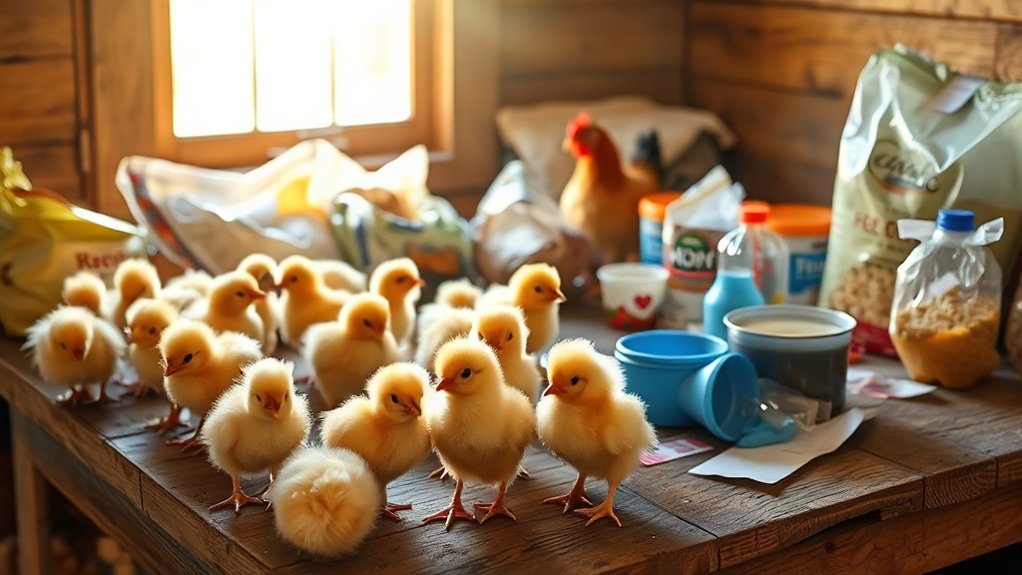
One of the biggest choices affecting your budget is whether you buy chicks, pullets, or mature hens. Chicks usually cost the least upfront, but you’ll spend more time and money guiding chick growth through brooding, feed, and careful monitoring. That lower price can look appealing if you’re comfortable waiting months for eggs.
Pullets cost more because they’re closer to laying age, so you skip much of the early care and get eggs sooner. Mature hens cost the most, but you can collect eggs almost right away.
Your breed selection also changes starter costs. Rare, high-production, or heritage breeds often cost more than common layers, and some sellers charge extra for sexing or vaccination status.
If you want the cheapest entry point, chicks make sense. If you want faster returns and less waiting, pullets may fit better. Mature hens offer convenience, but they usually carry the highest purchase price and lowest long-term savings overall.
Small Chicken Coop Costs
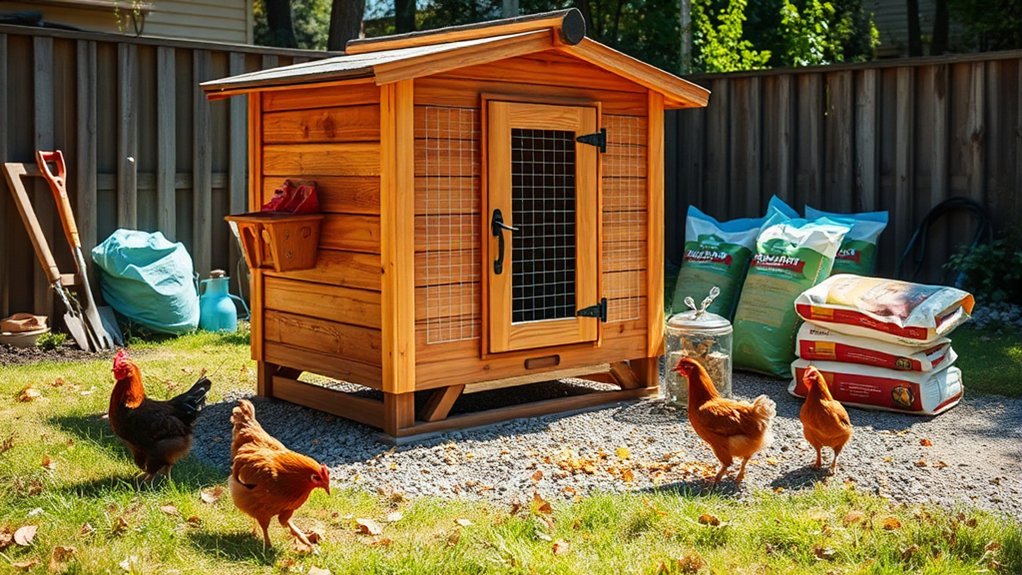
When you build a small chicken coop, the biggest costs usually come from the materials you pick for the frame, siding, roofing, and hardware. You know, those basics really add up.
Plus, if you decide to add proper ventilation to keep the air moving or insulation to help regulate the temperature, you might spend a bit more. But honestly, these upgrades can be worth it—they often make your coop safer and more durable in the long run.
Coop Materials Costs
A small chicken coop can be one of the biggest startup costs when you begin raising hens, and the price depends mostly on size, materials, and whether you build it yourself or buy a ready-made model. Your coop design shapes costs fast, because simple plans use less lumber and hardware.
Smart material choices also matter since treated wood, wire, roofing, and fasteners add up. If you choose DIY options, you can save money by sourcing reclaimed supplies, but you’ll still need sturdy predator proofing and checks for local regulations.
Keep in mind:
- Smaller coop size lowers lumber needs
- Basic framing cuts labor
- Quality hardware raises durability
- Upfront spending can reduce maintenance costs
- Insulation types affect winter-ready builds
Ventilation And Insulation
Good airflow and insulation can add a noticeable amount to a small chicken coop budget, but they’re worth it because they protect your flock and reduce long-term problems. You’ll pay more upfront for quality ventilation systems and insulation materials, but you’ll avoid damp bedding, frostbite, and heat stress later.
| Upgrade | Cost Impact |
|---|---|
| Roof vents | Low to moderate |
| Windows or louvers | Moderate |
| Fans | Moderate to high |
| Insulation panels | Moderate |
| Weather sealing | Low |
When you invest wisely, you give your birds a safer, calmer home and yourself fewer expensive repairs. Good design also helps your coop smell better, stay drier, and last longer through harsh seasons.
Run, Fencing, and Predator Protection Costs
Building a secure run is one of the biggest upfront costs in raising chickens, and it often matters more than the coop itself. Your run installation budget depends on size, ground conditions, and the fencing materials you choose. Basic welded wire costs less, while hardware cloth offers better coop security and lasts longer.
You’ll also need gates, posts, and hardware that won’t bend or rust.
- Hardware cloth for exposed areas
- Galvanized posts and brackets
- Buried skirting to stop diggers
- Roof netting or wire overhead
- Locks, latches, and predator deterrents
Expect to spend more if raccoons, dogs, hawks, or foxes are common near you. Good predator deterrents can include motion lights, electric fencing, and reinforced corners.
If you already have a fenced yard, you may cut costs, but you still need to upgrade weak spots. Skimping here can lead to losses, so treat protection as essential, not optional.
Monthly Chicken Feed Costs
Feed is usually your biggest ongoing chicken expense, and it’ll vary based on flock size, bird age, and the type of feed you buy. You can expect laying hens to eat about a quarter pound of feed each per day, so a small backyard flock may cost $20 to $60 a month, while larger flocks quickly push that higher.
Chicks and pullets often eat more starter or grower feed by weight as they develop, and that can raise your bill during the first few months. If you choose organic feed, plan for a higher monthly cost because premium formulas often price above standard rations. Bulk purchasing can lower your per-pound cost, especially if you have storage space and use feed before it loses freshness.
To keep expenses predictable, compare brands, watch for waste, and match the feed to your birds’ life stage so you’re not overspending on nutrients they don’t need.
Bedding, Waterers, and Coop Supplies
Bedding, waterers, and coop supplies are smaller costs than feed, but they still add up over time. You’ll spend on bedding types, durable waterers, and a few basics that keep your coop tidy and efficient. Cheap gear often wears out fast, so buy sturdy items that reduce replacement costs and support coop maintenance.
- Pine shavings, straw, or hemp bedding
- Waterers that limit spills and keep water quality high
- Nesting materials like clean straw or shavings
- Feeding stations that cut waste
- Cleaning supplies for routine coop maintenance
You’ll also need to refresh bedding and nesting materials regularly, especially in damp weather. If you choose washable waterers and easy-clean feeding stations, you’ll save time and money. Budget a little each month for replacements because small purchases can quietly become a steady expense in your chicken-keeping costs.
Chicken Health Costs: Vaccines, Meds, and Vet Care
Chicken health costs can be unpredictable, and they often catch new keepers off guard. You’ll usually spend the most on prevention, not treatment, when you choose the right vaccine types for your flock and follow a basic health plan.
Depending on your birds and local risks, you may need Marek’s, coccidiosis, or respiratory vaccine types, plus routine deworming or other medication options when illness shows up. You should also budget for vet visits, especially if you’re raising rare breeds, treating a stubborn infection, or need lab testing to confirm a problem.
Good health monitoring helps you catch issues early, so you can act before a minor concern becomes a bigger bill. Watch appetite, droppings, breathing, and egg laying, and keep records of any symptoms.
With steady care and prompt attention, you can keep chicken health costs manageable and protect your flock’s productivity without overspending.
Unexpected Chicken-Keeping Expenses
Even the best-planned coop budget can take a hit from surprise costs, like a broken waterer, predator damage, sudden repairs, or a hen that needs urgent care. You can’t predict every hiccup, so leave room for unexpected repairs and hidden fees that show up when you least expect them.
Replacement latches, hinges, or wire
Storm cleanup and debris removal
Extra bedding after a spill or leak
Emergency transport for a sick bird
Miscellaneous tools, fasteners, or tarps
These small expenses add up fast, especially when you’re already buying feed and supplies. If you spot weak points early, you can lower the odds of bigger losses later. Keep a small reserve for quick fixes, and check your coop, run, and fencing often.
Small expenses add up fast, so catch weak spots early and keep a reserve for quick fixes.
You’ll save money, reduce stress, and keep your flock safer when something goes wrong.
How Much Does It Cost to Raise Chickens Yearly?
Once you’ve budgeted for surprise repairs and emergency fixes, it helps to look at the bigger picture: the yearly cost of keeping chickens. Your yearly expenses usually include feed, bedding, routine health care, and basic coop upkeep.
For a small flock, you might spend a few hundred dollars, while larger flocks can push that total much higher. Feed often takes the biggest share, especially if your hens lay year-round. Bedding, grit, and occasional supplements add to the total, and you’ll also want to account for vaccines, deworming, and replacement parts.
Your climate matters too, since cold winters or wet seasons can increase costs. Good budgeting strategies help you plan for these recurring needs without surprises. Track what you spend each month, then multiply that pattern across a full year. That gives you a realistic estimate and shows whether chicken keeping fits your household budget.
Ways to Lower Chicken-Keeping Costs
You can trim chicken-keeping costs by making a few smart choices from the start. Buy a sturdy coop once, then maintain it so you don’t replace broken parts later. Use cost-saving tips like repurposing clean scraps for bedding, collecting kitchen greens, and growing a small patch of feed-friendly plants.
Bulk purchasing helps you cut prices on feed, grit, and supplements, especially if you split orders with neighbors.
Buy feed, grit, and supplements in bulk, and split orders with neighbors to save more.
Choose hardy breeds that eat less and lay reliably. Build simple fencing with reclaimed materials. Store feed in sealed bins to prevent spoilage and pests. Keep a basic health kit to catch problems early. Reuse waterers and feeders instead of buying extras.
You’ll also save money by limiting impulse purchases and tracking what your flock actually uses each month. Small efficiencies add up fast, and they make chicken keeping far more affordable over time.
Frequently Asked Questions
How Many Chickens Should a Beginner Start With?
You should start with 3 to 6 chickens. That gives you enough eggs to learn without overwhelming you. Choose calm chicken breeds, like Buff Orpingtons or Rhode Island Reds, and match your coop design to their size and needs.
Make sure you’ve got space, nesting boxes, and easy cleaning access. Fewer birds mean you can spot problems fast, build confidence, and enjoy the routine without feeling swamped.
Do Hens Lay Eggs Year-Round?
Yes, hens can lay eggs year-round, but your egg production usually dips during winter. You’ll see seasonal variations because daylight, breed, age, health, and molting all affect laying.
If you give your hens enough light, good feed, water, and shelter, they’ll keep producing more consistently. Even then, don’t expect the same number of eggs every month, since natural cycles still change their laying patterns.
Are Roosters Necessary for Egg Production?
No, you don’t need a rooster for egg production; your hens will lay eggs without one. Like a calm sunrise, that clarity can ease your worries.
A rooster can bring benefits, such as protecting the flock and helping with flock order, but he isn’t required for eggs. You’ll still get fertile-free eggs from hens alone, while rooster behavior may matter more for breeding and flock dynamics than daily egg laying.
Can Chickens Live in Cold Climates Safely?
Yes, you can keep chickens safe in cold climates if you give them proper cold weather care. You should protect them from drafts, keep their coop dry, and add chicken insulation without blocking ventilation.
You’ll also want to provide extra bedding, unfrozen water, and high-energy feed. Check combs and feet for frostbite, and don’t overheat the coop. With a good setup, your flock can handle winter well and stay healthy.
How Much Space Does Each Chicken Need?
You should give each chicken about 3 to 4 square feet inside the coop and at least 8 to 10 square feet in an outdoor run. Good chicken coop design helps you avoid crowding, stress, and pecking.
If you can, offer more room, especially for larger breeds. Your outdoor space requirements should grow with flock size, so plan for extra space now and you’ll keep your birds healthier and happier overall.
Conclusion
Raising chickens can be a rewarding way to get fresh eggs, but it still costs money upfront and over time. You’ll spend on birds, a coop, feed, and health care, plus the occasional surprise repair or predator-proofing upgrade.
Still, isn’t it worth it when you know exactly where your eggs come from? If you plan ahead and buy smart, you can keep costs manageable while enjoying the benefits of backyard chickens. In the end, understanding how much it costs to raise chickens helps you make the best choices for your flock and budget.