Best Egg Laying Chickens
Finding the best egg-laying chickens can feel overwhelming, especially with so many breeds to choose from and varying advice out there. You’re not alone—many people struggle to pick chickens that lay consistently, stay healthy, and fit well into their backyard flocks.
Luckily, there are reliable options that make the decision easier and your chicken-keeping experience more enjoyable. Best Egg Laying Chickens.
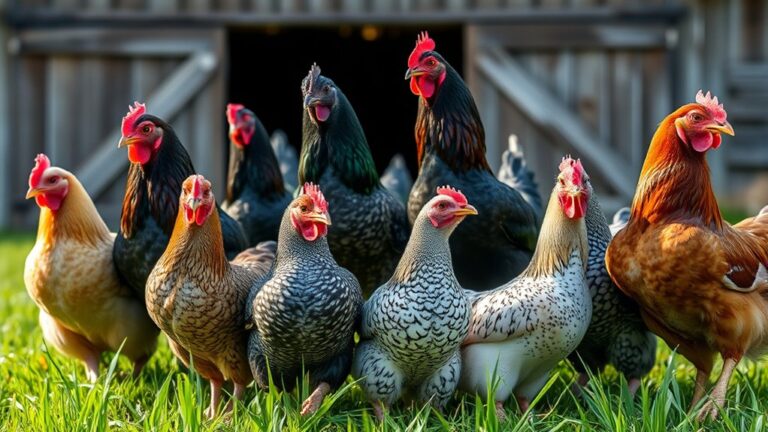
If you want the best egg-laying chickens, choose breeds that lay steadily, stay healthy, and are easy to manage. Rhode Island Reds, Leghorns, Australorps, Plymouth Rocks, and Orpingtons are top picks because they’re reliable, adaptable, and beginner-friendly.
You’ll get the best results with balanced layer feed, clean water, and about 14 to 16 hours of light each day. Keep going, and you’ll see which breed fits your flock best.
Key Takeaways
- Rhode Island Reds are hardy, reliable layers producing steady medium to large brown eggs in many conditions.
- Leghorns are top producers of white eggs and convert feed efficiently with minimal care.
- Australorps are calm, beginner-friendly hens that lay plentiful medium to large brown eggs.
- Plymouth Rocks and Sussex are dependable, climate-tolerant breeds with consistent year-round egg output.
- Strong nutrition, clean water, and 14 to 16 hours of light improve egg production and shell quality.
What Makes a Great Egg-Laying Chicken?

A great egg-laying chicken gives you steady, reliable production without demanding too much in return. You should look for birds that start laying at a reasonable age, stay productive through the season, and keep their energy on feed conversion instead of waste.
Strong health, calm temperament, and consistent shell quality all matter because they help you get more eggs with fewer problems. When you evaluate breeding considerations, choose stock from lines known for fertility, liveliness, and dependable laying traits.
Strong health, calm temperament, and consistent shell quality help hens produce more eggs with fewer problems.
Good genetics can improve persistence and reduce weak shells or poor growth. You also need housing requirements that support comfort and cleanliness. Give your hens enough space, dry bedding, good ventilation, and easy access to nest boxes and water.
Stress lowers output, so a secure, well-managed coop helps them thrive and keep laying well.
Best Beginner-Friendly Egg Layers

If you’re new to chickens, you’ll want breeds that stay calm and are easy to handle. The best beginner-friendly egg layers also give you steady, reliable eggs without much fuss. That mix of gentle temperaments and dependable production makes your flock easier to manage—and a lot more rewarding, too.
Gentle Temperaments
When you’re choosing the best egg-laying chickens for a beginner flock, a calm, friendly temperament can make all the difference. You’ll enjoy birds that stay relaxed around people because they’re easier to manage during feeding, coop checks, and gentle handling.
Chickens with sweet dispositions also adapt better to family life, especially if children or new keepers are part of your routine. Their easygoing nature can reduce stress during social interactions, making daily care feel smoother and more rewarding.
Look for hens that approach you without panic, tolerate being picked up, and settle quickly in new settings. These qualities help you build confidence fast and create a cooperative flock.
When your chickens trust you, you’ll spend less time chasing and more time enjoying their companionship.
Reliable Egg Production
Reliable egg production matters just as much as temperament, especially if you want a beginner-friendly flock that rewards you with steady baskets of eggs. You should choose breeds that stay consistent through most of the year and recover quickly after molts. Look for hens that handle egg production cycles well because dependable layers keep your kitchen supplied without constant surprises.
- Pick breeds known for high annual output, like Rhode Island Reds or Australorps.
- Watch seasonal laying patterns so you can plan for slower winter months.
- Support production with balanced feed, clean water, and enough light.
When you manage these basics, you’ll get reliable eggs and fewer headaches from your flock.
Rhode Island Reds: Reliable High-Producing Hens
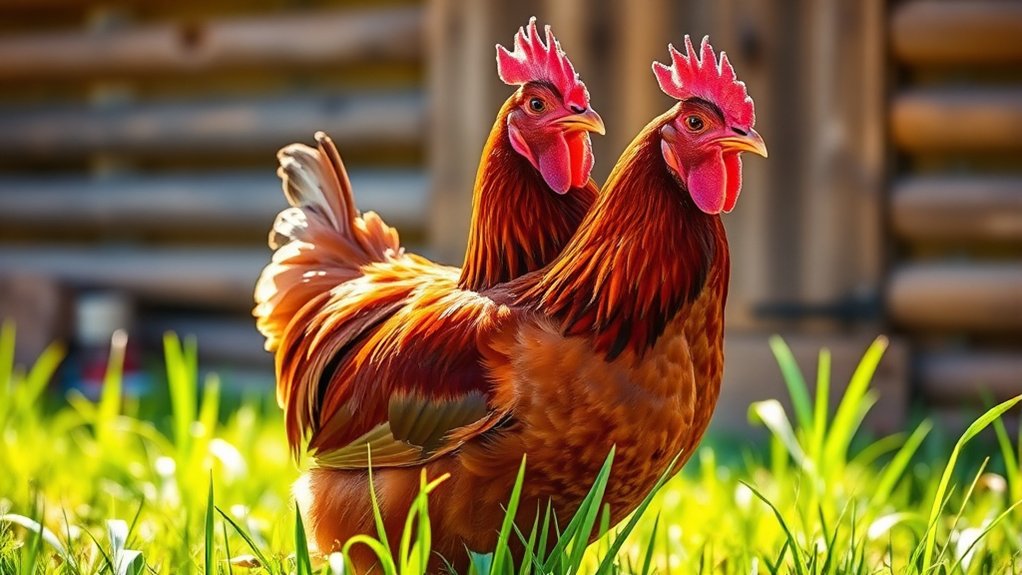
Among the best egg layers, Rhode Island Reds stand out for their steady production, hardiness, and easygoing nature. You can count on these hens to lay consistently through changing weather, making them a smart choice if you want dependable eggs without extra fuss.
They adapt well to backyard flocks, forage efficiently, and usually handle confinement or free range with confidence. If you’re planning breeding strategies, choose birds with strong frames, calm temperaments, and proven laying records. That helps you maintain reliable performance over time.
You’ll also appreciate their egg quality: medium to large brown eggs with sturdy shells and a balanced size for everyday cooking. Give them good feed, clean water, and safe housing, and they’ll reward you with a steady basket of eggs. Their mix of resilience and productivity makes them one of the most practical hens you can raise for long-term use.
Leghorns: Top White Egg Layers
Leghorns are hard to beat if you want a hen that lays plenty of white eggs without demanding much in return. You’ll appreciate their efficiency because they turn feed into eggs with impressive consistency. Their Leghorn characteristics include a slim body, alert temperament, and strong foraging instinct, so they fit well if you want active birds that stay busy.
Leghorn history traces back to Italy, where these birds earned a reputation for productivity before spreading worldwide.
- You get high egg numbers.
- You save on feed.
- You enjoy clean white eggs.
If you have room for a lively flock, Leghorns can be a smart choice. They don’t usually want constant attention, and they adapt well to many backyard setups. Keep their needs simple, and they’ll reward you with a steady basket of eggs.
Australorps: Calm Birds With Big Yields
Australorps are a great pick when you want a gentle hen that still delivers a strong egg count. You’ll appreciate their steady temperament, glossy black feathers, and reliable laying habits. These australorp characteristics make them easy to manage in a mixed flock, especially if you want birds that stay calm around people.
They often begin laying early and can keep producing well through the season, giving you a consistent basket of medium to large brown eggs.
For australorp care, give them roomy housing, clean bedding, fresh water, and a balanced layer feed. They enjoy free-ranging, but they’ll also do fine in a secure run with enough space to move.
Because they’re friendly and adaptable, you can handle them often and check their health without much fuss. If you want eggs without a noisy, high-strung bird, Australorps fit your backyard nicely and reward you with dependable production.
Sussex Chickens: A Balanced Backyard Choice
If you like the steady temperament of Australorps, Sussex chickens offer a comparably reliable choice with a bit more variety in looks and color. You’ll appreciate their friendly nature, fair egg output, and easygoing attitude in a mixed flock.
Sussex characteristics include alertness, good foraging skill, and a calm presence that fits small yards well. Their Sussex history stretches back to old English farms, where you valued them for both eggs and meat, which helps explain their practical reputation today.
- You get dependable daily eggs without fuss.
- You enjoy birds that handle handling well.
- You add visual charm with light, speckled, or red plumage.
If you want a balanced backyard bird, Sussex chickens fit the role. They don’t demand much special care, and they reward you with consistent production, pleasant behavior, and classic appeal that makes your flock feel complete.
Plymouth Rocks: Hardy Layers for Any Climate
Plymouth Rocks take cold snaps, summer heat, and changing weather in stride, so you can rely on them no matter where you live. Plus, they keep laying eggs steadily all year round. If you’re looking for a tough, dependable layer, they’re definitely a smart choice for your flock.
Hardy Climate Adaptation
When your flock needs a bird that can handle weather swings without fuss, Plymouth Rocks are a dependable choice. You’ll appreciate their climate resilience and breed adaptability when temperatures shift fast. Their dense feathers help them stay comfortable in chilly winds, yet they also cope well when summer heat rises.
To support them, you can make simple adjustments that keep them steady year-round:
- Provide shade and fresh water on hot days.
- Add dry, draft-free bedding in cold weather.
- Use well-ventilated housing to limit moisture.
You don’t need fancy setups to help them thrive. Plymouth Rocks adjust quickly, keep calm, and fit into mixed flocks with ease. That makes them a smart pick if you want hardy birds that handle local conditions without constant attention.
Reliable Year-Round Laying
Even as the seasons change, Plymouth Rocks keep producing consistently, making them a reliable choice if you want steady eggs without much drama. You can count on them for a dependable supply because they stay active through heat, cold, and shifting daylight.
With smart year round care, you’ll support their laying pattern by offering balanced feed, clean water, and a dry coop. Make small seasonal adjustments, like adding extra bedding in winter and improving shade in summer, so stress doesn’t interrupt production.
These birds don’t demand constant management, but they do reward consistency. If you want eggs from a flock that handles change well, Plymouth Rocks deliver without fuss, giving you practical, predictable results across every season.
Orpingtons: Friendly Hens With Steady Production
- Keep their coop roomy so they move comfortably.
- Offer a balanced layer feed to support regular laying.
- Handle them often so they stay tame and trusting.
With simple Egg Production Tips, you can help your Orpingtons stay consistent without pushing them hard. They won’t usually top the charts in egg count, but they do give you a reliable supply and a pleasant backyard experience.
How to Boost Egg Production Naturally
You can boost egg production naturally by feeding your hens a nutritious layer feed that gives them the protein, calcium, and vitamins they need. It’s all about giving them the right fuel to stay healthy and productive.
Also, make sure they get ideal light exposure each day. Steady daylight really helps keep their laying cycles on track, so they know when it’s time to lay.
When you combine the right feed with proper lighting, you’ll support healthier hens and, of course, more eggs. It’s a simple approach that makes a big difference!
Nutritious Layer Feed
A nutritious layer feed is the foundation of steady, high-quality egg production, because hens need the right balance of protein, calcium, vitamins, and minerals to lay consistently. You should choose a complete ration that supports layer nutrition and matches your flock’s age and output.
Check feed ingredients for quality grains, plant proteins, and added calcium, then avoid cheap fillers that dilute performance.
- Offer a fresh layer pellet or crumble daily.
- Provide oyster shell separately so hens can adjust intake.
- Keep clean water available, since feed works best when hens stay hydrated.
When you feed consistently, your hens convert nutrients into stronger shells, better yolks, and steadier laying. Watch body condition, and adjust portions if birds get too thin or overweight.
Optimal Light Exposure
Feed matters, and so does light, because hens lay best when their bodies get a steady day-night rhythm. You should aim for about 14 to 16 hours of daily light to support steady egg production.
If natural sunlight falls short, add safe coop lighting in the early morning or evening, but keep the schedule consistent. Sudden changes in light duration can stress hens and reduce laying.
Watch seasonal variations closely, since shorter winter days often lower output. Use timers so the flock gets predictable cues, and turn lights off at night so they rest well.
Never leave lights on all night, because hens need darkness to recover and maintain healthy laying cycles. Balance is key, and consistency helps your birds keep producing.
How to Choose the Right Breed for Your Flock
When choosing the right breed for your flock, start by matching each bird’s strengths to your goals, climate, and available space. Check breed characteristics like egg color, laying rate, temperament, cold hardiness, and feed efficiency so you can pick hens that fit your routine.
If you want steady production, choose proven layers. If you want calm birds for family handling, choose docile breeds. Good flock management also depends on how much time you can spend on care, cleaning, and health checks.
- Compare local weather with each breed’s tolerance.
- Match space needs to your coop and run size.
- Choose birds that fit your egg goals and handling style.
You’ll make better choices when you balance output with resilience. Start small, track performance, and adjust your flock as you learn what works best on your farm.
Frequently Asked Questions
How Long Do Egg-Laying Hens Usually Remain Productive?
You’ll usually get strong egg production for about 2 to 3 years, though many hens keep laying at a reduced rate for 4 to 5 years or more. Their egg production lifespan depends on breed, health, and stress.
If you provide ideal laying conditions like good feed, clean water, enough light, and low stress, you can extend productivity and keep eggs coming longer. After that, laying often slows noticeably.
Do Laying Hens Need a Rooster to Produce Eggs?
No, you don’t need a rooster for hens to produce eggs. Your laying hens will still lay unfertilized eggs on their own as long as they’re healthy, fed well, and getting enough light.
A rooster only matters if you want egg fertilization. Some people enjoy rooster benefits like flock protection and alerting hens, but he won’t increase egg laying.
For table eggs, hens alone do the job just fine.
What Age Do Pullets Start Laying Eggs?
You’ll usually see pullets start laying eggs at 18 to 24 weeks old, though some breeds begin earlier or later. Good pullet development, steady nutrition, and plenty of daylight help trigger egg production.
If you keep your birds healthy and stress-free, they’ll often start with small eggs before reaching full size. Watch for comb reddening, squatting, and nesting behavior, since those signs usually mean laying is close.
How Many Eggs Can One Hen Lay per Week?
You can expect one hen to lay about 4 to 7 eggs per week, depending on her breed, age, and care. That’s a handy pace: a productive laying breed may give you nearly 300 eggs a year, which keeps your basket full.
Your hen’s egg production’ll dip during molting, winter, or stress, so steady feed, clean water, and daylight help her stay on track and keep laying regularly.
Should Egg-Laying Chickens Be Kept in Winter?
Yes, you should keep egg-laying chickens in winter if you can provide proper winter care. You’ll need coop insulation to block drafts and enough ventilation to reduce moisture. Heat sources are only necessary if temperatures become dangerously low.
Adjust nutrition by giving higher-energy feed and fresh water since birds burn more calories staying warm. With good protection, your hens can stay healthy, comfortable, and keep laying through cold weather.
Conclusion
When you choose the best egg laying chickens, focus on temperament, climate hardiness, and steady production, not just peak numbers. Rhode Island Reds, Leghorns, and Australorps all deliver dependable baskets, but your flock will do best if you match breed to your setup.
One useful stat: a strong layer can produce about 250 to 300 eggs a year. Pick birds that fit your routine, and you’ll enjoy fresher eggs and fewer surprises.
Remember, the best egg laying chickens are the ones that suit your lifestyle and environment, ensuring consistent eggs and happy hens.