Backyard Chicken Laws Made Simple
Trying to keep backyard chickens but feeling overwhelmed by all the rules? You’re not alone. Many people struggle with understanding backyard chicken laws before they even get started. Knowing what’s allowed and what’s not can save you time, money, and headaches down the road.
Backyard chicken laws usually regulate flock size, roosters, coop placement, sanitation, waste removal, and odor control. You should check your city, county, zoning, permit, and HOA rules before you buy birds, because limits can change by address.
Confirm setback, noise, and feeding rules, and keep records of permits, photos, and maintenance. If a neighbor complains or an inspector visits, stay calm and fix issues fast, and you’ll soon see how to make it all easier.
Key Takeaways
- Check city and county rules first; backyard chicken laws often differ by address, zoning, and neighborhood district.
- Confirm limits on hens, roosters, coop placement, setbacks, and flock size before buying birds.
- Review sanitation, waste removal, predator protection, feed storage, and noise rules to stay compliant.
- Ask whether permits, registrations, site plans, or neighbor approval are required, and keep written records.
- Maintain a clean, healthy coop and respond quickly to complaints or inspections to avoid conflicts and penalties.
What Chicken Laws Usually Regulate

Backyard chicken laws usually regulate how many birds you can keep, whether you can keep roosters, where you can place coops, and how far the setup must be from property lines or neighboring homes. You’ll also see rules about coop size, sanitation, waste removal, and predator protection.
Some laws limit chicken breeding, especially if you plan to hatch chicks or keep extra birds. Others require you to maintain poultry health through clean water, dry bedding, and regular inspections. You may need to store feed in sealed containers and prevent odors, noise, and runoff from bothering others.
These rules aim to reduce conflict, protect animals, and keep your flock safe. If you understand these basics early, you can design a setup that fits the law and supports healthy hens without costly changes later.
Check Your City and County Rules
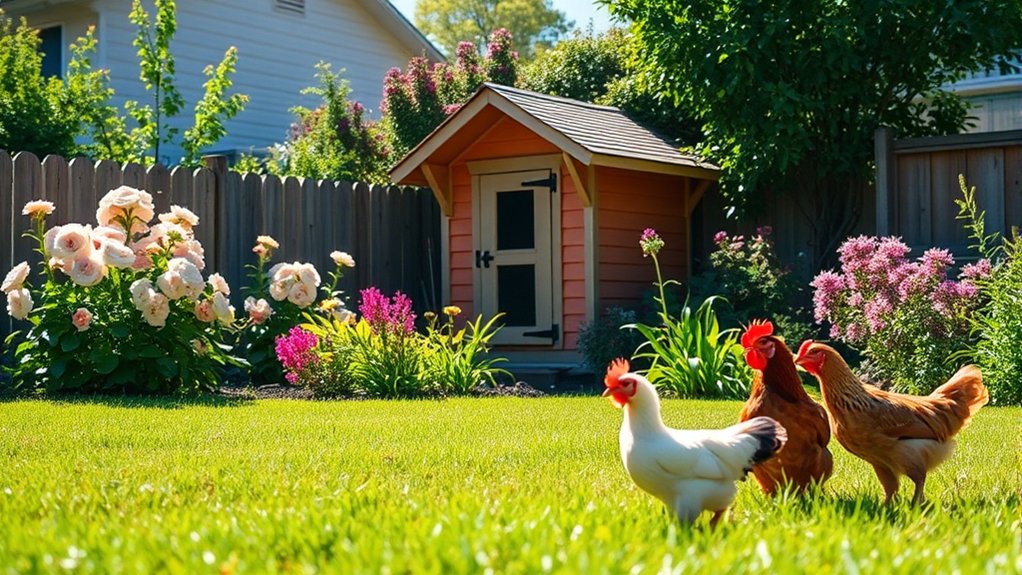
Before you buy chicks or build a coop, check both your city and county rules, since either one may set limits on flock size, setbacks, permits, and roosters. Start with your city clerk, animal control office, and county website, because they often publish the most current rules for backyard flocks.
You should also ask whether your address falls under a special district or neighborhood program tied to urban farming or community gardens. Those efforts can welcome chickens, but they may still require registration, inspections, or written approval.
Don’t rely on neighbors’ experiences or old blog posts. Rules can change after council votes or code updates, and a city rule may differ from a county rule even on the same street.
If anything looks unclear, call and ask for the exact ordinance number. Keep notes, save emails, and print the rules before you spend money. A few minutes of checking now can save you fines, delays, and a coop that never gets approved.
Know Your Zoning Limits

Zoning rules often decide whether you can keep chickens at all, and if so, how many, where the coop can sit, and whether roosters are allowed. You need to read the zoning map for your property and match it to the rules for your district.
Don’t assume a rural feel means chicken-friendly rules; some neighborhoods still ban livestock or limit flock size. Pay close attention to zoning definitions, because terms like accessory use, agricultural use, and residential use can change what’s legal on your lot.
If your property sits near a boundary, one side of the street may allow chickens while the other doesn’t. You should also check setbacks, lot coverage, and noise limits, since these details often trigger zoning violations.
When the language seems unclear, call the planning office and ask how they interpret the rule for your address. A quick check now can save you fines, complaints, and the hassle of relocating birds later.
See If You Need a Permit
Once you know chickens are allowed on your property, check whether your city or county still requires a permit, registration, or special approval. Some places make you apply before you bring home hens, while others only ask for basic notice.
Read the permit requirements carefully so you don’t miss fees, forms, or deadlines. You may need to list your address, flock size, or property owner consent. Some offices want a site plan or neighbor acknowledgment.
If the rules seem unclear, call your local animal control, planning office, or clerk for current local guidelines. Don’t rely on old blog posts or advice from friends, because poultry rules can change quickly.
Keep copies of every approval, receipt, and email in one place. That way, if someone asks about your flock later, you can show you followed the process and stayed in compliance from the start.
Meet Coop Size and Setback Rules
Even if chickens are allowed in your area, you still need to meet the local rules for coop size, height, placement, and setbacks from property lines, homes, wells, or neighboring yards. Check your zoning code before you build, because it may set exact coop dimensions for floor space, run space, and roof height.
If your coop is too small, too close, or too tall, you could face fines or be forced to move it. Measure your yard carefully and mark the spot before you pour a foundation or set posts.
Pay attention to setback requirements, since some towns demand extra distance from lot lines, drainage areas, or nearby residences. You should also confirm whether attached runs count as part of the coop.
If you plan ahead, you’ll avoid costly changes and keep your setup compliant. When in doubt, call the planning office and ask for the written standards.
Follow Flock Limits and Rooster Bans
After you’ve checked coop placement, make sure your flock itself fits local rules. Many towns cap how many hens you can keep, so count carefully before you buy chicks. Good flock management helps you stay compliant and keeps your birds healthy.
If your area bans roosters, don’t assume one sneaky chick will be fine later.
- Verify the exact hen limit for your address.
- Ask whether young chicks count toward the total.
- Review rooster regulations before adding any male bird.
- Keep records of purchases, sales, and deaths.
If you’re near the limit, plan for replacements so you don’t exceed it. Some cities also limit total birds by lot size, so a smaller yard may mean fewer hens.
When rules are unclear, contact the animal control office or city clerk and get the answer in writing. That way, you can raise chickens confidently without risking fines or forced rehoming.
Check HOA and Neighborhood Rules
Before you bring home chickens, check whether your HOA, subdivision, or landlord has extra rules that local law doesn’t cover. Many neighborhoods set their own limits on coop placement, visible fencing, bird counts, or even which chicken breeds you can keep.
Read the governing documents carefully, then look for pet clauses, nuisance standards, and approval steps. If anything seems unclear, ask for written confirmation before you spend money or order chicks.
You should also pay attention to neighborhood meetings, because residents sometimes vote on poultry restrictions or property-use complaints there. If you live in a rental, ask your landlord for permission in writing and save every message.
Even if your city allows backyard hens, a private community rule can still block them. Staying ahead of these extra layers helps you avoid fines, disputes, and forced rehoming later.
How to Keep Chickens Compliant
To keep chickens compliant, you need to follow both local rules and any private restrictions that apply to your property. Start by checking permit limits, coop placement, and flock size so you don’t break any rules. Then match your setup to your birds’ needs and your yard’s boundaries.
Good chicken behavior starts with enough space, clean housing, and regular care. Keep feed requirements, water, and bedding consistent so your flock stays healthy and quiet.
Keep the coop where zoning allows. Limit flock size to the allowed number. Store feed securely to avoid pests. Clean up waste before it becomes a problem.
You should also keep your chickens contained, since roaming birds can create issues fast. If you add new birds, make sure they fit the same rules. Review local ordinances often, because they can change.
When you stay organized, you protect your flock and avoid violations.
Handle Complaints and Inspections
If a neighbor complains, try to respond quickly and calmly. It’s best to address the issue early before it has a chance to get worse.
Also, keep your coop ready for inspections by following local rules and fixing any problems as soon as they come up.
Don’t forget to save records of your flock, cleaning routines, and any repairs you make. That way, you can easily show you’re staying compliant if needed.
Respond to Complaints Promptly
When a neighbor files a complaint, respond quickly and professionally so the issue doesn’t escalate. You should listen, thank them for speaking up, and focus on complaint resolution through calm neighbor communication. Address the concern without arguing, and explain what you’ll do next.
If the issue is about noise, smell, or wandering birds, make a clear plan and follow through. Ask for specific details. Acknowledge the concern respectfully. Fix the problem promptly. Follow up to confirm improvement.
Keep your tone polite in every message, whether you talk in person, call, or write. Prompt action shows you care about the neighborhood and helps prevent repeat complaints. By handling concerns early, you protect your flock, your reputation, and your peace of mind.
Prepare for Inspections
Inspection day goes much smoother when you stay ready before anyone knocks at your door. Keep your coop clean, your birds contained, and your yard free of hazards so you show solid inspection readiness.
Walk through your space with a compliance checklist and confirm that fencing, nesting boxes, feed storage, and water access meet local rules. Fix problems before an inspector arrives, not after.
If a neighbor files a complaint, answer calmly and politely, then correct the issue quickly. When officials visit, greet them, give clear access, and avoid arguing.
You’ll build trust by showing that you take chicken laws seriously. Stay organized, follow your permit conditions, and keep your setup easy to evaluate. That way, you can handle inspections with confidence and less stress.
Keep Coop Records
Good records make it easier to answer questions and back up your compliance efforts. Keep a simple file for permits, neighbor communications, vet visits, cleaning schedules, and any inspection notes. Strong record keeping shows you’ve taken complaints seriously and helps you respond fast if an officer asks for proof.
Use dated photos and receipts to document repairs, feed storage, and coop upgrades. Include:
- permit copies and zoning approvals
- cleaning logs and coop maintenance tips
- vaccination or health records
- complaint responses and follow-up actions
When you document changes, you can show that you’ve fixed issues instead of ignoring them. Organized records also help you spot patterns, improve routines, and stay ready for future inspections without scrambling.
Where to Check Backyard Chicken Laws Fast
You can usually find backyard chicken rules fastest on your city’s ordinance website. That’s where local codes spell out flock limits, coop rules, and permit needs. If the website isn’t clear, just give your county zoning office a call to get the latest requirements and any site-specific restrictions. Checking both sources is a smart move—it helps you avoid surprises before you bring home hens.
City Ordinance Websites
When you need fast answers on backyard chicken rules, your city’s official ordinance website is usually the best place to start. You can search for city chicken regulations and urban farming guidelines without calling anyone first. Look for sections on animals, land use, or nuisance rules, since those pages often list permit needs and coop limits.
- Search the city code by keyword.
- Check animal-keeping and housing sections.
- Review setback, noise, and sanitation rules.
- Save the ordinance page for later reference.
If the site offers a PDF code book, use its search tool to find chicken-related terms quickly. You’ll usually get the clearest, most current answer there, and you can compare it with any local updates before you build or buy birds.
County Zoning Office
Your county zoning office can give you the clearest local answer on backyard chicken laws, especially if your property sits outside city limits or under county rules. Call or visit the office and ask about chicken zoning for your address, because staff can tell you whether hens are allowed, how many you can keep, and whether roosters face limits.
They can also point you to local ordinances on coop placement, setbacks, noise, lot size, and sanitation. Bring your parcel number or address so they can check the exact zoning district.
If the rules seem unclear, ask for the code section in writing. That way, you can compare county rules with any homeowner association standards and avoid surprises before you buy chicks or build a coop.
Frequently Asked Questions
Can I Keep Chickens if I Rent My Home?
Yes, you can keep chickens if you rent your home, but you need to check your rental agreements first. Your landlord may allow backyard birds, limit coop placement, or ban them entirely.
You should also review local rules and choose chicken breeds that fit your space and noise concerns. Before you bring home hens, get written permission so you don’t risk fines, eviction, or conflict with your landlord.
Are Baby Chicks Allowed Where Adult Hens Are Banned?
Usually, no. If adult hens are banned, baby chicks often are too, but you can’t know until you check the local rules. Some places treat chicks differently because they’re quieter and need chick care indoors.
Yet others count any chicken as poultry. If you’re considering chick breeds, ask zoning officials, your landlord, or HOA first. One exception could change everything, so don’t assume permission until you see it in writing.
Do Backyard Chicken Laws Differ During Emergencies or Disasters?
Yes, they can. You’ll often find backyard chicken laws loosen during emergencies, especially for disaster preparedness and temporary shelter needs. Local officials may suspend some zoning, noise, or coop rules, but you still need to follow emergency regulations and any health orders.
You should check your city, county, and state notices quickly because changes can be short-lived. After the crisis, normal chicken rules usually return, and enforcement can resume.
Can I Sell Eggs From My Backyard Chickens Legally?
You can sell eggs from your backyard chickens legally, but you’ve got to check your local zoning and egg selling regulations first. Some places let you sell from home, while others require permits, inspection, labeling, or refrigeration rules.
You may also need to follow health department standards and sales limits. If you skip those steps, you could face fines. Always confirm with your city, county, and state before selling.
What Penalties Apply for Keeping Chickens Without Approval?
You could face fines, warnings, or orders to remove your birds if you keep chickens without approval. Like a gatekeeper at a garden, the law can stop you until you follow the rules.
You might also deal with legal consequences, such as citations or court costs, and repeated violations can raise penalties. Check your local ordinance first, so you don’t end up paying more than you expected.
Conclusion
When you keep backyard chickens, you’re really tending a small compass for your home: it points you toward local rules, good neighbors, and steady care. Check the laws, meet the setbacks, and keep your coop clean so your flock can thrive without trouble.
A well-kept coop becomes a lantern in the yard, showing you’re responsible and prepared. Follow the rules, and you’ll enjoy fresh eggs with fewer surprises when it comes to backyard chicken laws.