7 Friendliest Chicken Breeds for Backyard Flocks
Finding the perfect chickens for your backyard flock can be tricky, especially if you want calm, friendly birds that are easy to handle. You’re not alone—many people struggle to find breeds that are both gentle and adaptable to family life.
Luckily, some breeds are known for their friendly nature and make great companions.
If you want a calm backyard flock, choose breeds that are easy to handle and quick to trust. Silkies, Buff Orpingtons, Plymouth Rocks, Speckled Sussex, and Faverolles are all gentle, people-friendly picks, while Australorps also stay steady and relaxed. Friendliest Chicken Breeds.
These birds adapt well to routines, take treats politely, and fit family coops nicely. With the right breed mix, you’ll enjoy a quieter, friendlier flock that keeps surprising you in the best ways.
Key Takeaways
- Silkie chickens are exceptionally gentle and calm. They’re ideal for families who want easy handling.
- Buff Orpingtons are affectionate and steady birds. They often follow people around and really enjoy attention.
- Plymouth Rocks are friendly and adaptable chickens. They handle routines well and will come over for treats.
- Speckled Sussex are curious and low-skittish. They build trust easily with consistent, gentle handling.
- Faverolles are approachable and child-friendly. They accept handling well but do need regular grooming.
What Makes a Friendly Backyard Chicken Breed
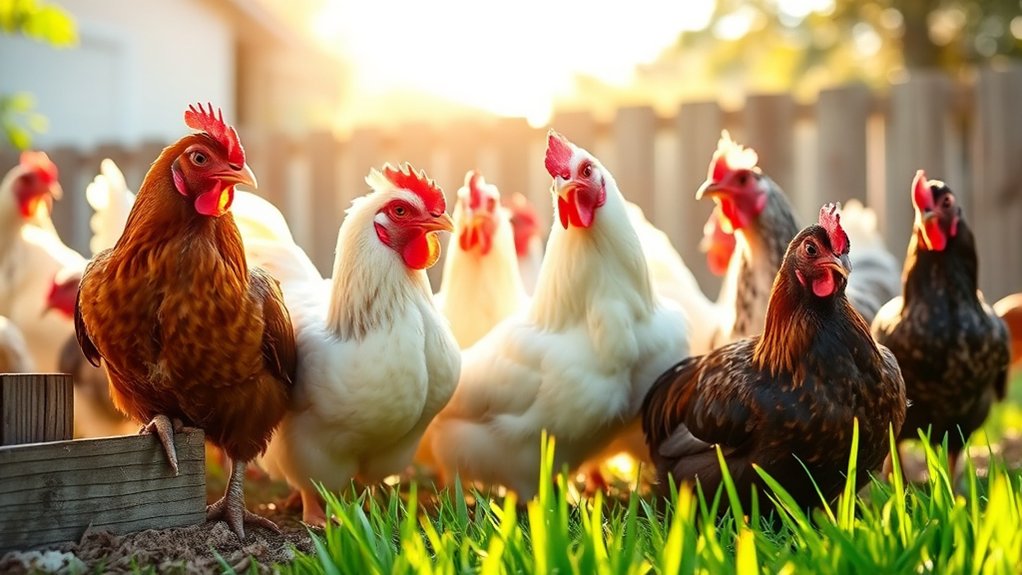
A friendly backyard chicken breed is one that feels calm around people, adapts well to handling, and fits smoothly into your flock. You’ll notice these birds stay relaxed when you approach, making daily care easier and safer.
Good social interaction matters because a sociable hen or rooster often responds well to treats, gentle touch, and routine. You also want breed characteristics that support trust, like steady temperaments, curiosity, and low flightiness.
Sociable chickens respond well to treats, gentle touch, and routine, with steady temperaments and low flightiness.
Chickens with these traits usually adjust faster to new coop mates, yard changes, and family activity. When you choose birds with balanced personalities, you spend less time chasing and more time enjoying them.
Look for chickens that show interest without panic, move confidently, and recover quickly from surprises. Those signs tell you a breed can thrive in a busy backyard and become a pleasant part of your flock.
Silkie Chickens: Gentle Backyard Favorites

Silkie chickens really win you over with their calm, sweet nature and fluffy looks. They’re super gentle around kids and other birds, which makes them a top pick for a friendly backyard flock.
To keep them happy, you’ll want to provide dry housing and regular care. Plus, they need a little extra protection from harsh weather to stay comfortable. It’s pretty easy to make sure they’re well looked after!
Silkie Temperament Traits
Velvety feathers and a calm, curious nature make Silkies stand out as one of the gentlest chicken breeds you can keep. You’ll notice their sweet silkie behavior in the way they greet you, follow you around, and stay relaxed during daily flock life.
They often tolerate handling well, which makes them a favorite if you want a mellow bird that feels easy to trust. Good silkie socialization helps them stay confident around people and other chickens, so early, gentle contact really pays off.
You may also see them act patient with children and less pushy than many breeds. Their friendly, quiet personality makes them great for close-knit backyard flocks, especially when you want birds that feel more companionable than skittish.
Caring For Silkies
Their gentle nature makes daily care feel easy, but Silkies do best when you give them a few extra comforts that match their unique needs. You should keep their coop dry, draft-free, and easy to clean because their fluffy feathers get damp fast.
Offer soft bedding, low roosts, and ramps so they can move around safely. Provide balanced feed, fresh water, and occasional treats, but don’t overdo scraps.
Regularly check their crest, feet, and skin for dirt, mites, or injury, since good silkie care supports better silkie health. Because they’re calmer than many breeds, they enjoy handling, but you should still move slowly and gently.
Give them space to dust bathe and stay protected from rain, mud, and predators.
Buff Orpingtons: A Backyard Favorite

Buff Orpingtons are a backyard favorite for good reason: they’re calm, affectionate, and easy to handle, making them a great fit if you want friendly chickens that enjoy human company. You’ll often find them following you around the yard, hoping for treats and attention.
Their gentle Buff Orpington temperament makes them easy to pick up, which helps when you’re checking health, trimming nails, or moving them into the coop. For Buff Orpington care, give them roomy shelter, clean bedding, fresh water, and a balanced layer feed so they stay healthy and content.
They do well in most backyards because they adapt quickly and usually stay relaxed around kids and other pets. If you want a chicken that feels more like a companion than livestock, Buff Orpingtons can be a wonderful choice for your flock.
Plymouth Rocks: Calm, Social Birds
Plymouth Rocks are another standout if you want chickens that are calm, social, and easy to enjoy in a backyard flock. You’ll notice their steady temperament right away because they usually handle daily routines without fuss.
When you spend time near them, they often come closer for treats and gentle attention, which makes social interaction feel easy and rewarding. Plymouth Rocks also adapt well to family yards, so you can enjoy watching them scratch, peck, and settle alongside without constant drama.
Their friendly nature helps you build trust through simple habits like feeding by hand and speaking softly nearby. If you want birds that feel approachable rather than skittish, Plymouth Rocks give you that balance. They’re a practical choice when you want a flock that’s pleasant to observe and simple to manage.
Australorps: Easygoing Backyard Chickens
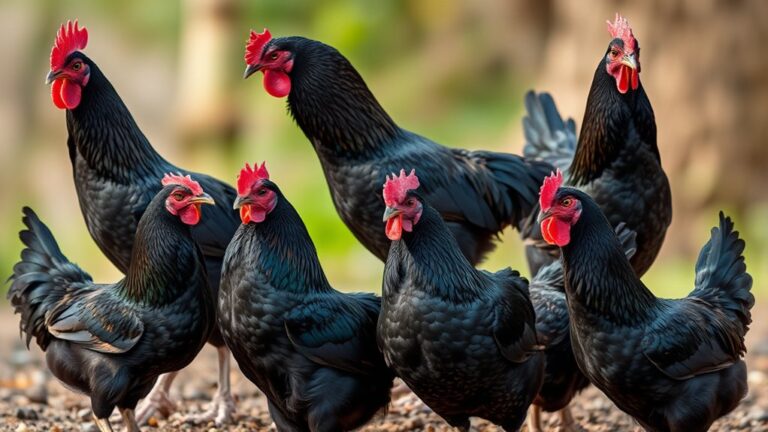
If you like the calm, social feel of Plymouth Rocks, Australorps offer that same easy backyard charm with a little extra elegance. You’ll notice their australorp characteristics right away: glossy black feathers, steady temperaments, and a gentle way of moving around your yard. They usually adapt well to routines, so you can handle them without much fuss.
- They’re friendly and tolerate daily interaction.
- They fit into mixed flocks without drama.
- They lay reliably, which rewards consistent australorp care.
- They enjoy roomy, clean housing and simple feeding schedules.
If you want a breed that feels relaxed but still productive, Australorps make sense. Give them fresh water, secure shelter, and calm handling, and they’ll usually respond with trust. Their balanced nature makes them a smart choice when you want chickens that are easy to keep and pleasant to watch.
Speckled Sussex: Curious and Friendly Birds
Speckled Sussex chickens are curious birds that love to explore your yard and stick close to you. They’re naturally gentle, which means they’re easy to handle—even if you’re new to keeping backyard chickens. Plus, you’ll quickly notice how friendly they are. They make great family pets and get along well with kids, fitting right in with everyday care and attention.
Curious, Gentle Temperament
With their lively curiosity and easygoing nature, Speckled Sussex chickens quickly win people over. You’ll notice their curious behavior as they wander the yard, pecking, watching, and checking every corner without acting skittish. Their gentle interactions make daily care feel calm because they respond softly to your presence and move with confidence, not alarm.
- You can expect them to investigate actively yet stay relaxed.
- They usually mingle well with other calm birds.
- Their steady temperament helps you enjoy quiet flock time.
- Their friendly attitude makes them a pleasure to observe.
If you want chickens that feel personable without being pushy, this breed fits beautifully. Their balance of curiosity and softness adds charm to any backyard flock, making each visit to the coop more enjoyable.
Easy Backyard Handling
Their calm curiosity also makes daily handling feel simple and low-stress. You can lift Speckled Sussex birds more easily because they usually stay relaxed when you approach them slowly and speak softly.
Use steady socialization techniques by offering treats from your hand, letting them follow you around the run, and touching their back or chest briefly before you pick them up. Good handling tips include supporting both body and feet, keeping movements smooth, and setting them down before they struggle.
When you handle them often, they learn that you’re not a threat, so coop checks, nail trims, and quick health checks feel less hectic. Their easygoing nature helps you build trust without forcing contact, which keeps backyard routines calm and efficient.
Family-Friendly Flock Members
As a family flock, Speckled Sussex birds bring a gentle mix of curiosity and charm that makes them a natural fit for busy backyards. You’ll notice they follow you around, watch your routines, and join in calm family interactions without fuss. Their easygoing nature also helps with chicken training since they respond well to treats and consistent handling.
- They stay calm around kids.
- They investigate without acting skittish.
- They learn simple cues quickly.
- They fit well with mixed-age households.
You can count on them to be friendly, dependable, and engaging. If you want birds that brighten daily chores and make your flock feel welcoming, Speckled Sussex deliver.
Faverolles Chickens: Sweet, Hands-On Pets
Faverolles chickens are one of those rare breeds that seem made for people who want a calm, affectionate flock. You’ll notice their gentle Faverolles temperament quickly; they often stroll up to you, accept treats from your hand, and tolerate being held better than many other chickens.
Their fluffy beards, feathered feet, and soft plumage give them a charming look, but they also need a little Faverolles grooming to keep feathers clean and free of mud.
If you want birds that fit into a family setting, this breed can be a joy. They usually get along well with children and other docile hens, and they rarely bring drama to the coop.
You’ll still want to provide sturdy roosts, dry bedding, and enough space so their feet stay healthy. In return, you get a sweet, easygoing companion that makes backyard keeping feel more hands-on and rewarding.
Frequently Asked Questions
How Much Coop Space Do Friendly Chickens Need?
You’ll want about 3 to 4 square feet of coop space per standard chicken, and 2 square feet for bantams, to meet basic space requirements. Bigger is better for calm, healthy birds, so your coop size should also include room for feeders, waterers, and easy cleaning.
If you keep them confined more often, give them extra space to reduce stress, pecking, and mess. A roomy coop helps your flock stay content.
Do Friendly Chicken Breeds Lay Eggs Year-Round?
Not always: you’ll usually get fewer eggs in winter than summer. In fact, many hens cut egg production by 50% or more when daylight drops, so picture half-full egg baskets on cold mornings.
Friendly breeds can still lay well, but breed comparisons matter because some stay more productive in cool weather than others. If you add supplemental light and good feed, you’ll often keep eggs coming longer year-round.
Which Breeds Tolerate Cold Weather Best?
You’ll get the best cold-weather performance from cold hardy breeds like Plymouth Rocks, Wyandottes, Orpingtons, Brahmas, Australorps, and Rhode Island Reds. You should choose heavy-bodied birds with small combs since they resist frostbite better.
Even tough breeds still need winter care: keep coops dry, block drafts, provide deep bedding, and guarantee unfrozen water. If you live in very harsh winters, you’ll want extra insulation and good ventilation, too.
Can Backyard Chickens Be Trained to Follow Commands?
Yes, you can train backyard chickens to follow commands if you use command training and positive reinforcement. You’ll get the best results by rewarding simple actions, like coming when you call, stepping onto a perch, or entering a coop.
Use treats, a consistent cue, and short sessions so they stay focused. Chickens learn patterns fast, but you’ll need patience and repetition. They won’t obey like dogs, though.
How Often Should Friendly Chickens Be Handled?
You should handle friendly chickens a few times a week, or daily for short sessions if they’re calm. Keep each visit brief, gentle, and consistent so they stay relaxed and trust you.
Use proper handling techniques: support their body, avoid squeezing, and move slowly. Good socialization tips include offering treats, speaking softly, and ending on a positive note.
If they seem stressed, back off and try again later.
Conclusion
When you choose a friendly breed, you choose a calmer flock, a happier yard, and a better backyard experience. Whether you love the silky sweetness of Silkie chickens, the steady charm of Buff Orpingtons, or the easygoing nature of Australorps, each breed brings something special to your coop.
Pick the birds that fit your space, your goals, and your lifestyle, and you’ll enjoy a flock that’s more social, more manageable, and more fun. Friendly chicken breeds for backyard flocks make all the difference in creating a joyful and harmonious environment.