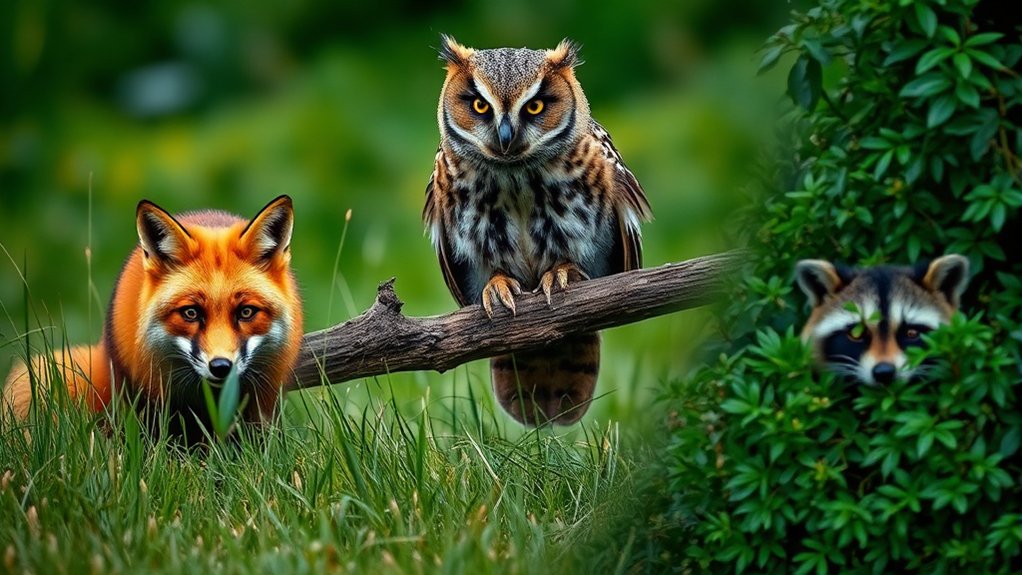
3 Chicken Predators List to Watch For
If you raise chickens, you know how stressful it can be to protect your flock from predators. You’re not alone—many people struggle with keeping their birds safe from sneaky animals that can strike at any time.
Finding effective ways to guard your chickens is a top priority for every backyard farmer.
Three chicken predators you should watch for are foxes, raccoons, and hawks. Foxes sneak in fast, raccoons test coop locks at night, and hawks strike from above in daylight. Chicken Predators List.
Coyotes, owls, and even opossums can also threaten your flock, especially near fences, brush, or open runs.
To stay safe, lock birds in a sturdy coop, use secure latches, and remove spilled grain.
Keep going, and you’ll spot the warning signs sooner.
Key Takeaways
- Foxes and coyotes are common ground predators that target chickens, especially near fences, brush, or woodpiles.
- Raccoons are strong, clever nighttime predators that can open weak coops and latches.
- Hawks and owls attack from above, often targeting free-ranging or roosting birds.
- Signs of predation include scattered feathers, digging near the coop, and alarm calls from chickens.
- Protect birds with sturdy coops, locking latches, buried wire skirts, and overhead cover.
Foxes and Coyotes: Common Ground Predators

Foxes and coyotes are two of the most common ground predators that threaten chickens, especially in rural and suburban areas. You’ll often spot their tracks near fences, woodpiles, or brushy edges where they hunt at dawn and dusk.
Foxes rely on stealth and speed, while coyotes use patience, teamwork, and strong hunting behavior to test weak spots in your coop. Their urban adaptability makes them a problem even near neighborhoods, so don’t assume city edges are safe.
Foxes slip in with stealth; coyotes probe with patience, teamwork, and cunning—even near neighborhoods.
You can reduce risk by locking birds in a sturdy coop at night, burying wire skirts around runs, and removing food scraps that attract them. Motion lights, secure latches, and supervised free-ranging also help.
If you notice repeated digging or scattered feathers, act fast before they return. Consistent protection works better than reaction after a loss.
Raccoons and Opossums: Nighttime Coop Threats

Raccoons and opossums are mostly nighttime threats, and they’ll often test your coop when you’re least likely to notice. You need to understand raccoon behavior: they’re smart, strong, and curious, so they’ll pry latches, reach through wire, and tug at weak doors until they find a way in.
Opossums usually look less aggressive, but don’t ignore them. Their slow, opportunistic feeding can still leave your birds stressed, injured, or exposed if they raid eggs, chicks, or leftover feed.
You should secure every opening with sturdy hardware cloth, locking latches, and tight seams. Remove spilled grain, because both animals return to easy meals. If you hear scratching, check the coop immediately and reinforce any weak spot.
Good nighttime protection keeps your flock safer and stops repeated visits from these persistent predators.
Hawks and Owls: Aerial Predators to Watch For

Hawks and owls can strike fast from above, so your flock needs protection from the sky as well as the ground. You may see hawks circling at midday, watching for movement in open yards. Understanding hawk behavior helps you spot danger early, especially when chickens scatter or freeze.
Hawks strike fast from above, so watch for circling shadows and protect your flock from overhead danger.
Owls usually hunt at dusk and night, slipping in silence when you’re least prepared. Their owl hunting style targets birds roosting outside secure cover.
- You feel the shock of a sudden shadow overhead.
- You hear frantic wingbeats and alarm calls.
- You find feathers and panic near the coop.
- You worry every time your hens range too far.
Give your birds overhead cover, secure runs, and sheltered roosts. Netting, shrubs, and supervised free-ranging can reduce risk. When you stay alert, you protect your flock before an attack turns into loss.
Frequently Asked Questions
How Can I Tell Which Predator Visited My Coop?
You can tell by matching tracks, feathers, damage, and timing. Check footprints in mud, snow, or dust, and note claw marks, bite size, and entry points.
Watch for nocturnal behaviors, since many predators strike at night, leaving disturbed bedding or missing birds by morning. Trail cameras help too.
If you spot scattered feathers and a dragged body, a fox or raccoon likely visited your coop overnight, not a hawk.
What Coop Features Reduce Predator Attacks Most?
You’ll cut predator attacks most by building secure coop designs and using effective fencing options. You should lock in every gap with hardware cloth, not chicken wire, and bury fencing or add an apron to stop digging.
Use solid latches, covered vents, and a roof or run cover to block climbing and flying threats. Keep feed sealed, close birds in before dusk, and add motion lights for extra deterrence.
Do Chicken Breeds Differ in Predator Resistance?
Yes, you’ll find chicken breeds differ in predator resistance. You can’t rely on breed alone, but breed resilience matters. Alert, agile birds often escape better, while heavier or calmer breeds may struggle.
You should also value predator awareness, since sharp-eyed hens notice danger sooner and react faster. Still, you’ll get the best protection by combining a resilient breed with secure housing, supervised ranging, and quick responses to threats.
Can Predator Scent Deter Animals From Returning?
Yes, predator scent can help keep animals from coming back, but you shouldn’t rely on it alone. Think of it like a “wet paint” sign: I once watched a fox skirt a yard for days after fresh coyote scent was sprayed.
Yet it returned when food stayed easy. You can use scent deterrents to disrupt predator behavior, but you’ll get better results when you pair them with secure fencing and clean-up.
What Signs Show a Predator Is Stalking My Flock?
You’ll often notice restless fowl behavior before trouble starts: birds huddle tightly, freeze, or won’t leave cover. You may spot scattered feathers, tracks, dug soil, or a disturbed coop.
Your flock might call more, refuse roosting, or seem unusually quiet at dusk. Sharp predator awareness helps you catch these warning signs early.
If you see repeated pacing, nervous scanning, or missing birds, assume something’s stalking them and act fast.
Conclusion
You can’t assume your flock is safe just because the coop looks secure. Foxes, coyotes, raccoons, opossums, hawks, and owls all hunt differently, but each can turn a quiet yard into a disaster fast.
Think of a missing hen, scattered feathers, or a torn-up run—that’s often the warning sign. Stay alert, lock up at night, and reinforce weak spots now so you’re not facing a heartbreaking surprise later.
Keep these 3 chicken predators in mind to protect your flock and avoid unexpected losses.