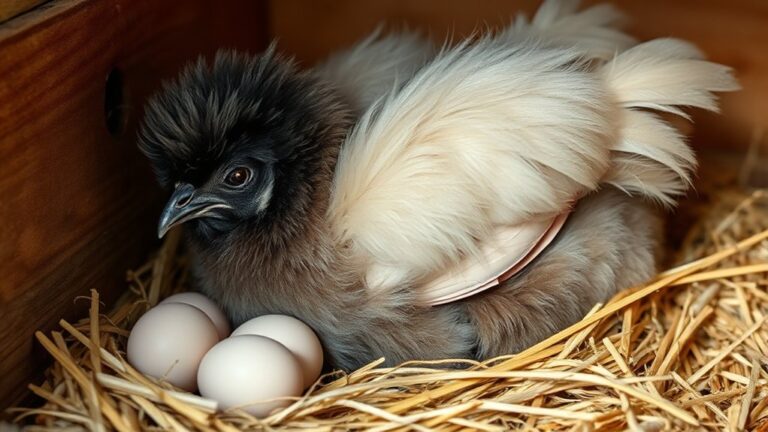
Can Chickens Eat Eggshells?
If you raise chickens, you’ve probably wondered about the best ways to boost their calcium intake for healthier eggs. You’re not alone—many people struggle with finding natural, affordable supplements that actually work. Can Chickens Eat Eggshells.
It’s important to know what’s safe and effective so your hens stay happy and productive.
Yes, you can feed chickens eggshells if you clean, dry, and crush them first. They’re a safe, handy source of calcium that helps laying hens make stronger eggshells and support healthy bones.
Give them only as a small supplement, not a main food, because too much calcium can upset their diet. Oyster shell is still the better long-term calcium option.
If you keep going, you’ll see how much to offer and how to prep them.
Key Takeaways
- Yes, chickens can safely eat clean, dry eggshells as a calcium supplement.
- Crush eggshells finely and clean them first to remove bacteria and egg residue.
- Feed eggshells in small amounts alongside complete feed, not as the main diet.
- Too many eggshells can unbalance nutrition and cause digestive issues.
- Oyster shell is usually a better calcium source for laying hens than eggshells.
Can Chickens Eat Eggshells?

Yes, chickens can eat eggshells, and they can actually benefit from them. You can safely offer clean, dry shells as a crunchy supplement in your flock’s diet. Eggshell benefits include added calcium, which supports strong eggshells and healthy bones.
Chickens can eat eggshells safely, and the added calcium helps support strong eggshells and healthy bones.
When you crush the shells into small pieces, your hens can peck at them easily without wasting much feed. Your chickens don’t need a lot, but a small amount can fit well into their routine.
For chicken digestion, the shells work best when they’re finely crushed, since large sharp pieces can be uncomfortable. You should never give shells that still contain raw egg residue, because that can attract problems.
If you want to recycle kitchen waste wisely, eggshells can be a simple option. Keep them clean, dry, and crushed, and you’ll give your birds a practical extra mineral source.
Why Feed Eggshells to Chickens?

Feeding eggshells to chickens gives your flock a simple source of calcium that helps support strong eggshell production, especially for hens that lay regularly. You can use them to help balance their diet when laying birds need more minerals than feed alone provides.
Calcium supports muscle function too, so your hens may stay more active and efficient during the laying cycle. When you add crushed eggshells, you’re giving them a familiar, low-cost supplement that can fit easily into your routine.
It may also support better calcium absorption when paired with a well-rounded feed, which matters for consistent egg production. You don’t need much to make a difference, and you can turn a kitchen by-product into a useful flock resource.
For backyard keepers, that makes eggshells a practical way to reinforce nutrition without extra waste or expense.
Are Eggshells Safe for Chickens?

Eggshells can be a safe calcium source for your chickens, but only when you prepare them properly. First, you want to make sure you clean and dry the shells thoroughly. This helps reduce any chance of contamination.
Once they’re clean and dry, crush the shells into a fine texture. It’s better to avoid large, sharp pieces because they can pose a choking risk for your chickens. So, taking these simple steps makes eggshells a great, safe supplement for your flock.
Nutritional Calcium Source
When you dry and crush them properly, eggshells can be a safe, natural calcium supplement for chickens. You can offer them to help support strong eggshell production and steady bone health.
The calcium in eggshells can improve calcium absorption when your hens need extra mineral support, especially during laying periods. You should still keep their diet balanced because too much calcium from one source can disrupt dietary balance and reduce the benefits of other nutrients.
Mix eggshells with a complete feed rather than using them as the main mineral source. A small, regular amount works best for most flocks. If your chickens already eat a layer ration, eggshells should only add a modest boost, not replace their normal nutrition.
Cleaning Before Feeding
Before you offer eggshells to your flock, clean them well to remove leftover egg white and any bacteria risk. Rinse each shell under warm water, then scrub away residue with your fingers or a brush.
You can also boil the shells briefly or bake them until dry. This supports safer cleaning methods and helps you manage hygiene. After that, let them cool completely before crushing or storing them.
Keep the shells in a clean container, and don’t mix them with dirty feed scraps. Good feeding tips start with sanitation because you want your chickens to get the calcium benefit without extra contamination.
If a shell looks moldy, cracked with spoilage, or still sticky, toss it out. Clean shells keep your flock’s snack simple and safer.
Shell Texture And Choking
Even though eggshells are safe for chickens, the texture matters because sharp, large pieces can irritate their mouths or be harder to swallow. You should crush shells into small, manageable bits so your flock can peck them easily without trouble.
If you leave jagged edges, you increase choking hazards, especially for young birds or chickens that gulp feed quickly. Shell thickness also affects how easily they break; thicker shells may need more crushing before you offer them.
Aim for a fine crumble, not powder, so your chickens still recognize the shells as a calcium source. When you prepare them well, you lower risk and help your birds eat safely while supporting strong egg production and healthy bones.
How Eggshells Help Egg-Laying Hens
Eggshells can be a useful calcium boost for egg-laying hens, helping them produce stronger shells and reduce the risk of thin or broken eggs. When you add them to your flock’s diet, you support egg production by giving hens a mineral they use heavily each day.
Calcium also helps maintain shell strength, so your hens can lay eggs with firmer, more reliable shells. This matters most for birds that lay often since their bodies draw calcium from feed and stored reserves to build each egg.
If you don’t replace that supply, hens may struggle to keep up, and you could see weaker shells over time. Eggshells offer a simple way to supplement what their regular feed provides, especially for high-producing hens.
How to Clean Eggshells Before Feeding
To keep shells safe for your flock, rinse off any egg residue as soon as you collect them. Then, let them dry completely before feeding. Good shell sanitation starts with clean handling and prompt collection so you don’t give bacteria time to grow.
You should also check each shell for dirt, membrane, or manure before you offer it back to hens. If the shells look contaminated, discard them instead of guessing. Keep your feeding frequency consistent by offering prepared shells in small amounts, only when your birds need a calcium boost.
| Step | What you do |
|---|---|
| Collect | Pick up fresh shells quickly |
| Rinse | Remove visible egg residue |
| Inspect | Spot dirt or contamination |
| Store | Keep shells dry and clean |
This simple routine helps you protect flock health without extra effort.
How to Bake and Crush Eggshells
Once your shells are clean and dry, you can bake them to make them safer and easier to crush. Preheat your oven to 250°F and spread the shells on a baking sheet in a thin layer. Using simple baking techniques, heat them for about 10 minutes, then let them cool fully before you handle them.
Cooling matters because hot shells can burn your hands and crumble unevenly. Next, choose your crushing methods based on the texture you want.
- Use a rolling pin for a coarse, gritty crumble.
- Pulse the shells in a clean blender or food processor for a finer powder.
- Place shells in a bag and tap them with a spoon for a quick, low-mess option.
You can stop when the pieces look small enough for easy feeding. Store any extra crushed shells in a dry container.
How Many Eggshells Can Chickens Eat?
You can give your chickens eggshells, but just in small amounts each day—not as their main food. A light sprinkle of crushed shells is a nice way to add some extra calcium without going overboard. Just keep the portions modest to help support healthy egg production and make sure their diet stays balanced.
Daily Eggshell Limits
A small daily amount of eggshells can fit into a chicken’s diet, but they shouldn’t take over the menu. You should think regarding daily portioning, not free access, so your flock gets calcium without upsetting digestive health. A few crushed shells mixed with regular feed usually does the job.
- Offer only a light sprinkle each day.
- Crush shells finely so they’re easier to eat.
- Watch how your birds respond and adjust if they seem uninterested.
You don’t need to overload their bowls to support strong eggshell production. Keep the focus on balance, variety, and steady intake. That way, you help your chickens get the mineral boost they need while keeping their diet simple and sensible.
Safe Feeding Portions
For safe feeding, think in small servings rather than big helpings. You can offer crushed eggshells to your chickens as a calcium boost, but keep the amount modest.
A good rule is to give only a light sprinkle per bird, not a full shell every day. Follow practical feeding guidelines by mixing the shells into their regular feed or scattering them sparingly in a separate dish.
This helps you avoid overdoing it while still supporting strong eggshells in your flock. Use portion control so your hens don’t rely on shells as a main food source.
If you feed several birds, adjust the amount to match the group size and their diet. When in doubt, start small and watch how they eat.
What Happens When Chickens Eat Too Much?
If chickens eat too much eggshell, they can run into digestive trouble instead of getting a helpful calcium boost. You might notice overfeeding concerns show up quickly when you offer more than they need, because excess shell can upset balance in the crop and gizzard. Too much can also create digestive issues, especially if the pieces are large or frequent.
Too much eggshell can upset a chicken’s crop and gizzard, causing digestive trouble instead of healthy calcium support.
- Your hens may pick at feed less and favor shell scraps.
- They can develop firmer droppings or a sluggish crop.
- They may miss out on a balanced diet if shell becomes a habit.
You should treat eggshell as a small supplement, not a main food. Break it finely, serve it sparingly, and watch how your flock responds. If you see bloating, poor appetite, or odd droppings, cut back right away and return to a normal feeding routine.
Eggshells vs. Oyster Shell for Chickens
Eggshells can help your hens get a little extra calcium, but oyster shell is usually the better long-term choice. You can crumble baked eggshells and offer them as a quick recycle option, yet oyster shell gives more consistent, readily available calcium.
That steadiness matters when you want strong eggshell production without guessing. The oyster shell benefits include a natural structure that breaks down slowly in the digestive tract, so your birds can take in calcium when they need it.
Better calcium absorption starts with a supplement your flock can peck at freely, separate from their feed. If you use eggshells, dry and crush them well so they don’t look like eggs.
Still, oyster shell stays the safer staple because it supports routine calcium needs with less work for you. Keep both options available, but let oyster shell do the heavy lifting for your laying hens overall.
Signs Your Chickens Need More Calcium
When your hens don’t get enough calcium, their eggs often show it first: thin shells, soft shells, rough shells, or eggs that crack too easily. You may also notice a calcium deficiency in how they act and move. Watch for these signs:
- Weak egg production: you get fewer eggs, and the ones you collect look misshapen or fragile.
- Behavioral changes: your hens may seem restless, eat less, or peck at bedding, dirt, or even their own eggs.
- Physical stress: you might see lethargy, weak legs, or a soft, rubbery shell when you gently check newly laid eggs.
If you notice these clues, don’t wait. Add a reliable calcium source and review their overall diet. Fresh water, balanced feed, and proper grit help your flock absorb nutrients well.
Catching the problem early keeps your hens healthier and helps you get stronger eggs again.
Frequently Asked Questions
Can Chicks Eat Eggshells Safely?
Yes, you can give chicks eggshells, but only in tiny, crushed amounts and after they’ve learned chick nutrition basics. Don’t feed large pieces, since they can choke or overeat calcium.
For growing chicks, balance matters more than extra calcium benefits, so offer a starter feed first. If you want to use eggshells, bake, crush finely, and mix sparingly.
Watch their droppings and behavior, and ask a vet if you’re unsure.
Should Eggshells Be Mixed With Other Chicken Feed?
Yes, you should mix eggshells with other chicken feed. You’ll improve eggshell benefits by crushing them finely and blending them into your birds’ regular ration, so they don’t overeat one ingredient.
Use simple feeding methods like sprinkling small amounts over feed or offering them separately in a dish. You’ll also help prevent waste and make sure your chickens get calcium without upsetting their diet or creating a pecking habit.
Do Brown and White Eggshells Differ Nutritionally?
By the sword and feather, you can relax: brown and white eggshells don’t differ much nutritionally. You’ll find similar calcium, protein, and mineral content in both, so egg color doesn’t meaningfully change nutritional value.
What matters more is how clean, dry, and finely crushed the shells are before you offer them. If you prepare them well, your chickens get the same basic benefit from either color.
Can Chickens Eat Raw Eggshells Without Baking?
Yes, you can feed chickens raw eggshells without baking, but you should rinse and crush them first. Raw eggshell benefits include a simple calcium source that helps support strong bones and good shell production.
Let the shells dry after washing, then crush them finely so your birds won’t recognize them as eggs. You’ll reduce waste and give your flock useful minerals, but always offer them in moderation.
How Long Do Stored Eggshells Stay Fresh?
Stored eggshells usually stay fresh for about 1 to 2 weeks if you keep them dry, clean, and sealed. That’s your best eggshell storage window.
If you bake and crush them, you can extend freshness to several weeks or even months in an airtight container. Always check for odors, moisture, or mold before using them, and toss any shells that look or smell off.
Conclusion
So, yes, you can feed your chickens eggshells, and they can be a smart source of calcium. Just clean, crush, and offer them in moderation to support strong shells and healthy hens.
Too much of a good thing can still cause trouble, so balance matters. When you give your flock the right fuel, you’re helping them lay better, live better, and thrive with steady, satisfying strength.
Feed wisely, and your chickens will thank you for eggshells as a beneficial part of their diet.