Cochin Chickens Care Guide
Struggling to find the perfect backyard bird that’s both gentle and easy to care for? You’re not alone. Many people want a fluffy, calm chicken breed that fits well with beginner-friendly care routines.
That’s why Cochin chickens have become such a popular choice for poultry enthusiasts and newcomers alike.
Cochin chickens are calm, fluffy, and beginner-friendly, so you can enjoy them as gentle backyard birds.
Give them a dry, draft-free coop with low perches, roomy nesting boxes, and at least 4 square feet per bird indoors, plus a safe outdoor run.
Feed a balanced diet with clean water, and keep feathers and bedding dry to prevent matting and illness.
If you keep going, you’ll pick up even more useful care tips.
Key Takeaways
- Cochin chickens are calm, friendly, slow-moving birds, making them excellent for beginners and family flocks.
- Provide a dry, draft-free coop with low perches, roomy nesting boxes, and secure predator-proof fencing.
- Give at least 4 square feet per bird indoors plus a spacious outdoor run for scratching, dust bathing, and roaming.
- Feed balanced age-appropriate poultry feed with clean water, plus protein and calcium supplements when needed.
- Monitor feathers, feet, appetite, and droppings regularly, and provide warmth, shade, and veterinary care when birds seem unwell.
Why Cochin Chickens Make Great Backyard Birds

If you want a calm, friendly chicken that fits well into a backyard flock, Cochins are hard to beat. You’ll notice their gentle Cochin personalities right away; they usually stroll instead of rush and rarely challenge other birds.
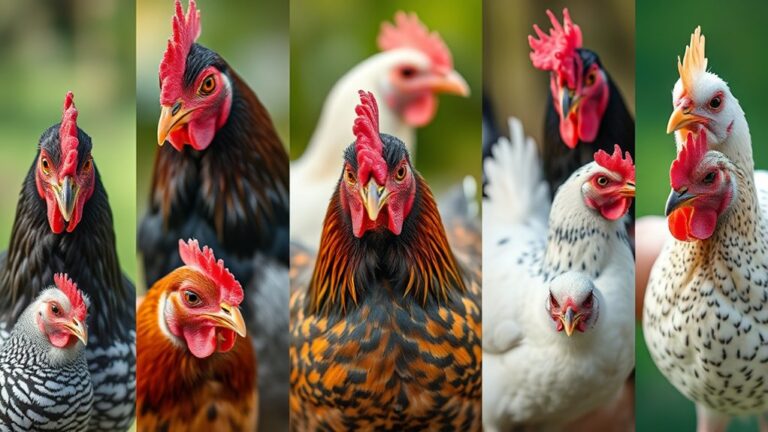
Their easygoing Cochin temperaments make them a good choice if you’re new to chickens or keep kids around the coop. You can also enjoy the variety among Cochin colors, from buff and black to blue and partridge, which adds charm to your yard.
Their easygoing temperaments make Cochins ideal for beginners, and their beautiful colors add plenty of backyard charm.
Cochin history shows they became popular for their size, fluff, and steady nature, not just for looks. While Cochin eggs aren’t the biggest or most abundant, they’re dependable enough for a small household.
Among Cochin breeds, these birds stand out because they’re patient, quiet, and visually striking, so you get a peaceful flock member that’s as pleasing to watch as it is to keep.
Set Up the Right Cochin Coop

Because Cochins are large, fluffy birds, their coop needs a little extra space and careful planning to keep them comfortable and clean. Choose a dry, draft-free coop with smooth floors you can clean easily.
Good Cochin coop design includes sturdy walls, secure latches, and ventilation near the roof so fresh air moves out without chilling your birds. Add low perches that Cochin hens can reach without jumping hard, and keep them wide enough for their feathered feet.
For nesting box essentials, use roomy boxes lined with clean straw or pine shavings, and place them in a quiet, dim corner. Make the entrance simple to access, since heavy feathers can slow your birds down.
You should also install a ramp with traction and check for gaps that let in rain or predators. When you plan the coop well, your Cochins stay healthier, calmer, and easier to manage.
Give Cochin Chickens Enough Space
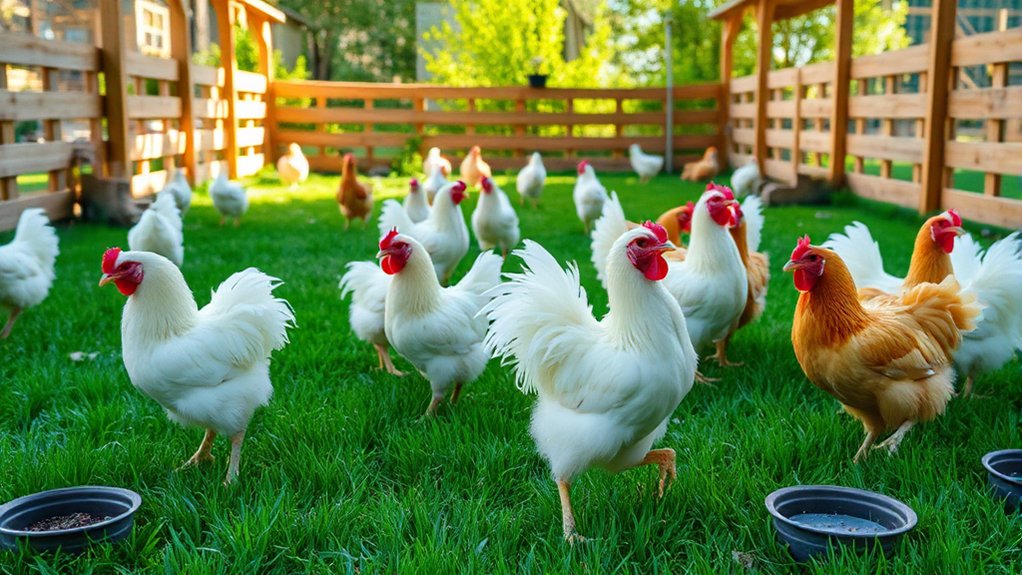
You’ll want to make sure your Cochin chickens have enough coop floor space so they can move around comfortably without feeling crowded. Giving them a roomy outdoor exercise area is a great idea, too—it helps keep them active, healthy, and less stressed. When you plan both their indoor and outdoor spaces thoughtfully, your flock will really thrive.
Coop Floor Space
Cochin chickens may be gentle and calm, but they still need plenty of coop floor space to stay healthy and stress-free. Give each bird enough room to move without bumping feathers, crowding feeders, or stirring up messes. A roomy coop also makes coop maintenance easier and helps floor cleaning go faster, since droppings won’t pile up as quickly.
Plan for at least 4 square feet per bird indoors. Increase space if you keep large roosters or heavy hens. Keep walkways open so birds can rest, eat, and scratch comfortably.
When you avoid overcrowding, you reduce pecking, damp litter, and stale air. That means healthier Cochins and a coop you can manage with less effort every day.
Outdoor Exercise Area
Give your Cochins a spacious outdoor run so they can scratch, stretch, dust bathe, and roam without feeling crowded. Aim for plenty of square footage because these large birds move slowly and appreciate room to investigate.
Use safe fencing that keeps predators out and prevents your flock from wandering off. Add outdoor enrichment like logs, low platforms, leafy cover, and shallow dusting spots to keep them active and mentally engaged.
Rotate plants or move movable toys to reduce boredom and protect the ground from becoming bare. If possible, provide some shade and dry areas so they can stay comfortable in hot or wet weather.
A well-designed exercise area supports healthier feet, better behavior, and happier Cochins every day.
Feed Cochin Chickens for Healthy Growth
To help your Cochin chickens grow strong, give them a balanced feed that matches their age and stage of life. You’ll want to make sure they get enough protein for steady growth, plus calcium to keep their bones healthy and support egg production. It’s also a good idea to stick to a consistent feeding schedule so they always have the nutrients they need. That way, your chickens can thrive and stay healthy every day.
Nutritious Feed Choices
When you choose the right feed, your Cochin chickens will grow steadily, stay healthy, and develop the strong body condition this breed needs. Offer a balanced organic feed as the base, then mix in grain alternatives and small vegetable scraps for variety. Use feeding accessories that keep food clean and easy to reach, and always watch hydration needs so they drink enough.
You can also support their routine with fresh forage from safe foraging opportunities, measured protein supplements when activity rises, and seasonal adjustments that match weather and yard access.
Keep portions consistent, and adjust feed when temperatures change or birds spend more time indoors. This simple approach helps you avoid waste, maintain interest at mealtime, and give your Cochins dependable nutrition every day.
Protein And Calcium
Protein and calcium work together to keep Cochin chickens growing well, laying strong eggs, and maintaining sturdy bones. You can support this by offering balanced protein sources such as soybean meal, peas, and mealworms, along with calcium supplements like oyster shell or crushed eggshells.
| Nutrient | Example | Benefit |
|---|---|---|
| Protein | Soybean meal | Muscle growth |
| Protein | Mealworms | Extra energy |
| Calcium | Oyster shell | Eggshell strength |
| Calcium | Crushed eggshells | Bone support |
| Both | Layer feed | Overall health |
Choose quality feeds and watch your birds’ body condition, feathering, and shell quality. If Cochin chickens look thin or produce soft-shelled eggs, adjust their diet with care. Don’t overdo treats, since too much can upset balance and slow healthy growth.
Feeding Schedule Basics
Because Cochin chickens grow quickly and stay heavy-bodied, you should feed them on a steady schedule that matches their age and purpose. Offer chicks starter feed several times a day, then switch to fewer meals as they mature. Use simple feeding techniques like timed refills and clean feeders to keep feed fresh and reduce waste. Watch portion control so birds eat enough without becoming overweight.
- Morning: give the main meal first.
- Midday: top up only if feeders are empty.
- Evening: check water and remove leftovers.
Adult Cochins do best with consistent access to balanced feed, while layers need extra calcium later. Adjust portions during cold weather, molting, or breeding, and keep treats limited. This routine supports healthy growth and steady energy every day.
Keep Cochin Feathers Clean and Dry
Keeping Cochin feathers clean and dry helps prevent matting, irritation, and skin problems, especially around their heavily feathered feet and legs. You should inspect the feathers often, especially after they’ve walked through mud, droppings, or damp bedding.
Gentle feather maintenance means removing debris by hand or with a soft brush before it hardens. If a bird gets especially dirty, use careful bathing techniques with lukewarm water and mild poultry-safe soap, then rinse thoroughly.
Dry the feathers completely with a towel and keep your Cochin in a clean, dry space until it’s fully fluffed again. Trim only damaged feather tips if needed, and never cut healthy feathers unnecessarily.
Check the coop daily for wet spots, and replace soaked litter right away. A tidy environment helps your bird stay comfortable and keeps its plumage looking full, smooth, and healthy.
Protect Cochins in Hot, Cold, and Wet Weather
Your Cochins really appreciate plenty of shade when the weather gets hot. So, be sure to provide cool spots where they can rest and keep away from heat stress. Now, when those cold months roll around, using dry winter bedding is a great idea. It helps them stay warm and keeps their feet and feathers nice and dry. And whenever rain or snow comes along, make sure their shelter stays dry and well-ventilated. That way, they’ll stay healthy and comfortable no matter what the weather brings.
Hot Weather Shade
When summer heat climbs, Cochins can overheat quickly, so shade becomes essential. You should give them cool relief with shade structures that block direct sun and let air move freely. Position trees, tarps, or roofed runs where your flock rests during peak afternoon heat.
Keep water nearby and check often for signs of heat stress, like panting, wings held away, or droopy posture.
- Place shade where birds can still scratch comfortably.
- Rotate portable covers as the sun shifts.
- Add airflow without trapping hot, stale air.
You’ll protect feathered feet and heavy bodies better when you combine shade with good timing. Let Cochins range early or late, then encourage them back under cover before temperatures spike.
Dry Winter Bedding
A dry, deep layer of bedding helps Cochins stay comfortable through cold snaps, damp spells, and even summer humidity. You can use straw, pine shavings, or chopped leaves as bedding materials. Then add more for winter preparation and heat retention. Good coop insulation works best when moisture control stays tight.
| Task | Purpose |
|---|---|
| Fluff bedding weekly | Preserve warmth |
| Replace wet spots fast | Stop odor and chill |
| Check nesting boxes | Improve nesting comfort |
| Watch birds daily | Support health monitoring |
Keep the floor dry, and your birds won’t waste energy fighting dampness. Bedding maintenance also cuts frostbite risk and keeps combs, feet, and feathers cleaner. With regular checks, you’ll give Cochins a cozy coop year-round.
Watch for Common Cochin Health Problems
Because Cochins are calm and heavy-bodied, they can be prone to a few common health issues, including bumblefoot, leg strain, heat stress, and parasite problems. You should check feet often for cuts, swelling, or debris, and keep bedding dry to reduce pressure sores.
Watch their combs and posture in hot weather, because heavy feathers can trap heat. Good coop hygiene also helps you limit mites and lice, which can affect feather disorders and overall comfort.
- Inspect pads and toes for early bumblefoot.
- Give low perches and soft ground to ease leg problems.
- Monitor appetite, droppings, and activity for respiratory issues or egg laying changes.
If you spot limping, scratching, or reduced movement, act quickly with cleaner housing and better footing. Regular handling lets you catch subtle changes before they become bigger problems.
When Cochins Need Veterinary Care
Even with good daily care, some Cochin problems need a veterinarian’s help fast. If you notice signs like labored breathing, sudden weakness, severe swelling, bleeding, or a bird that won’t eat or drink, call your vet right away.
You should also seek emergency care for possible broken bones, eye injuries, prolapse, seizures, or a crop that stays hard and full. Quick action can prevent pain and lower the risk of lasting damage.
| Problem | What you should do |
|---|---|
| Trouble breathing | Isolate the bird and contact a vet immediately |
| Heavy bleeding | Apply gentle pressure and get emergency care |
| Eye or leg injury | Keep the bird calm and seek treatment |
| Not eating or drinking | Monitor closely and call your vet |
Trust your judgment. If your Cochin looks worse within hours, don’t wait for tomorrow.
Handle Brooding and Raising Chicks
Raising Cochin chicks starts with giving them a warm, draft-free brooder, clean bedding, and steady access to fresh water and chick starter feed. Keep the heat around 95°F the first week, then lower it gradually as they grow. Good brooding techniques help you prevent chilling, piling, and uneven growth, so check the temperature often and adjust as needed.
Watch chick behavior to judge comfort. Spread feed and water so every chick can reach them. Replace wet bedding right away.
You should observe chick behavior daily. Active chicks that eat, drink, and investigate are thriving. If they huddle tightly, they’re too cold; if they stay far from the heat, they’re too warm. Handle them gently and briefly so they learn your presence without stress. Clean the brooder regularly, keep waterers shallow, and make sure the setup stays secure. With steady care, your Cochin chicks will grow slowly, steadily, and with strong starts.
Keep Cochin Chickens Calm and Happy
Cochins stay healthiest when their environment feels quiet, predictable, and safe. You can lower stress by keeping their coop roomy, clean, and free from sudden changes. Offer regular feeding times, fresh water, and a dry perch so they know what to expect each day.
Keep Cochins calm with a roomy, clean coop, steady routines, and a quiet, predictable environment.
When you approach, use gentle handling and move slowly so you don’t startle them. Speak softly, especially during cleaning or health checks, and give them a few seconds to settle before you pick them up.
You should also use positive reinforcement to build trust. Reward calm behavior with treats like leafy greens or mealworms, and avoid chasing birds that hesitate.
Give them access to shaded outdoor space, dust baths, and flock companions, since Cochins enjoy companionship and relaxed routines. Limit loud noises, pets, and crowding around the run.
If one bird seems nervous, separate the trigger and reintroduce it gradually so your Cochins stay confident, content, and easy to manage.
Frequently Asked Questions
How Long Do Cochin Chickens Usually Live?
Cochin chickens usually live about 5 to 8 years, though you can help them reach 10 years or more with good care. Your bird’s Cochin lifespan depends on genetics, diet, housing, and regular checkups.
Strong Cochin health starts with clean water, balanced feed, and protection from predators, heat, and damp conditions. If you watch for illness early and keep stress low, you’ll give your flock the best chance to thrive.
Do Cochin Hens Lay Eggs Year-Round?
Yes, you can expect Cochin hens to lay eggs year-round, but their egg production often drops in winter. You’ll usually see more consistent laying during warmer months, since daylight affects seasonal laying patterns.
If you want steady eggs, keep them healthy, feed them well, and provide extra light in shorter days. Don’t expect high output though; Cochins are better known for calm temperament than heavy egg production.
Can Cochins Live With Other Chicken Breeds?
Yes, you can keep Cochins with other chicken breeds, and about 9 in 10 mixed flocks do well when you match personalities. You should choose calm, non-bullying birds because Cochin temperament is usually gentle, friendly, and easygoing.
Good breed compatibility matters most when you give enough space, multiple feeders, and separate roosts. You’ll still need to watch introductions closely, but Cochins often fit nicely into a peaceful flock.
Are Cochin Chickens Good for Apartment Backyards?
Yes, you can keep Cochin chickens in an apartment backyard if you’ve got enough room and local rules allow it. Their gentle Cochin temperament makes them quiet and easy to manage, which helps in close neighborhoods.
Still, you’ll need to meet their space requirements with a secure coop, run, and regular cleaning. They’re not ideal for tiny yards, but they can work well in modest urban spaces.
How Do You Sex Cochin Chicks Early?
You can’t sex Cochin chicks perfectly early, but you can improve your odds with sex determination methods like vent sexing, feather sexing, and watching growth rate. You’ll notice Cochin chick characteristics such as comb size, leg thickness, and feathering speed.
Pullets usually feather faster and stay smaller, while cockerels often look bulkier and develop larger combs sooner. If you’re unsure, wait a few weeks and compare them again.
Conclusion
Cochin chickens reward you with beauty, calm, and steady companionship when you give them the care they need. Keep their coop roomy, their feed balanced, and their feathers clean, and they’ll thrive in your backyard like soft-feathered ambassadors of peace.
Stay alert to health issues, protect them from dampness, and handle chicks gently. When you meet their needs consistently, you don’t just raise chickens. You build a happier, healthier flock of Cochin chickens.