Best Chicken Breeds for Backyard Flocks
Choosing the best chicken breeds for backyard flocks can feel overwhelming, especially if you’re new to raising chickens. You’re not alone—many people struggle with picking breeds that balance temperament, productivity, and climate adaptability.
The good news is, with a little guidance, you can find the perfect chickens that fit your lifestyle and space.
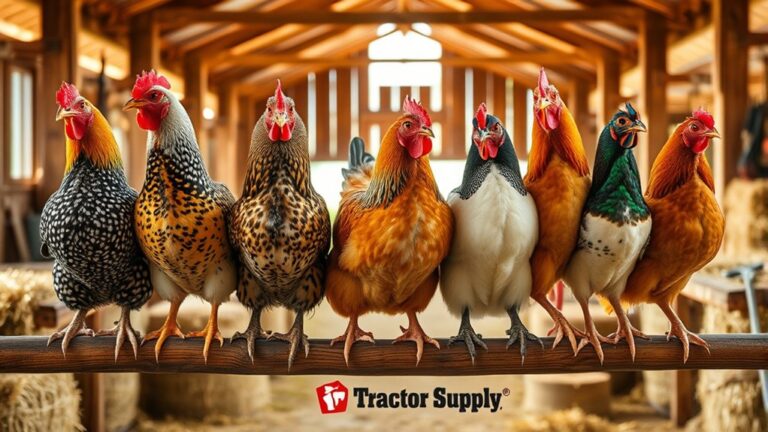
For a backyard flock, you’ll usually do best with calm, hardy, productive breeds like Rhode Island Reds, Plymouth Rocks, Sussex, Buff Orpingtons, and Easter Eggers.
If you want the most eggs, Leghorns are hard to beat, while Orpingtons and Silkies are especially friendly for families.
Choose breeds that fit your climate, space, and goals, whether you want winter toughness, heat tolerance, or low-maintenance care.
A few smart choices can make your flock easier and more rewarding.
Key Takeaways
- Choose calm, hardy breeds that are easy to handle and adapt well to backyard confinement or free-ranging.
- Leghorns, Rhode Island Reds, Plymouth Rocks, Sussex, and Easter Eggers are excellent egg-laying backyard choices.
- Buff Orpingtons, Silkies, and Brahmas are especially friendly breeds for families and children.
- For cold climates, pick Plymouth Rocks, Rhode Island Reds, Buff Orpingtons, Wyandottes, or Australorps.
- For hot climates or small spaces, choose Leghorns, Andalusians, Minorcas, Bantams, or Silkies.
What to Look for in Backyard Chickens

When you’re choosing backyard chickens, focus on traits that fit your goals and your setup: calm temperament, reliable egg production, cold or heat tolerance, and easy care. You should also think about size, noise level, and how well a bird adapts to confinement or free-ranging.
Choose backyard chickens by temperament, egg production, climate tolerance, and how well they fit your space.
If you live in a hot climate, pick chickens with lighter feathers and strong heat tolerance. If winters get harsh, choose birds with small combs and hardy body types. Match the flock to your space requirements so each bird has room to move, perch, and scratch without stress.
Check dietary needs too, because some breeds do better on standard feed while others need extra support during laying, molting, or seasonal changes. Healthy, active birds with clean feathers, bright eyes, and steady behavior usually settle in faster and stay productive.
When you plan carefully, you’ll build a flock that fits your routine and rewards you with fewer problems overall.
Best Chicken Breeds for Egg Production
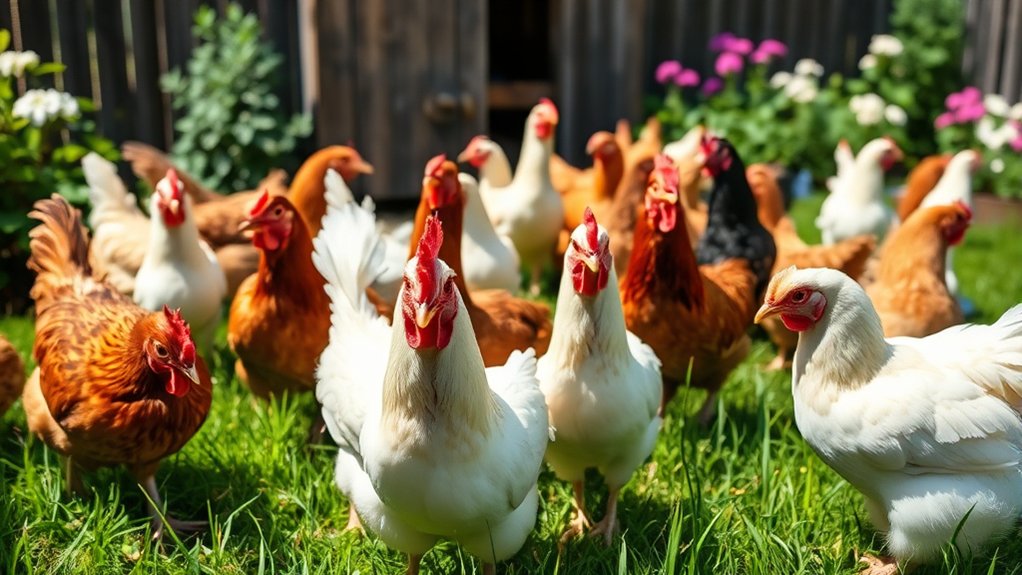
If eggs are your top priority, you’ll want breeds that lay consistently, start early, and keep producing through much of the year. Leghorns are standout high-yield layers, and they often give you large white eggs with impressive regularity.
Rhode Island Reds are another smart pick because they’re hardy, productive, and reliable in changing weather. If you want variety, try Plymouth Rocks or Sussex; they lay well and handle backyard life with ease.
Australorps also deserve attention since they’re famous for steady output and calm efficiency. For more egg color varieties, consider Easter Eggers, which can give you blue, green, or tinted eggs while still laying well.
You can also mix breeds to balance production and keep your basket interesting. When you choose layers with strong genetics and proper care, you’ll collect more eggs without much hassle. Make sure you provide good feed, water, and light.
Friendliest Chicken Breeds for Families
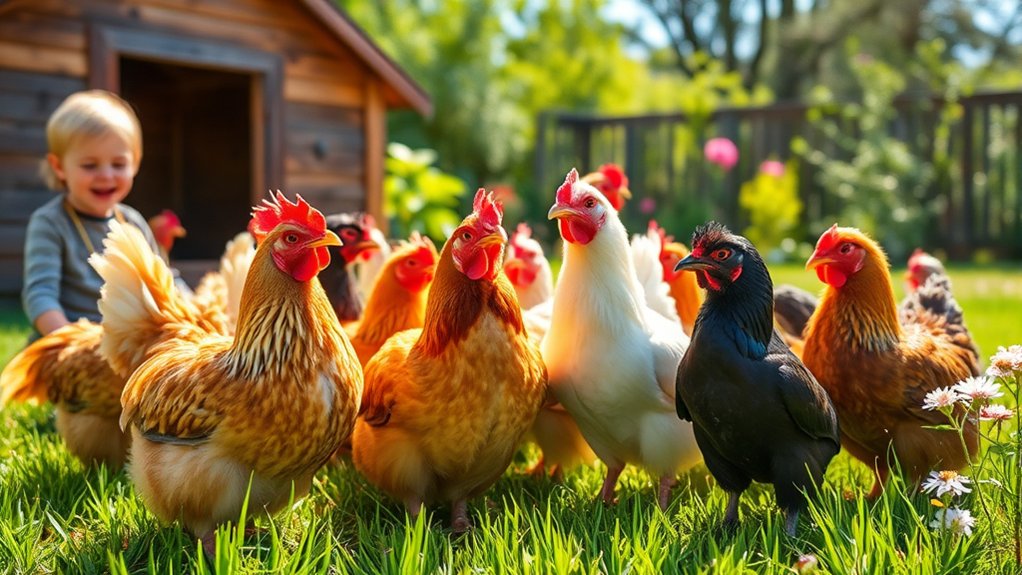
When you pick friendly chicken breeds for your family, you’re looking for birds that have gentle temperaments and feel comfortable around kids. Usually, the best breeds for children stay calm and are easy to handle. Plus, they tend to be social and like hanging out in the yard. These kinds of chickens make your flock more enjoyable and help create a smoother, more relaxed backyard experience.
Gentle Temperaments
Gentle chicken breeds can make backyard life easier, especially if you want birds that enjoy being handled and fit well into a family setting. You’ll notice their calm temperament traits during daily care, when gentle handling helps build trust fast.
Watch how they manage social interactions in the run; steady birds usually stay relaxed and avoid pecking disputes. Compare breeds by their stress responses, since some recover quickly from noise, weather, or routine changes.
Good environmental adaptability also matters if your coop shifts with seasons. Use simple training tips like offering treats, moving slowly, and speaking softly. These habits support better flock dynamics and help your birds settle into a peaceful rhythm.
Best Child-Friendly Breeds
For family flocks, you’ll want breeds that stay calm around kids, tolerate frequent interaction, and bounce back quickly from the noise and movement of a busy yard. Buff Orpingtons, Silkies, and Brahmas often fit that role well because they’re usually easy to handle and pleasant for young helpers.
You can build trust with short, supervised visits, gentle treats, and consistent routines that make kid-friendly interactions feel safe and fun. Teach children to approach slowly, support the bird’s body, and wash hands afterward.
Good chicken care tips also help: provide roomy housing, fresh water, and simple perches so your birds feel secure. When you choose steady, affectionate breeds, your backyard flock becomes easier to enjoy together.
Calm Social Behavior
Calm, social chickens make backyard life easier because they’re comfortable being near people, other birds, and everyday activity. You’ll notice they move with steady confidence, peck politely, and settle into the flock without drama.
Breeds with this temperament often handle handling better, which makes feeding, coop cleaning, and health checks less stressful for you and your family. They also support smoother social dynamics in mixed flocks, since they’re less likely to bully timid birds or panic during noise.
When you choose birds known for calm interactions, you get hens that fit well into busy yards and teach children to approach animals gently. Look for breeds that stay relaxed, stay curious, and respond well to routine.
Best Chicken Breeds for Cold Weather
If you live in a cold climate, you’ll want chickens that have thick feathers, small combs, and sturdy bodies to help them handle the winter months. Breeds like Plymouth Rocks, Orpingtons, and Wyandottes usually do better in chilly weather than most others. Picking the right cold-hardy birds can make a big difference in keeping your flock comfortable and productive all season long.
Cold-Hardy Breed Traits
Cold-hardy chicken breeds handle winter better because they have small combs and wattles, dense feathering, and sturdy body types that help them retain heat. When you choose birds with strong cold tolerance and high feather density, you give your flock a better chance to stay active, comfortable, and calm through freezing days.
You’ll also notice they waste less energy staying warm, which supports steady laying and better overall condition. Look for these traits:
- Tight, layered feathers that trap warmth
- Compact bodies that reduce heat loss
- Small combs and wattles that limit frostbite
These features won’t eliminate winter stress, but they do help you manage it. With the right birds, you can feel more confident when temperatures drop.
Top Breeds for Winter
When winter sets in, the best chicken breeds for cold weather are the ones that keep laying, stay healthy, and handle harsh conditions without much fuss. You’ll often do well with Plymouth Rocks, Rhode Island Reds, Buff Orpingtons, Wyandottes, and Australorps.
These breeds offer strong winter resilience, so they tolerate frost, wind, and short days better than lighter types. Their feather density helps trap heat, and their calm temperaments make coop management easier when conditions turn rough.
You should still provide dry bedding, draft-free shelter, and plenty of feed and water, but these birds won’t make winter feel like a crisis. If you want reliable eggs and hardy hens, these breeds give you a practical, low-stress start for the cold season.
Best Chicken Breeds for Hot Weather
Hot weather can stress chickens fast, so you’ll want breeds that handle heat well and keep laying without wilting. If you live in a warm climate, choose birds with strong heat tolerance and breed adaptability. That way, your flock stays active and productive.
Leghorns thrive in sun and rarely slow down, making them a smart, tough choice. Rhode Island Reds also cope well, as long as you give them shade and cool water. Andalusians and Minorcas bring stamina too, especially when daytime temperatures climb.
- Leghorn: energetic, efficient, and built for heat.
- Rhode Island Red: dependable layers that stay resilient.
- Andalusian: alert birds that don’t panic in warm spells.
You’ll help any hot-weather breed succeed by providing airflow, fresh water, and shaded spots to dust bathe. When you match the right breed to the climate, you protect your flock’s comfort and your egg basket.
Best Chickens for Small Backyards
If your backyard is small, you’ll want chicken breeds that stay compact, quiet, and easy to manage without sacrificing eggs. Bantams fit neatly into tight coops and run spaces, and they often bring strong small space adaptability without crowding your yard.
Silkies stay calm and docile, making them a smart pick for urban chickenkeeping where neighbors stay close. Wyandottes and Australorps also work well because they’re efficient layers that don’t need sprawling acreage to thrive.
You can keep your flock content with a secure pen, vertical roosts, and a clean nesting area. Choose birds with moderate feed needs and steady temperaments so daily care stays simple.
If you want color, personality, and practical egg production, these breeds give you a balanced mix. With the right setup, your small backyard can still support a productive, pleasant flock.
Best Chicken Breeds for Beginners
If you’re new to keeping chickens, it’s a good idea to pick breeds that have a calm and friendly temperament. That way, your flock will be easier to handle and care for. Plus, you’ll want birds that lay eggs regularly. Having steady egg production can really help boost your confidence as a beginner. These qualities make your very first backyard flock much more manageable and enjoyable.
Docile Temperament
When you’re choosing chicken breeds for a backyard flock, a calm, easygoing temperament can make all the difference, especially if you’re new to raising birds. You’ll feel more confident when your hens approach you without fear, and they’ll fit into your coop with less drama.
Gentle breeds often handle handling better, making daily care simpler and more enjoyable. Their relaxed nature also supports smoother social interactions and steadier flock dynamics, so you won’t spend your time breaking up squabbles. Look for birds that stay mellow around kids, pets, and visitors.
- You’ll enjoy quieter mornings.
- You’ll worry less about sudden pecking.
- You’ll build trust faster.
That calm energy turns chicken keeping into a rewarding routine, not a stressful chore.
Reliable Egg Layers
Egg baskets matter fast, especially for beginners who want steady results without a lot of guesswork. You’ll do well with breeds that lay often, tolerate simple care, and keep producing through the season. Look at this quick guide:
| Breed | Egg Color | Why You’ll Like It |
|---|---|---|
| Rhode Island Red | Brown | Hardy and dependable |
| Leghorn | White | Very high output |
| Plymouth Rock | Brown | Calm and steady |
| Sussex | Cream | Good for mixed flocks |
If you want heritage breeds, choose Sussex or Plymouth Rock for reliable laying plus backyard charm. Check egg color too, since it helps you build the basket you want. Pick birds that fit your climate, and you’ll get fewer surprises and more breakfast.
Best Dual-Purpose Chicken Breeds
Dual-purpose chicken breeds give you the best of both worlds: steady egg production and a solid table bird when needed. If you want birds that earn their keep, focus on heritage breeds like Plymouth Rock, Sussex, and Orpington. You’ll get dependable eggs, calm temperaments, and better meat quality than many high-output layers.
These birds also fit nicely into a backyard flock because they’re versatile and rewarding.
- Plymouth Rock: you’ll appreciate its hardy nature and dependable flock performance.
- Sussex: you get lively foraging, rich eggs, and a bird that’s satisfying at harvest.
- Orpington: you’ll love its gentle personality and plump frame.
When you choose dual-purpose chickens, you’re building flexibility into your homestead. You can enjoy breakfast from the coop and still know your flock can meet your family’s needs later. That balance feels practical, comforting, and deeply satisfying.
Low-Maintenance Chicken Breeds
If you want chickens that won’t demand constant attention, low-maintenance breeds are a smart place to start. You’ll appreciate birds that stay healthy, tolerate changing weather, and keep laying without fussy routines. Breeds like Plymouth Rocks, Orpingtons, and Sussex often fit this role because they’re calm, hardy, and forgiving for beginners.
Low-maintenance breeds stay healthy, handle weather changes, and keep laying without constant fuss.
You won’t need to pamper them, and they usually adapt well to simple coops and basic daily care. These easy care chickens also tend to forage efficiently, which can reduce feed costs and keep them active.
If you want steady production without constant intervention, look for sustainable egg layers that keep performing year after year. Their reliable temperament makes chores easier, and their resilience helps you avoid unnecessary stress.
Choose breeds with strong instincts, solid health, and consistent laying habits, and you’ll build a flock that works with you, not against you.
Match Breeds to Your Space and Goals
Your backyard setup should guide which chicken breeds you choose, because the right match depends on both your space and your goals. If you’ve got a small yard, pick compact birds that handle tight quarters well and respect your space requirements.
If you want a steady egg basket, choose dependable layers instead of flashy show breeds. And if you’re raising chickens for families, calm temperaments matter just as much as productivity.
- Small spaces: bantams or lighter breeds keep things peaceful and easy.
- Egg goals: choose layers that stay productive through the seasons.
- Mixed flocks: check breed compatibility so your birds settle in without stress.
When you match breeds to your space and goals, you avoid overcrowding, reduce conflict, and enjoy a flock that feels right for your life. That fit makes backyard chicken keeping more rewarding and far less frustrating.
Frequently Asked Questions
How Many Chickens Can I Legally Keep in My Neighborhood?
You can legally keep only as many chickens as your local chicken regulations and neighborhood ordinances allow. Check your city or county code, since limits often depend on lot size, zoning, and whether you keep hens or roosters.
Some areas ban chickens entirely, while others permit a few hens with permits. Call your local planning office, read the rules, and ask neighbors before you buy birds.
Do Backyard Chickens Need a Rooster to Lay Eggs?
No, you don’t need a rooster for egg production. Your hens will lay just fine without one. Ironically, the bird that crowds your coop with his proud crowing isn’t the one doing the useful work.
Rooster benefits mostly show up if you want fertilized eggs or flock protection, not everyday laying. You’ll get regular eggs from healthy hens, so you can skip the extra noise and keep things simpler.
What Predators Should I Protect My Chickens From?
You should protect your chickens from fox threats, hawk attacks, raccoon dangers, and coyote risks. Also watch for stray dogs, snakes, opossums, rats, and neighborhood cats.
Lock birds in a sturdy coop at night, use hardware cloth, not chicken wire, and cover runs with netting. Remove food scraps, secure feeders, and check fences often.
If you free-range, stay nearby because predators strike fast when you’re not watching.
How Often Should I Clean a Chicken Coop?
You should clean your chicken coop weekly, and do a quick spot-check daily. A tidy coop keeps hens healthier, so don’t let dirt pile up.
Set a regular cleaning schedule for coop maintenance: remove droppings, replace wet bedding, refresh water, and scrub feeders. Deep-clean monthly, or sooner if it smells bad or looks damp.
As the saying goes, an ounce of prevention’s worth a pound of cure.
Can Chickens Be Kept With Other Backyard Pets?
Yes, you can keep chickens with other backyard pets if you manage chicken compatibility and supervise pet interactions. You’ll want calm dogs, gentle cats, and secure fencing so everyone stays safe.
Introduce animals slowly, give chickens escape space, and never leave them alone with predators. You should also watch feeding areas because some pets may steal food or stress your flock. Careful planning helps everyone coexist peacefully.
Conclusion
When you choose the right flock, you’re not just picking chickens; you’re opening the coop door to fresh eggs, steady companionship, and a little backyard magic. Whether you want hardy birds for winter, calm hens for kids, or easygoing layers for busy days, the best breed fits your space and goals.
Like a well-tended garden, your flock rewards patience and care with plenty to enjoy. Pick wisely, and you’ll reap the benefits season after season with the best chicken breeds for backyard flocks.