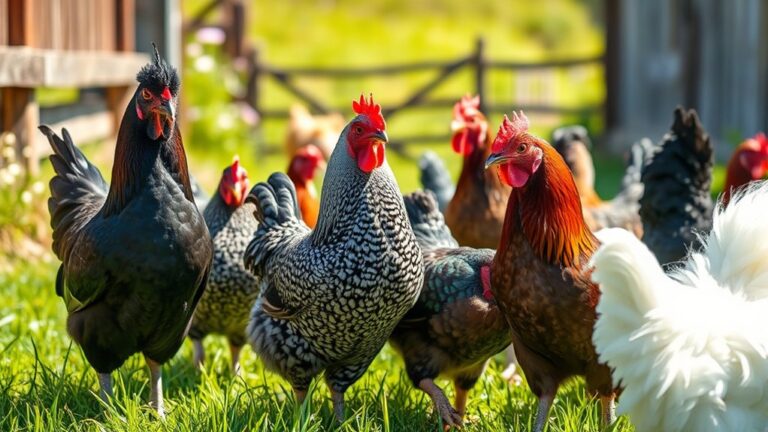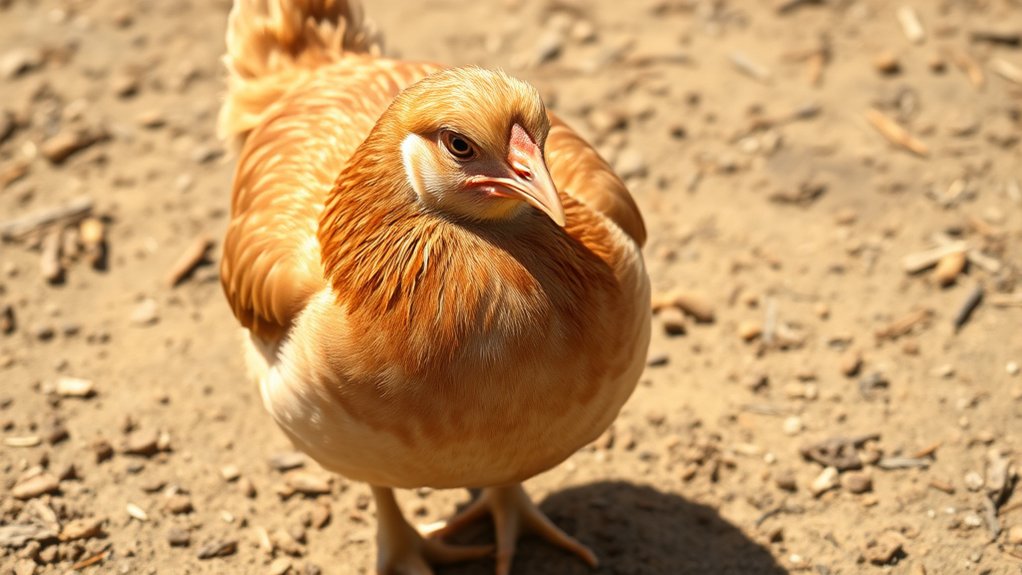
How to Identify a Hen as a Female Chicken
If you’ve ever tried to tell a hen apart from a rooster and felt unsure, you’re not alone. Many people struggle with identifying female chickens, especially when they’re new to raising poultry or just curious about their flock. Understanding the key signs can make all the difference in confidently recognizing hens and caring for them properly.
You can tell a hen apart by her softer, muted feathers and smaller, rounded comb and wattles. She’ll have a rounder, more compact body and cluck quietly rather than crow.
Hens prefer cozy, sheltered spots and show nesting behavior, especially as they mature. Their feathers and combs get fuller and more colorful with age.
Spotting multiple traits helps you confidently identify a hen, and there’s plenty more to uncover about their habits and signs.
Key Takeaways
- Hens have smaller, rounded combs and wattles compared to the larger, spikier ones of roosters.
- Female chickens display softer, duller feather colors with smooth neck feathers, unlike the vibrant feathers of males.
- Hens cluck softly and prefer quiet, cozy nesting spots. They show calm and brooding behaviors.
- They have rounder, more compact bodies, while roosters are taller and leaner with longer tail feathers.
- Observing multiple traits like feather pattern, comb size, behavior, and nesting habits ensures accurate hen identification.
How To Tell a Hen From a Rooster by Physical Traits
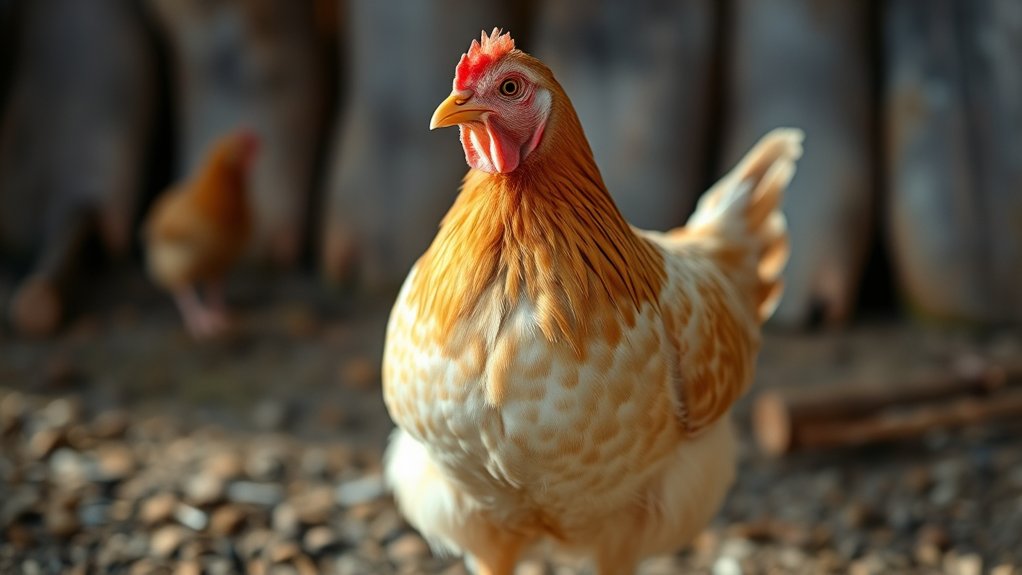
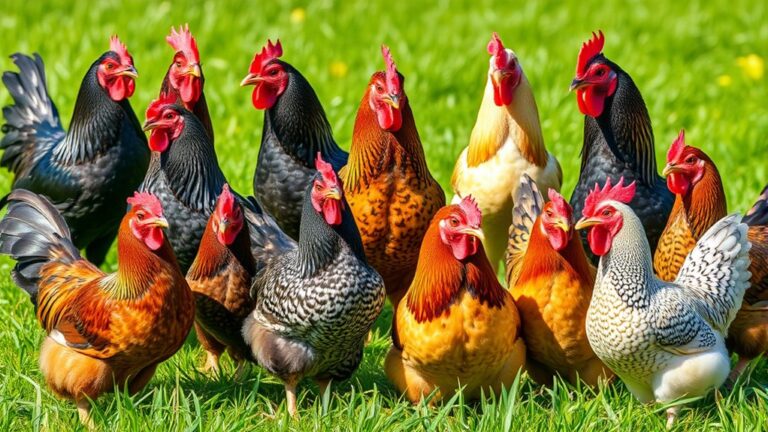
Although hens and roosters share many features, you can tell them apart by key physical traits. One of the most noticeable differences is feather color. Roosters often display brighter, more vibrant feather colors to attract attention, while hens usually have more muted, consistent tones.
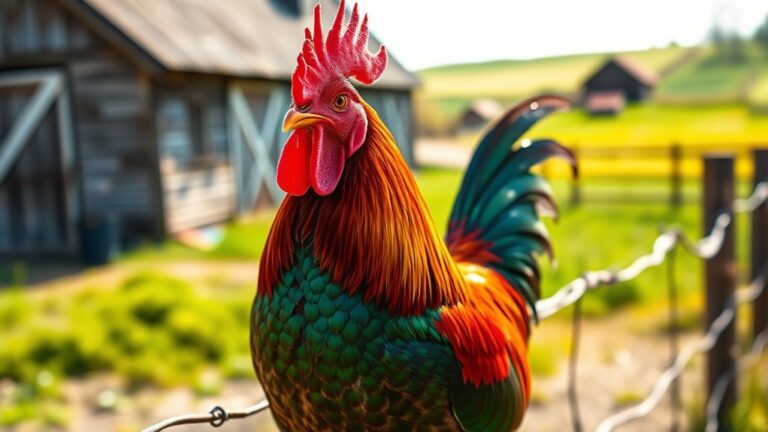
When you look closely, you’ll see that roosters might have iridescent feathers with a glossy sheen, whereas hens tend to have softer, duller feathers.
Tail shape also helps you distinguish between them. Roosters have long, curved tail feathers that arch elegantly, sometimes called sickle feathers, which hens lack.
In contrast, hens’ tails are shorter and more rounded, without the dramatic curve. Paying attention to these traits makes it easier to identify whether you’re looking at a hen or a rooster at a glance, even before checking other features like comb or wattle size.
These physical cues help you tell your female chickens apart confidently and quickly.
Identify Hens by Comb, Wattle, and Feather Patterns

When you examine a chicken’s comb, wattle, and feather patterns, you can quickly spot whether it’s a hen. Hens typically have a smaller, less pronounced comb shape compared to roosters. Their wattles are also more modest in size and less vibrant.
Feather color on hens tends to be more muted and consistent, lacking the bright, flashy patterns roosters often display. Look closely, and you’ll notice subtle differences that help identify hens.
Hens display softer, more consistent feather colors without the bright, flashy patterns seen in roosters.
The comb shape is often rounded or slightly scalloped, not tall or spiky. Wattles hang closer to the neck and aren’t as large or bright red.
Feather color on hens usually shows softer tones, with uniform patterns rather than bold contrasts. Feathers near the neck are smooth and even, without the long, pointed hackles found on roosters.
Body Shape and Size Clues to Hen Gender
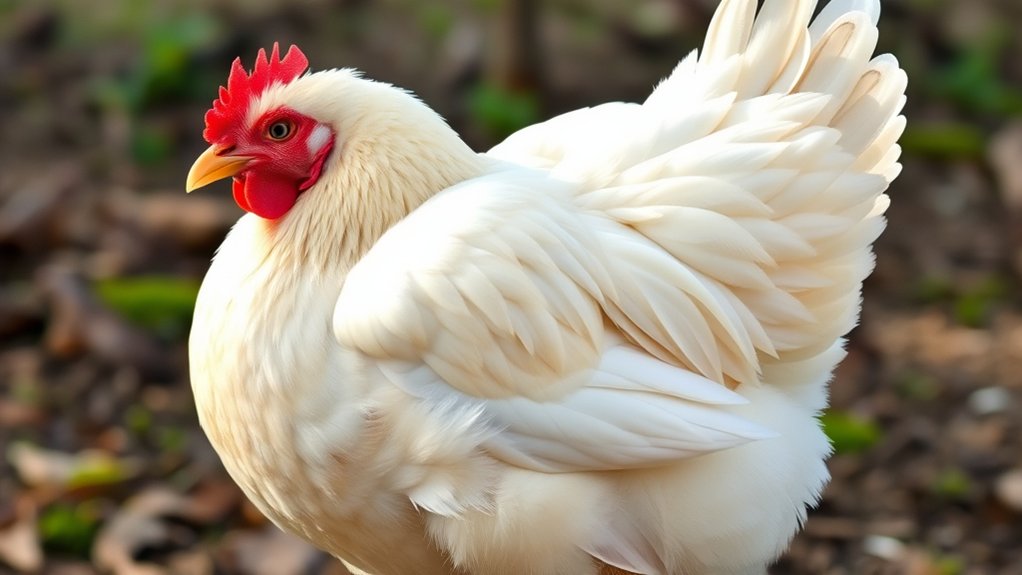
Besides combs, wattles, and feather patterns, a chicken’s body shape and size offer clear hints about its gender. Hens typically have a rounder, more compact body compared to roosters, whose frames appear taller and leaner.
You’ll notice hens often display softer feather coloration, with muted tones that blend well for camouflage, unlike the brighter, more vibrant hues roosters flaunt. Furthermore, hens usually have a more uniform feather distribution without the long, pointed saddle or hackle feathers seen in males.
While vocalization differences are not strictly about body shape, they complement what you observe physically. Hens tend to cluck and make softer sounds, whereas roosters crow loudly.
Paying attention to these vocal clues alongside body shape and feather coloration helps you confidently identify a hen. So, when you see a chicken with a round body, subtle feather coloration, and gentle vocalizations, you’re likely looking at a female chicken.
Behavioral Signs That Show It’s a Hen
If you watch a chicken closely, its behavior can reveal whether it’s a hen. Hens display unique habits that distinguish them from roosters. One of the most noticeable signs is their hen vocalizations, soft clucks and gentle calls, especially when they’ve found food or are communicating with chicks.
Observing a chicken’s gentle clucks and calls can help you identify a hen.
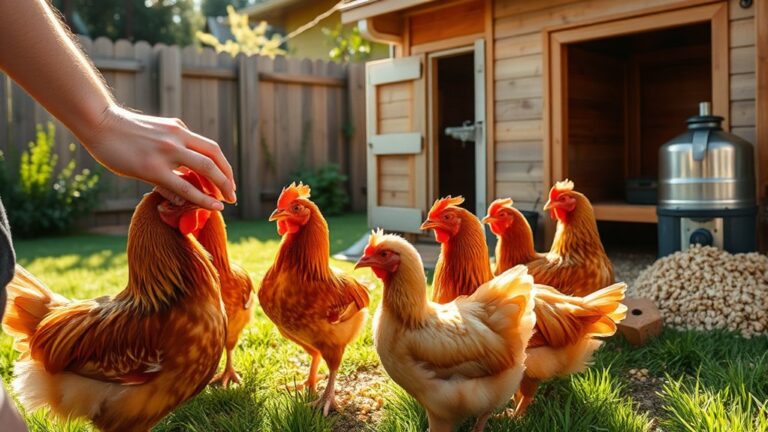
You’ll also notice their nesting behavior. Hens instinctively seek quiet, cozy spots to lay eggs and may even sit quietly for long periods.
Look for these behavioral cues:
- Frequent clucking sounds that are softer and less aggressive
- Scratching the ground to find food, then calling other chickens over
- Spending time in secluded areas, arranging straw or leaves for nests
- Sitting quietly and staying put for extended times as if brooding
When Hens Start Laying Eggs and Why It Matters
Although hens don’t start laying eggs immediately, you’ll notice a clear shift in their behavior and physical signs as they reach maturity. Most hens begin their egg laying cycles around 18 to 24 weeks old. During this time, you’ll see changes like increased activity and a fuller, more developed comb and wattles.
Understanding when hens start laying is important because it helps you manage their care effectively.
Good hen nutrition plays a vital role in supporting healthy egg production. Providing a balanced diet rich in protein, calcium, and essential vitamins ensures your hen can maintain consistent egg laying cycles.
Poor nutrition can delay laying or reduce egg quality. By recognizing the start of egg laying and adjusting feed accordingly, you support the hen’s health and productivity, guaranteeing you get the best from your flock.
This knowledge also helps you distinguish mature hens from younger birds not yet ready to lay.
Telling Hens Apart From Chicks and Pullets
While chicks and pullets often look similar at a glance, you can tell hens apart by observing their size, feather development, and behavior. Hens are larger and have fully developed feathers, unlike the fluffy down of chicks or the patchy feathers of pullets. Their behavior also changes. They become more settled and focused on foraging, reflecting their specific hen dietary needs.
Pay attention to these signs:
- Size difference: Hens are noticeably bigger than chicks and pullets.
- Feather quality: Smooth, fully grown feathers signal a hen, while chicks have soft down and pullets have uneven feathers.
- Foraging habits: Hens actively scratch and peck for food, aligned with their hen dietary needs.
- Habitat preferences: Hens prefer established roosting spots and nesting areas, unlike the more exploratory pullets and chicks.
Observing these details helps you confidently distinguish hens from younger chickens.
How Age Changes a Hen’s Appearance
As your hen ages, you’ll notice distinct changes in her appearance that reflect her growth and maturity. Her feathers become fuller and more vibrant, thanks in part to a balanced hen diet rich in proteins and essential nutrients. This diet supports feather health and overall vitality, making her look more robust compared to when she was a chick or pullet.
You’ll also observe shifts in her comb and wattles, which grow larger and deeper in color as she matures. These changes signal her readiness for laying eggs. Furthermore, her nesting behavior becomes more pronounced; she’ll spend more time in the nesting box and may exhibit protective tendencies.
Her posture might become steadier and more confident, reflecting her maturity.
Common Hen Identification Mistakes to Avoid
Because hens can vary widely in appearance, it’s easy to misidentify them if you rely on a single characteristic. Avoid these common mistakes to prevent breeding challenges and issues with housing considerations. Don’t assume size alone determines gender. Some hens can be large, and some roosters small.
Avoid mistaking feather color or pattern as definitive since mixed breeds often blur these lines. Don’t rely solely on comb size or shape, as these can change with age and environment. Finally, don’t ignore behavior. Some hens can exhibit rooster-like actions under stress or in crowded housing.
Watch out for these pitfalls:
- Mistaking a young rooster for a hen due to immature combs.
- Confusing molting hens’ feather loss for illness or male traits.
- Overlooking subtle differences in tail feathers.
- Assuming all hens will vocalize softly, ignoring breed variations.
Simple Tips for Confident Hen Identification
Avoiding common identification mistakes sets a solid foundation for recognizing hens confidently. First, pay close attention to feather color variations. Hens often have softer, more muted tones compared to roosters. These subtle differences help you distinguish females without confusion.
Next, observe habitat preferences. Hens usually stay closer to nesting areas and prefer sheltered spots for laying eggs. You can use this behavior to identify them more easily. Also, note their smaller combs and wattles, which are less pronounced than those of roosters.
When you combine these visual cues with behavior patterns, your identification becomes much more reliable. Don’t rely on a single trait; instead, look at the whole picture, including feather patterns and where the bird spends most of its time. By doing this, you’ll quickly gain confidence in spotting hens, even in mixed flocks or varied environments.
FAQs About Identifying Hens
Wondering how to quickly tell if a chicken is a hen? You’ll want to focus on a few key traits and behaviors that distinguish female chickens. Hens usually have smaller combs and wattles compared to roosters, and they often exhibit calmer behavior.
Understanding hen nutrition helps too. They require a balanced diet rich in calcium for strong eggshells, which influences their appearance and energy levels. Also, hens prefer certain habitat preferences like cozy nesting areas and sheltered spots for laying eggs.
Here are some quick pointers to identify hens:
- Smaller, rounded comb and wattles
- Consistent egg-laying behavior
- Preference for nesting in quiet, protected spaces
- Pecking at food suited to hen nutrition, like grains and calcium-rich supplements
Keeping these tips in mind makes recognizing hens easier, whether you’re new to poultry or just want to sharpen your eye.
Frequently Asked Questions
Can Hens Recognize Their Owners?
Yes, hens can recognize their owners by using their strong social behaviors and keen memory. When you spend time with them, they learn to associate your presence with food and safety.
Their nesting instincts make them protective and attentive, so they often respond to familiar voices and gestures. By consistently interacting with your hens, you’ll notice they become more comfortable and responsive, showing clear recognition of you over time.
Do Hens Have Unique Vocalizations?
You know how every friend has a voice you instantly recognize? Hen vocalizations work the same way. Each hen has unique clucks and calls that you can learn to distinguish.
While rooster calls often signal territory or alarm, hens use softer, varied sounds to communicate contentment or alert their flock. Paying attention to these subtle differences helps you connect deeply with your chickens. You’ll understand their moods and needs better than ever.
How Long Do Hens Typically Live?
You can expect a hen lifespan to range between 5 to 10 years, depending on care and breed. Chicken longevity varies widely. Backyard hens often live longer than commercial ones because they have better conditions and less stress.
If you provide proper nutrition, shelter, and protection from predators, your hen can enjoy a healthy life closer to the upper end of that range. Regular health checks also boost chicken longevity.
Can Hens Get Sunburned?
You might be surprised, but yes, hens can get sunburned! Their hen skin isn’t as tough as you’d think, especially in areas with less feather coverage.
Without proper sun protection, prolonged exposure to strong sunlight can cause redness and irritation. To keep your hens safe, provide shaded spots or use safe sunblock designed for animals.
Taking these steps guarantees your chickens stay comfortable and healthy under the sun’s rays.
What Do Hens Eat Besides Chicken Feed?
Besides chicken feed, you should let your hens enjoy natural foraging by allowing them to scratch around for insects, worms, and plants. This keeps them active and healthy.
You can also offer supplementary treats like kitchen scraps, fruits, vegetables, and grains to add variety to their diet. Just avoid giving them anything toxic, and don’t overdo treats to maintain balanced nutrition for your hens.
Conclusion
Now that you’ve unfastened the subtle dance of feathers, combs, and behaviors, spotting a hen becomes second nature. Like reading the gentle script of nature’s handwriting, you’ll see the quiet strength and grace in her every move.
Trust your eyes and instincts; they’re your compass in this feathered world. With these tips, identifying a hen isn’t just a task; it’s an art you’ll master with every cluck and flutter. Recognizing a hen as a female chicken truly becomes second nature.