How to Tell If a Hen Is a Chicken
If you’ve ever found yourself confused about whether a hen is a chicken, you’re not alone. Many people struggle with telling the difference, especially if they’re new to raising poultry or just curious about backyard birds. Understanding this can help you better care for your flock and appreciate their unique behaviors.
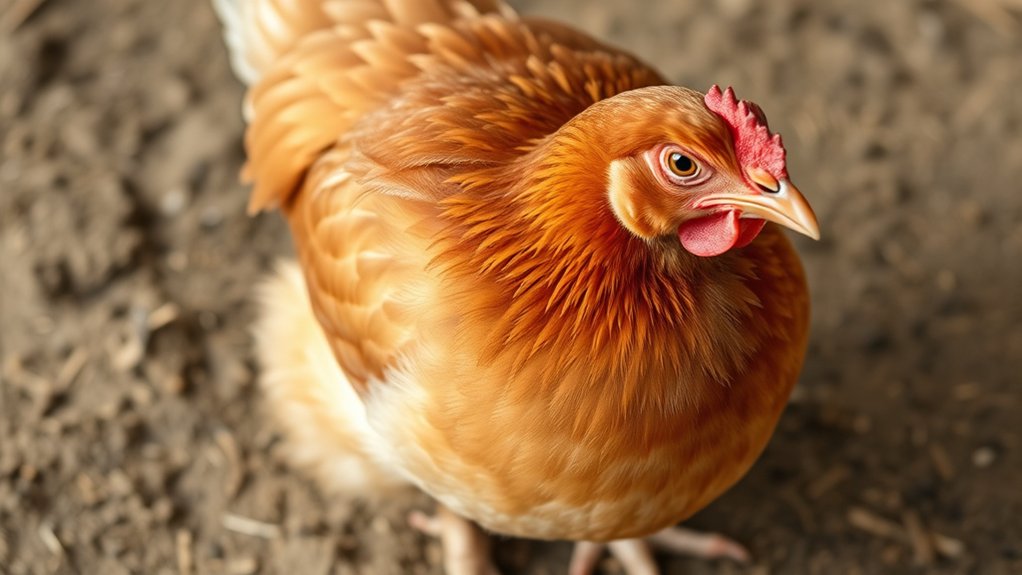
You can tell a hen is a chicken because a hen is simply an adult female chicken. Look for smaller, paler combs and wattles, a rounder body, and a horizontal posture.
Hens focus on nesting and egg-laying, so you might notice them sitting quietly in nesting boxes. All hens are chickens, but not all chickens are hens.
If you want to understand their behaviors, lifecycle, and breed differences, there’s plenty more to investigate.
Key Takeaways
- A hen is an adult female chicken, so all hens are chickens but not all chickens are hens.
- Hens have smaller, paler combs and wattles compared to roosters and a rounder body shape.
- Chickens include both males and females, while hens specifically focus on nesting and egg-laying behaviors.
- Hens exhibit softer clucking sounds and less aggressive behavior than roosters.
- Physical maturity signs like developed feathers, combs, and wattles indicate a hen within the chicken species.
What Is the Difference Between a Hen and a Chicken?
How can you tell the difference between a hen and a chicken? Simply put, a hen is a specific type of chicken, an adult female. When you observe hen nesting behavior, you’ll notice she’s focused on creating a safe, comfortable spot to lay her eggs.
A hen is an adult female chicken, known for nesting to lay her eggs safely.
This instinctive action distinguishes hens from other chickens, like roosters or young pullets. On the other hand, chicken flight refers to the chicken’s ability to flutter or fly short distances, usually to escape danger or reach a perch.
While both hens and roosters can exhibit chicken flight, hens might use it less frequently since they spend more time nesting or caring for chicks. So, while all hens are chickens, not all chickens are hens.
Understanding these behaviors helps you recognize the hen’s unique role within the broader category of chickens.
Why Do People Often Confuse Hens and Chickens?

You might get confused because people often use the words hen and chicken interchangeably. And honestly, hens and other chickens can look pretty similar when you first see them. But once you understand these differences, it becomes way easier to tell them apart.
Terminology Misunderstandings
Because the terms “hen” and “chicken” are often used interchangeably in everyday conversation, many people get confused about their exact meanings. When you explore urban farming or raise backyard poultry, understanding this distinction becomes important.
A chicken is the species, a bird that includes both males and females. A hen, on the other hand, specifically refers to an adult female chicken.
People new to raising poultry might say “hen” when they mean “chicken” or use “chicken” to describe just the females. This mix-up happens because common language doesn’t always match scientific or farming terms.
Visual Similarities
Although hens are a type of chicken, their similar size, shape, and feather patterns often make it hard to tell them apart from other chickens at a glance. When you look closely, you’ll notice that the feather sheen on hens usually appears softer and less iridescent compared to roosters, but this subtle difference can be easily missed.
Beak shape also doesn’t offer much help since hens and roosters share similar beak structures, designed for pecking and foraging. Because of these visual similarities, it’s natural to confuse hens with other chickens, especially if you’re unfamiliar with specific breeds or behaviors.
Paying attention to subtle cues beyond appearance, like vocalizations or behavior, often helps you identify hens more accurately.
Physical Features That Identify a Hen

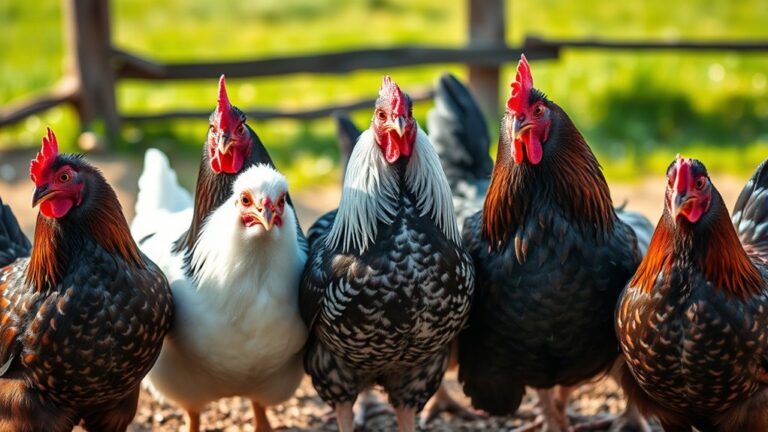
You can start spotting a hen by looking at the size of her comb and wattles—they’re usually smaller than a rooster’s. Also, pay attention to her feather patterns and colors because hens often have more subdued shades. And don’t forget to check her body shape and size; hens tend to be rounder and more compact.
Comb And Wattle Size
When you examine a chicken’s comb and wattles, you’ll notice distinct differences that help identify a hen. Unlike roosters, hens typically have smaller, less pronounced combs and wattles. Here’s what to look for:
- Comb Size: Hens’ combs are usually compact and lie closer to the head, unlike the large, upright combs of roosters.
- Wattle Size: Wattles on hens are generally smaller and less vibrant, reflecting their less dominant role.
- Comb Color: Hens’ combs often have a paler red shade, especially when they’re not in peak laying condition, contrasting with the bright red seen in roosters.
These features, along with a smooth feather sheen, provide clear physical cues to tell hens apart from roosters without confusion.
Feather Patterns And Colors
Since feather patterns and colors vary between hens and roosters, you can use these differences to identify a hen quickly. Hens generally have more muted feather coloration, while roosters often show brighter, more vivid colors.
Pattern variations also help; hens typically display consistent, subtle patterns, whereas roosters flaunt bold, eye-catching designs. Here’s a simple way to compare:
| Feature | Hen | Rooster |
|---|---|---|
| Feather Coloration | Soft, dull shades | Bright, iridescent hues |
| Neck Feathers | Short, rounded | Long, pointed |
| Tail Feathers | Short, rounded | Long, curved |
| Wing Patterns | Even, blended | Contrasting, sharp |
| Overall Pattern | Uniform, subtle | Dramatic, varied |
Look closely at feather coloration and pattern variations to distinguish hens from roosters effectively.
Body Shape And Size
Although feather patterns provide useful clues, body shape and size offer additional clear indicators to identify a hen. When observing a hen, pay attention to these key features:
- Body Size: Hens tend to have a more compact and rounded body compared to roosters. This makes them appear smaller and less bulky.
- Feather Sheen: Unlike the glossy, iridescent sheen on roosters’ feathers, hens have a softer and more matte feather sheen that reflects less light.
- Beak Shape: Hens usually have a shorter, more delicate beak. Roosters’ beaks are often longer and more pronounced, which helps them assert dominance.
Differences Between Male and Female Chickens
Distinguishing between male and female chickens is easier than you might think once you know what to look for. Female chickens, or hens, are primarily known for egg production. You’ll notice hens have smaller combs and wattles compared to males.
Knowing the key differences makes identifying hens by their smaller combs and wattles simple and straightforward.
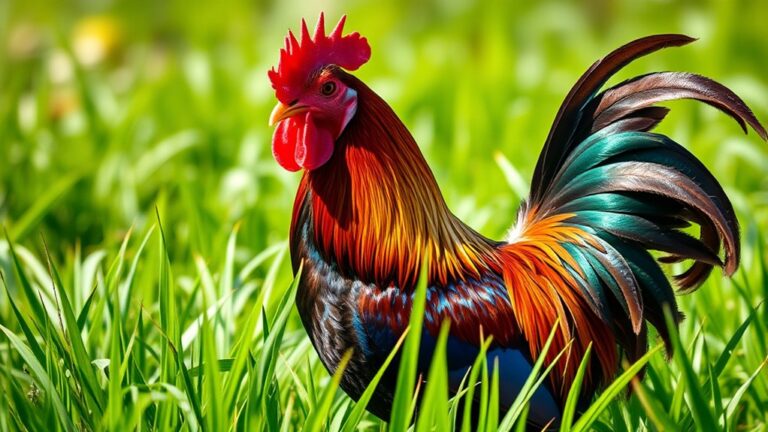
Rooster identification is straightforward because roosters typically exhibit larger, more vibrant combs and wattles. They also have longer tail feathers that curve elegantly and more pronounced spurs on their legs.
In behavior, roosters tend to be more aggressive and protective, often crowing loudly to assert dominance. Hens are generally quieter and focus on nesting and laying eggs.
While both sexes share similar body shapes, roosters are usually bulkier and stand taller. By paying attention to comb size, feather shape, and behavior, you’ll quickly tell roosters from hens without confusion. This knowledge helps you manage your flock effectively and understand their roles better.
What Hens Look Like at Different Ages
Knowing how to tell hens apart from roosters sets a solid foundation for recognizing how hens change as they grow. In both farmyard folklore and backyard habitats, understanding these changes helps you identify a hen’s age and stage quickly.
- Chicks (0-6 weeks): At this stage, hens have soft down feathers and are tiny. Their coloring is often muted, making them resemble roosters, but their combs remain small and pale.
- Pullets (6 weeks to 5 months): You’ll notice their feathers take on adult patterns, and combs start to grow but stay less vibrant than roosters. Their bodies slim down, preparing for egg-laying.
- Adult Hens (5 months+): Full feathers, bright red combs, and wattles signal maturity. Their posture is more upright, and their plumage is sleek, distinguishing them clearly in any backyard habitat.
How Hens Behave Compared to Other Chickens
When you observe hens alongside other chickens, you’ll notice they often exhibit calmer and more nurturing behaviors. Hens use specific hen vocalizations to communicate, especially when protecting their chicks or signaling contentment. Their nesting behaviors are distinct. They spend time arranging and guarding their nests, unlike roosters or younger chickens who focus more on foraging or social dominance.
Here’s a quick comparison to help you spot these differences:
| Behavior Type | Hens |
|---|---|
| Vocalizations | Soft clucking, warning calls |
| Nesting Behaviors | Frequent nest visits, egg care |
| Social Interaction | Protective, nurturing |
| Activity Level | Moderate, focused on offspring |
| Aggressiveness | Low, except near nests |
Key Physical and Behavioral Signs of a Hen
Although hens share many features with other chickens, you can identify them by certain physical traits and behaviors that set them apart. When you’re managing an urban farming setup or a backyard coop, spotting these signs helps you care for your flock better.
- Comb and Wattles Size: Hens usually have smaller, paler combs and wattles compared to roosters. This subtle difference is easier to see once you’re familiar with your birds.
- Body Shape: Hens tend to have rounder bodies and shorter tails. Their posture is more horizontal, unlike the upright stance of roosters.
- Behavioral Traits: Hens often exhibit nesting behavior, like scratching in bedding or sitting quietly in nesting boxes. They’re less aggressive and more focused on egg-laying duties.
Lifecycle Stages of Hens and Chickens Explained
You’ll first see a hen’s journey starting as an egg that hatches into a chick. Then, the chick grows into a pullet, showing signs of maturity. Finally, you’ll recognize an adult hen by her distinct physical and behavioral traits.
It’s pretty interesting how each stage has its own unique characteristics, isn’t it? From the tiny, fluffy chick to the almost-grown pullet, and then to the full-grown hen, you can really see the changes happening step by step.
Egg To Chick Growth
As a hen lays an egg, a remarkable transformation begins inside it, setting the stage for new life. Your role is to understand this process, especially the importance of egg incubation and nesting behavior. The hen’s instinct to keep the eggs warm and protected is essential for development.
Here’s what you need to know about egg to chick growth:
- Egg Incubation: The hen maintains a steady temperature by sitting on the eggs, ensuring the embryo develops properly.
- Embryo Development: Over 21 days, the embryo grows, forming critical organs and features.
- Hatching: The chick uses its egg tooth to break the shell, emerging ready to begin its life.
Chick To Pullets Transition
Once the chick hatches, it enters a phase of rapid growth and change before becoming a pullet. During this stage, you’ll notice the chick developing juvenile feathers and gaining strength daily.
Providing balanced poultry nutrition is vital now, as it supports healthy bone development and feather growth. Make sure to offer feed rich in proteins, vitamins, and minerals tailored for young birds.
Creating a safe, comfortable space with appropriate henyard decor helps reduce stress and encourages natural behaviors like scratching and exploring. As the chick progresses into a pullet, its personality and physical traits become more defined, preparing it for adult life.
Watching this stage closely guarantees you meet its needs and recognize when it’s ready to move on in its lifecycle.
Adult Hen Characteristics
Although hens and chickens are often used interchangeably, adult hens have distinct characteristics that set them apart in their lifecycle. Understanding these traits helps you care for them properly. Here’s what you should know about adult hens:
- Physical Traits: Adult hens have fully developed feathers, combs, and wattles. They display a more robust, rounded body shape than pullets.
- Hen Nutrition: They require a balanced diet rich in protein and calcium to support egg production and overall health.
- Hen Habitat Needs: Adult hens need secure coops with adequate ventilation, nesting boxes, and space to roam, ensuring they stay stress-free and productive.
Chicken Breeds and What Their Hens Look Like
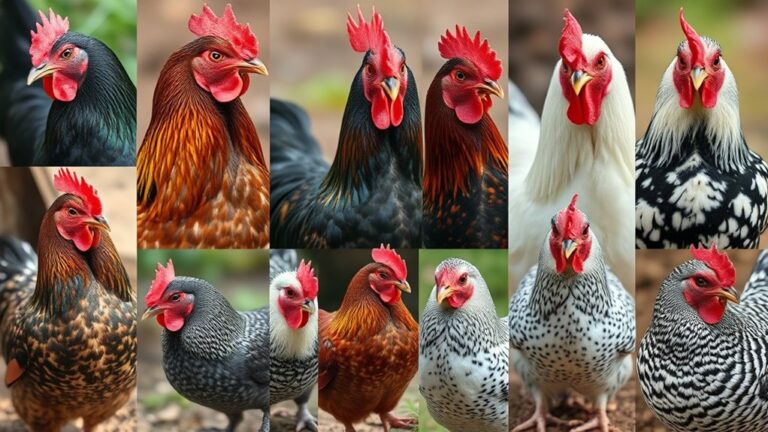
When you start exploring different chicken breeds, you’ll notice that hens vary widely in size, color, and feather patterns. Some breeds, like the Rhode Island Red, have a rich, deep feather sheen that gleams in the sunlight, while others, such as the Silkie, boast fluffy, soft feathers that look almost like fur. These variations aren’t just about appearance; they can hint at the breed’s origin and temperament.
Pay attention to vocal patterns, too. Hens from different breeds communicate distinctively. Some are quieter and more reserved, while others have louder, more frequent clucks and calls. For example, Leghorn hens tend to be more vocal and alert, signaling their active nature. By observing both their feather sheen and vocal patterns, you can better identify what breed your hen belongs to and appreciate the unique traits each breed brings to your flock.
Tips for Caring for Healthy Hens
Recognizing the unique traits of different hen breeds helps you understand their specific needs better. To keep your hens healthy, you’ll want to focus on a few key areas.
First, establish consistent feeding routines. Provide a balanced diet rich in nutrients and clean water daily to boost their immunity and egg production.
Second, maintain excellent coop hygiene. Regularly clean bedding, remove droppings, and ensure good ventilation to prevent diseases and parasites.
Third, monitor your hens’ behavior and health closely. Watch for signs of stress or illness, such as lethargy or unusual feather loss, and act quickly if you notice problems.
Frequently Asked Questions
How Long Do Hens Typically Live Compared to Roosters?
Hens typically live longer than roosters, mainly because hens focus on egg production, which requires a healthier, longer lifespan. You’ll usually see hens living around 5 to 8 years, while roosters often live about 4 to 6 years.
When you compare their lifespans, hens tend to outlast roosters since roosters face more risks like aggression and less care. So, for egg production, hens have the advantage in lifespan.
Can Hens and Chickens Be Kept With Other Types of Poultry?
Think of your backyard as a bustling neighborhood where hens and chickens mingle with other poultry. You can keep them together, but you’ll need to watch for clashing social behaviors since some birds may ruffle feathers over space or pecking order.
Mixing species can impact egg production if stress rises, so provide plenty of room and resources. With patience, your feathered friends can coexist, creating a lively, productive flock that sings nature’s chorus.
What Are Common Health Issues Specific to Hens?
You’ll often see common health issues in hens like mites or lice, which can harm their feather health and make them uncomfortable. Egg production problems, such as soft shells or reduced laying, can signal nutritional deficiencies or infections.
Watch for respiratory issues and parasites too, as they affect overall wellbeing. Keeping their environment clean and providing balanced feed helps maintain their health and supports steady egg production and vibrant feathers.
How Do Hens Affect Garden Pest Control?
Oh sure, let your garden become a buffet for every bug imaginable unless you let hens in! You’ll love how hens provide natural pest control by munching through pests like caterpillars and beetles, saving your plants from doom.
They’re like tiny, feathered soldiers defending your garden ecosystem without pesticides. Plus, they turn the soil while they forage, boosting plant health. So, let hens do their thing and watch your garden thrive effortlessly!
Are Hens Used Differently in Farming Versus Backyard Settings?
You’ll notice hens behave differently in farming versus backyard settings. On farms, hen behavior focuses on efficiency and egg production, often in controlled environments.
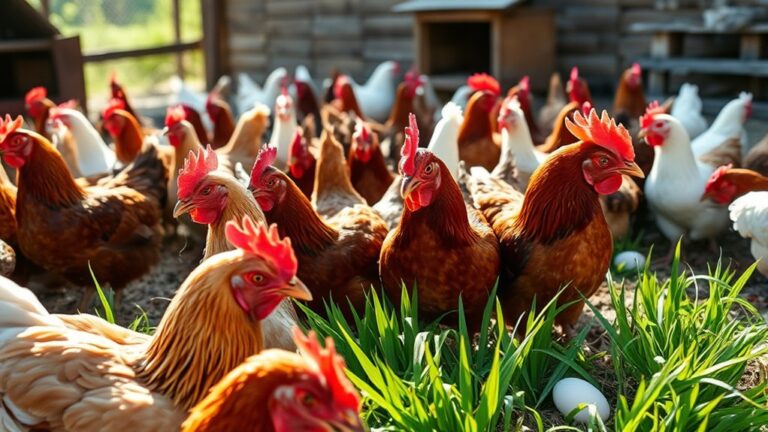
In your backyard integration, hens get more freedom to forage and roam, which encourages natural behaviors like scratching and pecking. This makes backyard hens great for pest control and soil aeration, while farm hens are managed for consistent output and space optimization.
Conclusion
Now that you know a hen is simply a female chicken, you might wonder why people confuse them. It’s easy to mix them up since all hens are chickens, but not all chickens are hens.
By focusing on physical traits and behaviors, you can confidently tell a hen apart. So next time you see a flock, you’ll spot the hens with ease and maybe even impress others by busting the myth that hens and chickens are totally different animals! Knowing how to tell if a hen is a chicken makes all the difference.