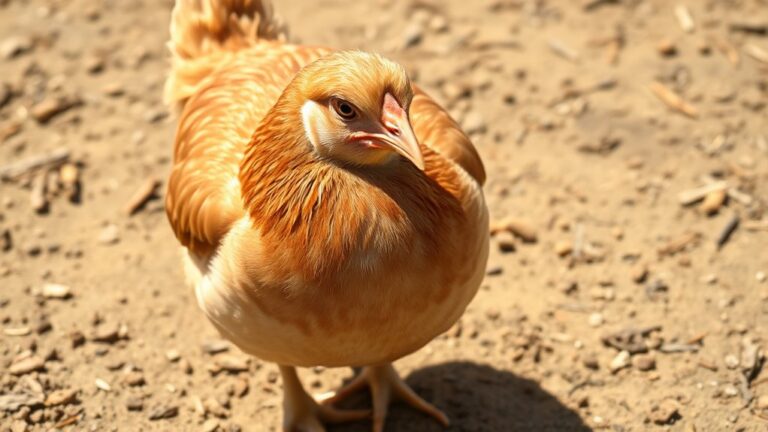
Is a Hen Male or Female?
If you’ve ever found yourself wondering whether a hen is male or female, you’re not alone. Many people struggle with identifying chickens and understanding their roles, especially when it comes to telling hens and roosters apart. It can be confusing if you’re new to raising chickens or just curious about these fascinating birds.
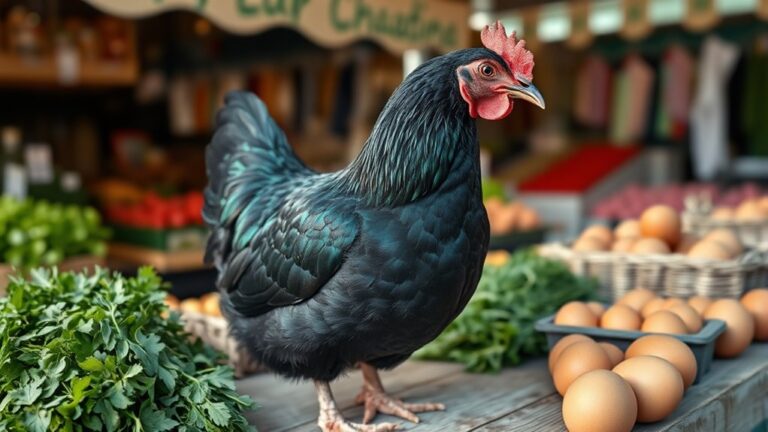
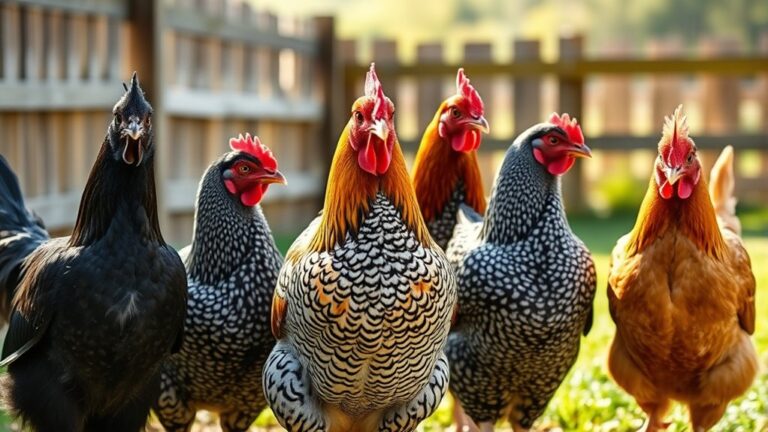
A hen is always a female chicken, specifically designed for laying eggs. You can tell a hen from a rooster by its smaller comb, wattles, and rounded feathers.
Hens develop ovaries and oviducts, which are essential for egg production, while roosters don’t lay eggs.
Although hens might sometimes show dominant behaviors, they don’t change gender. If you want to understand their unique roles and how they differ from roosters, there’s plenty more to investigate.
Key Takeaways
- A hen is a mature female chicken, primarily known for laying eggs.
- Hens have ZW chromosomes, which biologically distinguish them from male roosters that have ZZ chromosomes.
- Only hens develop ovaries and oviducts necessary for egg production.
- Physical traits of hens include smaller combs, wattles, and rounded feathers compared to roosters.
- Roosters are male chickens, characterized by larger combs, crowing behavior, and spurred legs.
What Is a Hen? Understanding the Basics
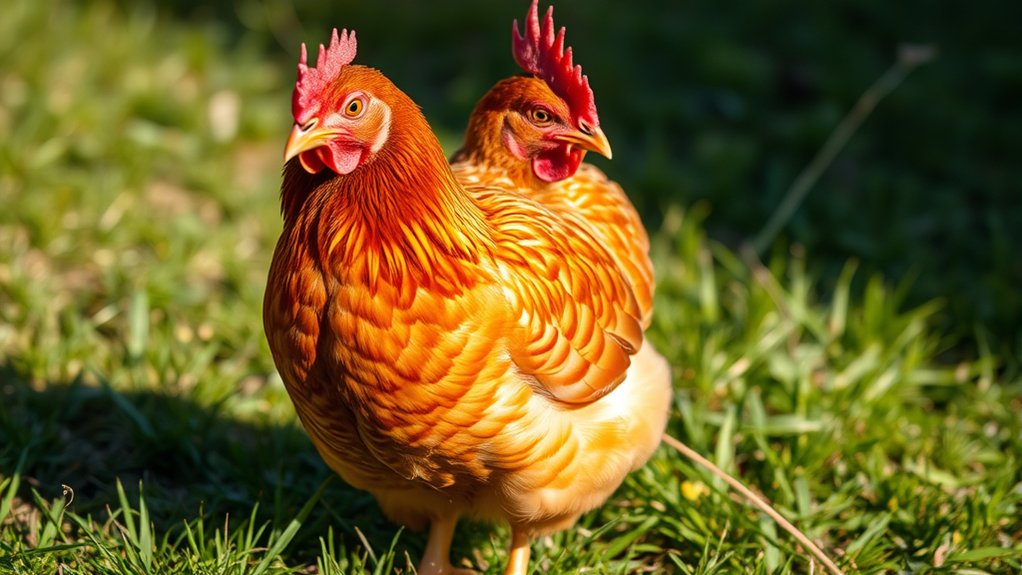
What exactly is a hen? A hen is a mature female chicken primarily known for laying eggs. If you’re raising hens, understanding hen nutrition is vital because it directly impacts their health and egg production.
You’ll want to provide a balanced diet rich in protein, calcium, and vitamins to support strong eggshell formation and consistent laying. Egg production techniques also play a key role in managing hens effectively.
You might use controlled lighting schedules to stimulate egg laying or provide nesting boxes to encourage hens to lay eggs comfortably. By paying attention to these basics, you guarantee your hens stay healthy and productive.
Why Are Hens Always Female Chickens?
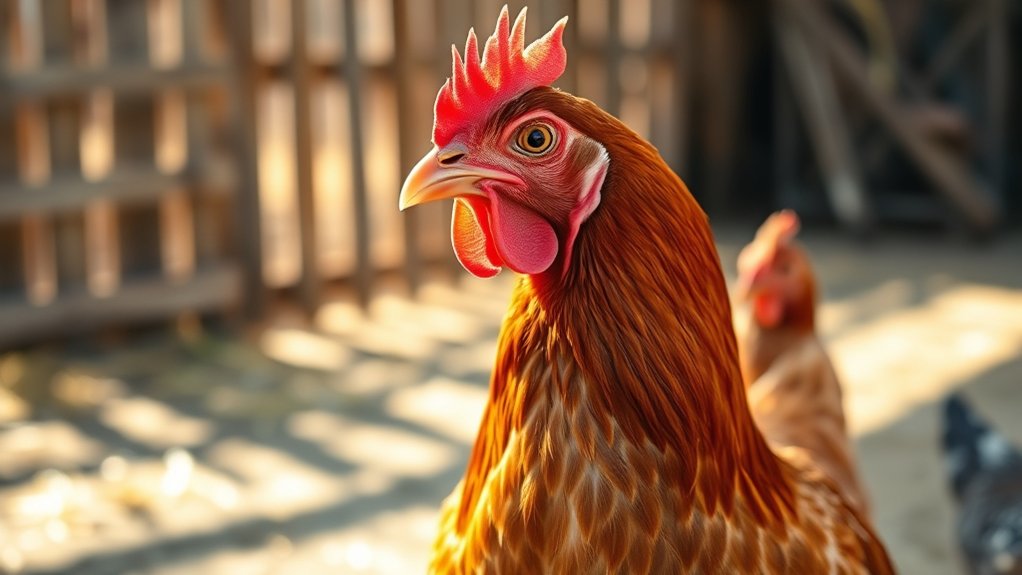
You might be wondering why hens are always called female chickens. Well, it’s because the term “hen” is used specifically for the biological females. They’re the ones that lay eggs, so their role is pretty clear. Knowing this makes it easier to understand why poultry terms are so exact and why we don’t just use one word for all chickens.
Defining Hen Gender
Why do we always associate the term “hen” with female chickens? It’s because hens have distinct roles and behaviors that clearly define their gender. When you see a hen, you’re looking at a female chicken, mainly recognized for:
- Hen egg laying. Hens are the ones who lay eggs, a key female trait.
- Nesting behavior. Hens instinctively create nests to incubate their eggs.
- Lack of rooster crowing. Unlike roosters, hens don’t crow.
- Physical traits. Hens typically have smaller combs and wattles compared to roosters.
These factors make it easy for you to identify hens as female chickens without confusion. So, when you hear “hen,” think female because the term is reserved specifically for them, distinguishing them from the male roosters.
Biological Differences Explained
Although the term “hen” is commonly used, it specifically refers to female chickens because their biology determines their role in reproduction. You should know that hens develop female reproductive organs influenced by hormonal influences, which guide their physical and behavioral traits. Genetic mutations rarely alter this, so hens remain female by default.
| Aspect | Explanation |
|---|---|
| Chromosomes | Hens have ZW, roosters ZZ |
| Reproductive organs | Hens possess ovaries and oviducts |
| Hormonal influences | Estrogen drives female development |
| Genetic mutations | Rarely change gender determination |
Understanding these factors clarifies why hens are always female chickens, shaped by genetics and hormones rather than chance.
Terminology in Poultry
How did the term “hen” come to specifically mean a female chicken? It’s rooted in language and farming practices. When you hear “hen,” you’re referring to a mature female chicken, distinguished from roosters (males). This distinction matters in poultry housing and chicken nutrition because hens and roosters have different needs.
Here’s why hens are always female chickens:
- “Hen” historically described female birds laying eggs.
- Poultry farmers separate hens for egg production.
- Chicken nutrition varies. Hens need more calcium for eggshells.
- Poultry housing is designed to support hens’ nesting and laying behaviors.
Understanding this terminology helps you better manage chickens, ensuring they thrive according to their biological roles.
How Can You Tell a Hen From a Rooster?
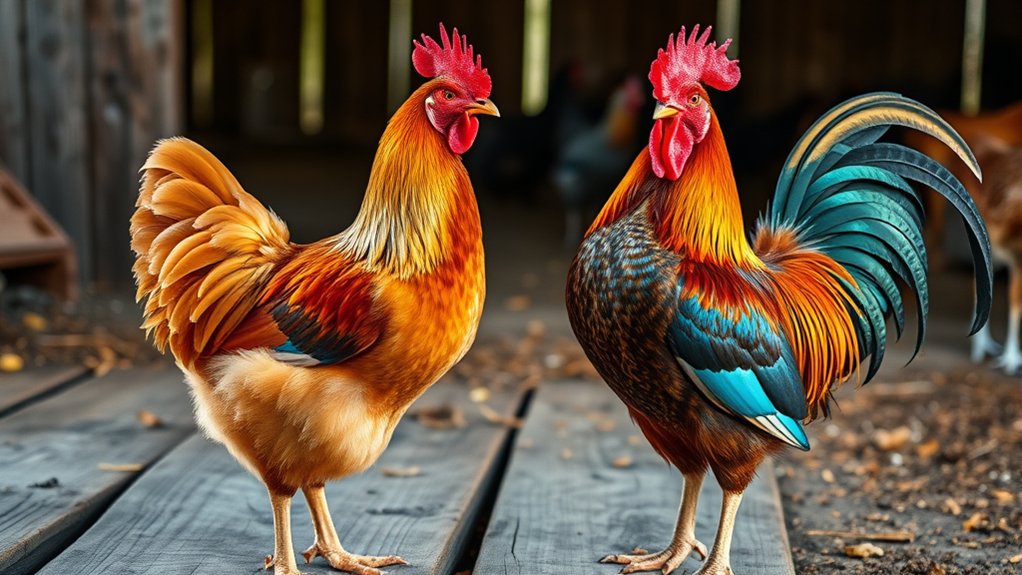
You can usually tell a hen from a rooster just by looking at their physical features and behavior. Roosters often have larger combs and brighter feathers. Plus, their tail feathers tend to be more pronounced.
You’ll also notice that roosters act more aggressively or crow, while hens are generally quieter and more reserved. So, it’s pretty easy to spot the difference once you know what to look for!
Physical Differences
When observing chickens, you’ll notice clear physical traits that distinguish hens from roosters. Recognizing these differences is key, especially when managing hen nutrition and preventing poultry diseases that may affect one sex differently.
- Size and Build: Roosters are generally larger with a more robust body compared to hens.
- Comb and Wattles: Roosters have bigger, brighter combs and wattles, while hens’ are smaller and paler.
- Feathers: Roosters feature long, pointed tail and neck feathers, unlike the rounded ones on hens.
- Leg Spurs: Roosters often develop sharp spurs on their legs, which hens usually lack or have less developed.
Understanding these physical signs helps you care better for each bird’s specific needs.
Behavioral Traits
Although physical traits offer clear clues, behavioral differences often provide the easiest way to tell a hen from a rooster. You’ll notice roosters tend to be more aggressive and territorial, often crowing loudly to assert dominance.
Hens, on the other hand, are generally quieter and more focused on foraging, influenced by their hen diet which is rich in nutrients to support egg production. In poultry housing, roosters often patrol and guard the area, while hens spend more time nesting or pecking around.
Watching how they interact can give you a quick identification: roosters may display more strutting and wing-flapping, whereas hens prioritize finding food and caring for chicks. Understanding these behaviors helps you manage your flock better and recognize each bird’s role.
Physical Differences Between Hens and Roosters
How can you tell a hen apart from a rooster just by looking? You’ll notice some key physical differences that help you distinguish between the two easily. Here are four main points to focus on:
- Feather Color: Roosters usually have brighter, more vibrant feather colors compared to hens, whose feathers tend to be duller and more uniform.
- Size and Build: Roosters are generally larger and more robust, while hens are smaller with rounder bodies.
- Combs and Wattles: Roosters have larger, more pronounced combs and wattles (the fleshy parts on top of their heads and under their chins) than hens.
- Egg Color: Only hens lay eggs, and their egg color varies by breed but is absent in roosters.
What Behaviors Reveal a Hen’s Gender?
You can usually tell a hen’s gender by paying attention to her vocalizations and calls because they sound different from a rooster’s. Also, watching for nesting and brooding behavior gives you clear clues. Hens tend to sit on eggs and care for chicks, which roosters don’t do. So, by looking out for these behaviors, you can figure out if a bird is male or female pretty easily.
Vocalizations and Calls
When you listen closely to a hen, you’ll notice distinct vocal patterns that help identify her gender. Understanding these vocalization patterns is key to call recognition and distinguishing hens from roosters. Here’s what to listen for:
- Soft clucking sounds. Hens often emit gentle clucks when content or communicating with chicks.
- Alarm calls. Hens produce sharp, repetitive calls to warn others of potential danger.
- Egg-laying calls. Unique vocalizations occur just before or after laying eggs.
- Contact calls. Hens use specific calls to stay connected with the flock.
Nesting and Brooding Behavior
Why do hens spend so much time in the nest? It’s mainly tied to their natural role in egg production and their instinct to protect their future chicks. When you see a hen nesting, she’s not just laying eggs, she’s also demonstrating her female nature through brooding behavior.
This includes sitting on eggs to keep them warm until they hatch. You won’t observe roosters doing this. Nesting also plays an essential role in hen health, as it helps regulate their reproductive cycle and reduces stress.
Why Do We Call Male Chickens Roosters or Cocks?
Although both “rooster” and “cock” refer to male chickens, their usage depends on context and region. You’ll hear “rooster” more in American English, while “cock” is common in British English and older texts. Both terms highlight the male chicken’s role, distinct from hens, especially when considering egg production and feather coloration.
Here’s why we use these terms:
- Historical roots: “Cock” has Anglo-Saxon origins, often linked to the bird’s proud stance and crowing.
- Regional preference: Americans favor “rooster” to avoid confusion, as “cock” has other meanings.
- Feather coloration: Males often boast brighter feathers, making the distinction necessary.
- Egg production context: Since males don’t lay eggs, calling them roosters or cocks helps clarify their non-laying role versus hens.
Understanding these terms helps you communicate clearly about chickens in different settings.
How Hens Lay Eggs (And Why Roosters Don’t)
Knowing the difference between roosters and hens sets the stage for understanding how eggs come to be. Only hens lay eggs because they have the necessary reproductive organs, like ovaries and oviducts, that roosters lack.
In hens, egg production is a natural process where an ovum develops, gets coated with layers of albumen, membranes, and a shell, then is laid. Roosters, being male, don’t have these structures, so they can’t produce eggs.
Your hen’s diet plays a vital role in egg production. Proper chicken nutrition, rich in protein, calcium, and essential vitamins, supports healthy egg formation and shell strength. Without good nutrition, hens may lay fewer eggs or produce fragile shells.
Can Hens Act Like Roosters or Change Gender?
Even though hens are biologically female, they can sometimes display behaviors typical of roosters, such as crowing or aggression. You might wonder if hens can act like roosters or even change gender. While hens don’t truly change sex, certain conditions can trigger rooster-like traits.
Hens may show rooster behaviors like crowing or aggression but cannot biologically change sex.
Here’s what you should know:
- Hormonal shifts: Stress or lack of a dominant rooster can cause a hen’s hormones to rise, making her more aggressive or vocal.
- Hen mating dynamics: In the absence of roosters, some hens take on dominant roles and exhibit mating behaviors.
- Chicken feather color changes: Rooster-like hens may develop brighter, more pronounced feather colors similar to males.
- No sex change: Despite these traits, hens cannot biologically become males.
Roles of Hens on the Farm
How do hens contribute to a farm’s daily life? You’ll find that hens play essential roles beyond just laying eggs. Their primary contribution is consistent egg production, providing fresh, nutritious food daily.
Healthy hens mean a steady supply of eggs, so maintaining hen health is imperative. You’ll need to monitor their diet, living conditions, and stress levels to keep them productive.
Besides eggs, hens help control pests by eating insects and weeds, reducing the need for chemical pesticides. They also contribute natural fertilizer through their droppings, enriching the soil for crops.
By understanding and supporting these roles, you guarantee your farm runs smoothly. Hens’ well-being directly impacts their productivity, so you’ll want to prioritize proper care.
In short, hens are indispensable farm workers who offer egg production, pest control, and soil enrichment, all of which support your farm’s ecosystem and productivity.
Choosing the Right Hens for Your Flock
Where do you start when selecting hens for your flock? Prioritize hen health and egg production to guarantee a thriving group. First, look for hens free from visible signs of illness. Clear eyes, clean feathers, and active behavior indicate good hen health.
Next, consider the breed’s egg production rates. Some breeds lay more eggs or carry specific qualities you might want. Third, evaluate their temperament. Friendly hens are easier to manage and less stressed, which can boost egg production.
Finally, check the hens’ age. Younger hens generally produce eggs more consistently than older ones.
Here’s a quick checklist for choosing hens:
- Inspect hen health for vitality and disease-free status.
- Research breeds for egg production traits.
- Select hens with calm, manageable temperaments.
- Choose hens at ideal laying age for steady egg production.
Frequently Asked Questions
What Is the Average Lifespan of a Hen?
You can expect a hen to live around 5 to 10 years on average, depending on hen behavior and breeding conditions. If you provide good care, proper nutrition, and a safe environment, your hen might live longer.
Hen breeding practices also influence their lifespan, as selectively bred hens sometimes face health challenges. Paying attention to their natural behaviors, like foraging and nesting, helps you keep them healthier and happier throughout their life.
How Do Hens Contribute to Pest Control?
Hens help you with pest control by acting as a natural pest deterrent. They scratch the ground, searching for insects, larvae, and weeds, which reduces pests in your garden.
By letting hens roam freely, you get effective garden protection without chemicals. They keep bug populations in check, protecting your plants and soil health.
What Are Common Diseases That Affect Hens?
Think of hen health as a delicate dance. Common diseases like coccidiosis, avian influenza, and salmonella can quickly throw off your rhythm. If you don’t watch out, these illnesses can reduce egg production and make your flock sick.
You’ll want to keep their living space clean and monitor them regularly to catch any signs early. Staying proactive helps your hens stay strong and keeps those eggs coming!
How Do Hens Communicate With Each Other?
You’ll notice hens communicate mainly through hen vocalizations like clucks, cackles, and alarm calls to signal danger or establish social order. They also use pecking behavior to show dominance or submission within the flock.
When you watch closely, their vocal sounds combined with body language help them coordinate activities and maintain harmony. So, pay attention to these signals; they’re essential for understanding how hens interact.
What Is the Nutritional Value of Hen Eggs?
You’ll find hen eggs packed with protein, vitamins like B12 and D, and minerals such as iron and selenium. The nutritional value can vary slightly depending on egg shell colors, but it’s mostly about the hen’s dietary needs.
If hens get a balanced diet rich in grains, greens, and calcium, their eggs will be healthier and stronger. So, feeding hens well directly boosts the nutrition you get from their eggs.
Conclusion
Now that you know hens are always female, you’re practically a poultry expert! It’s almost wild to think how these feathered ladies quietly rule the roost, laying eggs while roosters strut around like kings with nothing to show for it.
Next time you see a hen, remember she’s not just any bird; she’s the queen of egg production and farm life, making the whole chicken world go round. So yes, a hen is definitely female!