Can Chickens Eat Rice?
If you’ve ever wondered whether chickens can eat rice but felt unsure or worried about their health, you’re not alone. Many chicken owners struggle with finding safe and nutritious treats that won’t upset their flock’s diet. Can Chickens Eat Rice.
It’s a common question that comes up when you want to add some variety without risking their well-being.
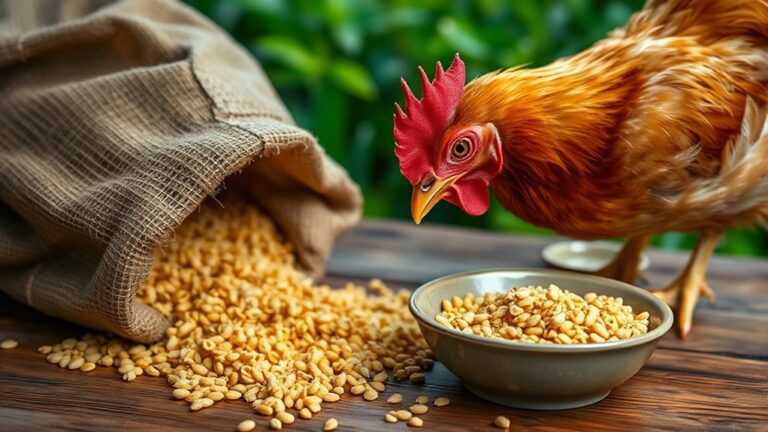
Yes, chickens can eat rice in moderation, and plain cooked rice is usually the safest choice. You can offer white, brown, or wild rice as an occasional treat, but it shouldn’t replace their balanced feed.
Serve it unseasoned, cooled, and in small amounts so your flock can peck it up easily. Avoid salty or seasoned dishes, and watch for signs of overeating.
If you want more details, there’s plenty to know about feeding rice well.
Key Takeaways
- Yes, chickens can eat rice safely in moderation as an occasional treat.
- Cooked rice is better than raw rice because it is easier to digest and less likely to choke birds.
- Serve rice plain, unseasoned, and fully cooked. Avoid salt, oil, garlic, onions, and sauces.
- Offer small amounts only once or twice a week so rice does not replace balanced poultry feed.
- Watch for digestive upset or spoiled rice. Stop feeding it if chickens seem bloated, lethargic, or unwell.
Can Chickens Eat Rice?

Yes, chickens can eat rice, and it can be a safe treat when you feed it in moderation. You can offer a small amount alongside their regular feed to add variety without upsetting their diet.
Different rice types, such as white, brown, or wild, can fit into your flock’s menu, but you should still keep portions modest. Your chickens’ preferences may vary, so watch how they respond after you introduce it.
Different rice types can fit into your flock’s menu, but keep portions modest.
If they peck at it enthusiastically, that’s fine; if they ignore it, don’t force it. You can mix rice with other grains or vegetables for a simple snack that keeps things interesting.
Just keep in mind that treats should never replace a balanced poultry ration. When you keep rice as an occasional addition, you help support a healthy routine while giving your birds something new to enjoy.
Raw Rice vs Cooked Rice

When you’re choosing between raw and cooked rice, cooked rice is usually the better option for chickens because it’s easier for them to eat and digest. You can serve it plain, warm, and unseasoned, and your flock will usually peck it up quickly.
The cooked rice benefits include softer grains, better palatability, and less risk of choking on hard kernels. Raw rice concerns mostly involve texture and digestibility; uncooked grains can be tougher for small beaks to handle, especially if your birds are young or timid.
While chickens can peck at dry rice, you’ll usually get better results with cooked rice because it blends more naturally with their normal feeding habits. Keep it simple, skip salt and sauces, and let the rice cool before offering it.
That way, you give your chickens a safe, easy treat without unnecessary complications or irritation.
How Much Rice Can Chickens Eat?

A small scoop of rice is plenty for chickens, since it should be a treat rather than a staple. You want rice portion control to protect chicken dietary balance and keep their regular feed doing the heavy lifting. For most hens, a tablespoon or two per bird is enough, especially if you offer rice only occasionally. Too much rice can crowd out the protein, vitamins, and minerals they need from a complete ration.
- Tiny flocks: Give each chicken a small spoonful, not a bowl.
- Larger groups: Scatter a modest amount so every bird gets a bite.
- Frequency: Offer rice sparingly, not every day, so treats don’t add up.
Watch your birds’ overall diet and adjust treats only when their feed intake stays steady. If you’re unsure, start small and see how they respond.
How to Feed Rice to Chickens Safely
Serve rice plain and fully cooked, and let it cool before you offer it to your chickens. You should keep rice preparation simple: skip salt, oil, butter, garlic, onions, and sauces since those additions can upset digestion. Break up large clumps so the birds can peck at it easily, and mix it with their regular feed if you want a more balanced snack. Offer only what they’ll finish quickly to reduce spoilage and pests.
Watch feeding frequency closely. Rice works best as an occasional treat, not a daily staple. A small serving once or twice a week is enough for most backyard flocks. Always provide fresh water nearby, because dry grains or cooked rice can increase thirst.
If you notice loose droppings, reduced appetite, or wasted food, cut back and reassess the portion. Clean feeders after use, and store leftovers in the refrigerator for safety.
White Rice vs Brown Rice
White rice is usually the gentler option for chickens because it’s easier to digest and tends to be lower in fiber than brown rice. When you compare the two, you’ll notice a few practical differences that matter in the coop. White rice benefits include a softer texture and quicker eating, which can help when you want a simple treat. Brown rice has more bran, so it’s firmer and can be less appealing to some birds.
White rice is gentler for chickens, with a softer texture and easier digestion than brown rice.
- White rice is easier for you to offer in small portions.
- Brown rice drawbacks include a chewier texture and more fiber.
- Both work best when you keep servings plain and occasional.
If your chickens prefer one over the other, follow their cue and stick with what they’ll actually eat. You can save brown rice for birds that handle it well, but white rice often wins for convenience and acceptance.
Is Rice Healthy for Chickens?
Yes, rice can be a healthy treat for your chickens when you feed it in moderation. It offers some energy and basic nutrients that your birds can benefit from. Cooked rice is usually the safest choice because it’s easier for your chickens to eat and digest. Just make sure to serve it plain and fresh—no salt, seasoning, or sauces. That way, your chickens get a tasty snack without anything harmful.
Rice Nutritional Value
Rice can be a healthy treat for chickens when you offer it in moderation, because it provides quick energy from carbohydrates and is easy for them to digest. You’ll also find small amounts of B vitamins and minerals, but rice shouldn’t replace a balanced feed.
The main rice health benefits come from its simple energy boost, while rice digestion issues usually show up only if you overfeed it or choose poor-quality grain. Keep it as a supplement, not a staple.
- Use rice as an occasional treat.
- Mix it with their regular diet.
- Watch your flock for any upset droppings.
When you feed it wisely, rice can support variety without adding unnecessary strain.
Benefits of Cooked Rice
Warm grains can make a simple, easy-to-digest treat for chickens, especially when you’ve already cooked them plain and let them cool. You can use cooked rice as a mild supplement in your chicken diet when you want a soft, familiar food that many birds accept readily.
It may help with rice digestion because cooking breaks down the hard starches, making the grains gentler on the crop and easier to handle. Cooked rice also adds quick energy, which can support active hens and growing chicks in small amounts.
Since it’s bland, it won’t overwhelm other foods in the chicken diet. You can think of it as a useful snack, not a staple, that fits best alongside balanced feed and fresh water.
Feeding Rice Safely
Even though cooked rice can be a mild treat, you still need to feed it with care so it stays healthy for chickens. You should keep rice feeding limited because too much can crowd out balanced feed and affect chicken digestion. Offer only plain, cooled rice, and skip butter, salt, spices, or sauces. Mix it with their regular ration, not as a full meal.
- Serve small portions.
- Feed cooked, not raw, rice.
- Remove leftovers quickly.
You’ll help your flock stay active and avoid digestive upset when you treat rice as an occasional snack. Fresh water should always be nearby since it supports smooth swallowing and digestion. Watch your birds after new foods and adjust if you notice loose droppings or reduced appetite.
Rice Treat and Scratch Feed Ideas
When you want to offer chickens a simple, low-cost treat, rice can work well as part of a scratch mix or occasional snack. You can stir cooked rice into rice treat recipes with chopped greens, peas, or mealworms for a quick coop pick-me-up.
For scratch feed combinations, blend small amounts of rice with cracked corn, oats, sunflower seeds, and millet so your flock gets a varied pecking challenge. You can also scatter dry rice in the run to encourage natural foraging and keep birds busy.
If you want a warmer treat, mix rice with mashed pumpkin or plain yogurt for a soft, easy-to-peck snack. Keep portions modest so rice stays a treat, not the main feed.
Vary your mixes often, and your chickens will stay interested while you add simple enrichment to their day.
Rice Safety Tips for Your Flock
Although rice can be a safe treat for chickens, you should serve it plain and in moderation to avoid upsetting their diet. To keep your flock healthy, follow simple rice portioning strategies and use safe feeding methods every time you offer it.
Rice can be a safe treat for chickens when served plain and in moderation.
- Measure a small scoop per bird so rice stays a treat, not a meal.
- Mix cooled rice with their usual feed only when you want to add variety and prevent overeating.
- Watch how your chickens react after feeding, and adjust portions if they seem too full or ignore their layer feed.
You should also serve rice in a clean dish and remove leftovers before they spoil. Dry or cooked rice both work if you keep portions small and avoid seasoning. By staying consistent, you’ll give your birds a harmless snack without crowding out the nutrition they need from balanced feed each day.
Foods to Avoid With Rice
You should avoid giving your chickens salted rice dishes because too much sodium can harm them. Also, never feed them spoiled leftover rice since it can quickly upset their digestive system. On top of that, you need to watch out for unsafe mixed ingredients like onions, garlic, or sauces, as these can make rice unhealthy for your flock.
Salted Rice Dishes
Salted rice dishes can seem harmless, but they often pack more sodium than you might expect, especially when they come with soy sauce, cured meats, pickled sides, or heavily seasoned broths. You should keep these meals off your flock’s menu because excess salt can strain chicken health and upset hydration.
- Skip fried rice with soy sauce.
- Avoid rice mixed with cured sausage or bacon.
- Don’t offer salted rice soup or broth-heavy bowls.
If you want to share rice, serve plain, cooked grains instead. Your chickens don’t need extra seasoning, and a simple salted rice dish can turn a safe treat into a risky choice. Keep portions small, and always choose low-sodium foods that support steady, healthy feeding habits.
Spoiled Leftover Rice
Spoiled leftover rice should stay out of your chickens’ feed, since mold, bacteria, and fermentation can make it unsafe fast. You might not always see the danger, but spoiled rice can carry harmful microbes that upset digestion and threaten chicken health.
If rice smells sour, feels slimy, or shows discoloration, toss it instead of offering it to your flock. Even small amounts can cause discomfort, reduced appetite, or worse in sensitive birds.
You should always store cooked rice properly, cool it quickly, and use it promptly if you plan to share it. When you’re unsure about freshness, choose caution. Fresh, plain rice is one thing; spoiled rice is another, and your chickens depend on you to keep their food safe and clean.
Unsafe Mixed Ingredients
Even when rice itself is fresh, the ingredients mixed into it can make it unsafe for chickens. You should keep your flock away from seasoned rice dishes because garlic, onion, and salty sauces can upset digestion and damage health.
Watch for mixed grains blended with rice, since some recipes include seeds, beans, or spices that chickens can’t handle well. Also avoid rice with harmful additives like butter, flavor packets, or artificial seasonings.
- Skip fried rice with oil and sodium.
- Avoid curry, hot sauce, and onion bits.
- Check for mixed grains that contain toxic or tough ingredients.
Plain rice is fine in small amounts, but once you add risky extras, you’re better off choosing a simpler treat for your birds.
Signs Your Chickens Ate Too Much Rice
If your chickens ate too much rice, you may notice loose droppings, bloating, or a sudden drop in appetite. You might also see them standing still, fluffing their feathers, or acting less interested in treats. These signs can point to stomach discomfort, especially if the rice was cooked with salt, oil, or spices.
Watch for changes in behavior too: your birds may seem sleepy, less active, or reluctant to scratch and peck. In some cases, they’ll drink more water than usual, then avoid feed afterward. Excessive hunger can show up later if the rice fills them up without giving enough nutrients.
If the problem lasts more than a day, check for crop issues, dehydration, or other illness. Offer fresh water, remove rich foods, and return to a balanced feed. If you’re unsure, contact a poultry vet quickly for guidance.
Frequently Asked Questions
Can Chickens Eat Leftover Rice From Takeout?
Yes, you can feed your chickens leftover takeout rice if it’s plain and cooled. You should skip rice with sauces, salt, butter, or spices because those can hurt chicken health.
You can offer small amounts as a treat, not a main food. Fresh water and balanced feed still matter most.
If the takeout rice smells off or looks moldy, you shouldn’t give it to your flock.
Is Flavored Rice Safe for Chickens?
No, you shouldn’t feed chickens flavored rice. Think of it like a lantern wrapped in smoke: it may look harmless, but hidden seasonings can dim their health.
You need to watch for flavored rice risks like salt, garlic, onion, butter, and spices, which can upset digestion or be toxic. It also offers little nutritional value compared with their regular feed.
Plain, cooked rice is safer if you want to share a small treat.
Can Chicks Eat Rice Too?
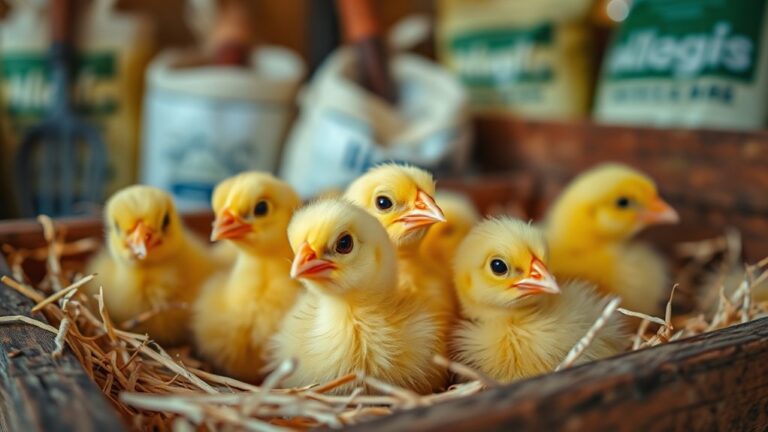
Yes, you can offer chicks rice in small amounts, but you shouldn’t rely on it for chick nutrition. Cooked plain rice can provide benefits like easy digestion and quick energy, yet chicks need a starter feed with proper protein, vitamins, and minerals to grow well.
You can mix a little rice in as a treat, but keep it occasional and make sure they always eat their balanced feed first.
Does Rice Attract Pests in the Coop?
Yes, rice can attract pests in your coop if you leave it out like an open buffet. You’ll want tight feed management and smart pest control to keep mice, ants, and beetles from showing up.
Store rice in sealed bins, clean spills fast, and only offer small amounts your birds finish quickly. Think of the coop as a stage: if scraps linger, unwanted guests will always find the spotlight.
Can Rice Replace Chicken Feed Temporarily?
Yes, you can use rice as a short-term stopgap, but it shouldn’t replace chicken feed for long. You’ll miss key nutrients, so the nutritional value is too low for a full diet.
Follow feeding guidelines and offer rice only in small amounts, alongside grains, greens, and protein when you can. If you’re out of feed briefly, rice helps, but you should restore a balanced ration quickly for healthy birds.
Conclusion
So, can chickens eat rice? Yes, they can, and it can be a handy treat when you feed it the right way. Stick to small amounts, offer cooked or dry rice safely, and keep it part of a balanced diet.
White or brown rice both work, but moderation matters most. When you watch your flock closely, you’ll know when they’ve had enough. After all, too much of a good thing can ruffle their feathers.
In conclusion, chickens can eat rice, but always remember to feed it in moderation for their health and happiness.