Golden Comet Chickens Simple Care Guide
Finding the perfect backyard chicken breed can feel overwhelming, especially when you want friendly hens that are easy to care for and start laying eggs quickly. You’re not alone—many people struggle to choose chickens that fit well with their lifestyle and provide a steady supply of fresh eggs without a lot of fuss.
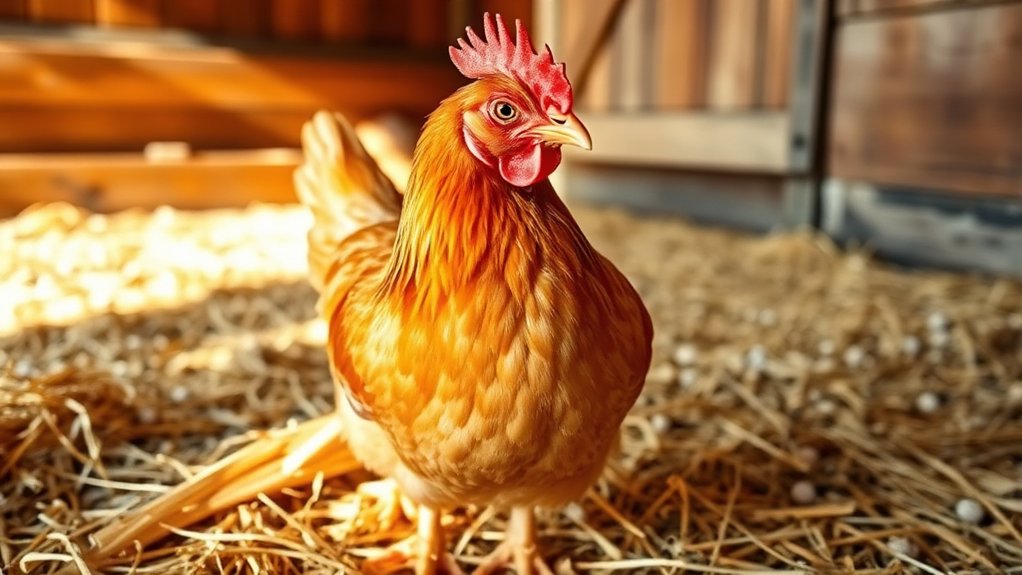
Golden Comet chickens are a great choice if you want friendly, low-fuss hens that settle into backyard life quickly.
Give them a clean, dry coop with good ventilation, secure roosts, and space to move. Feed a balanced layer ration, provide fresh water daily, and offer oyster shell for calcium.
Check for stress, pests, or illness, and collect eggs each day. With steady care, you’ll keep them happy, healthy, and laying well, and there’s more to know.
Key Takeaways
- Golden Comets are calm, friendly, and beginner-friendly, making them easy to handle and good for backyard flocks.
- Provide a clean, dry, well-ventilated coop with secure roosts, predator protection, and enough space to move comfortably.
- Feed a balanced layer ration with about 16% protein, plus fresh water and oyster shell for extra calcium.
- Collect eggs daily, keep a consistent routine, and track production to support steady laying and reduce stress.
- Watch for illness, pests, or stress, and adjust seasonal care with shade, airflow, deep bedding, or frost protection.
Why Golden Comets Are Beginner-Friendly

Golden Comets are a great choice if you’re new to chickens because they’re calm, easy to handle, and usually adapt well to backyard life. You’ll appreciate their easy temperament when you’re learning daily chicken care since they’re less likely to panic during feeding, checking, or gentle handling.
Their friendly nature also makes them approachable, so you can build confidence around your flock without much stress. If you want hens that settle in quickly and don’t demand constant fussing, Golden Comets fit that need well.
They usually respond nicely to routine, which helps you create simple habits for feeding, observing, and collecting eggs. Because they’re typically steady and people-friendly, you can focus on learning the basics of chicken keeping instead of managing difficult behavior. That makes them an ideal first breed for building confidence and enjoying backyard poultry.
Golden Comet Chicken Housing Basics

A comfortable coop gives your Golden Comets the safe, low-stress home they need to stay healthy and productive. You should give each bird enough space to move, perch, and rest without crowding.
Good coop ventilation matters because it helps clear moisture, ammonia, and stale air while keeping drafts off roosting birds. Use dry bedding and replace it often so the floor stays clean and comfortable.
Good coop ventilation clears moisture and ammonia, while dry bedding keeps the floor clean, comfortable, and healthy.
Include secure roosts that sit higher than the nesting boxes, and place the boxes in a quiet, dim area to match their nesting preferences. You’ll also want solid latches, tight wire, and protection from rain, wind, and predators.
A fenced run gives them room to scratch and stretch when you can’t supervise closely. Keep feeders and waterers clean, and make sure the coop stays easy to enter for quick daily checks and simple maintenance throughout the year.
Feeding Golden Comets for Steady Laying

For steady egg production, feed your Golden Comets a balanced layer feed with about 16% protein and plenty of calcium so they can form strong shells. You’ll support layer nutrition best by offering consistent meals and choosing feed types that match laying hens’ needs. Fresh water should always stay available.
| Feed type | Purpose |
|---|---|
| Layer pellets | Stable nutrition |
| Crumbles | Easy eating |
| Oyster shell | Extra calcium |
| Greens | Added variety |
| Grains | Occasional treat |
Use pellets or crumbles as the main ration, then add oyster shell on the side if eggs need firmer shells. Keep treats like scratch, corn, and kitchen scraps small because too many extras can dilute protein and calcium. If your hens slow down during hot weather or molt, keep the same balanced feed so they don’t lose nutrients.
Good layer nutrition helps your Golden Comets stay productive, healthy, and ready to lay consistent eggs.
Daily Care Routine for Golden Comets
Each day, your Golden Comets need a simple routine that keeps them healthy, comfortable, and laying well. Start by letting them out at the same time, then give them fresh water, feed, and a quick coop check.
Open the run, watch how they move, and notice any changes in appetite or behavior. Spend a few minutes on feather care by looking for dirt, loose feathers, or signs they need a gentle dust bath. Collect eggs daily so nests stay clean and inviting.
Your birds also have socialization needs, so handle them calmly and speak softly when you visit. Short, regular interactions help them stay relaxed around you.
In the evening, count your flock, lock the coop securely, and make sure they have enough space to roost. A steady routine helps Golden Comets feel safe, stay productive, and settle in with less stress every day.
How to Keep Golden Comets Healthy
Keeping Golden Comets healthy starts with close daily observation and clean, consistent care. Check feed, water, droppings, and activity each morning so you catch small changes early. A healthy bird eats well, stays alert, and moves with purpose.
Watch Golden Comet behavior for signs of stress, such as hiding, feather picking, or reduced laying. Give them a balanced layer feed, fresh water, and grit, and keep the coop dry, ventilated, and predator proof.
Provide enough space to reduce crowding and dirty litter. Inspect feet, combs, and vents for injury, mites, or swelling. Clean feeders and waterers often, and remove spoiled feed right away.
If you’re considering breeding Golden Comets, choose healthy birds with strong frames and steady production, since poor stock passes on weak traits. Separate sick hens quickly and contact a poultry vet if symptoms persist.
Consistent routines help your flock stay productive, calm, and resilient.
How to Handle Golden Comets Gently
When you handle Golden Comets, try to move slowly and keep your voice soft. This helps them stay relaxed. Make sure to support their body with both hands, especially under the chest and legs, so they feel secure.
Keep an eye out for calm signals like steady breathing and a loose posture. If they start to struggle, it’s best to ease up and give them a little space.
Gentle Approach Techniques
A calm, unhurried approach helps your Golden Comets feel safe and makes handling much easier. Use gentle handling from the side, speak softly, and let them see your hands before you touch them. For stress reduction, move slowly and keep your motions predictable.
| Step | What you do | Why it helps |
|---|---|---|
| Approach | Walk steadily | Prevents alarm |
| Contact | Cup both hands | Builds trust |
| Release | Set down gently | Keeps them calm |
If a bird shifts away, pause and try again rather than chasing. You’ll get better results when you stay relaxed and consistent. Short, positive sessions teach your flock that your presence means comfort, not fear.
Supporting Their Body
To keep your Golden Comet secure and relaxed, support the chest and body with both hands so no weight hangs from the legs or wings. Hold her close to your torso, but keep pressure light and even. This steadies her frame and prevents panic, especially when you lift her from a perch or coop floor.
Keep your grip firm enough to feel balanced, yet gentle enough to avoid squeezing. If she shifts, pause and reset instead of tightening your hold. Short, confident movements help her stay calm.
Supporting her body well also makes it easier to check her nutritional needs and watch whether her exercise requirements are being met, since you can observe her condition without stressing her. Always lower her slowly and let her step down when she’s ready.
Calm Handling Signals
Watch your Golden Comet’s posture and breathing before and during handling, because calm signals tell you she’s comfortable with the interaction. Hold her close to your body, support her chest and legs, and move slowly so you don’t startle her.
Keep the calm environment quiet, with soft voices and steady motions, so she feels secure. If she relaxes, blinks slowly, or settles into your hands, continue gently. If she flaps, tenses, or pecks, pause and give her space.
Reward relaxed behavior with positive reinforcement, such as a treat or calm praise, so she learns that handling feels safe. Practice short sessions often, and you’ll build trust while reducing stress for both of you.
Golden Comet Egg-Laying Expectations
Once your Golden Comet pullets start laying, you can expect impressive production for a hybrid breed, often around 250 to 320 eggs per year. Your egg production usually ramps up quickly after point-of-lay, then stays steady through their first years.
You’ll often see laying patterns that favor frequent, small clusters of eggs with few long breaks when hens stay comfortable and well fed. Most eggs are brown, medium to large, and consistent in shape, which makes planning easy for your kitchen.
If daylight, nutrition, and water stay reliable, your flock should keep performing well. Expect the strongest output in the early laying stage, then a gradual decline as hens age. You can track daily counts to spot trends and adjust care without guessing.
A calm routine helps maintain regular output, so collect eggs often and keep stress low.
Signs Your Golden Comet Needs Help
You should watch for lethargy and isolation because if your Golden Comet stops being social, she might not be feeling well. Also, keep an eye on her appetite—if she’s eating much less or refusing food, that could be a sign something’s wrong. And if you notice a droopy comb or a hunched posture, it often means she needs help soon.
Lethargy And Isolation
If your Golden Comet suddenly starts spending most of the day tucked away from the flock, moving slowly, or sitting still with puffed-up feathers, take it seriously. These behavior changes often signal stress, pain, or illness, and they can disrupt normal social dynamics.
Watch how your bird reacts when others approach; if she avoids roosting groups or lags behind, something’s off. Check for quietness, drooping posture, or a lack of interest in her surroundings.
You should also separate her briefly so you can observe her without flock pressure. Keep her warm, calm, and safe while you inspect for injuries, parasites, or other obvious problems.
Early attention matters, because lethargy and isolation rarely resolve on their own. If she doesn’t perk up quickly, contact a poultry-savvy veterinarian right away.
Poor Appetite Changes
A sudden drop in appetite can be an early warning sign that your Golden Comet isn’t feeling right. If your hen starts leaving most of her feed, monitor her closely for appetite loss and check whether anything has changed in her routine, diet, or environment.
Offer fresh water first, then try feeding strategies like warm mash, chopped greens, or a favorite treat in a clean dish. Keep feed available, but don’t force her to eat.
Look for patterns: is she avoiding only pellets, or skipping all food? A healthy hen usually pecks enthusiastically throughout the day.
If poor eating lasts more than a day, or you notice weight loss, contact a poultry-savvy vet. Quick attention helps you catch illness early and keep her flock habits steady.
Droopy Comb And Posture
When your Golden Comet’s comb suddenly looks limp or droops more than usual, take it seriously. Especially if she’s also standing hunched, moving slowly, or keeping to herself. Check for comb health problems like dehydration, heat stress, parasites, or illness.
A healthy comb should look bright and upright for her breed and age. Watch for posture issues too. If she’s fluffed up, reluctant to walk, or resting more than normal, she may need help fast.
Offer fresh water, shade, and a calm space, then examine her feet, vents, and droppings for other clues. If the droop lasts more than a day or she seems weak, contact a poultry vet. Quick action can prevent a small problem from becoming a serious setback.
Seasonal Care Tips for Golden Comets
Seasonal changes can affect your Golden Comets’ health, egg production, and comfort, so you’ll want to adjust their care throughout the year. In spring and summer, provide extra shade, cool water, and good airflow, especially if your coop sits in warm sun. Trim surrounding weeds so pests have fewer hiding spots, and watch for feather loss from molting or heat stress.
In fall, use seasonal adjustments to prepare for shorter days by checking bedding, sealing drafts, and keeping roosts dry. Winter care depends on climate considerations: add deep, clean litter, protect combs from frost, and make sure water doesn’t freeze. You can also boost energy needs with slightly richer feed when temperatures drop.
During any season, inspect feet, feathers, and crop daily so you catch problems early. With steady, practical changes, your flock stays comfortable, productive, and resilient.
Common Golden Comet Care Mistakes
One common mistake is treating Golden Comets like they have the same needs as heavier breeds, especially regarding feed, space, and heat tolerance. You should also avoid overfeeding because extra weight can strain their legs and reduce egg output.
Poor coop cleanliness invites parasites, stress, and respiratory issues, so you need to clean bedding often and keep waterers fresh. Don’t ignore ventilation or crowding; these hens need cool, dry air and enough room to move.
| Mistake | Why It Matters | Better Choice |
|---|---|---|
| Overfeeding | Causes obesity | Offer measured layers feed |
| Dirty coop | Spreads disease | Maintain coop cleanliness |
| Ignoring breed traits | Lowers performance | Match care to breeding practices |
You may also skip dull nesting areas and inconsistent lighting, both of which can reduce laying. By spotting these errors early, you’ll keep your flock healthier and more productive year-round.
Frequently Asked Questions
How Long Do Golden Comets Usually Live?
Golden Comets usually live about 4 to 6 years, though some reach 7 with great care. You can extend their life by managing lifespan factors like diet, housing, and stress.
Watch health considerations such as egg-laying strain, obesity, parasites, and reproductive issues. If you keep them clean, warm, and well-fed, you’ll give your hens a better chance at a longer, healthier life and happier daily routine.
Can Golden Comets Hatch Their Own Eggs?
No, you can’t usually rely on Golden Comets to hatch their own eggs. Why expect strong egg incubation from a breed bred for laying, not sitting?
Most hens show little broodiness behavior, so they often ignore a clutch or stop before completion. If you want chicks, you’ll likely need a broody hen from another breed or an incubator.
Watch your hens closely, because individual temperaments can vary.
Do Golden Comets Get Along With Other Chicken Breeds?
Yes, you’ll usually find Golden Comets get along well with other chicken breeds if you manage introductions carefully. Their social behavior is generally friendly, but flock dynamics can shift when new birds arrive.
You should introduce them slowly, provide enough space, and watch for bullying or pecking order issues. If you keep plenty of feed, water, and roosting room available, they’ll often settle in and mix smoothly with calmer flock mates.
When Do Golden Comets Start Laying Eggs?
You’ll usually see Golden Comets start laying eggs at about 18 to 24 weeks old, though some begin a bit earlier or later. Good breeding practices can influence timing, and strong egg production often shows up soon after they mature.
You can expect small pullets to ramp up steadily, then lay nearly daily once they settle in. Give them proper feed, light, and calm housing, and you’ll support healthy, consistent laying.
Can Golden Comets Tolerate Being Free-Ranged?
Yes, you can free-range Golden Comets, and they usually handle it well. Their behavioral traits make them curious, active, and enthusiastic to forage. So you’ll see clear free range benefits like better exercise and happier birds.
Still, you’ll need to watch for predators, provide shade, and make sure they can find water and shelter. If your yard is secure, they’ll likely thrive outside the coop.
Conclusion
Golden Comets are one of the easiest chickens for beginners to care for, and they reward you with plenty of eggs when you keep their basics covered. With proper housing, steady feed, daily attention, and simple health checks, you can help your flock thrive year-round.
Did you know a healthy Golden Comet can lay around 250 to 300 eggs a year? Stay consistent and avoid common mistakes, and you’ll enjoy a happy, productive hen. Taking good care of your Golden Comet chickens is the key to a successful and rewarding experience.