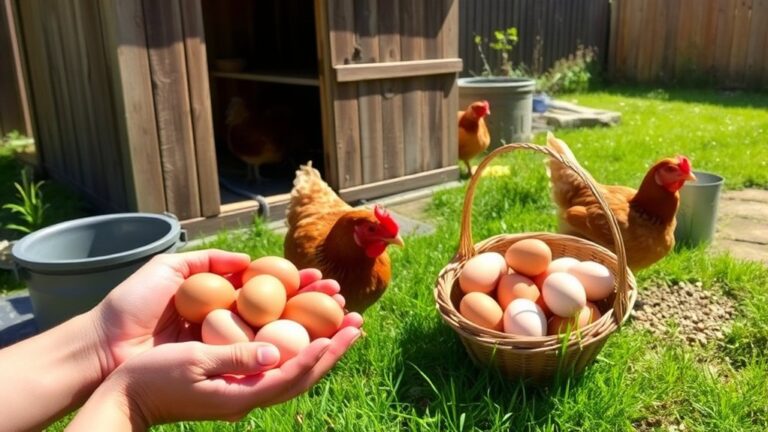
Sapphire Gem Chickens: How to Raise Them
If you’ve ever tried raising chickens, you know it’s not always as simple as it looks. Many people struggle with keeping their birds healthy, comfortable, and productive. You’re not alone—finding the right care routine for your flock can feel overwhelming, especially when raising a special breed like Sapphire Gem chickens.
Raise Sapphire Gem chickens in a secure, dry coop with good ventilation, clean bedding, and sturdy nesting boxes.
Feed a balanced layer ration with 16% to 18% protein and extra calcium, and keep fresh water available at all times.
Protect the run with predator-proof fencing, shade, and overhead cover if needed.
Check them daily for healthy eyes, feathers, and droppings, and introduce new birds slowly so your flock stays calm and productive.
There’s more to know for success.
Key Takeaways
- Feed Sapphire Gem chickens a balanced layer ration with 16% to 18% protein and added calcium for strong shells and steady laying.
- Provide a safe, dry coop with good ventilation, clean bedding, nesting boxes, and fresh water at all times.
- Protect the run with predator-proof fencing, secure edges, and shade. Add a roof or netting if hawks are a risk.
- Monitor health daily for bright eyes, smooth feathers, and normal droppings. Isolate sick birds promptly.
- Handle them gently, introduce new birds slowly, and prevent competition by offering multiple feeders, waterers, and perches.
What Makes Sapphire Gem Chickens Different?
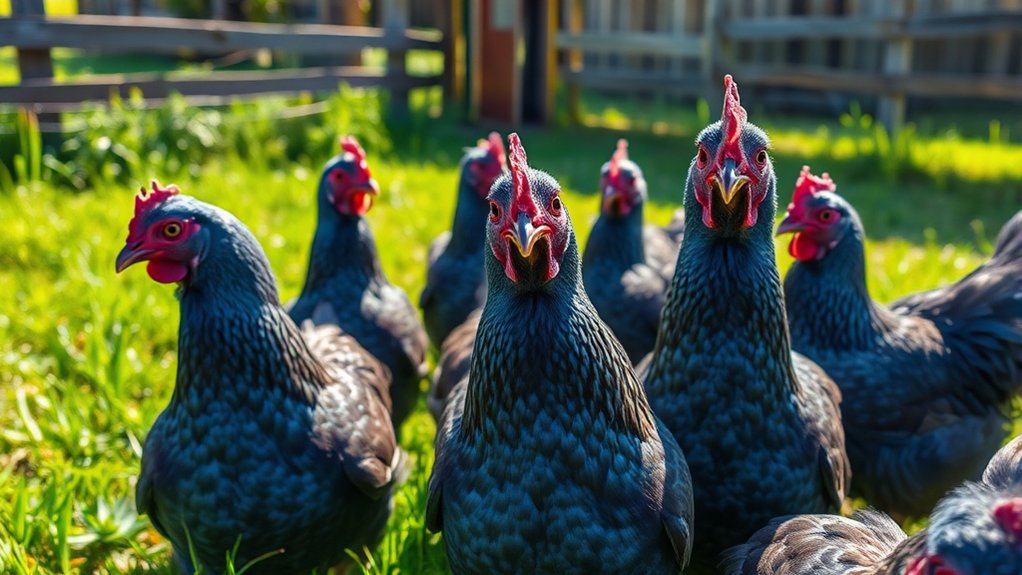
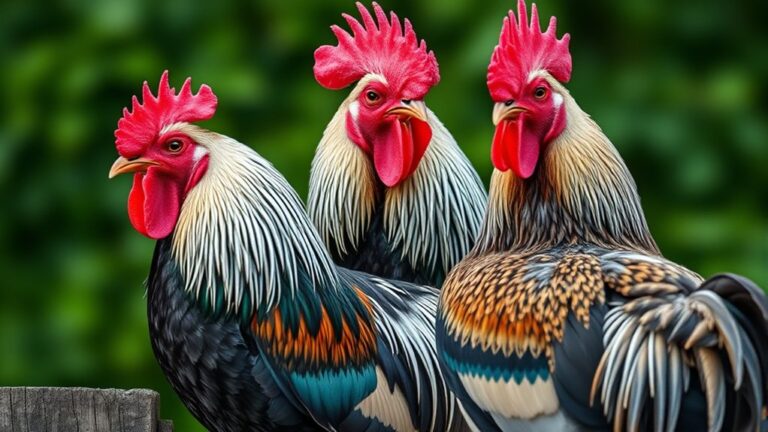
Sapphire Gem chickens stand out because they’re a sex-linked hybrid bred for reliable egg production, calm temperaments, and striking blue-gray plumage. You’ll notice their difference right away in the flock: pullets usually feather into soft slate tones, while cockerels often show lighter, more variable shades.
Because of careful breeding practices, you get birds that mature quickly and lay consistently without losing their friendly nature. Their color variations add visual interest, but their real appeal is practicality; you can count on them for steady eggs and an easygoing attitude.
Unlike many breeds, Sapphire Gems blend hybrid vigor with a polished look, so you don’t have to choose between beauty and utility. If you want chickens that feel approachable, perform well, and bring something distinctive to your backyard, these birds fit that goal nicely. Their uniqueness shows in both appearance and productivity.
Choose the Right Coop Setup

Even though Sapphire Gem chickens are hardy and adaptable, they still do best in a coop that keeps them safe, dry, and comfortable. Your coop design should give each bird enough room to move, perch, and rest without crowding.
Sapphire Gem chickens thrive in a coop that’s safe, dry, comfortable, and roomy enough for natural movement.
Plan for sturdy nesting boxes, easy access, and smooth surfaces you can scrub quickly. Match the coop to your ventilation needs so fresh air flows without creating drafts.
Use absorbent bedding materials like pine shavings or straw, and keep a regular cleaning routine to limit odor and moisture. Check space requirements before you build, because cramped quarters can stress your flock.
In cold months, focus on winter preparation by sealing leaks and keeping bedding dry. During heat waves, support summer cooling with shade, airflow, and cool water nearby.
Add enrichment activities inside, such as hanging greens or pecking blocks, and stay alert to predator awareness by choosing strong locks and secure latches.
Set Up a Safe Run

When setting up your Sapphire Gem chickens’ run, it’s important to use sturdy, predator-proof fencing. This will keep out foxes, raccoons, hawks, and other unwanted visitors. You’ll want to make sure the fencing is buried or firmly secured at the base so nothing can dig underneath it.
Also, don’t forget to include a part of the run that offers shelter and shade. This way, your hens can stay cool, dry, and comfortable no matter the weather.
Predator-Proof Fencing
Because Sapphire Gem chickens are friendly but still vulnerable, a predator-proof run matters just as much as a secure coop. Start by checking local predator types, then match your fencing materials to the threat. Use welded wire or hardware cloth, not chicken wire, and bury it 12 inches down or bend it outward to stop diggers. Keep gaps tight, reinforce corners, and lock the gate with a sturdy latch.
| Threat | Best fix |
|---|---|
| Raccoons | Hardware cloth |
| Dogs | Strong frame |
You should inspect the run often for loose staples, rust, or weak spots. Add a roof or netting if hawks visit, and trim nearby brush so predators can’t hide.
Shelter And Shade
After securing the run, add shade and shelter so your Sapphire Gems can stay comfortable in heat, wind, and sudden rain. You can use a roofed section, tarp, or planted shrubs to block harsh sun, but leave open sides for airflow. Good ventilation helps prevent dampness and keeps your birds calm on hot days.
Make sure the shelter is high enough for standing and wide enough for the flock to move freely. In colder weather, close part of the run with windbreak panels, but never seal it completely.
Use deep litter, dry bedding, and raised perches to support temperature control, and check daily for leaks, mud, or overheating. If your setup stays dry, shaded, and breezy, your Sapphire Gems will use it often and safely.
Feed Sapphire Gem Chickens Properly
You should feed your Sapphire Gem chickens a balanced layer feed to keep them healthy and producing well. Make sure they always have fresh water available—this helps them stay hydrated and digest their food properly.
You can also offer treats and supplements, but just in moderation. This way, you add some variety to their diet without upsetting their overall nutrition.
Balanced Layer Feed
A balanced layer feed gives Sapphire Gem chickens the protein, calcium, and vitamins they need to stay healthy and produce strong eggs. You should choose a quality ration made for laying hens because it supports layer nutrition without guesswork.
Check the label for about 16% to 18% protein and enough calcium for shell strength. Compare feed types, such as pellets, crumbles, or mash, and pick the form your flock eats best.
Offer feed free-choice so hens can eat when they need it, and keep treats limited so they don’t crowd out essential nutrients. If your birds free-range, keep in mind that forage won’t replace a complete layer feed.
Consistent feeding helps you maintain body condition, steady laying, and overall flock health.
Fresh Water Access
Fresh, clean water keeps Sapphire Gem chickens eating well, digesting feed properly, and laying consistently. You should emphasize hydration importance every day because birds drink more than you think.
Choose a container design that’s easy to clean, sturdy, and shallow enough to prevent spills. Check water temperature in hot and cold weather; lukewarm water often encourages drinking.
Build routine checks into your feeding schedule so you refill, scrub, and inspect for algae or debris. Use winter precautions like heated bases or frequent refreshes to stop freezing.
In summer, provide shade and extra containers as summer strategies to reduce crowding. Watch droppings, comb color, and appetite for health monitoring since low intake often signals a problem.
Treats And Supplements
Treats and supplements can support Sapphire Gem chickens, but they should never replace a balanced layer feed. You can offer healthy treat options like chopped greens, berries, sunflower seeds, and mealworms in moderation.
Keep treats under 10% of their daily intake so you don’t dilute the nutrition they need for strong eggs and steady health. When you consider supplement types, focus on oyster shell for calcium, grit for digestion, and plain electrolytes during heat stress or recovery.
Don’t overdo scratch grains, since they add energy but little else. Always check that any supplement matches your flock’s age and laying stage. If you notice soft shells, poor appetite, or dull feathers, adjust their diet and consult a poultry-savvy veterinarian promptly.
Give Them Water and Grit Every Day
Always keep fresh water within easy reach, since Sapphire Gem chickens need constant access to drink and stay healthy. Check their waterers every day, and refill them before they run low.
In hot weather, you can offer cool water; in cold weather, you should prevent freezing, because water temperature affects how much they drink. Clean containers often so dirt, droppings, and algae don’t build up and discourage drinking.
You should also offer grit daily, especially if your birds eat scratch, greens, or other whole foods. Grit helps them break down food in the gizzard, so keep a small dish available in the run or coop.
Choose appropriate grit types, such as insoluble granite for general digestion or oyster shell only when needed for extra calcium. Place it where rain can’t soak it, and replace any spilled grit promptly.
When you keep water and grit available every day, you support steady digestion and comfortable, healthy birds.
Support Healthy Egg Laying
To help your Sapphire Gem chickens lay healthy eggs, make sure to feed them a balanced layer feed packed with all the nutrients they need. You can also provide some extra calcium to help them build strong eggshells. And don’t forget to keep fresh water available at all times—staying well hydrated really supports good egg production.
Balanced Layer Feed
A good layer feed gives your Sapphire Gem hens the nutrients they need to lay steady, healthy eggs. You should choose a ration with balanced nutrition and quality feed ingredients, so your flock gets consistent support every day. Read labels and pick feed made for laying hens, not chicks or growers.
Offer feed in a clean, dry feeder and refill it before hens scrape it empty. Keep meals available from morning to evening, and watch that each hen eats well. Store feed in a cool, sealed bin.
When you keep their diet steady, your birds stay active, glossy, and productive. Avoid sudden feed changes, and mix in any new ration slowly. This simple routine helps your hens stay comfortable and continue laying well.
Calcium For Shells
Along with balanced layer feed, your Sapphire Gem hens also need enough calcium to build strong eggshells. You can offer calcium sources like crushed oyster shell, limestone, or clean eggshells in a separate feeder, so each hen takes what she needs.
This helps support steady egg production and improves shell thickness without forcing extra calcium into birds that don’t need it. If you notice soft, thin, or misshapen shells, increase access to calcium right away.
Keep the supplement available free-choice, and check that hens can reach it easily. Young pullets still growing shouldn’t get the same heavy calcium intake as mature layers, so match the supplement to age. Good calcium support keeps your flock laying quality eggs and reduces wasted shells.
Consistent Water Access
Fresh, clean water is just as important as feed when you want your Sapphire Gem hens to lay well. You should keep multiple waterers filled so no bird ever waits long. Check water temperature in hot weather and during freezes. Lukewarm water encourages drinking, while icy water can reduce intake. Watch for hydration signs like droopy combs, thick droppings, and sluggish movement.
- Place water near the coop and run
- Scrub containers before algae builds up
- Raise waterers to keep bedding out
- Refill after every meal and molt
- Use shaded spots on sunny days
When your hens drink steadily, their bodies support digestion, egg formation, and overall health. Consistent access means fewer stressed birds and more reliable laying, even when the weather changes.
Keep Sapphire Gem Chickens Healthy
Keeping Sapphire Gem chickens healthy starts with simple, consistent care: give them a balanced layer feed, clean water, dry bedding, and enough space to move comfortably. Check each bird daily for alert eyes, smooth feathers, steady movement, and normal droppings. This health monitoring helps you catch problems early, before they spread.
Keep the coop clean by removing wet bedding, scraping droppings, and disinfecting feeders and waterers regularly. Good sanitation supports disease prevention, especially in damp or crowded conditions. Watch flock behavior closely; a chicken that isolates, eats less, or sounds congested may need attention.
Separate any sick bird right away and contact a poultry-savvy veterinarian if symptoms persist. You should also keep coop vents open for fresh air without drafts and protect feed from rodents and mold. When you stay consistent, you give your Sapphire Gems the best chance to stay productive, active, and strong all year long.
Manage Molting and Seasonal Care
Even healthy Sapphire Gem chickens go through seasonal changes, so you’ll need to adjust care as the weather shifts and molting begins. During the molting process, your birds may look ragged and lay fewer eggs, but that’s normal. Support them with extra protein, clean water, and a calm routine.
Make seasonal adjustments before extreme heat or cold hits by checking shade, ventilation, and coop insulation.
- Offer a higher-protein feed to rebuild feathers
- Keep fresh water available at all times
- Reduce stress with steady feeding times
- Inspect the coop for drafts, leaks, or heat buildup
- Add bedding when nights turn cold
Watch for signs of heavy feather loss, sluggishness, or weight drop, and respond quickly if you notice trouble. You can also shorten handling during molt so your flock conserves energy.
With timely care, your Sapphire Gems will recover smoothly, regain their shine, and stay comfortable through changing seasons.
Handle Behavior and Flock Integration
Sapphire Gem chickens are usually calm and people-friendly, but you’ll still want to handle them gently and consistently so they stay relaxed and easy to manage. Pick them up with steady support under the breast and feet, and avoid sudden grabs that can spook them.
Spend a few minutes each day touching, talking to, and observing them so they learn your routine and trust your hands. When you add new birds, watch the flock’s social dynamics closely and give them space to settle in.
Spend a few minutes each day touching and observing them so they learn your routine and trust your hands.
A slow introduction through adjacent pens helps everyone adjust without needless stress. Expect some pecking order behavior, since brief chasing or posturing is normal, but step in if one bird keeps blocking food, water, or roost access.
Offer multiple feeders and perches to reduce competition. By staying calm, fair, and attentive, you’ll help your flock integrate smoothly and keep their temperament easy to handle.
Know When to Hatch or Replace Birds
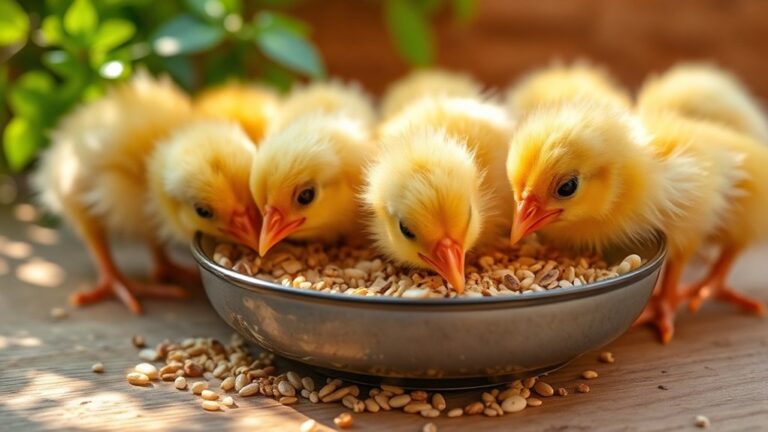
If you’re breeding Sapphire Gem chickens, plan each season around flock goals, space, and egg production before you hatch any chicks. Watch your hens closely so you can decide whether to hatch new birds or replace aging layers. Compare hatching timelines with your farm calendar, because spring chicks grow fast enough to join the flock by fall.
Track laying rate each month. Note health indicators, like steady weight and bright eyes. Replace birds that molt poorly or stop laying early. Hatch only when coop space and feed supply can handle more pullets. Keep the strongest hens and roosters for breeding.
If a bird shows chronic lameness, repeated illness, or weak fertility, cull your breeding plans for that line. When your flock stays productive and healthy, you’ll spend less time troubleshooting and more time collecting eggs.
Frequently Asked Questions
How Long Do Sapphire Gem Chickens Live?
Sapphire Gem chickens usually live about 6 to 8 years, though you might get 10 with excellent care. Their lifespan depends on factors like diet, predators, climate, and genetics.
You can help them thrive by practicing strong health management, including clean housing, fresh water, regular checks, and parasite control. If you handle stress and illness quickly, you’ll often add a few healthy, happy years to their lives.
Are Sapphire Gem Chickens Friendly With Children?
Yes, you’ll often find these birds to be gentle little fluffers around kids. With a calm Sapphire temperament, they usually handle child interactions well if you supervise closely and teach gentle handling.
Their soft, dappled feathers and easygoing manners can make them a pleasant backyard companion. Still, every chicken’s personality differs, so you should watch how your flock responds and let children move slowly, quietly, and respectfully.
Do Sapphire Gem Chickens Tolerate Extreme Heat Well?
Not really; you’ll need to help them in extreme heat. You can improve heat adaptation by giving plenty of cool water, good airflow, and reducing crowding.
Your birds also need strong shade, especially during hot afternoons, so place coops and runs under trees or tarps. You should avoid heavy handling and watch for panting, drooping wings, or lethargy.
With care, you can keep them safer when temperatures climb.
What Predators Are Sapphire Gem Chickens Most Vulnerable To?
You’ll find sapphire gem chickens are most vulnerable to fox attacks, raccoon threats, hawk dangers, and snake risks. You should protect them with sturdy fencing, locked coops, and covered runs, because these predators exploit weak spots fast.
You can also reduce danger by closing birds in at dusk and keeping feed secured. If you add motion lights and regular checks, you’ll lower losses and keep your flock safer year-round, too.
Can Sapphire Gem Chickens Be Kept With Ducks?
Yes, you can keep them with ducks if you manage the setup well. You’ll need to match housing requirements so both species have dry bedding, roomy space, and separate feed and water areas. Think of it like a roommate truce: everyone gets along better with clear boundaries.
Good breeding techniques matter too, since you shouldn’t mix birds indiscriminately. Watch for wet floors, bullying, and extra mess, and you’ll reduce stress and disease risks.
Conclusion
Raising Sapphire Gem chickens is rewarding when you give them the right coop, a secure run, steady feed, clean water, and attentive care. These hardy birds can lay about 290 to 320 eggs a year, making them a productive choice for small flocks.
Watch for molting, integrate new birds carefully, and replace aging hens when egg output drops. With consistent care, you’ll enjoy a calm, colorful flock and plenty of fresh eggs from your Sapphire Gem chickens.