How to Raise Buff Orpington Chickens
If you’ve ever wanted to raise Buff Orpington chickens but felt overwhelmed by the details, you’re not alone. Many people struggle with creating the perfect environment and routine for these friendly birds.
Getting started can feel tricky, but with the right tips, you can enjoy a happy, healthy flock without the guesswork.
To raise Buff Orpington chickens, you’ll want to give them plenty of space, a secure and well-ventilated coop, and a calm routine.
Start chicks in a warm brooder with clean bedding, then feed age-appropriate starter and layer feed with fresh water every day.
Keep an eye on health, especially in winter, and collect eggs daily.
If you train them slowly to free-range and avoid common mistakes, you’ll get a friendly, productive flock with plenty more to learn.
Key Takeaways
- Buff Orpingtons are calm, friendly chickens that suit beginners and mixed flocks well.
- Provide at least 4 square feet indoors and 8 to 10 square feet outdoors per bird.
- Start chicks in a warm, clean brooder and feed age-appropriate starter, grower, then layer feed.
- Keep water fresh, monitor health daily, and protect the flock with vaccinations, pest control, and winter water care.
- Collect eggs daily, store them properly, and train birds to free-range safely with supervised, short sessions.
What Makes Buff Orpington Chickens a Good Choice

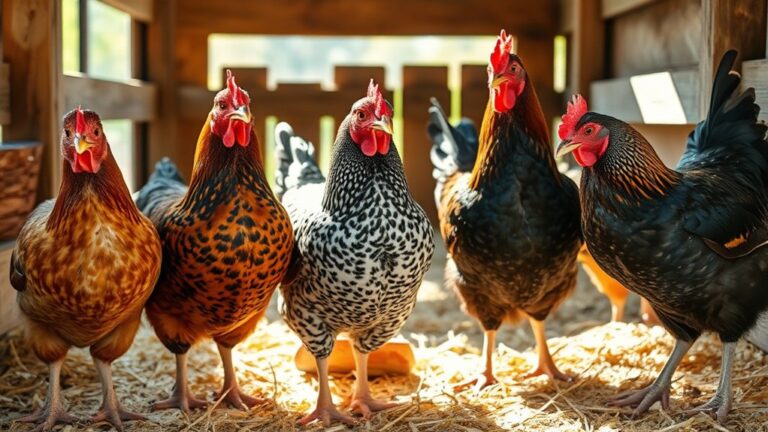
Buff Orpington chickens make a great choice if you want a bird that’s calm, friendly, and easy to manage. Their temperament traits fit beginners because they stay gentle around people and usually blend well into mixed flocks. You’ll also appreciate their social behavior since they rarely act aggressive.
In most climates, they adapt well, though an ideal climate is dry and moderate. Their feeding habits are simple: give balanced layer feed, fresh water, and treats in moderation. With good care, lifespan expectations often reach several years, and egg production stays steady with rich brown eggs.
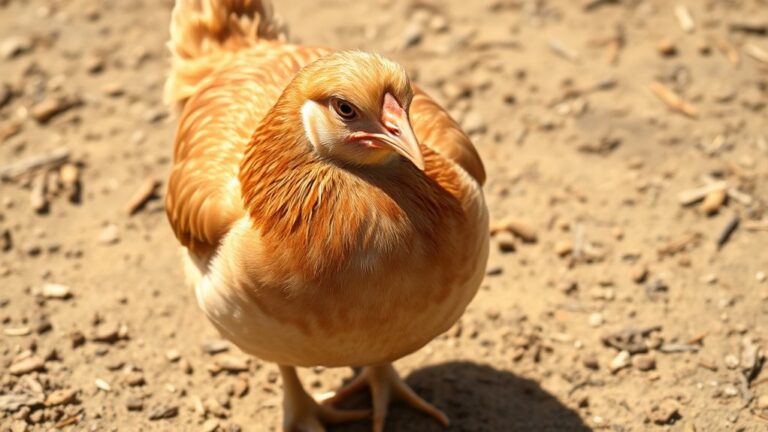
You’ll see limited color variations in the classic buff shade, which many keepers love. Their foraging instincts help them scratch for extras, while modest grooming needs keep upkeep easy. Watch for common health concerns like weight gain or parasites, and you’ll enjoy a hardy, rewarding flock.
How Much Space Buff Orpington Chickens Need

Room to roam matters a lot for Buff Orpingtons, since these calm, sturdy birds stay healthiest when they aren’t crowded. You should plan generous space requirements so your flock can move, scratch, dust bathe, and avoid stress.
Buff Orpingtons thrive with room to move, scratch, dust bathe, and stay calm.
As a rule, give each bird at least 4 square feet inside and 8 to 10 square feet outdoors, though more always helps. When you offer extra room, you reduce pecking, keep bedding cleaner, and support steady growth.
Buff Orpingtons are large, friendly chickens, so cramped quarters can quickly cause boredom and bullying. A spacious setup also gives you an ideal environment for feeding and socializing, since your birds can spread out naturally.
If you keep a mixed flock, increase space even more to prevent crowding. Always watch your birds’ behavior; if they seem restless, squabble often, or avoid certain areas, they probably need more room.
Set Up a Cozy Buff Orpington Coop

To keep your Buff Orpingtons happy, make sure their coop is spacious enough for them to move around easily and is simple to clean. You’ll want to add nesting boxes where your hens can lay their eggs in peace. Also, don’t forget to include sturdy roosts so they can sleep comfortably off the floor. When you have a cozy, well-planned layout, it really helps your flock stay healthy and calm.
Coop Size And Layout
Because Buff Orpingtons are large, calm birds, they need a coop that gives them enough room to move comfortably without feeling crowded. Aim for generous floor space to reduce stress and keep the flock peaceful. A simple, open layout helps you clean quickly and watch for problems.
Good coop ventilation keeps air fresh and helps prevent moisture buildup. Solid coop security protects your birds from predators.
- Leave clear walking space inside.
- Keep walls smooth and easy to wash.
- Place doors where you can reach them fast.
- Use windows or vents for airflow.
- Keep the layout simple and sturdy.
Nesting Boxes And Roosts
After you’ve set up a roomy, well-ventilated coop, give your Buff Orpingtons comfortable nesting boxes and sturdy roosts so they can settle in and rest well. Place one nesting box for every three hens, and line each with clean nesting materials like straw or shavings.
Keep boxes low, dark, and quiet so they match your birds’ nesting preferences and encourage regular laying. Install roosts higher than the boxes, but not so high that heavy Buff Orpingtons strain their legs when jumping down.
Aim for smooth, rounded perches and varied roosting heights if your flock needs options. Leave enough space between roosts and walls for easy movement, and check that coop ventilation keeps the area dry, fresh, and comfortable year-round.
Raise Buff Orpington Chicks From Day One
Start by setting up a warm brooder with clean bedding, steady heat, fresh water, and chick starter feed. You’ll want to check on your chicks several times a day to make sure they’re eating, drinking, and staying comfortable. It’s important to keep the brooder clean and safe, and don’t forget to adjust the heat as they grow.
Preparing the Brooder
A well-prepared brooder gives your Buff Orpington chicks the safe, warm start they need from day one. Set the brooder size so each chick can move comfortably, then line it with safe bedding materials that stay dry. Place a steady heat source above one side and check brooder temperature often.
Manage humidity control with ventilation, not damp litter. Use chick behavior to confirm comfort: they should huddle less and investigate more. Keep light requirements simple, with gentle light for finding feed and water.
Match your feeding schedule to their early needs. Keep water shallow and easy to reach. Watch for crowding or panting. Plan socialization tips that reduce stress. Do quick health monitoring for droppings, posture, and alertness.
Daily Chick Care
Each day, check your Buff Orpington chicks early and often so small problems don’t turn into bigger ones. Watch their posture, appetite, droppings, and alertness, then adjust heat, bedding, or water right away.
Use gentle chick handling tips: move slowly, support their bodies, and keep visits brief so they stay calm. Refresh feed and water several times daily, and keep both easy to reach.
Follow consistent daily feeding routines by offering starter crumble and clean water at the same times each day. Remove wet litter, wipe dirty nipples or dishes, and replace anything soiled.
If a chick seems weak, cold, or separated from the group, isolate it and check for illness. Your steady care helps them grow strong, feather out well, and become friendly adults.
Feed Buff Orpington Chicks and Hens
Buff Orpington chicks and hens do best on a balanced feed that matches their age and purpose. You should give chick feed with enough protein sources to support healthy growth stages. Then switch hens to layer feed once they mature. Keep a steady feeding schedule so birds stay consistent and productive. Always meet hydration needs with clean water.
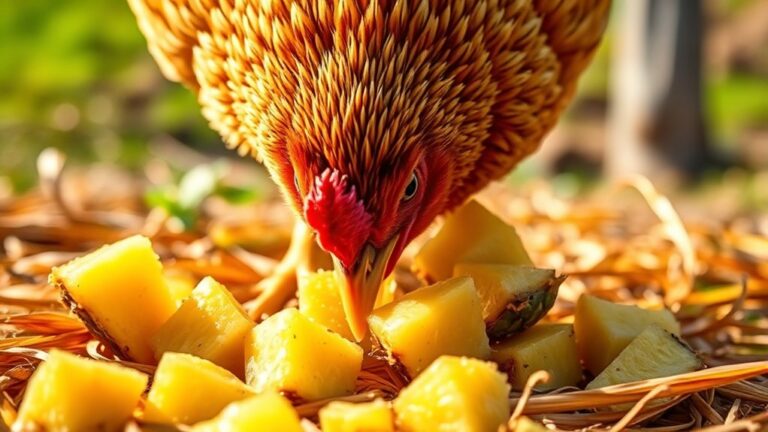
Choose pellet types that fit your flock’s size. Prefer organic options if you want a more natural approach. Focus on nutrient balance instead of treats because too many extras can weaken the diet.
- Start chicks on starter feed with higher protein.
- Offer crumble for easier pecking in early weeks.
- Move to layer pellets after pullet maturity.
- Check labels for calcium and amino acids.
- Store feed dry and refresh it often.
You can also free-feed adults if they don’t overeat, but monitor body condition.
Keep Buff Orpington Chickens Warm and Dry
To keep your Buff Orpington chickens warm and dry, start by setting up a coop that blocks drafts but still lets fresh air move through. You want to make sure they have good ventilation without feeling a chill.
Also, keep their bedding dry and clean it often. This helps prevent moisture from building up, which can really make your birds uncomfortable and cold.
And when winter hits, don’t forget to protect their water from freezing. That way, they can drink easily without getting soaked or stressed out.
Draft-Free Coop Setup
Because Buff Orpingtons have dense plumage but still dislike cold, damp conditions, you’ll want a coop that blocks drafts without trapping moisture. Place vents high under the eaves, not at roost level, so fresh air moves out while chilly wind stays off your birds. Use solid walls, tight-fitting doors, and sturdy latches for predator protection.
Add insulation techniques to the roof and north wall, but cover them so chickens can’t peck exposed material.
Choose ventilation options that exchange stale air. Seal gaps around windows and corners. Install lighting solutions for short winter days. Inspect roofing, siding, and hardware often. Schedule regular coop maintenance to catch leaks early.
Keep bedding materials clean and dry, and you’ll help your flock stay comfortable all season.
Dry Bedding Management
Clean, dry bedding is one of the easiest ways to keep your Buff Orpingtons warm and healthy through cold weather. You should choose bedding types that insulate well, like straw, pine shavings, or chopped leaves, and spread them thickly across the coop floor.
Stir the bedding often so damp spots don’t pack down and chill your birds. Good moisture control means removing wet clumps from droppings and replacing soiled material before odors build up.
Keep the litter fluffy and dry under roosts, where droppings collect fastest. If you notice caked areas, refresh them right away. Your flock will stay more comfortable, and the coop will smell better too.
Dry bedding also helps reduce frostbite risk and supports stronger overall health through winter.
Winter Water Protection
Dry bedding helps, but you still need to keep your Buff Orpingtons’ water from turning into a cold hazard. Use insulated containers and a safe water heater to slow frozen water and support steady drinking. Check bowls during daily checks, especially after dawn and before dusk, so you catch ice before it becomes a problem.
Choose heating options rated for poultry use. Place water in a sheltered spot. Lift containers off the ground. Break thin ice and refill often. Watch winter feeding, then offer hydration tips like extra moisture from feed.
Good ice prevention keeps hens drinking, which helps them stay warm, active, and productive all winter.
Train Buff Orpington Chickens to Free-Range Safely
To train Buff Orpington chickens to free-range safely, start by letting them investigate a fenced area while you supervise so they learn where their boundaries are. Keep your free range training sessions short at first, then release them at the same time each day so they build a routine.
Use a call, such as a shaken feed pail, to bring them back when you’re ready. This helps them connect your voice with safety and meals. Watch their behavior closely, and only expand their space when they stay calm and return reliably.
Use a consistent call to bring them back, so they link your voice with safety and meals.
Buff Orpingtons usually enjoy gentle, safe foraging, so give them access to grass, weeds, and insects in areas you’ve checked for hazards. Close gates, remove chemicals, and block access to roads, holes, and predators.
If one bird wanders too far, calmly guide it back instead of chasing it, which can spook the flock and make future training harder.
Keep Buff Orpington Chickens Healthy
Keep Buff Orpington chickens healthy by giving them fresh water, a balanced layer feed, and a clean coop with plenty of ventilation. Watch for signs of trouble through daily health monitoring, and note any changes in appetite, posture, or energy.
Keep your vaccination schedule current, and talk with a poultry vet about local risks. Offer diet variety with leafy greens, grains, and occasional treats, but keep the core feed steady. Use these practices:
- Check feathers, combs, and droppings during behavioral observations.
- Maintain pest control to reduce mites, lice, and flies.
- Add mental enrichment with treats in straw or hanging greens.
- Give an exercise routine through supervised foraging and coop space.
- Improve environmental enrichment with perches, dust baths, and shade.
These small steps help your flock stay active, calm, and resilient, while supporting steady growth and strong immunity.
Collect Eggs From Buff Orpington Hens
Check the nesting boxes each day and collect eggs from your Buff Orpington hens promptly so they stay clean, intact, and less likely to be pecked or sat on. Use calm movements, and slide each egg into a basket instead of tossing it. These egg collection tips help you keep a steady routine and protect shell quality.
| Step | What You Do | Why It Helps |
|---|---|---|
| 1 | Enter quietly | Hens settle faster |
| 2 | Check under bedding | You won’t miss hidden eggs |
| 3 | Lift eggs gently | Cracks stay rare |
| 4 | Wipe dirt dry | Eggs keep better |
| 5 | Chill soon after | Freshness lasts longer |
Afterward, sort eggs by cleanliness and size, then place them in a cool, dry spot for ideal egg storage. If you plan to wash them, do it right before use, not before storing. A simple daily habit keeps your flock’s eggs wholesome, appealing, and ready for your kitchen.
Avoid Common Buff Orpington Raising Mistakes
Even hardy Buff Orpingtons can run into trouble if you overlook a few basics. Focus on the common mistakes that slow growth, stress birds, and cut egg production. You can avoid most backyard challenges by watching feed, housing, and flock behavior closely.
Keep your coop dry, roomy, and well ventilated. Don’t crowd your birds.
- Skip wet bedding and dirty nesting boxes.
- Don’t feed only treats or scratch.
- Provide fresh water every day.
- Separate sick or bullied chickens quickly.
- Protect hens from heat, cold, and predators.
You’ll also want to trim overgrown nails, check for mites, and let your flock free-range safely when possible. If you ignore small problems, they’ll turn into bigger setbacks fast.
Frequently Asked Questions
How Long Do Buff Orpington Hens Lay Eggs?
Buff Orpington hens usually lay eggs for about 5 to 8 years, though your hen’s egg production will slow after the first couple of years. You’ll get the best laying frequency when she’s young, healthy, and well-fed.
Many hens start laying around 5 to 6 months old and peak in their first two years. After that, she may still lay, but you’ll see fewer eggs and longer gaps between clutches.
Do Buff Orpington Chickens Get Along With Other Breeds?
Yes, Buff Orpington chickens usually get along well with other breeds. You’ll often find their calm social behavior helps them blend into mixed flocks without much drama.
Still, breed compatibility isn’t guaranteed, so you should watch introductions closely and provide enough space, feed, and roosts. The theory that gentle birds always stay peaceful is partly true, but stress can change that fast. Careful mixing gives you the best chance.
Can Buff Orpingtons Handle Hot Summer Weather?
Yes, Buff Orpingtons can handle hot summer weather, but you’ll need to watch their heat tolerance closely. You should provide plenty of shade, cool water, and good airflow, especially on humid days.
Trim coop clutter and avoid overcrowding so they can stay comfortable. For better summer care, offer frozen treats or wet greens, and check for panting or lethargy.
With attention, they’ll cope well, even in strong heat.
What Age Do Buff Orpington Chicks Start Pecking for Treats?
Buff Orpington chicks usually start pecking for treats at about 1 to 2 weeks old, once they’re alert and steady on their feet. You’ll notice chick behavior change as they become curious and bolder around you.
Start with tiny, soft treats like chopped greens or scrambled egg, and watch their treat preferences. Offer small amounts so they learn safely and don’t replace their balanced chick feed with snacks too soon.
How Noisy Are Buff Orpington Chickens?
Buff Orpingtons are usually quite quiet; you’ll often hear only a soft cluck, not a racket. In fact, a calm flock can stay vocal less than 10% of the day, which paints a peaceful backyard scene.
You’ll notice their gentle temperament traits make them less likely to squawk constantly, and good feather care helps keep them comfortable, reducing fuss. If they do speak up, it’s usually to greet you or signal food.
Conclusion
Raising Buff Orpingtons is like tending a small sunrise in your backyard. When you give them space, shelter, good feed, and steady care, they grow into calm, golden birds that reward you with eggs, companionship, and charm.
Watch their fluff become feathered confidence, and you’ll see how simple kindness shapes a thriving flock. If you stay patient and consistent, your coop won’t just hold chickens. It’ll hold a warm, living promise of Buff Orpingtons thriving in your care.