Olive Egger Chickens Guide
Finding the perfect backyard chicken breed that lays unique eggs while being hardy and easy to care for can be a real challenge. You’re not alone if you’ve struggled to find chickens that bring both charm and practicality to your coop.
Many people want hens that add a splash of color to their egg basket without demanding too much fuss.
Olive Egger chickens are hybrid layers that give you beautiful olive-tinted eggs and a wide mix of feather colors and patterns. You get them by crossing a blue egg layer with a dark brown egg layer, so shell color depends on genetics.
They’re usually curious, active, and fairly hardy.
If you want them in your coop, give them clean housing, balanced feed, fresh water, and parasite checks, and you’ll uncover what makes them so appealing.
Key Takeaways
- Olive Egger chickens are hybrid birds bred from blue and brown egg layers to produce olive-tinted eggs. Their appearance and egg shades vary widely because there is no fixed breed standard.
- Best breeding results come from pairing blue egg layers with dark brown egg layers like Marans or Welsummers.
- They need a secure coop, fresh water, balanced layer feed, and regular predator-proofing and ventilation checks.
- They are generally curious and hardy but can face mites, respiratory issues, and shell problems without proper care.
What Are Olive Egger Chickens
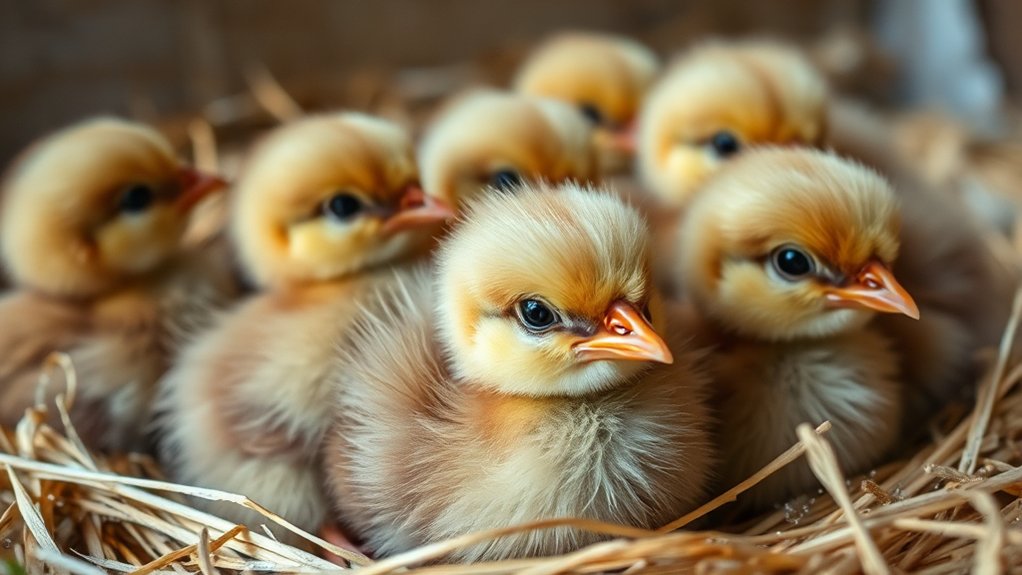
Olive Egger chickens are hybrid birds created by crossing a chicken that lays blue eggs with one that lays brown eggs, resulting in eggs with a greenish-olive tint. When you add them to your flock, you get mixed traits, varied colors, and dependable backyard interest.
You won’t find a single fixed breed standard, because breeders use different parent birds and breeding techniques to shape the look, size, and temperament they want. That flexibility makes Olive Eggers popular with keepers who value variety and steady egg production.
You can expect hens that often lay well, though output depends on genetics, feed, health, and care. Their feathers may vary widely, and their personalities can range from calm to lively.
If you want colorful eggs and an engaging flock member, Olive Eggers offer a practical, attractive choice for your coop.
Why Olive Eggers Lay Olive Eggs
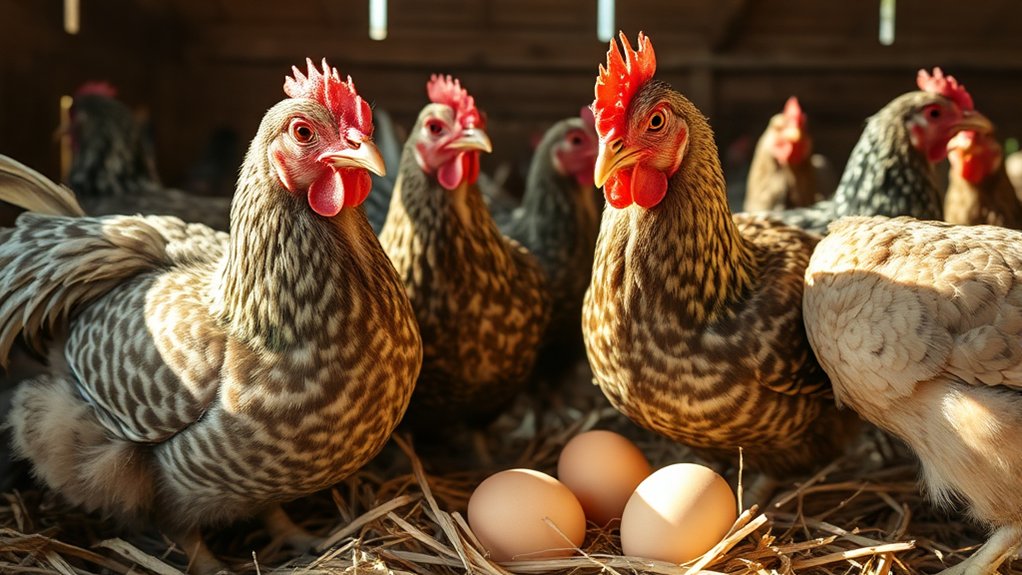
You’ll see olive eggs because Olive Eggers inherit genes that mix blue and brown shell traits. The blue gene creates a blue base, and then the brown gene adds a pigment layer on top. So, when you put those together, you get the olive color you notice. It’s kind of like blending two paint colors to make a new shade!
Genetics Behind Olive Shells
Because olive eggs come from a genetic mix, Olive Egger chickens don’t inherit a single “olive egg” gene; instead, they combine traits from blue-egg and brown-egg layers. You’re seeing genetic inheritance at work as each parent passes along color-producing instructions that shape the final shell.
One set of genes creates a pale blue base, and another adds brown shell pigmentation on top, giving you that muted olive look. The exact shade can vary from bird to bird, so you may get eggs that look mossy, khaki, or deep olive.
Since each chick inherits a different combination, no two hens always produce the same tone. That’s why Olive Eggers give you fascinating, one-of-a-kind eggs rather than a predictable color.
Blue And Brown Genes
Blue eggs and brown eggs don’t blend by accident. They combine through layered genetics that affect shell color in different ways. When you understand blue gene inheritance, you see that a hen can pass on the blue shell trait, giving the egg a blue base.
Then the brown gene interaction adds pigment on top, shifting the final shade toward olive. You’re not seeing a mixed liquid color; you’re seeing genetics at work.
- Blue base comes first
- Brown pigment lands second
- Breed pairing shapes the result
- Gene strength changes the shade
- Your hen’s genetics decide the olive tone
That’s why your Olive Egger lays eggs that look earthy, muted, and unique rather than bright green or plain brown.
Pigment Layer Combination
The olive color appears when the blue shell base meets a brown pigment layer on top. You get this shade because your hen’s body lays down pigment twice: first the blue base forms inside the shell, then brown coating settles over it during the final stage of egg formation.
The exact result depends on pigment variations, so one bird may lay a darker olive while another looks more muted. Shell thickness also matters, since a thicker shell can hold more visible overlay and deepen the tone.
When these two layers blend, you don’t see blue or brown separately; you see olive. That’s why Olive Egger eggs can look earthy, green, or nearly khaki, even within the same flock.
Common Traits of Olive Egger Chickens
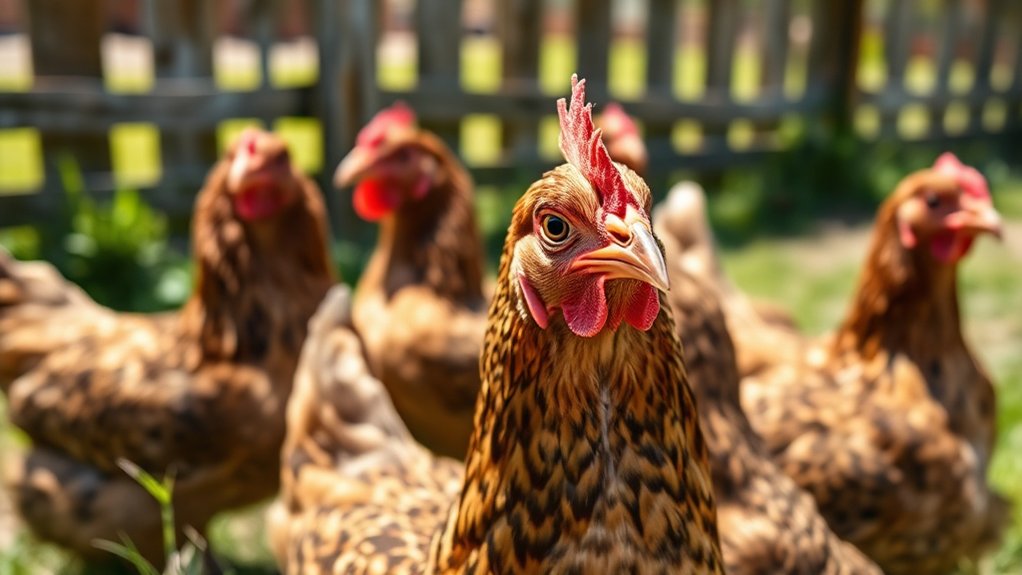
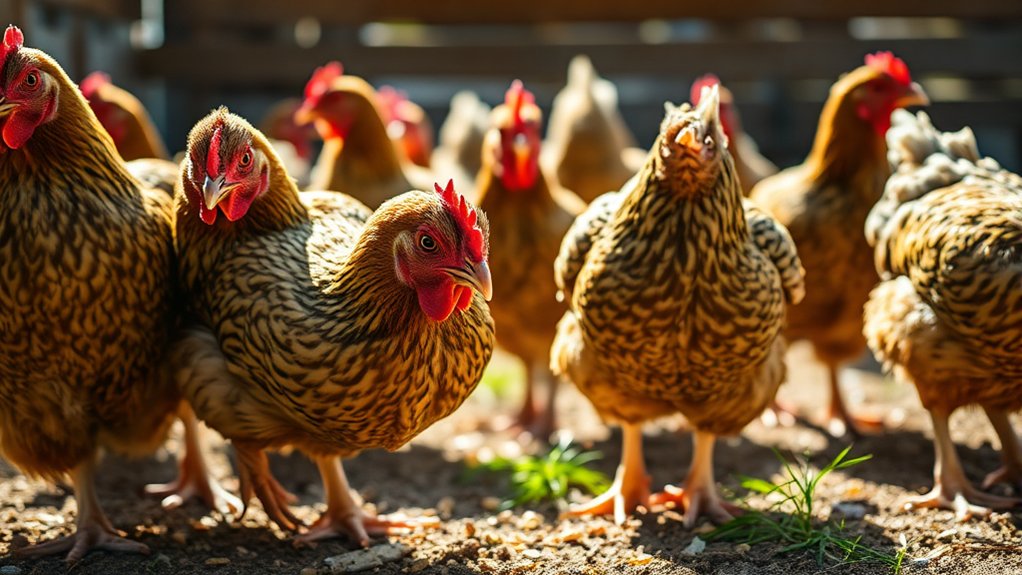
Olive Egger chickens usually stand out for their varied appearance, since you’ll rarely find two that look exactly alike. You’ll notice differences in size, comb shape, and feather texture, but their charm comes from that unpredictable mix.
Their feather color often ranges from soft cream to rich brown, with speckling or subtle patterning showing up on many birds. Temperament traits also vary, yet you can usually expect a curious, alert, and fairly calm chicken that does well in a backyard flock.
They’re often friendly enough to handle, though some keep a little more distance than others.
- Unique feather color blends
- Moderate to good hardiness
- Curious, active behavior
- Usually docile temperament
- Strong backyard appeal
How to Identify Olive Egger Chickens
Spotting an Olive Egger chicken usually starts with its eggs, since these birds are best known for laying olive-colored shells that can range from pale green to deep mossy brown. You can’t confirm them by eggs alone, though, because appearance varies widely.
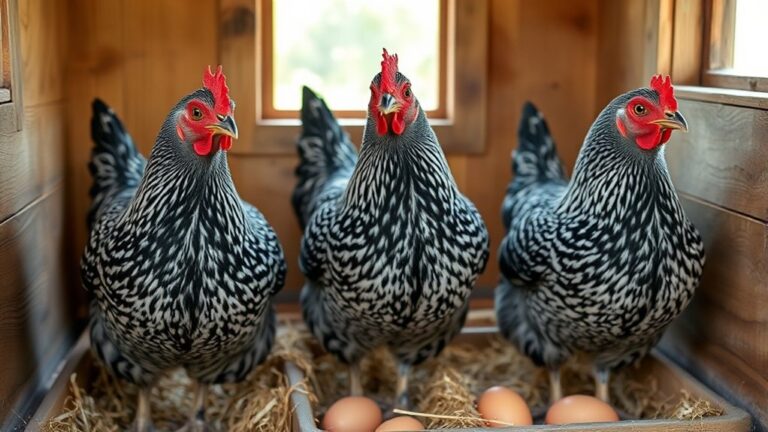
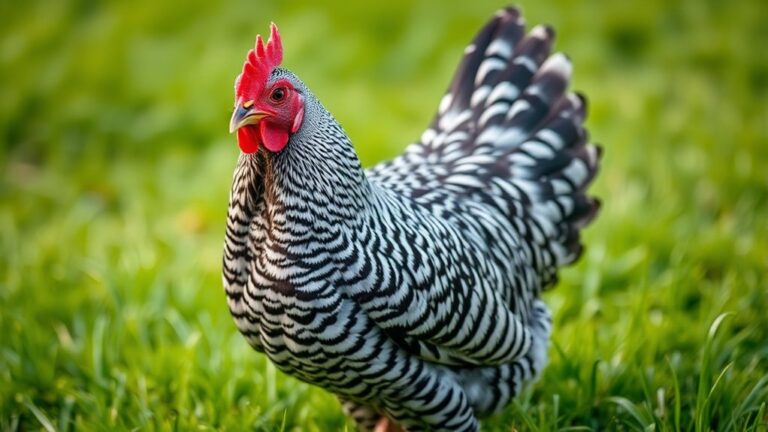
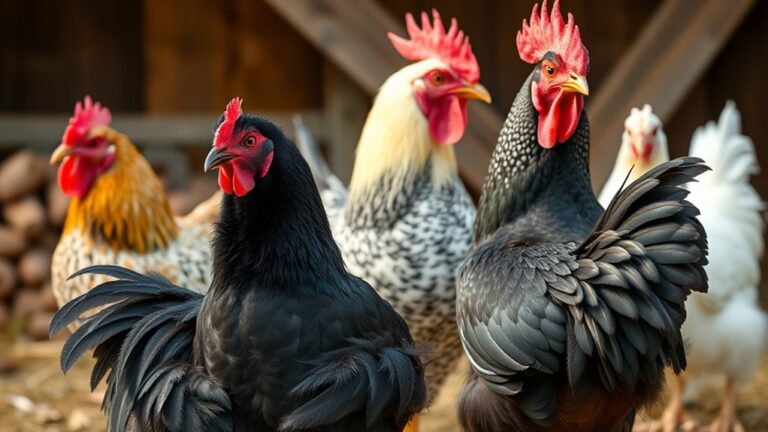
Look closely at feather colors: you might see black, brown, cream, blue, gold, or a mixed pattern that shifts from bird to bird. Their combs, legs, and body shape can also differ, so you’ll need to compare several traits at once.
Feather colors can vary widely, so compare combs, legs, and body shape for a better match.
You should also watch behavior traits, because Olive Eggers often act alert, curious, and calm around people, but temperament isn’t a perfect marker. Since they’re hybrids, no two look exactly alike.
If you want a reliable ID, track each bird’s egg color over time, note its physical features, and compare it with the rest of your flock. That combination gives you the clearest picture.
Best Parent Breeds for Olive Eggers
Strong olive layers start with the right parent breeds, usually a blue egg layer crossed with a dark brown egg layer. If you want the best parent breeds, choose birds that are healthy, productive, and calm.
Popular blue layers include Ameraucanas, Araucanas, and Cream Legbars, while Marans, Welsummers, and Penedesencas often bring deep brown genetics. You’ll get the best results when both parents are active, free from defects, and consistent layers. Hybrid vigor can help your chicks grow well, stay hardy, and mature with good egg output.
Ameraucana hens add dependable blue egg genes. Araucana birds can boost the blue side. Cream Legbars often bring strong laying ability. Marans usually add rich brown genetics. Welsummers offer steady production and resilience.
Pick stock from reputable breeders, and you’ll set yourself up for healthier olive eggers.
Olive Egger Egg Colors and Patterns
When you get into egg color genetics, it’s pretty cool to see why Olive Eggers lay such unique shades. You’ll notice the shell colors can vary quite a bit—from soft olive hues to deeper green-brown tones.
And the fun part? Each hen can surprise you a little with what she lays. Sometimes, the eggs even have interesting patterns, which adds even more variety to check out in the nest.
Egg Color Genetics
Olive Egger egg colors come from a simple genetic mix: a chicken that carries blue egg genes paired with one that lays dark brown eggs. You see olive shades when blue pigment and brown overlay combine during genetic inheritance. The exact result depends on how strongly each parent passes color traits, so no two birds lay identical eggs.
You may notice deeper olive from stronger brown genes. Lighter olives often show more blue influence. Patterns can look speckled or mottled.
Shell thickness doesn’t control color, but it can affect durability. Your hen’s genetics set the palette long before she lays.
If you want consistent shades, choose breeders with known parentage and watch how each hen’s eggs vary across seasons.
Shell Tint Variations
Shell tint in Olive Egger eggs can range from soft sage to deep moss, and the shade often shifts from one hen to another. You’ll notice that shell color depends on the parent birds, but each hen can still lay eggs with her own subtle signature.
Some eggs look richer when the bloom is fresh, while others appear lighter after washing or handling. Egg shape can also influence how you perceive the tint, since rounder eggs may seem deeper in color than longer ones.
As you collect your basket, compare eggs from the same hen over time to spot steady tones. These variations make Olive Egger eggs appealing, because you get a natural spectrum without losing the breed’s familiar earthy look.
Patterned Egg Appearance
Patterns on Olive Egger eggs can be just as eye-catching as the color itself, with faint speckling, mottling, or uneven shading that gives each shell a handmade look. You’ll notice pattern variations from hen to hen, and even from one clutch to the next.
These subtle marks boost egg aesthetics without changing flavor or quality. Some eggs show tiny freckles. Others have cloudy blotches. A few look lightly brushed.
Darker shells may hide patterns, while lighter olive eggs reveal them more. When you collect them, you’ll see how each egg tells its own visual story.
That’s part of the charm: no two eggs look exactly alike, and that uniqueness makes your basket feel special.
How to Care for Olive Egger Chickens
Caring for these birds starts with giving them a clean, secure coop, fresh water, and a balanced layer feed to keep them healthy and laying well. Focus on cooping essentials like dry bedding, good ventilation, sturdy roosts, and nest boxes that stay dark and calm.
You should inspect locks, fencing, and wire often since predators love easy access. Give them room to scratch, dust bathe, and move without crowding. Otherwise, stress can lower egg quality.
Seasonal care matters too. Add shade and extra airflow in hot weather, then block drafts and keep bedding dry when it turns cold. Watch for mites, lice, limpness, or off behavior and act quickly if something seems wrong.
Handle them gently so they stay tame and confident. A steady routine helps Olive Eggers stay healthy, active, and productive through every season.
Feeding Olive Eggers for Healthy Laying
Good care goes hand in hand with a smart feeding plan, and what you offer Olive Eggers directly affects how well they lay. You’ll get the best results when you provide balanced nutrition every day and keep a steady feeding schedule. Layer feed gives them protein, calcium, and energy for strong shells and consistent production.
Fresh water should always be within reach, and treats should stay limited so they don’t crowd out the main diet.
- Choose a quality layer ration
- Offer oyster shell separately
- Keep feed fresh and dry
- Give greens and grains sparingly
- Feed at the same times daily
You can also adjust portions when your birds are more active or during seasonal changes. Watch how much they eat, and don’t let leftovers sit too long. When you stay consistent, your Olive Eggers can turn good feed into steady, dependable eggs.
Common Health Issues in Olive Eggers
Olive Eggers are generally hardy birds, but they can still run into a few common health issues if their care slips. You should watch for parasites like mites and lice, which can irritate skin, drain energy, and reduce laying.
Respiratory problems can also appear when bedding stays damp or coop air turns stale. Keep the house clean, dry, and well ventilated to lower risk.
Watch for dietary deficiencies, especially if your birds aren’t getting enough calcium, protein, or vitamins. Those gaps can weaken shells and overall health.
Bumblefoot and foot injuries may happen if you keep rough perches or dirty flooring in the coop. Environmental stressors, such as extreme heat, cold, crowding, or sudden changes, can also make them more vulnerable to illness.
Are Olive Egger Chickens Right for Your Coop
If you want colorful eggs, hardy birds, and a mixed-breed personality in the coop, Olive Eggers can be a great fit. You’ll enjoy them most if you value variety, steady egg production, and a flock with character. Their coop compatibility is usually strong, but you should still match them with birds that share similar size and temperament.
Watch flock dynamics closely, especially if you keep them with bold breeds or small, timid hens.
You want unique olive-colored eggs.
You have secure space and good ventilation.
You can handle a little personality and noise.
You’re okay with mixed plumage and traits.
You’ll monitor flock dynamics during introductions.
If your setup is calm, roomy, and well managed, Olive Eggers should settle in nicely. If you need a perfectly uniform breed, they may not be your best choice.
Frequently Asked Questions
Can Olive Eggers Lay Blue Eggs Sometimes?
Yes, you can sometimes get blue eggs from Olive Eggers, but it depends on the bird’s egg color genetics. You might see blue, green, olive, or even brown eggs if the hen carries the right genes.
Egg production variability can make color shift a little too, especially in mixed-line birds. If you want consistent blue eggs, you’ll need hens bred specifically for that trait, not just Olive Eggers.
Do Olive Eggers Make Good Brood Hens?
Yes, you can get a decent brood hen, but don’t expect a feathered nanny from every bird. Olive Eggers often show broody behavior, yet it varies by breed mix and individual temperament.
If yours goes broody, she may handle egg incubation well and sit tight like a stubborn queen guarding her throne. Still, you’ll need to watch her closely because some hens quit early or get cranky fast.
Are Olive Eggers Noisy Compared to Other Chickens?
Yes, you’ll usually find olive eggers about as noisy as most other chickens. Your flock’s chicken behavior matters more than breed alone, and loudness often depends on personality, stress, or excitement.
If you want quieter birds, you’ll notice cackling after laying, alarm calls, and chatter around treats. Their egg color won’t affect noise level, but you may hear more when they’re laying, hungry, or competing for space.
How Long Do Olive Eggers Usually Live?
You can expect olive eggers to live about 5 to 8 years, though some reach 10 with good care. Lifespan factors include genetics, diet, housing, and predator protection.
Health considerations matter too, especially parasite control, clean water, and prompt treatment for injuries or illness. If you keep your flock stress-free and well-fed, you’ll usually help your olive eggers enjoy a longer, healthier life.
Can Olive Eggers Breed True to Their Color?
No, you usually can’t count on olive eggers to breed true to their color. You’re dealing with mixed genetic traits, so each chick can surprise you with a different plumage or egg color. Isn’t that part of the fun?
If you breed two olive eggers, you’ll still see variation because their genes don’t lock in one exact result. You can select for consistency, but you can’t guarantee it.
Conclusion
So, if you add olive egger chickens to your coop, you’re inviting a little treasure hunt into your backyard. These charming birds can reward you with stunning olive eggs, steady personalities, and plenty of surprise.
With the right care, feed, and setup, you’ll help them thrive like wildflowers in a sunny field. If you’re ready for beauty, variety, and a bit of poultry magic, olive eggers just might be your perfect flockmates.
In the end, olive egger chickens bring a unique charm and color to your flock that’s hard to beat. They’re not just hens; they’re a delightful addition that keeps your backyard exciting and colorful.