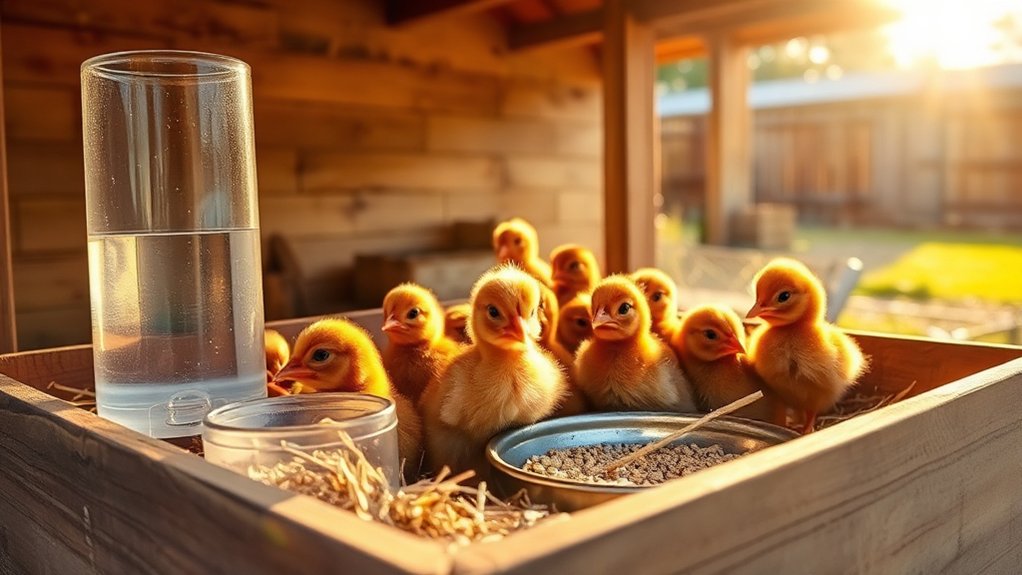
How to Raise ISA Brown Chickens
If you’ve ever tried raising ISA Brown chickens, you know it’s not always as easy as it seems. Many people struggle with keeping their hens healthy, happy, and laying consistently. You’re not alone—raising these popular layers comes with its own set of challenges, but with the right care, it can be incredibly rewarding.
To raise ISA Brown chickens, give them a secure coop with good ventilation, dry nesting boxes, and about 3 to 4 square feet per hen. Feed a balanced layer ration, offer fresh water every day, and add small treats like greens or grains.
Keep bedding clean, watch for mites or illness, and handle them gently. Collect eggs at least once daily, and you’ll soon see how simple it can be to keep them laying well.
Key Takeaways
- Provide a roomy, well-ventilated coop with secure nesting boxes and roosts. Make sure it’s predator-proof for their safety.
- Feed balanced layer feed that includes calcium and protein. Don’t forget to offer fresh water every day.
- Keep bedding dry and clean the coop weekly. Check your hens daily for mites, illness, or signs of stress.
- Support egg production by giving them dust baths, greens, and treats. Make sure they have enough space to reduce boredom and crowding.
- Collect eggs daily and handle your hens gently. Replace older birds when their laying declines.
What Makes ISA Brown Chickens a Good Choice?
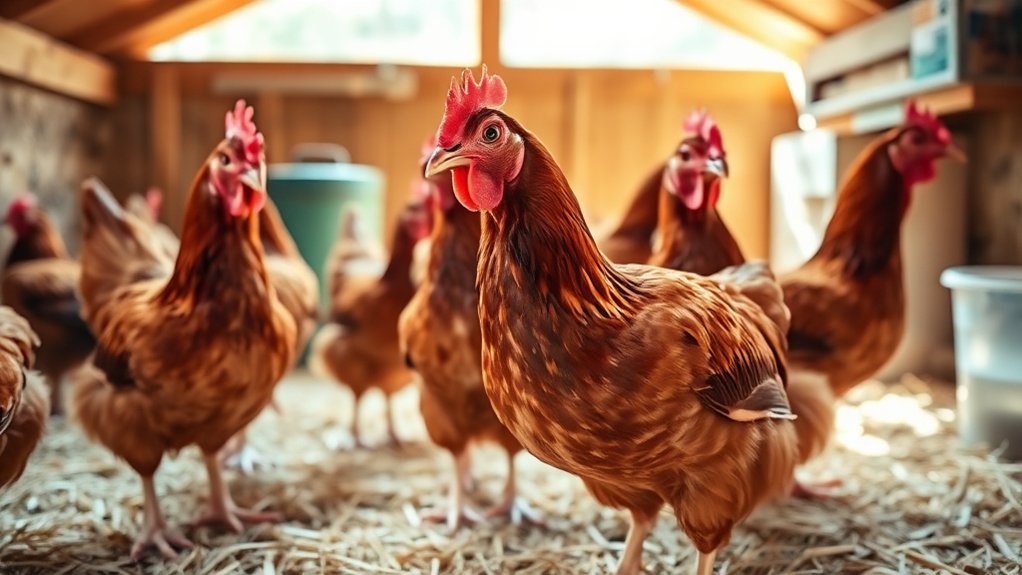
ISA Brown chickens are a smart choice if you want reliable egg production with a calm, easygoing bird. You’ll appreciate how quickly they mature and how consistently they lay large brown eggs. Careful breeding practices shaped them for productivity, so you get a hen that fits backyard flocks and small homesteads alike.
Reliable egg layers with a calm temperament, ISA Browns mature quickly and fit backyard flocks beautifully.
Their temperament traits make daily care simpler, because they usually handle handling well and don’t act overly skittish around you. That calm nature can help you build trust faster, especially if you’re new to chickens.
You’ll also find they adapt well to varied climates and routine changes, which makes them practical for many keepers. If you want a bird that balances output with an approachable personality, ISA Browns deliver.
They’re dependable layers, low-drama companions, and a strong first choice when you want steady eggs without fuss.
Set Up a Safe ISA Brown Coop

To keep your ISA Browns healthy, make sure their coop is roomy enough so they can move around comfortably. It should also be well-ventilated to cut down on heat and moisture.
You’ll want to keep the nesting areas secure, dry, and safe from predators. This way, your hens can lay their eggs without any worries.
A good coop setup really makes a difference. It helps your flock stay calm, clean, and productive.
Coop Size and Ventilation
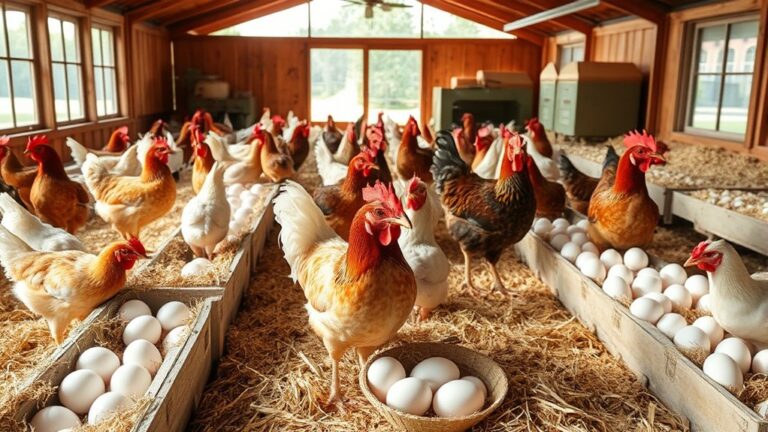
A roomy coop keeps your ISA Browns healthy, calm, and productive, so give each bird enough space to move, perch, and nest without crowding. Plan coop dimensions to provide at least 3 to 4 square feet per hen inside and more room if your flock spends long periods indoors.
Add multiple roosts at comfortable heights, and keep feeders and waterers spaced so birds don’t compete. Good ventilation options matter just as much: place vents high on opposite walls so warm, damp air can escape without creating drafts at bird level.
Use screened openings, adjustable windows, or ridge vents to balance airflow in every season. Fresh air helps reduce moisture, ammonia, and respiratory stress, which supports stronger laying and a cleaner, drier coop overall.
Predator-Proof Nesting Areas
Once your coop has enough space and airflow, turn your attention to the nesting area, where safety matters just as much. You should place nest boxes low enough for easy access, but high enough to stay dry and clean.
Line them with soft nesting materials like straw or wood shavings so your ISA Browns feel secure and lay consistently. Add a solid latch, tight wire mesh, and covered vents to block raccoons, snakes, and rats.
Keep the entrance well lit and use predator deterrents such as motion lights or secure fencing around the coop. Check for gaps often, because a small opening can invite trouble.
When you protect the nest, you protect egg production, flock comfort, and your birds’ daily routine.
Choose the Right Feed for ISA Browns

ISA Browns thrive when you give them a balanced layer feed with plenty of protein, calcium, and key vitamins to support steady egg production and strong shells. You should compare feed types before you buy, because pellets, crumbles, and mash each affect how easily your hens eat and waste feed.
Aim for a nutritional balance that keeps body condition steady without overloading them with unnecessary extras. A quality layer ration should provide enough amino acids for feather repair and egg-making, while calcium helps build firm shells.
You can also offer a small amount of grains or greens as treats, but keep them under control so they don’t dilute the main diet. Check the label for added minerals and a trusted protein level, and adjust portions as your flock’s age and laying rate change over time.
Give ISA Browns Fresh Water Daily
Fresh, clean water should be available to your ISA Browns every day. Hens drink more as they lay and can quickly lose condition if water runs short. Check drinkers morning and evening, and refill them before they run dry.
Good water quality supports steady egg production, while dirty or stale water can reduce intake. You should place containers where birds can reach them easily, but away from spills and dust. In hot weather, offer extra stations so weaker hens don’t get crowded out.
Keep hydration importance in mind each day, since hens eat better and stay active when they can drink freely.
- Refresh water daily
- Scrub drinkers regularly
- Provide enough access points
- Shade water in heat
- Watch for low intake
If you notice birds lingering near empty bowls, act fast. Reliable water keeps your flock laying well and thriving.
Keep ISA Browns Clean and Healthy
Keeping your ISA Browns clean helps them stay healthy, comfortable, and productive. Use simple cleaning routines every week: remove droppings, scrub feeders, and replace damp litter. Good bedding management keeps odors down and lowers disease prevention risks.
During quick health checks, look for bright eyes, smooth feathers, clean vents, and steady breathing. If you notice dirt or buildup, use gentle grooming techniques to wipe combs and feet.
| Task | When | Why |
|---|---|---|
| Change bedding | Weekly | Controls moisture |
| Check feathers | Daily | Spots problems fast |
| Refresh dust baths | As needed | Supports parasite control |
Strong hygiene practices matter, so wash your hands after handling birds and keep tools separate. Clean nests often, and let your flock enjoy dust baths to help them stay tidy.
With consistent care, you’ll protect your ISA Browns from common issues and support a healthier flock overall.
Give ISA Browns Room to Roam
Give your ISA Browns a safe free-range space where they can scratch around, forage for food, and really stretch their legs. It’s great for their health and happiness.
Try rotating their grazing areas every so often. This way, the ground stays fresh, and the soil doesn’t get worn out too quickly.
Also, think about adding simple things like logs, dust baths, and perches. These little touches encourage your birds to move around more and keep them active throughout the day.
Safe Free-Range Space
While ISA Browns love to roam, you need to make free-range time safe before you let them out. Focus on free range benefits and your space requirements, so they can scratch, peck, and exercise without danger. Check your yard for gaps, toxic plants, loose wire, and hidden hazards.
Install secure fencing, block access to roads, remove sharp debris, and provide shade and water. Also, watch for predators.
You should keep doors, gates, and netting in good shape because one weak spot can invite trouble. Give them enough open ground to move naturally, but don’t overcrowd the area.
When you set up a protected range, you help your flock stay calm, active, and healthier.
Rotating Grazing Areas
Rotating grazing areas keeps your ISA Browns healthier and your yard in better shape. You let them graze one section, then move them before they overwork the ground.
This simple pasture rotation supports grass management, reduces mud, and helps you keep forage growing strong. Watch how quickly each patch recovers, and adjust your schedule with the season and flock size.
| Area | Use Time | Rest Time |
|---|---|---|
| Pen A | 3 days | 21 days |
| Pen B | 3 days | 21 days |
| Pen C | 3 days | 21 days |
| Pen D | 3 days | 21 days |
Move the birds before grass gets short, and you’ll protect roots, limit waste buildup, and give your hens cleaner ground to investigate.
Enrichment for Movement
After you’ve managed pasture rotation, the next step is to keep your ISA Browns active inside each area. You can add simple enrichment that encourages natural foraging, scratching, and roaming.
Give them logs to hop over, low perches to climb, and scattered feed to chase. These small changes provide physical stimulation and reduce boredom.
Place dust baths in shaded spots. Hang greens for pecking fun. Use straw piles for scratching. Move waterers to prompt walking. Keep flock groups together for social interaction.
You’ll see healthier legs, stronger appetites, and calmer hens when they move more. Rotate toys and obstacles often so the flock stays curious and engaged without feeling crowded or trapped.
Handle ISA Brown Chickens Gently
Handle ISA Brown chickens gently so they stay calm and trust you. Move slowly, speak softly, and support their bodies with both hands when you pick them up. Avoid grabbing wings, legs, or feathers because rough contact can scare them and make future care harder.
With gentle handling, you teach them that you’re safe to approach. Use positive reinforcement by offering a small treat, calm praise, or a few seconds of relaxed petting after they cooperate. This helps them associate your presence with comfort instead of stress.
Keep interactions short at first, then build up as they get used to you. If a bird struggles, lower her carefully and try again later rather than forcing the issue. Consistency matters, so handle them the same way each time.
Over time, your ISA Browns will become easier to manage, more confident around you, and less likely to panic during routine care or health checks.
Collect Eggs Before They Get Dirty
Make it a habit to check your nest boxes every day. Collect the eggs before they sit too long and get dirty. Keeping the boxes clean and dry is important too—your hens will appreciate having a fresh, comfortable spot to lay. When you gather the eggs, handle each one gently to avoid any cracks.
Daily Collection Routine
Collect eggs at least once a day, and more often in hot, wet, or very active weather, so they stay clean and less likely to crack. You’ll also notice your hens’ daily behavior and spot changes fast. A steady routine protects egg quality and makes gathering simpler.
Go to the coop at the same times each day. Carry a small basket or carton. Check under roosts and in corners. Pick up eggs gently, with clean hands. Store them promptly in a cool place.
When you collect often, you reduce breaks, keep eggs fresher, and learn which hens lay best. Consistency helps you work quickly and keeps your flock’s rhythm easy to manage.
Keep Nest Boxes Clean
Clean nest boxes help keep eggs sanitary and reduce the chances of cracks, stains, and contamination. Check boxes daily and remove droppings, broken shells, and wet bedding before they build up.
Replace soiled litter with fresh, dry material so your ISA Browns have a clean place to lay. Choose nest box materials that are smooth, durable, and easy to wipe down because rough surfaces trap dirt and make cleaning harder.
Watch your flock’s nesting habits too. If hens crowd one box or sleep in it, add more boxes or adjust placement to encourage proper use. A tidy nest box keeps eggs cleaner, makes collection quicker, and helps your hens stay comfortable.
Clean regularly, and you’ll support better egg quality and a healthier coop overall.
Prevent Egg Cracking
If you gather eggs often, you’ll lower the chance of cracks, dirt, and contamination. Check the nests early and again later in the day so hens don’t sit on eggs for long. Handle each egg gently, and don’t stack them in a crowded basket.
Good egg shell strength starts with balanced feed, calm hens, and clean water. Your nesting material choices also matter; use soft, dry bedding that cushions eggs without creating bumps.
- Collect eggs at least twice daily
- Support eggs with both hands
- Replace wet bedding fast
- Avoid sharp edges in boxes
- Store eggs in a cool place
When you keep the coop calm and tidy, you’ll protect every fresh egg and cut losses from avoidable cracks.
Watch for Common ISA Brown Health Problems
Even healthy ISA Browns can run into a few common issues, so watch closely for signs of mites, lice, respiratory illness, or egg-laying problems. Check feathers, skin, and vents often for parasites, and dust the coop with approved treatments if you spot them.
Keep bedding dry, water clean, and airflow steady to reduce stress and breathing trouble. If you hear wheezing, see nasal discharge, or notice droopy behavior, separate the bird and contact a vet.
Keep bedding dry, water clean, and airflow steady to help prevent stress and breathing trouble.
Good preventative care also means giving balanced feed, fresh greens, and grit so your flock stays resilient. Watch for pale combs, weight loss, or sudden changes in droppings, since these can point to common ailments.
Clean feeders, sanitize nesting areas, and limit overcrowding to cut disease spread. Quick action matters with ISA Browns, because early care helps you protect the whole flock and keeps minor problems from becoming serious.
Manage Egg Production as They Age
As your ISA Browns grow older, their egg output will naturally change, so watch for shifts in laying patterns and adjust care to match. You can support aging hens by keeping feed rich in protein, calcium, and vitamins. This helps steady shell quality during egg decline.
Expect production peaks early, then a slower pace later. During molting season, egg laying may pause, so give extra nutrients and avoid stressing the flock.
- Track eggs weekly to spot trends.
- Increase calcium with oyster shell.
- Offer fresh water every day.
- Reduce stress with a calm coop.
- Replace older hens as needed.
Frequently Asked Questions
How Cold Can ISA Brown Chickens Tolerate in Winter?
ISA Brown chickens can usually tolerate winter temperatures down to around 20°F to 30°F if you keep them dry, sheltered, and well-fed. You should watch their cold tolerance closely since wind, dampness, and drafts can stress them fast.
For good winter care, give them fresh bedding, extra feed, unfrozen water, and a coop that stays ventilated but not drafty. If temperatures drop lower, you’ll need added protection.
When Do ISA Brown Hens Start Laying Eggs?
You’ll usually see your ISA Brown hens start laying around 16 to 18 weeks, and the wait feels exciting. As they mature, egg production ramps up quickly, and you’ll notice steady laying patterns forming soon after.
If you give them good feed, light, and calm housing, they’ll often surprise you with early, reliable eggs. Keep watching; those first tiny shells are the moment everything changes for your flock.
Can ISA Browns Live With Other Chicken Breeds?
Yes, you can keep ISA Browns with other chicken breeds if you manage breed compatibility well. You’ll want to watch flock dynamics, especially when introducing new birds, and use cohabitation tips like adding them gradually, providing enough space, and offering multiple feeders and waterers.
ISA Browns are usually calm, but bigger or bossier breeds can stress them. Keep an eye out for pecking and separate anyone who’s getting bullied.
Do ISA Brown Chickens Make Good Pets for Children?
Yes, ISA Brown chickens can make good pets for children because they often have a friendly temperament. You’ll still need to supervise interactions and teach kids gentle handling, since birds can get stressed or injured easily.
They’re a great way to build child responsibility, too, because children can help with feeding, watering, and collecting eggs. With patience and respect, you’ll likely enjoy a calm, rewarding pet.
How Long Do ISA Brown Chickens Typically Live?
ISA Browns usually enjoy a respectable run, but you’ll often see their chicken lifespan land around 3 to 5 years, and sometimes longer with excellent care. Your bird’s ISA health plays a big role in how long she’ll keep clucking happily.
Good feed, clean housing, fresh water, and prompt care can help her stay lively. Think of it as giving her a well-tended chapter, not an endless story.
Conclusion
Raising ISA Browns can be simple and rewarding when you give them a safe coop, fresh feed, clean water, and gentle care. Stay alert for health issues, and collect eggs often so they stay clean and ready.
As your hens age, keep supporting their changing needs so they keep laying well. With steady care, your flock will thrive like a well-tended garden, bringing you plenty of eggs and daily satisfaction.
By following these tips, raising ISA Brown chickens becomes a fulfilling experience that keeps your flock healthy and productive.