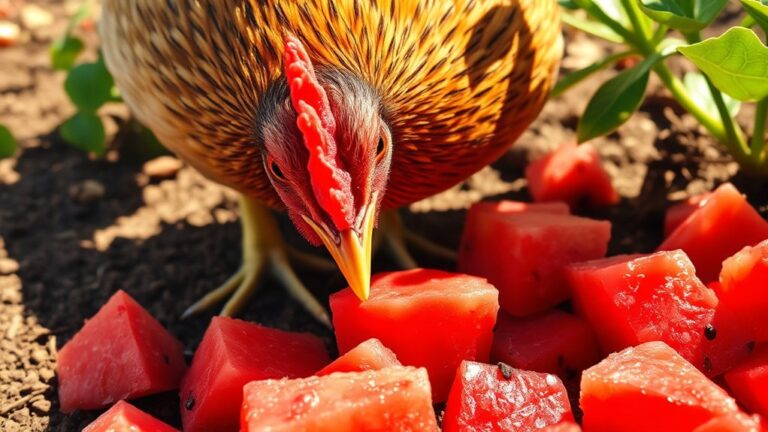
Can Chickens Eat Spinach?
If you’re a chicken keeper, you know how tricky it can be to find healthy, tasty treats that won’t upset your flock’s diet. Many people struggle with what’s safe and nutritious to feed their birds. You’re not alone in wanting to give your chickens something fresh and beneficial without risking their health.
Yes, you can feed chickens spinach in moderation as a healthy treat. It offers vitamins A, C, and K, plus iron and moisture, but it also contains oxalates, so don’t let it replace their main feed.
Serve fresh, washed, and chopped spinach, raw or cooked and cooled, once or twice a week. Baby chicks can have tiny amounts too. If you keep going, you’ll find out how much is safe and the best ways to serve it. Can Chickens Eat Spinach.
Key Takeaways
- Yes, chickens can eat spinach in moderation as an occasional treat.
- Serve fresh, chopped, or lightly wilted spinach in small handfuls once or twice weekly.
- Spinach provides vitamins and minerals, but too much can interfere with calcium absorption because of oxalates.
- Baby chicks can have tiny amounts of finely chopped spinach, but starter feed should remain their main diet.
- Remove uneaten spinach quickly, and rotate with other greens like kale, romaine, or collard greens.
Can Chickens Eat Spinach?

Yes, chickens can eat spinach in moderation, and it can be a healthy treat for them. You can offer it fresh, chopped, or lightly wilted, and your flock may peck at it quickly or ignore it, depending on chicken preferences.
Some birds love its texture, while others prefer different leafy green varieties, so watch how your flock responds. Spinach shouldn’t replace their main feed, but it can add variety to their diet.
Some chickens love spinach, while others prefer different greens, so watch what your flock enjoys.
Serve it clean and unseasoned, and remove any uneaten pieces before they spoil. You can mix spinach with other greens to encourage interest and reduce waste. If you introduce it slowly, your chickens can adjust without fuss.
Always keep portions small, since too much of any treat can crowd out balanced nutrition. When you choose spinach thoughtfully, you give your birds a simple, safe option that fits well into a varied backyard routine.
Spinach Benefits for Chickens
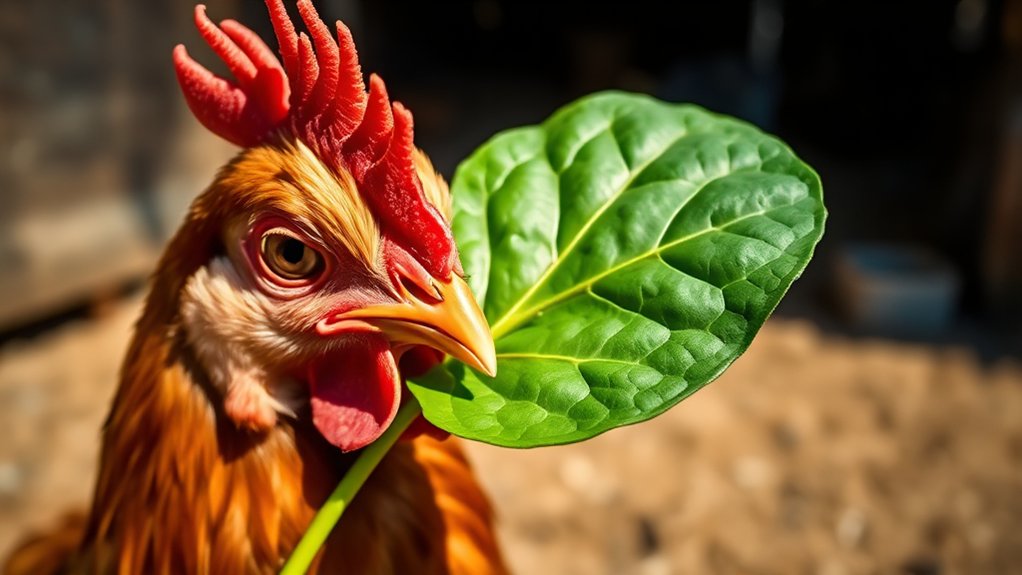
Spinach can give your chickens a useful boost by adding vitamins, minerals, and moisture to their diet. When you offer it in small amounts, you support stronger overall spinach nutrition and help your flock enjoy a more varied feed routine.
The leafy greens bring vitamin A, vitamin C, folate, iron, and calcium, all of which can support chickens’ health. You’ll also add hydration, which matters on warm days or when birds seem less interested in drinking.
| Nutrient | Benefit | Why it matters |
|---|---|---|
| Vitamin A | Supports eyes | Helps birds stay active |
| Iron | Aids blood function | Supports energy use |
| Calcium | Helps bones and eggs | Supports daily production |
You can mix spinach with other greens to keep meals interesting. Fresh leaves also encourage natural pecking behavior, so your chickens stay engaged while they eat.
How Much Spinach Is Safe?
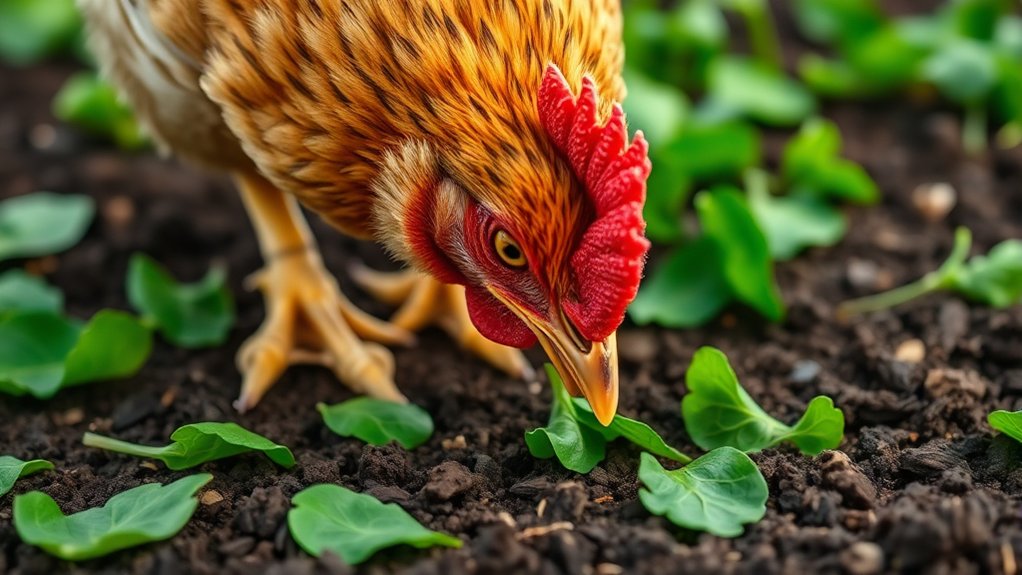
You can give spinach as an occasional treat, but it’s not something to offer every day. Just a small handful per chicken is a safe amount. And it’s a good idea to limit how often you feed it to them. Also, watch out for oxalates—too much spinach can cause some issues.
Safe Serving Size
Even though spinach can be a healthy treat, it should only make up a small part of your chickens’ diet. You can offer a few chopped leaves to each bird, enough to add variety without replacing their regular feed. For small flocks, a light handful is usually plenty.
Cut the spinach into bite-size pieces so your hens can peck it easily, and mix it with other greens if you want to stretch the portion. You can also try different serving methods, like scattering it on the ground or placing it in a dish.
If you need variety, rotate in other spinach alternatives such as lettuce, kale, or herbs. Keep portions modest, watch how your flock handles the treat, and remove leftovers promptly.
Frequency Limits
A small serving is only part of the picture; how often you offer spinach matters just as much. You can give spinach as an occasional treat, not a daily staple. Your feeding schedules should keep it in the minority of the diet.
Most flock owners do best with clear frequency recommendations that limit spinach to once or twice a week, depending on what else your birds eat.
- Offer a few leaves, not a pile.
- Rotate spinach with other greens.
- Mix it into a balanced treat plan.
- Skip it on days with rich scraps.
- Watch your flock’s appetite and adjust.
When you spread treats out, you help keep your chickens interested in their feed and avoid crowding out the nutrients they need from their regular ration.
Watch For Oxalates
Spinach can be safe for chickens in small amounts, but it does contain oxalates, which can bind to calcium and make it harder for birds to absorb. You should keep portions modest, especially if you already feed calcium-rich treats or layer feed.
A few chopped leaves once or twice a week usually won’t cause trouble, but large servings can raise oxalate concerns over time. If you notice loose droppings, reduced appetite, or a bird that seems off, stop feeding spinach and reassess the diet.
Rotate greens instead of relying on one vegetable. Good spinach alternatives include romaine, kale, Swiss chard in moderation, and dandelion greens. By offering variety, you help your flock stay balanced, hydrated, and healthy without overloading them with oxalates.
Raw vs. Cooked Spinach for Chickens
You can feed chickens either raw or cooked spinach, and both have their perks. Raw spinach stays nice and crisp, making it easy to offer. On the other hand, cooked spinach gets softer, which can be easier for chicks or older birds to eat. Just make sure to serve it plain, cooled down, and in small portions so your flock can enjoy the treat safely.
Raw Spinach Benefits
When you feed spinach raw, chickens usually get a bigger share of its heat-sensitive nutrients, including vitamin C and some folate, because cooking can reduce them. You also preserve more nutrient density, so each leafy bite offers a compact boost of plant compounds.
Raw spinach keeps its crisp texture, which can make pecking more interesting for your flock. Its antioxidant properties may support overall cell protection, giving you a simple, fresh treat to rotate into the run.
- Bright green leaves catch attention
- Crisp strips are easy to peck
- Fresh flavor can improve interest
- Uncooked leaves keep more natural goodness
- Small portions fit a balanced diet
Cooked Spinach Benefits
Steamed leaves can be easier for chickens to nibble and digest, and a quick cook may soften the texture for birds that ignore raw greens. When you offer cooked spinach, you may boost acceptance for picky flock members while still adding useful nutritional value.
Gentle preparation methods can make the leaves wilt, reducing bulk and helping you mix them into regular feeding practices more easily. Cooked spinach still brings vitamins, minerals, and fiber, so you get solid health benefits in a form that some birds prefer.
You should watch your chickens’ preferences, because some enjoy the tender texture more than crisp raw leaves. If you vary greens wisely, cooked spinach can become a simple, flexible treat in a balanced diet.
Safe Serving Tips
Whether you serve spinach raw or cooked, keep portions small and wash the leaves well to remove dirt or pesticide residue. You can offer fresh spinach as an occasional treat, but don’t let it replace your chickens’ balanced feed.
For safer spinach preparation, chop large leaves so your birds can peck them easily, and mix spinach with other greens to keep the meal varied. Cooked spinach can work too, but serve it plain, cool, and unseasoned. Good serving techniques help you avoid waste and reduce the chance of picky eating.
- Rinse leaves in cool water
- Drain off excess moisture
- Chop into bite-size pieces
- Serve a small handful per flock
- Remove leftovers before they spoil
How to Serve Spinach to Chickens
You can serve spinach to chickens fresh, chopped, and mixed with their regular feed, or offer it as a simple treat on its own. For easy spinach preparation, rinse the leaves well, shake off excess water, and cut them into bite-sized pieces so your flock can peck them easily.
You can also tear larger leaves by hand and scatter them in the run for a little enrichment. When you try different feeding techniques, start with small amounts and watch how your chickens respond. Rotate spinach with other greens so they stay interested and get variety in their diet.
If you’re serving baby spinach, you can give it whole, since the leaves are already tender. For mature spinach, chopping works best and helps reduce waste. Offer it in a clean dish, on the ground, or tucked into a hanging feeder to make snack time more engaging for your birds.
Spinach Risks for Chickens
Although spinach can be a healthy treat, it shouldn’t make up a large part of your chickens’ diet. You need to watch portions because spinach contains oxalates, which can interfere with calcium use and upset nutritional balance over time.
Too much can crowd out more suitable foods and leave your flock missing key nutrients. In rare cases, heavy feeding may contribute to spinach toxicity concerns, especially if you also offer other high-oxalate greens.
A few chopped leaves add variety. A full bowl can displace balanced feed. Frequent servings may stress calcium intake. Fresh water helps your flock process treats. Mixing greens keeps meals more varied.
If you want your birds to stay healthy, treat spinach like a side dish, not a staple. Rotate it with safer vegetables and keep their main ration complete. That way, you support steady growth, strong shells, and overall flock health without overloading their system.
Can Baby Chickens Eat Spinach?
Yes, baby chicks can eat spinach, but only in small amounts. It’s a great way to add some extra vitamins and minerals to their diet. Just be sure to offer only a little at first. You don’t want to upset their digestion or fill them up so much that they don’t eat their important starter feed.
Also, always wash the spinach thoroughly and chop it up finely. This makes it much easier for the chicks to peck at and swallow. That way, they can enjoy their little treat without any trouble.
Nutritional Benefits
Spinach can offer baby chicks a small nutritional boost when you feed it in moderation, since it contains vitamins A, C, and K, plus folate, iron, and antioxidants that support healthy growth. You can use it as a colorful supplement, not a staple, to add variety to their starter diet. Different spinach varieties, such as baby leaf or flat-leaf, can suit chicken preferences for texture and size.
Fresh greens can brighten the brooder routine. Leafy bites may encourage curiosity and pecking. Vitamins help support vision and immune health. Iron contributes to healthy blood formation. Antioxidants help protect growing cells.
With a few torn leaves, you give your chicks a nutrient-rich treat that fits alongside balanced feed and clean water.
Safe Feeding Amounts
For baby chickens, spinach works best as an occasional treat in very small amounts. You can offer a few shredded leaves once or twice a week, then watch how they respond.
Keep portions tiny: too much leafy green can crowd out starter feed, which should remain their main diet. Use smart feeding strategies so treats stay under 10% of intake.
If you want spinach alternatives, try chopped lettuce, peas, or herbs.
| Amount | Frequency |
|---|---|
| 1–2 small leaves | Once weekly |
| Tiny shreds | Twice weekly |
| Handfuls | Skip them |
| Extra treats | Limit tightly |
| Balanced starter feed | Daily |
These limits help you support growth without upsetting digestion.
Preparing Spinach Properly
Before you serve spinach to baby chickens, rinse it well to remove dirt, pesticides, and grit. Then chop or shred it into very small pieces so they can peck it safely. Good spinach preparation also means serving it fresh, not wilted, slimy, or spoiled.
If you’re using cooked spinach, let it cool completely and skip salt, butter, or seasoning. Offer only a few leaves at first so you can watch how the chicks handle it. Proper spinach storage matters too: keep fresh spinach chilled, dry, and sealed. Discard any leaves that turn dark or mushy.
- Bright green leaves
- Tiny shredded pieces
- Clean cutting board
- Cool, dry container
- Fresh, odor-free spinach
Why Spinach Should Stay a Treat
Even though spinach can be a healthy snack for chickens, it shouldn’t become a daily staple because it can crowd out the balanced nutrition they need from their regular feed. You’ll get better results when you practice spinach moderation and keep greens as occasional rewards.
Too much of one food can make your flock picky, and that can reduce their interest in pellets, grains, and protein-rich feed. Use spinach as a training treat or a quick hand-fed snack, not a main menu item.
| Benefit | Why it matters |
|---|---|
| Tasty reward | Encourages calm, positive handling |
| Variety | Keeps snacks interesting |
| Small portions | Supports balanced eating |
| Treat alternatives | Helps you rotate rewards wisely |
If you want to limit spinach, try treat alternatives like bits of fruit or other safe snacks. You’ll protect their diet while still making snack time fun, simple, and useful for bonding.
Other Leafy Greens Chickens Can Eat
Spinach isn’t the only leafy green your chickens can enjoy, and mixing in a few safe alternatives can keep their treats more balanced and interesting. You can offer kale, which brings solid benefits like vitamins A, C, and K, plus a sturdy texture your flock can peck at.
Collard greens also work well, and they’re rich, hearty, and easy for you to serve chopped. Romaine lettuce adds crunch, while Swiss chard gives variety in small amounts. Mustard greens can add a peppery twist, but you should keep portions modest.
Turnip greens fit nicely too, especially when you want to rotate treats and avoid relying on one plant.
- Kale leaves
- Collard greens
- Romaine lettuce
- Swiss chard
- Turnip greens
How to Tell Chickens Like Spinach
You can usually tell your chickens like spinach by watching how quickly they rush over, peck at it with excitement, and keep coming back for more. If they grab leaves first, scratch around the pile, and ignore other treats, that’s a strong sign of interest.
You may also notice enthusiastic clucking, keen head bobs, and less waste in the coop after feeding time. Good chicken behavior often shows up as steady nibbling instead of cautious pecks, especially when the leaves are fresh and easy to tear.
You may also notice enthusiastic clucking, keen head bobs, and steady nibbling when the leaves are fresh and easy to tear.
To gauge spinach preferences, offer small amounts alongside another leafy green and see which bowl empties first. Chickens that like spinach will often return to it after checking everything else. If they leave stems behind but finish the tender leaves, they’re telling you exactly what they want.
Watch for repeat excitement over several feedings, because consistent choices reveal stronger spinach preferences than one hungry day.
Frequently Asked Questions
Can Chickens Eat Spinach Stems?
Yes, you can feed chickens spinach stems in moderation. They’re safe and offer some spinach nutrition, though the stems are tougher than the leaves. You should chop them small so your birds can peck and digest them more easily.
Chicken digestion handles plant matter well, but too much spinach can reduce calcium absorption. So, treat stems as an occasional treat, not a main feed. Always keep fresh water nearby.
Can Frozen Spinach Be Fed to Chickens?
Yes, you can feed chickens frozen spinach, but you should thaw it first. It’s like giving them a chilly salad that needs warming up.
Thawed spinach still offers frozen benefits, including easy storage, and keeps good nutritional value. You’ll want to serve it plain, with no salt, butter, or seasoning.
Feed it as an occasional treat, not a main food, so your flock stays healthy and balanced.
Will Spinach Stain Chicken Eggs?
No, spinach won’t stain your chicken eggs. You might notice it can slightly influence egg color through the hen’s diet, but the shell’s appearance stays mostly unchanged.
Spinach’s pigments don’t dye the outside of eggs, and they won’t affect nutrient absorption in the shell. If your hens eat a lot of spinach, you may see richer yolk color, not green eggs.
Feed it as a healthy treat.
Can Chickens Eat Spinach Seeds?
Yes, you can give chickens spinach seeds in moderation, but you should treat them as an occasional snack, not a staple. Spinach nutrition can add variety, but seed safety matters more: make sure the seeds are plain, clean, and free of salt, seasoning, or chemical treatment.
You’ll also want to offer other feeds first, since seeds don’t provide complete nutrition and can crowd out healthier options.
Can Chickens Eat Spinach Every Day?
Yes, you can feed your chickens spinach every day, but you’ll want to treat it like a leafy lane, not the whole feast. Spinach offers nutritional benefits, including vitamins and hydration, yet it also contains oxalates, so don’t overdo it.
Follow feeding guidelines by giving it in moderation alongside a balanced diet. You’ll keep your flock healthy, happy, and pecking away without upsetting their nutritional balance.
Conclusion
So, can chickens eat spinach? Yes, they can enjoy a little as part of a balanced diet. You’ll want to serve it sparingly because too much of this leafy green can crowd out the nutrients they really need.
Offer it fresh, chopped, and as an occasional treat, and you’ll likely see your flock pecking happily away. Keep spinach in the treat basket, not the main menu, and you’ll help your chickens stay bright-eyed and well-fed.
In conclusion, spinach can be a healthy addition when given in moderation. Just remember, chickens can eat spinach, but it should always complement a varied diet.