Step by Step Guide to Buying Chicks at Tractor Supply
Buying chicks at Tractor Supply can feel overwhelming if you’re new to raising poultry. You’re not alone—many people struggle with knowing how to choose the right chicks and care for them properly from day one. Getting started the right way makes all the difference in raising healthy, happy birds.
To buy chicks at Tractor Supply, prepare a safe brooding area with temperature control and supplies before you go. Choose breeds that fit your goals, arrive early for the best selection, and pick healthy, active chicks with clear eyes and clean feathers.
Transport them gently in a ventilated container and move them quickly to their brooder. Feed and monitor them closely, adjusting heat and lighting as they grow. Follow these basics, and you’ll be ready to raise healthy chicks successfully with ease.
Key Takeaways
- Prepare a brooding area with proper temperature, feeders, and waterers before visiting Tractor Supply.
- Choose healthy chicks by checking bright eyes, clean vents, and active behavior at the store.
- Transport chicks in a well-ventilated container with soft bedding. Avoid overcrowding and drafts to keep them comfortable.
- Move chicks promptly to a warm brooder. Keep the temperature steady and the area clean during their first weeks.
- Monitor feeding, lighting, and health daily. Plan a gradual outdoor transition after 6-8 weeks.
How to Choose the Right Chick Breed for Your Needs
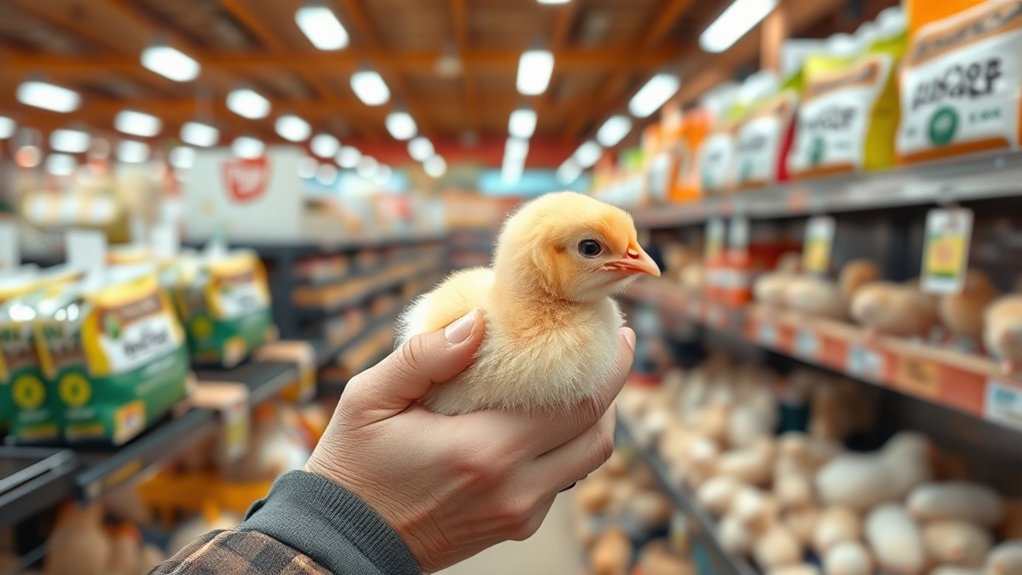
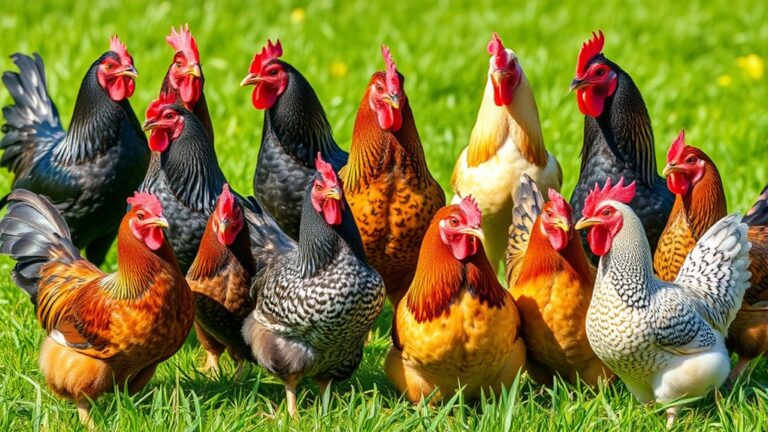
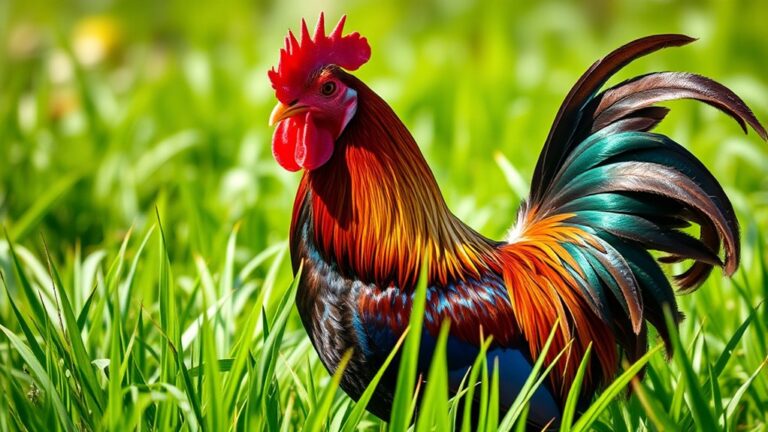
How do you pick the right chick breed for your needs? Start by thinking about what matters most to you, whether it’s egg production rates or the look of your flock. If you want a steady supply of eggs, focus on breeds known for high egg production, like Leghorns or Rhode Island Reds.
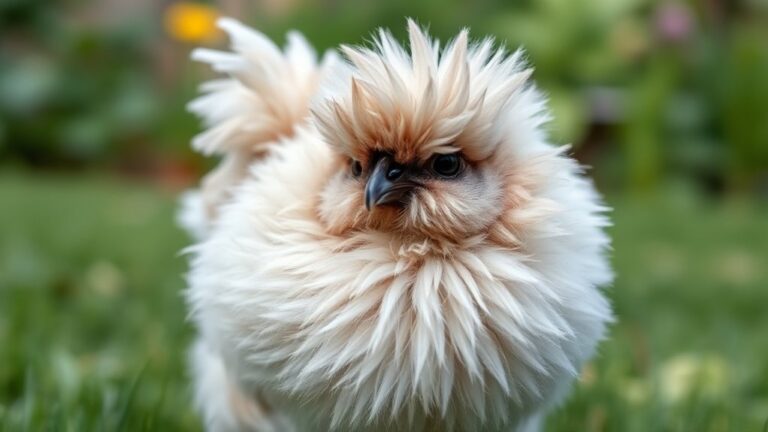
These breeds typically lay large numbers of eggs consistently. On the other hand, if you’re drawn to how your chickens look, pay attention to feather coloration. Some breeds sport striking patterns or unique colors that add charm to your backyard.
How to Buy Chicks at Tractor Supply
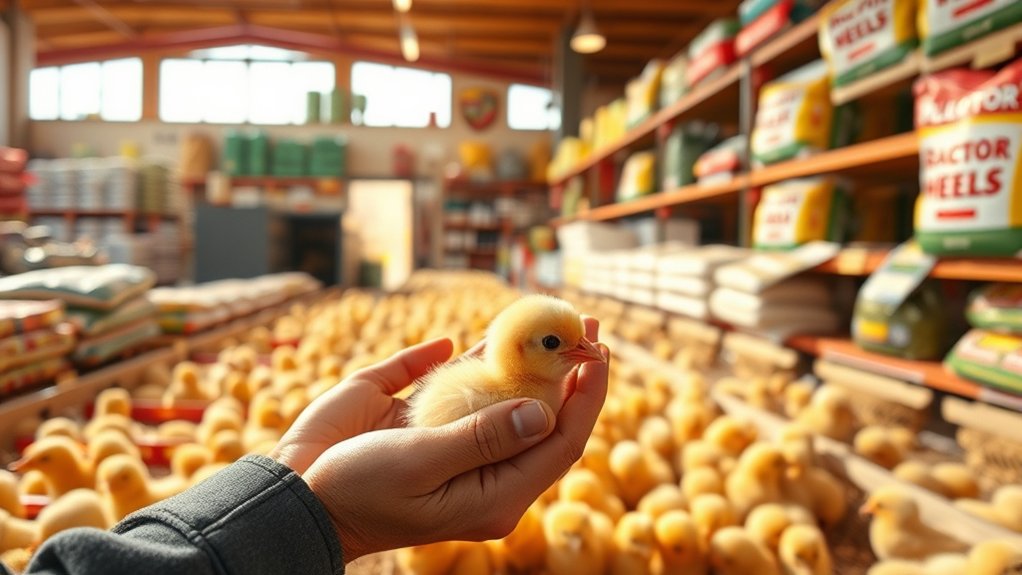
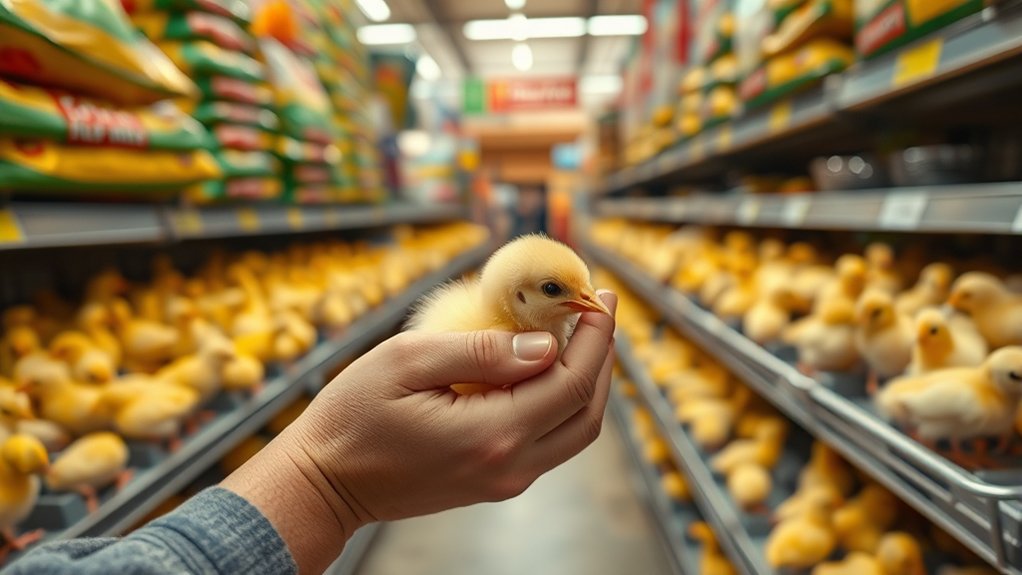
Wondering where to find healthy, affordable chicks? Tractor Supply is a popular choice for many new and experienced poultry keepers. When you buy chicks here, you’re getting birds that have just completed the critical egg incubation period, guaranteeing they’re ready for brooding.
Before heading to the store, make sure you have your brooding setup ready, especially maintaining the correct brooding temperature for their first few weeks. Tractor Supply typically offers a variety of breeds, so you can pick chicks that match your egg-laying or meat production goals.
Arrive early to get the healthiest chicks, as supplies can run out quickly. Keep in mind that Tractor Supply often sells chicks in batches, so you might want to buy a few to ensure a good mix.
How to Inspect Chicks Before You Buy
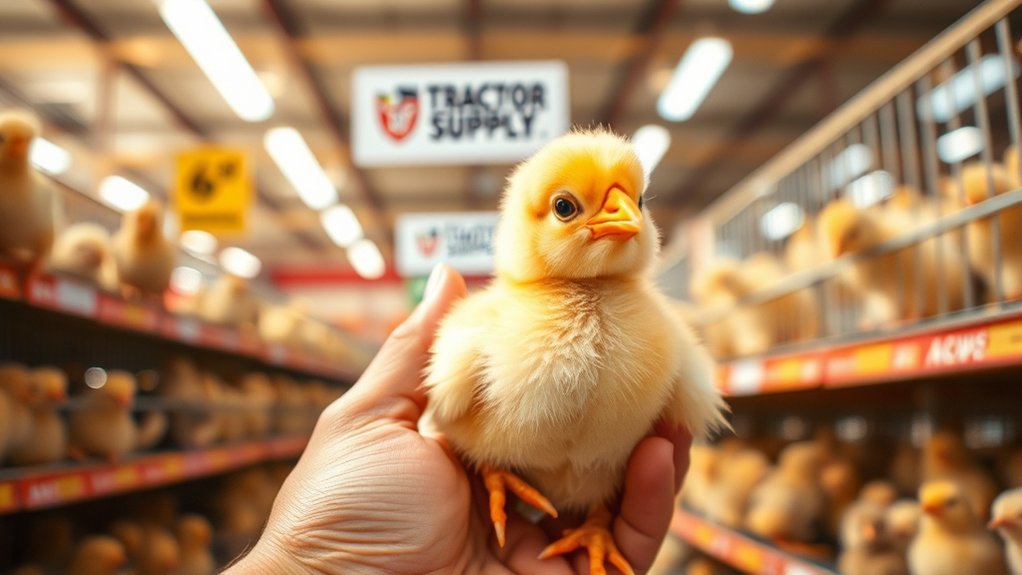
Before you buy, take a close look at each chick’s physical health. Check for clear eyes, clean feathers, and no signs of illness.
Also, watch how they move and interact. Healthy chicks are usually active and curious.
Doing these simple checks will help you pick strong, lively birds for your flock.
Checking Physical Health
Although buying chicks can be exciting, you’ll want to inspect their physical health carefully to guarantee you bring home strong, thriving birds. Start by checking for clear, bright eyes and clean, dry nostrils.
Avoid chicks with pasty vents or swollen joints, as these can indicate health issues. Their feathers should look fluffy and smooth, not matted or dull. Gently feel their bodies to ensure they’re firm and well-fed, not weak or lethargic.
Observing Behavior and Activity
How can you tell if a chick is healthy just by watching it? Start by observing its behavior and activity. Healthy chicks are alert, actively moving, and interacting with others, showing strong bird socialization skills.
Look for chicks that peck around and respond to their environment, which indicates good energy levels. Pay attention to feather development. Chicks should have smooth, clean feathers that are growing evenly.
Avoid chicks that seem lethargic, isolated, or overly aggressive, as these signs may point to health issues. Also, watch for consistent breathing and steady movements.
How to Bring Your Chicks Home Safely
When you pick up your chicks, you’ll want to make certain they stay warm and secure during the trip home. Use a well-ventilated container, like a cardboard box with holes or a chick carrier, lined with soft bedding to prevent slipping. Avoid overcrowding to reduce stress and injury. Keep the container away from drafts or direct sunlight in your vehicle.
Plan your trip around their feeding schedules to avoid long stretches without food or water. While chicks can go a few hours without eating, minimizing travel time helps maintain their comfort and health. Once home, shifting them quickly to your brooder setup is key to keeping them warm and safe.
Though you’ll prepare the brooder later, knowing you’ll need to move them there promptly helps you handle them gently and calmly during the drive. By following these steps, you ensure your new chicks arrive healthy and ready to thrive.
How to Prepare a Brooder for Your New Chicks
Before bringing your chicks home, you’ll want to have a brooder ready to provide a warm, safe environment where they can grow. Choose a secure container with enough space for your chicks to move comfortably. Line the bottom with absorbent bedding, like pine shavings, and set up a heat source, usually a heat lamp, maintaining 95°F during the first week.
Prepare a warm, secure brooder with bedding and a heat lamp at 95°F for your new chicks.
Then lower the temperature by 5°F each week.
Place feeders and waterers inside, ensuring easy access to support proper feeding schedules from day one. Monitor temperature and food levels daily to keep your chicks healthy. Consistent brooder maintenance is vital; clean bedding regularly to prevent moisture buildup and remove droppings.
Also, check equipment often to avoid hazards.
Essential Supplies for Raising Chicks
Although setting up the brooder is essential, gathering the right supplies guarantees your chicks thrive from day one. To support successful brooding techniques and future egg laying, you need more than just a warm space. Here are the essential supplies you’ll want:
- Heat source A reliable heat lamp or brooder plate keeps chicks warm and comfortable.
- Bedding material Use absorbent, non-toxic bedding like pine shavings for cleanliness and to prevent leg issues.
- Feed and water containers Shallow feeders and waterers designed for chicks prevent spills and contamination.
- Thermometer Monitoring temperature inside the brooder helps you adjust heat and maintain the ideal environment.
With these supplies ready, you’ll create a healthy start for your chicks, setting the stage for strong growth and eventual egg laying. Proper brooding techniques paired with the right tools make a big difference in your flock’s success.
Feeding and Watering Your Chicks Properly
You’ll want to pick the right feed to support your chicks’ growth and set up clean water stations they can easily access. It’s important to offer food and water frequently, and to adjust the amounts as they grow. Getting these basics right will keep your chicks healthy and thriving.
Choosing The Right Feed
Since chicks grow rapidly, choosing the right feed is essential to support their development and keep them healthy. After egg incubation, chicks need optimal poultry nutrition to thrive. You’ll want to select feed specifically formulated for young chicks, which provides balanced protein, vitamins, and minerals.
Here are four key points to think about:
- Start with a high-protein chick starter feed (18-20%) for the first 6 weeks.
- Make certain the feed contains essential vitamins and minerals to boost immunity.
- Avoid feeds meant for adult chickens, as they lack necessary nutrients for growth.
- Gradually shift to grower feed after 6 weeks to match their changing needs.
Setting Up Water Stations
When setting up water stations for your chicks, make sure they have easy access to clean, fresh water at all times. After egg incubation, proper hydration is vital for healthy growth and development.
Use shallow waterers to prevent drowning and place them where chicks can reach without difficulty. Change the water daily and clean the containers regularly to avoid bacterial buildup.
Remember, water supports poultry nutrition just as much as feed, helping chicks digest nutrients efficiently. You can add electrolytes or vitamins to the water during stressful periods like the change from incubation to brooding.
Keep multiple water stations if you have many chicks to reduce crowding and competition. This simple setup ensures your chicks stay hydrated and thrive in their new environment.
Feeding Frequency And Amounts
How often should you feed your chicks to guarantee they grow strong and healthy? Establishing consistent feeding schedules is key to meeting their nutritional needs. You’ll want to provide chick starter feed multiple times daily in small amounts to avoid waste and ensure freshness.
Follow these guidelines for feeding frequency and amounts:
- Feed chicks 3-4 times a day during the first two weeks.
- Offer small portions that the chicks can consume within 20-30 minutes.
- Gradually reduce feeding frequency to twice daily after three weeks.
- Always keep feed accessible and refill as needed to prevent hunger.
Setting Temperature and Lighting for Chicks
Although it might seem straightforward, setting the right temperature and lighting is crucial to keep your chicks healthy and comfortable. For temperature regulation, start with a brooder temperature around 90-95°F during the first week. Gradually decrease it by 5°F each week until they’re fully feathered, usually by six weeks.
Use a heat lamp or brooder plate and monitor with a reliable thermometer to avoid overheating or chilling. Lighting control also plays a significant role. Provide about 18-22 hours of light daily during the first two weeks to encourage feeding and activity.
After that, gradually reduce lighting to mimic natural daylight cycles, helping chicks develop a healthy sleep pattern. Avoid sudden changes in lighting or temperature, as these can stress your chicks. By carefully managing temperature regulation and lighting control, you’ll create a comfortable environment that supports proper growth and development in your new chicks.
How to Monitor Chick Health and Spot Common Issues
You’ll want to keep a close eye on your chicks to make sure they stay healthy and active. Check for signs like bright eyes, steady breathing, and regular eating habits. These little things can tell you a lot about how they’re doing.
At the same time, it’s important to watch out for common issues like pasty butt or respiratory problems. If you catch these early and act quickly, it can really make a difference in helping your chicks thrive. Staying on top of their health is key!
Signs of Healthy Chicks
When monitoring your chicks, paying close attention to their behavior and appearance can help you spot health issues early. Healthy chicks are active, curious, and have consistent feeding habits. This shows your brooder setup is comfortable and safe. Watch for these signs:
- Bright, clear eyes without discharge.
- Smooth, clean feathers that lie flat.
- Steady breathing without coughing or wheezing.
- Normal feeding habits; chicks eagerly eat and drink.
If your chicks display these signs, your brooder setup is likely ideal, providing warmth and cleanliness. Consistent feeding habits indicate good health and proper nutrition. Keep observing daily. Early detection of any changes helps maintain a thriving flock and prevents potential health problems.
Common Chick Illnesses
How can you tell if a chick is sick before symptoms worsen? Watch for lethargy, loss of appetite, pasty vents, or labored breathing. These signs often indicate common chick illnesses.
Since chicks come from egg incubation processes with varying hygiene standards, some may carry infections like coccidiosis or respiratory diseases. Keep a close eye on their activity and droppings daily.
Proper poultry vaccinations can prevent many illnesses, but monitoring remains vital. Early detection means you can act quickly to protect your flock.
Remember, a healthy chick is active, alert, and eating well. Regularly check for unusual behavior or physical changes. Also, maintain a clean brooder environment to reduce disease risk.
Your vigilance is key to spotting issues early and ensuring your chicks thrive.
Early Intervention Strategies
Although identifying early signs of illness can be challenging, closely observing your chicks daily helps you catch problems before they escalate. Pay attention to their behavior, appetite, and droppings, as changes can signal health issues. A proper brooder setup with consistent temperature and clean bedding supports their immune system.
Stick to regular feeding schedules to keep their energy up and watch for reluctance to eat.
Here are four key early intervention strategies:
- Check chicks’ activity levels. Lethargy may indicate illness.
- Inspect eyes and nostrils for discharge or swelling.
- Observe droppings for abnormal color or consistency.
- Maintain an ideal brooder environment and follow feeding schedules strictly.
When and How to Transition Chicks to Outdoor Living
Before moving your chicks outdoors, you’ll want to make sure they’re strong enough to handle the change in environment. Watch for full feather development. Your chicks should be covered with feathers, not just fluff, to regulate their body temperature. This usually happens around 6 to 8 weeks of age. During this time, maintain a stable brooding environment indoors with consistent heat and protection from drafts.
When you’re ready to transition, start by gradually exposing your chicks to outdoor conditions. Place their brooding box outside for a few hours during the warm part of the day, increasing the time over a week. This helps them adjust to natural light, temperature fluctuations, and fresh air. Make sure the outdoor coop is secure, dry, and predator-proof before the full move. Keep fresh food, water, and bedding available outdoors to encourage them to settle in quickly. By following these steps, you’ll set your chicks up for a healthy, smooth transition to outdoor living.
Frequently Asked Questions
What Is the Best Time of Year to Buy Chicks at Tractor Supply?
The best time of year to buy chicks at Tractor Supply is early spring. You’ll want to guarantee proper poultry nutrition from the start, so your chicks grow healthy and strong.
Buying in spring also gives you time for coop maintenance before colder months hit. This way, your chicks have a safe, clean environment, and you can keep up with their nutritional needs without rushing.
Spring sets you up for success!
Are Tractor Supply Chicks Vaccinated or Treated for Diseases?
Imagine stepping out of a Model T, enthusiastic to raise healthy chicks. At Tractor Supply, chicks usually come vaccinated against common diseases like Marek’s, but you’ll want to double-check with the specific location.
You’ll also need to focus on chick nutrition and proper poultry housing to keep them thriving. Providing balanced feed and a clean, warm environment helps prevent illness beyond initial vaccinations, ensuring your flock grows strong and lively.
Can I Return or Exchange Chicks if They Arrive Sick?
You can usually return or exchange chicks if they arrive sick, but it depends on the store’s return policy. Check Tractor Supply’s specific guidelines on chick health before purchasing so you know your options.
If your chicks show signs of illness upon arrival, contact the store promptly with proof. Acting quickly increases your chances of a successful return or exchange, ensuring your flock stays healthy from the start.
Do Tractor Supply Stores Offer Delivery or Shipping for Chicks?
Tractor Supply generally doesn’t offer delivery options or shipping for chicks, as they require special care during transport. You’ll usually need to pick them up in-store to guarantee they arrive healthy.
Their shipping policies typically exclude live animals like chicks due to regulations and welfare concerns. It’s best to check with your local store for any exceptions or special arrangements, but most customers handle the transportation themselves to keep chicks safe.
How Many Chicks Can I Buy at Once From Tractor Supply?
You can usually buy as many chicks as you want at once from Tractor Supply, but it’s smart to think about your cage setup and space to keep them safe and comfortable. Overcrowding can hurt poultry nutrition because stressed chicks won’t eat or grow properly.
Make sure your cage setup provides enough room, warmth, and clean water. Planning ahead helps you raise healthy chicks with good nutrition from day one.
Conclusion
Buying chicks at Tractor Supply is an exciting start to your poultry journey. Did you know that over 20 million backyard chickens are raised in the U.S. each year? That’s a lot of happy, healthy birds thriving because their owners took the time to prepare properly.
By choosing the right breed, inspecting chicks, and setting up a safe brooder, you’re giving your new flock the best chance to grow strong and healthy. Enjoy every moment of buying chicks at Tractor Supply and watching your flock flourish!